
Treatment for Scalp Hair Growth: Clinical Solutions
Hair loss affects millions of people worldwide, creating significant emotional and psychological impact that extends far beyond simple aesthetics. Whether you're experiencing gradual thinning, receding hairlines, or noticeable bald patches, understanding the treatment for scalp hair growth available today can help you make informed decisions about your hair restoration journey. Modern medicine offers a comprehensive range of solutions that address the underlying causes of hair loss while promoting healthier, stronger follicle development across the scalp.
Understanding the Hair Growth Cycle
Before exploring treatment options, it's essential to understand how hair naturally grows and why certain interventions work better than others. Hair follicles go through distinct phases that directly impact how effectively different treatments perform.
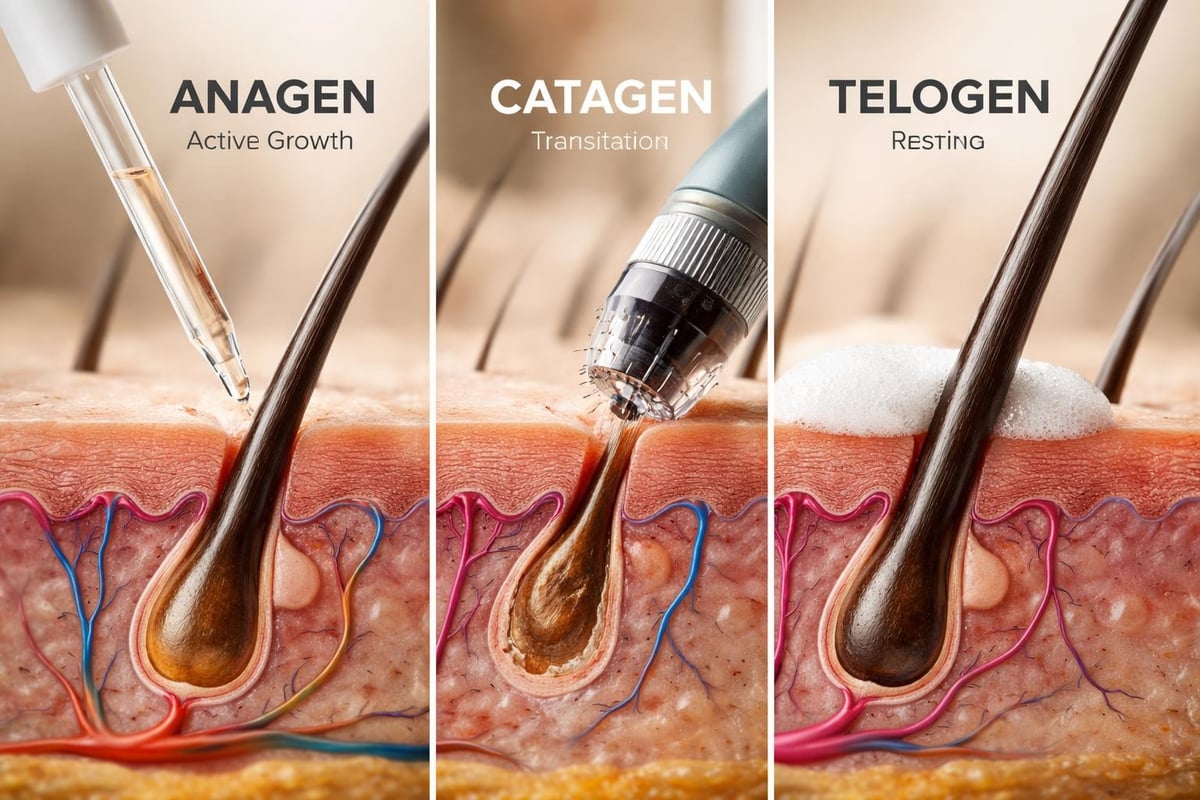
The anagen phase represents active growth, lasting between two to seven years depending on genetics and health factors. During this period, hair cells divide rapidly, and the strand extends from the follicle. The catagen phase follows as a brief transitional period lasting about two weeks, where growth stops and the follicle shrinks. Finally, the telogen phase marks the resting period before the hair sheds naturally and the cycle begins again.
Why Hair Growth Patterns Matter for Treatment
Understanding these cycles helps explain why treatment for scalp hair growth requires patience and consistency. Most therapies work by extending the anagen phase, shortening the telogen phase, or awakening dormant follicles that have prematurely entered a resting state.
Different causes of hair loss interrupt this cycle at various points:
- Androgenetic alopecia progressively miniaturizes follicles over time
- Telogen effluvium pushes excessive numbers of follicles into the resting phase
- Alopecia areata triggers immune system attacks on follicles
- Traction alopecia results from physical stress on hair roots
Each condition requires targeted intervention strategies based on the specific disruption occurring within the follicle.
FDA-Approved Medical Treatments
The foundation of evidence-based treatment for scalp hair growth rests on medications that have undergone rigorous clinical testing and received regulatory approval. These treatments demonstrate consistent results across diverse patient populations.
Minoxidil: The Topical Solution
Minoxidil stands as one of the most widely used and extensively studied treatments available. Originally developed as a blood pressure medication, researchers discovered its hair growth properties as an unexpected side effect. The medication works by widening blood vessels in the scalp, which improves nutrient delivery to follicles and extends the anagen growth phase.
Available in 2% and 5% formulations, minoxidil requires consistent twice-daily application for most users. Results typically become visible after four months of regular use, with peak benefits appearing around the one-year mark.
| Minoxidil Concentration | Recommended For | Application Frequency | Expected Timeline |
|---|---|---|---|
| 2% Solution | Women, sensitive scalps | Twice daily | 4-6 months |
| 5% Solution | Men, advanced thinning | Twice daily | 3-4 months |
| 5% Foam | All users preferring foam | Once or twice daily | 3-5 months |
Finasteride: The Oral Medication
Finasteride represents another cornerstone of medical treatment for scalp hair growth, particularly for men experiencing androgenetic alopecia. This oral medication works by inhibiting the enzyme that converts testosterone into dihydrotestosterone (DHT), the hormone primarily responsible for miniaturizing hair follicles in pattern baldness.
Prescribed as a daily 1mg tablet, finasteride shows effectiveness in approximately 80-90% of men who use it consistently. The medication prevents further hair loss in most users while promoting regrowth in about two-thirds of patients. Clinical studies demonstrate that combining finasteride with minoxidil produces superior results compared to either treatment alone.
Women of childbearing age should avoid finasteride due to potential birth defect risks, though some dermatologists prescribe it off-label for postmenopausal women experiencing hair loss.
Advanced Medical Procedures
Beyond pharmaceutical interventions, several procedural treatments offer promising results for those seeking treatment for scalp hair growth through more direct methods. These approaches often combine well with topical or oral medications to enhance overall outcomes.
Platelet-Rich Plasma (PRP) Therapy
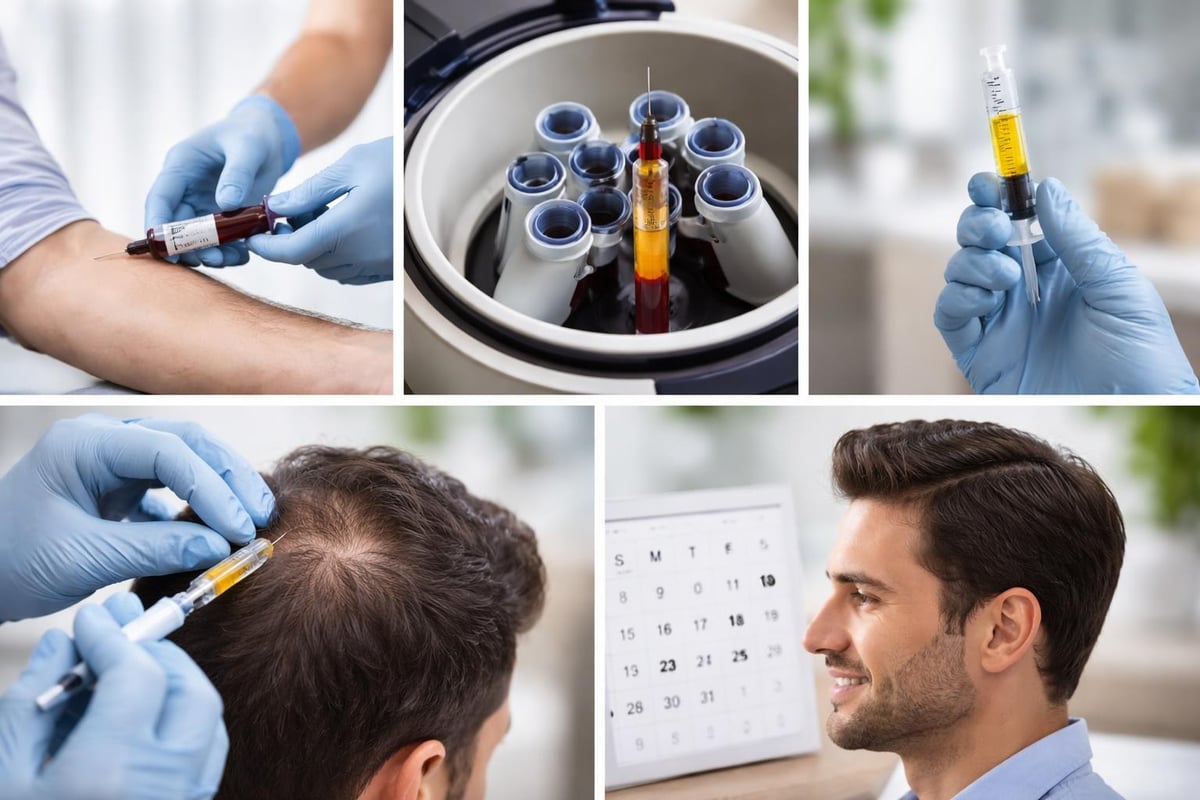
PRP therapy harnesses the body's natural healing mechanisms to stimulate hair follicles. The procedure involves drawing a small amount of the patient's blood, processing it to concentrate the platelets, and injecting the resulting serum directly into the scalp.
Platelets contain growth factors that trigger cellular regeneration and improve blood supply to follicles. Research shows that combining PRP with minoxidil significantly enhances hair density compared to using minoxidil alone.
Typical PRP Protocol:
- Initial consultation and scalp assessment
- Blood draw and platelet concentration process
- Numbing cream application to treatment areas
- Multiple micro-injections across thinning zones
- Post-treatment care instructions and scheduling
- Follow-up sessions every 4-6 weeks initially
- Maintenance treatments every 4-6 months
Most patients require three to four initial sessions spaced one month apart, followed by maintenance treatments to sustain results. Improvements generally become noticeable after the third session, with continued enhancement over subsequent months.
Low-Level Laser Therapy (LLLT)
Low-level laser therapy offers a non-invasive treatment for scalp hair growth that uses specific wavelengths of light to stimulate cellular activity within follicles. FDA-cleared devices deliver red light at wavelengths between 630-670 nanometers, which penetrates the scalp and energizes hair cells.
The treatment works through photobiomodulation, a process where light energy triggers increased ATP production in follicle cells. This enhanced energy production supports healthier hair growth cycles and may reduce inflammation that contributes to follicle miniaturization.
LLLT devices come in various formats including laser caps, helmets, combs, and in-office panels. Treatment typically requires 15-30 minute sessions three times weekly for optimal results. Clinical studies demonstrate modest but meaningful improvements in hair density, particularly when used alongside other treatments.
Emerging Therapies and Research
The field of hair restoration continues evolving rapidly, with researchers exploring innovative approaches that may revolutionize treatment for scalp hair growth in coming years.
Stem Cell and Growth Factor Treatments
Advanced medical treatments including stem cell therapy represent the cutting edge of hair restoration science. These approaches aim to regenerate damaged or dormant follicles using cellular materials that direct tissue repair and growth.
Researchers are investigating several promising directions:
- Adipose-derived stem cells extracted from fat tissue and processed for scalp injection
- Follicle cell treatments using cultured cells to generate new hair-producing structures
- Exosome therapy delivering cellular communication particles that trigger growth
- Gene therapy approaches targeting genetic factors underlying hair loss
While many of these treatments remain in clinical trial phases, early results suggest they may offer solutions for individuals who don't respond to conventional therapies.
Microneedling for Enhanced Absorption
Microneedling has emerged as a valuable adjunct treatment that enhances the effectiveness of topical hair growth products. The procedure uses tiny needles to create controlled micro-injuries in the scalp, which triggers healing responses and increases product penetration.
When performed before applying minoxidil or other topical treatments, microneedling can significantly improve results. The micro-channels created allow active ingredients to reach deeper layers of the scalp where follicles reside. Additionally, the healing process itself stimulates growth factor production and improves blood flow to the area.
Professional microneedling sessions typically use needles between 0.5mm and 1.5mm in depth, performed monthly by trained practitioners. At-home derma rollers with shorter needles (0.25mm-0.5mm) can be used weekly to maintain benefits between professional treatments.
Scalp Health as a Foundation
Effective treatment for scalp hair growth must address the underlying environment where follicles function. A healthy scalp provides the optimal conditions necessary for robust hair development and retention.
Managing Scalp Conditions
Various scalp issues can impede hair growth by creating inflammation, blocking follicles, or disrupting the normal growth cycle. Addressing these conditions forms an essential component of any comprehensive treatment strategy.
Common scalp conditions affecting hair growth include seborrheic dermatitis, psoriasis, folliculitis, and fungal infections. Each requires specific treatment approaches, often involving medicated shampoos, topical corticosteroids, or antifungal medications.
Scalp Condition Management Table:
| Condition | Primary Symptoms | First-Line Treatment | Hair Growth Impact |
|---|---|---|---|
| Seborrheic Dermatitis | Flaking, redness, itching | Ketoconazole shampoo | Moderate interference |
| Scalp Psoriasis | Thick scales, inflammation | Coal tar, salicylic acid | Significant disruption |
| Folliculitis | Pustules, tenderness | Antibacterial wash | Localized hair loss |
| Fungal Infection | Scaling, broken hairs | Antifungal medication | Patchy hair loss |
Oxidative Stress and Scalp Aging
Research demonstrates that scalp conditions impact hair growth through oxidative stress mechanisms that damage cellular structures and accelerate aging processes. Free radicals generated by UV exposure, pollution, and metabolic processes can harm follicle cells and weaken hair strands.
Antioxidant treatments help protect the scalp from this damage. Topical products containing vitamins C and E, green tea extract, or resveratrol provide protective benefits. Additionally, addressing systemic oxidative stress through diet, supplements, and lifestyle modifications supports healthier hair growth from within.
Nutritional Support for Hair Growth
While topical and procedural treatments address the scalp directly, internal nutritional support plays a crucial role in sustaining treatment for scalp hair growth. Hair follicles rank among the most metabolically active tissues in the body, requiring consistent nutrient delivery to maintain function.
Essential Nutrients for Follicle Health
Several vitamins, minerals, and other nutrients prove particularly important for optimal hair growth:
- Biotin (Vitamin B7) supports keratin production and cellular energy metabolism
- Iron enables oxygen transport to follicles through hemoglobin
- Zinc regulates follicle function and assists in protein synthesis
- Vitamin D activates growth phase and may awaken dormant follicles
- Protein provides the building blocks for keratin structure
- Omega-3 fatty acids reduce inflammation and support cellular membranes
Deficiencies in any of these nutrients can contribute to excessive shedding, slow growth, or poor hair quality. Blood testing can identify specific deficiencies that supplementation might address.
Dietary Patterns and Hair Health
Beyond individual nutrients, overall dietary patterns influence hair growth outcomes. Mediterranean-style eating patterns rich in vegetables, fruits, whole grains, lean proteins, and healthy fats provide comprehensive nutritional support for follicle function.
Conversely, diets high in processed foods, refined sugars, and unhealthy fats may promote inflammation and hormonal imbalances that negatively affect hair growth. Maintaining stable blood sugar levels through balanced meals helps regulate hormones that influence follicle cycling.

Comprehensive Treatment Approaches
The most effective treatment for scalp hair growth typically involves combining multiple interventions that address different aspects of follicle function and scalp health. This multi-modal approach produces superior results compared to single-treatment strategies.
Creating a Personalized Protocol
Developing an individualized treatment plan requires careful assessment of the hair loss pattern, underlying causes, overall health status, and personal preferences. Understanding diagnostic approaches helps identify the most appropriate combination of interventions.
A typical comprehensive protocol might include:
- Foundation medical treatment using minoxidil and/or oral medication
- Professional procedures such as PRP therapy quarterly
- Home-based therapies including LLLT devices and microneedling
- Scalp care regimen with appropriate cleansing and treatment products
- Nutritional optimization through diet and targeted supplementation
- Stress management techniques to reduce telogen effluvium triggers
Monitoring Progress and Adjusting Treatment
Successful hair restoration requires patience and systematic tracking of results. Hair follicle analysis under different conditions reveals the complex factors influencing growth duration and cycling.
Professional monitoring typically includes standardized photography, hair density measurements, and pull tests to assess shedding patterns. These objective measures help determine whether treatments are working as expected or if adjustments are needed.
Most treatments require minimum trial periods of three to six months before meaningful assessment becomes possible. Hair grows slowly, averaging only half an inch monthly, and follicles respond gradually to therapeutic interventions.
Professional Guidance and Long-Term Management
Navigating the numerous options for treatment for scalp hair growth benefits significantly from professional expertise. Dermatologists specializing in hair disorders bring diagnostic skills and treatment experience that optimize outcomes while minimizing risks.
When to Seek Professional Help
Early intervention typically produces better results than waiting until significant hair loss has occurred. Various hair and scalp diseases require expert diagnosis to ensure appropriate treatment selection.
Consulting a specialist makes particular sense when:
- Hair loss occurs suddenly or in unusual patterns
- Scalp symptoms accompany the thinning
- Over-the-counter treatments fail to produce results
- You're considering prescription medications or procedures
- Emotional distress from hair loss affects quality of life
Alternative Aesthetic Solutions
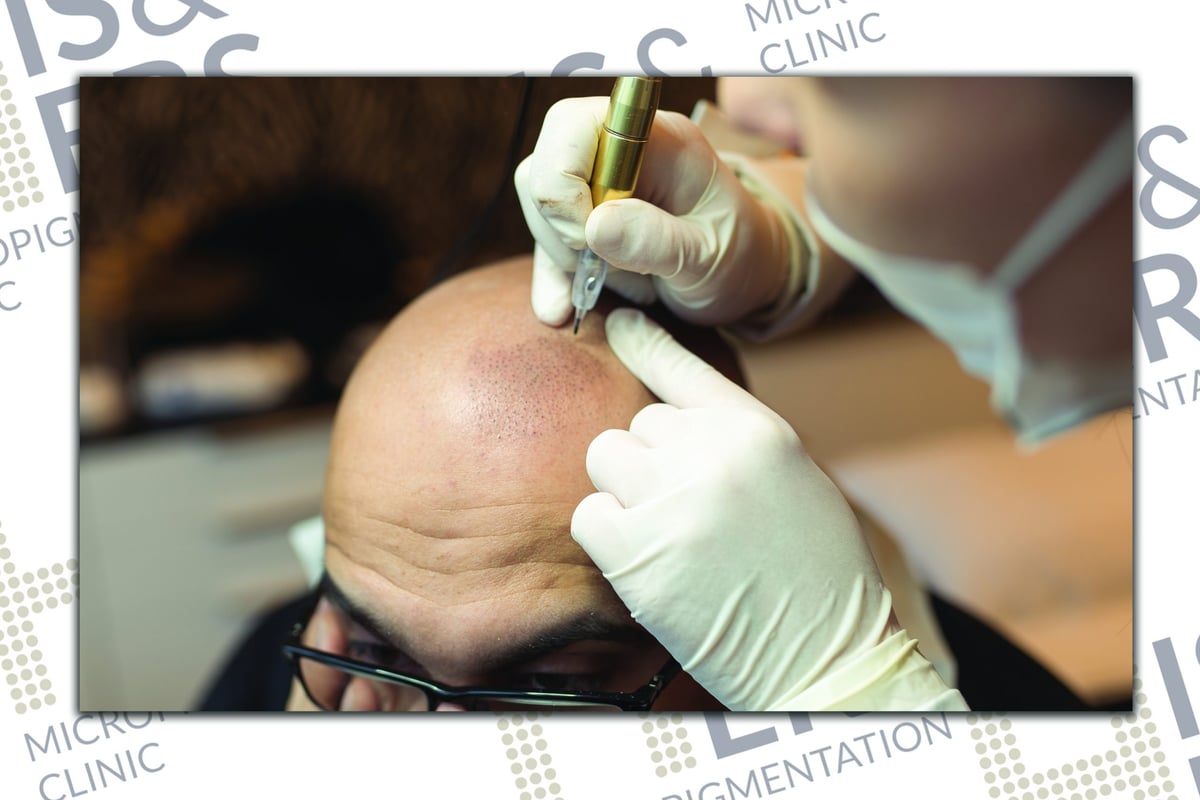
For individuals seeking immediate visual improvement while pursuing medical treatments, cosmetic approaches offer valuable options. Scalp micropigmentation creates the appearance of natural hair follicles through specialized pigmentation techniques, providing the look of fuller hair density.
At HIS&HERS Micropigmentation Clinic, this advanced procedure helps clients regain confidence while other hair growth treatments work to restore natural follicle function. The treatment proves particularly effective for creating defined hairlines, adding density to thinning areas, and camouflaging scars from previous procedures.
Maintaining Results Long-Term
Hair loss typically represents a chronic condition requiring ongoing management rather than a one-time fix. Most effective treatments must continue indefinitely to maintain their benefits, as discontinuation often leads to gradual return of hair loss.
Long-term success requires commitment to:
- Consistent medication use without extended breaks
- Regular professional treatments on recommended schedules
- Ongoing scalp health maintenance through proper care routines
- Periodic reassessment to adjust protocols as needed
- Lifestyle factors that support overall hair health
Building sustainable routines that fit naturally into daily life increases adherence and improves long-term outcomes. Finding the right balance between treatment burden and benefit helps ensure continued commitment to the regimen.
Setting Realistic Expectations
Understanding what various treatments can and cannot achieve helps prevent disappointment and supports informed decision-making about treatment for scalp hair growth. No current intervention can restore a full head of hair if significant follicle loss has already occurred.
What Treatments Can Accomplish
Evidence-based treatments offer several meaningful benefits when used appropriately:
- Slowing or stopping further progression of hair loss
- Improving hair density in areas with miniaturized follicles
- Thickening existing hair strands for fuller appearance
- Regrowing hair in areas where follicles remain viable
- Extending growth phase duration for longer hair
Results vary considerably between individuals based on genetics, the extent of hair loss, overall health, and treatment adherence. Some people experience dramatic improvement while others see more modest benefits.
Limitations of Current Therapies
Honest assessment of treatment limitations helps set appropriate expectations:
Treatment Capabilities vs. Limitations:
| Treatment Can | Treatment Cannot |
|---|---|
| Strengthen existing follicles | Regenerate completely dead follicles |
| Improve miniaturized hair | Restore juvenile hairlines completely |
| Slow progression significantly | Guarantee specific regrowth amounts |
| Enhance overall density | Work equally well for everyone |
| Maintain existing hair | Eliminate need for ongoing use |
Individuals with completely bald areas where follicles have been dormant for many years may not experience regrowth in those specific zones, though surrounding areas often improve. Combining realistic expectations with patient persistence produces the best psychological outcomes regardless of treatment results.
Lifestyle Factors Supporting Treatment
Beyond direct medical interventions, various lifestyle elements influence the effectiveness of treatment for scalp hair growth and overall follicle health. Addressing these factors enhances treatment outcomes and supports long-term hair maintenance.
Stress Management
Chronic stress triggers hormonal changes that can shift excessive numbers of follicles into the resting phase, causing noticeable shedding several months later. High cortisol levels also promote inflammation and may interfere with growth factor signaling.
Stress reduction techniques including meditation, regular exercise, adequate sleep, and relaxation practices help maintain hormonal balance that supports healthy hair cycling. While stress management alone won't reverse genetic hair loss, it prevents additional shedding that compounds existing thinning.
Sleep Quality and Hair Growth
Quality sleep enables essential cellular repair processes that maintain follicle health. During deep sleep stages, growth hormone secretion peaks, supporting tissue regeneration throughout the body including hair follicles.
Sleep deprivation disrupts hormonal balance, increases inflammatory markers, and reduces the body's regenerative capacity. Prioritizing seven to nine hours of quality sleep nightly creates optimal conditions for hair growth treatments to work effectively.
Exercise and Circulation
Regular physical activity improves blood circulation throughout the body, including the scalp. Enhanced blood flow delivers more oxygen and nutrients to follicles while removing metabolic waste products more efficiently.
Exercise also helps regulate hormones, reduce inflammation, manage stress, and improve sleep quality, creating multiple indirect benefits for hair health. Moderate activity most days of the week supports overall wellness that translates to better hair growth outcomes.
Effective treatment for scalp hair growth in 2026 combines proven medical therapies, advanced procedures, proper scalp care, and supportive lifestyle practices tailored to individual needs. Whether you're just beginning to notice thinning or have been managing hair loss for years, understanding your options empowers better decisions about your hair restoration journey. At HIS&HERS Micropigmentation Clinic, our team specializes in helping clients explore both medical treatment pathways and aesthetic solutions like scalp micropigmentation that restore confidence while you pursue your hair growth goals. Contact us today to discuss how we can support your journey to healthier, fuller-looking hair.

Leave a Reply