
Scalp Micropigmentation Touch Up: Complete Guide
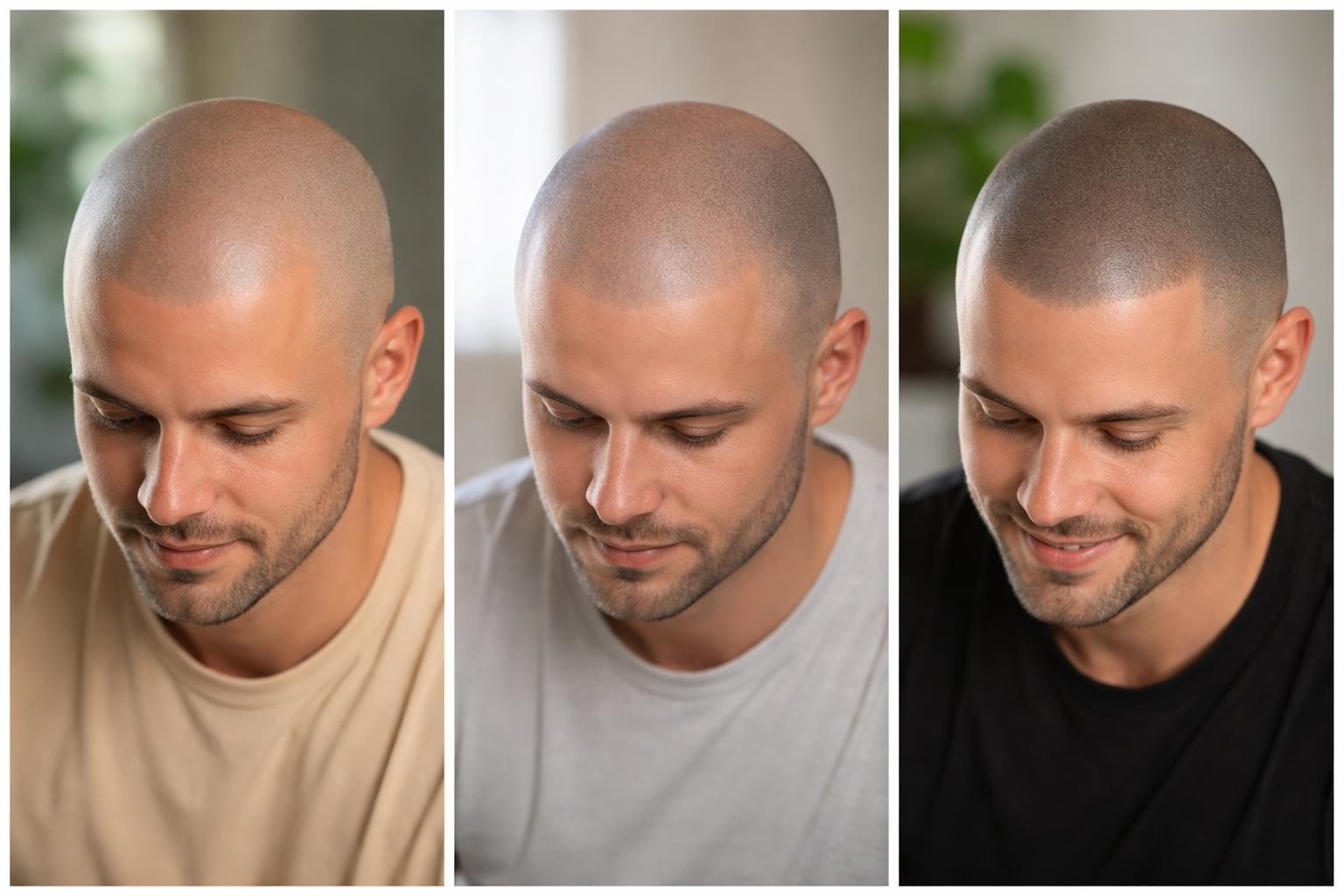
Scalp micropigmentation has transformed the lives of countless individuals experiencing hair loss, offering a non-surgical solution that creates the appearance of a fuller head of hair. Like any cosmetic tattooing procedure, however, the pigment doesn't remain as vibrant forever. Understanding the importance of a scalp micropigmentation touch up and knowing when to schedule these maintenance sessions ensures your treatment continues to look natural and sharp for years to come.
Why Scalp Micropigmentation Requires Touch-Ups
The pigments used in scalp micropigmentation are specifically designed to create the appearance of natural hair follicles, deposited into the upper layers of the scalp dermis. Over time, these pigments naturally fade due to several biological and environmental factors.
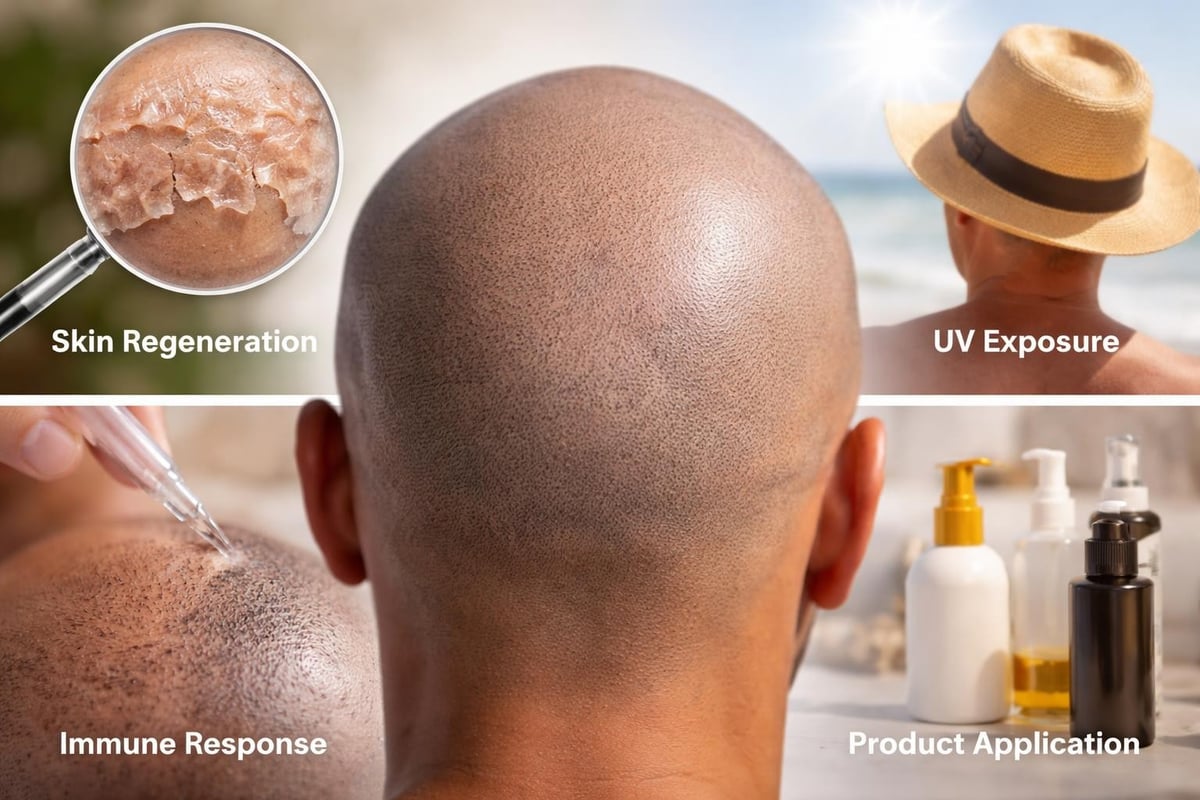
Your skin constantly regenerates, shedding old cells and creating new ones. This natural process gradually lightens the pigment deposits. Additionally, sun exposure accelerates fading as UV rays break down the pigment molecules. The body's immune system also recognizes these foreign particles and slowly works to remove them over the years.
The Fading Timeline
Most clients notice their scalp micropigmentation treatment maintains its optimal appearance for approximately three to five years before requiring attention. However, this timeline varies significantly based on individual factors. Refreshing your scalp micropigmentation becomes necessary when the density appears lighter or the pigment takes on a different tone.
Factors affecting longevity:
- Skin type and natural oil production
- Sun exposure levels
- Skincare product usage
- Initial pigment quality
- Aftercare adherence
- Individual immune response
Signs You Need a Scalp Micropigmentation Touch Up
Recognizing when your treatment needs refreshing helps you maintain consistently natural results. The signs aren't always dramatic but develop gradually over time.
Fading typically becomes noticeable when the pigment loses approximately 30-40% of its original density. You might observe that the treated area appears lighter compared to recent photographs. The hairline definition may soften, and individual dots might become less distinct.
Visual Indicators
| Early Signs | Advanced Signs |
|---|---|
| Slight lightening of pigment | Significant color loss |
| Reduced contrast | Uneven fading patterns |
| Minor density loss | Visible scalp showing through |
| Softened hairline | Changed pigment tone |
Color shifts present another indicator. Some pigments develop a slightly bluish or reddish undertone as they fade, depending on the original formulation and your skin chemistry. This doesn't mean the procedure was performed incorrectly, but rather represents the natural aging process of pigments in the skin.
When you start questioning whether your treatment looks as sharp as it once did, that's typically when SMP touch-ups become necessary to restore the crisp, defined appearance you initially achieved.
The Touch-Up Process Explained
A scalp micropigmentation touch up differs somewhat from your initial treatment sessions. The practitioner isn't starting from scratch but rather enhancing and refreshing existing work.
Assessment Phase
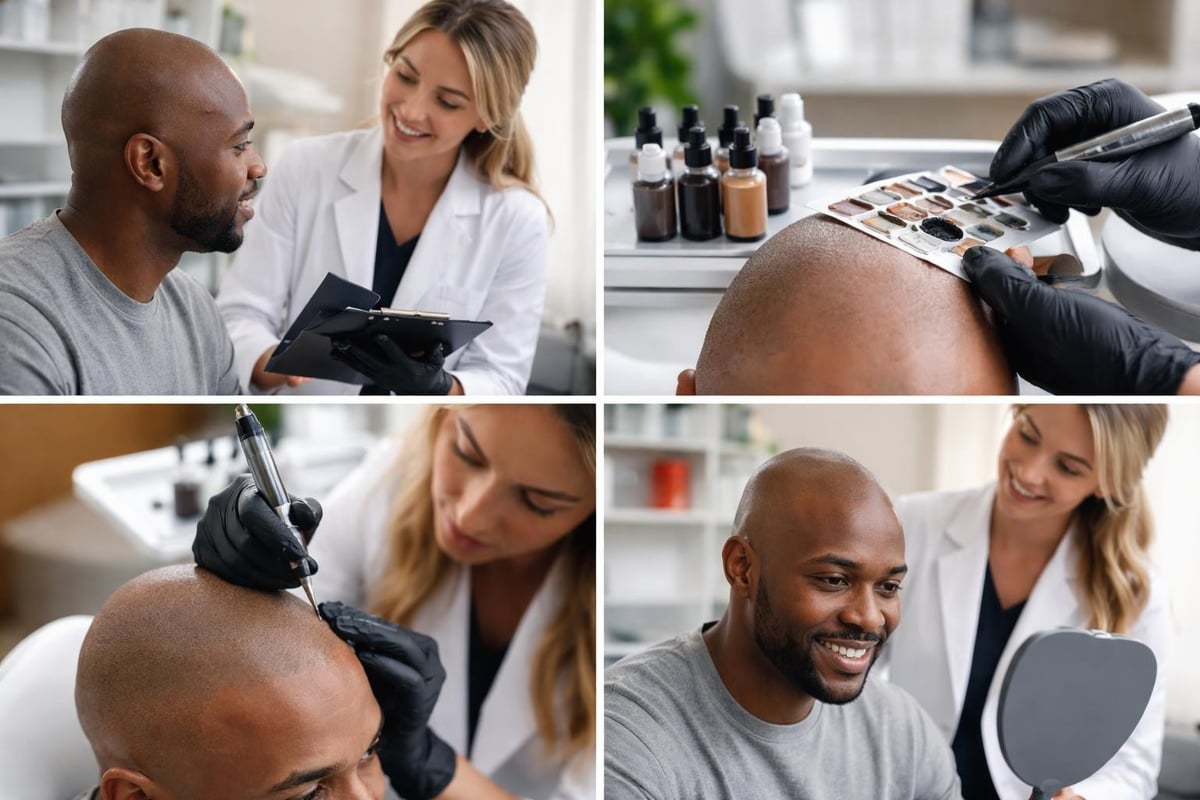
During your consultation, the technician evaluates several aspects of your current treatment. They examine the remaining pigment density, assess any color changes, and identify areas requiring the most attention. This assessment determines whether you need a full refresh or targeted enhancement in specific zones.
The professional also considers any changes to your natural hair pattern since the original treatment. If additional hair loss has occurred, the touch-up might include extending the treated area to maintain consistency.
Application Technique
The typical touch-up procedure includes:
- Cleaning and preparing the scalp surface
- Matching current pigment shades to existing treatment
- Strategically adding density where fading occurred
- Refreshing hairline definition and gradient zones
- Ensuring uniform appearance across treated areas
Touch-up sessions generally require less time than initial treatments. Many clients complete their refresh in one or two sessions, depending on the extent of fading and the size of the treated area. According to Scalp Micro USA’s guidance on touch-up frequency, most practitioners recommend sessions every four to six years.
Optimal Timing for Your Touch-Up Session
Scheduling your scalp micropigmentation touch up at the right moment ensures you never experience a period where your treatment looks noticeably faded. Proactive maintenance delivers better results than waiting until significant deterioration occurs.
Most professionals recommend scheduling your first touch-up consultation between years three and five post-treatment. This doesn't necessarily mean you'll need immediate work, but establishing this baseline helps track your fading pattern.
Creating Your Maintenance Schedule
Some clients benefit from touch-ups every three to four years, while others maintain excellent results for six years or longer. FTG Clinics emphasizes the importance of individual assessment, noting that personal factors significantly influence timing.
Consider scheduling sooner if you:
- Work outdoors extensively
- Live in high-UV climates
- Have oily skin that processes pigment faster
- Notice accelerated fading patterns
- Want to maintain absolutely optimal appearance
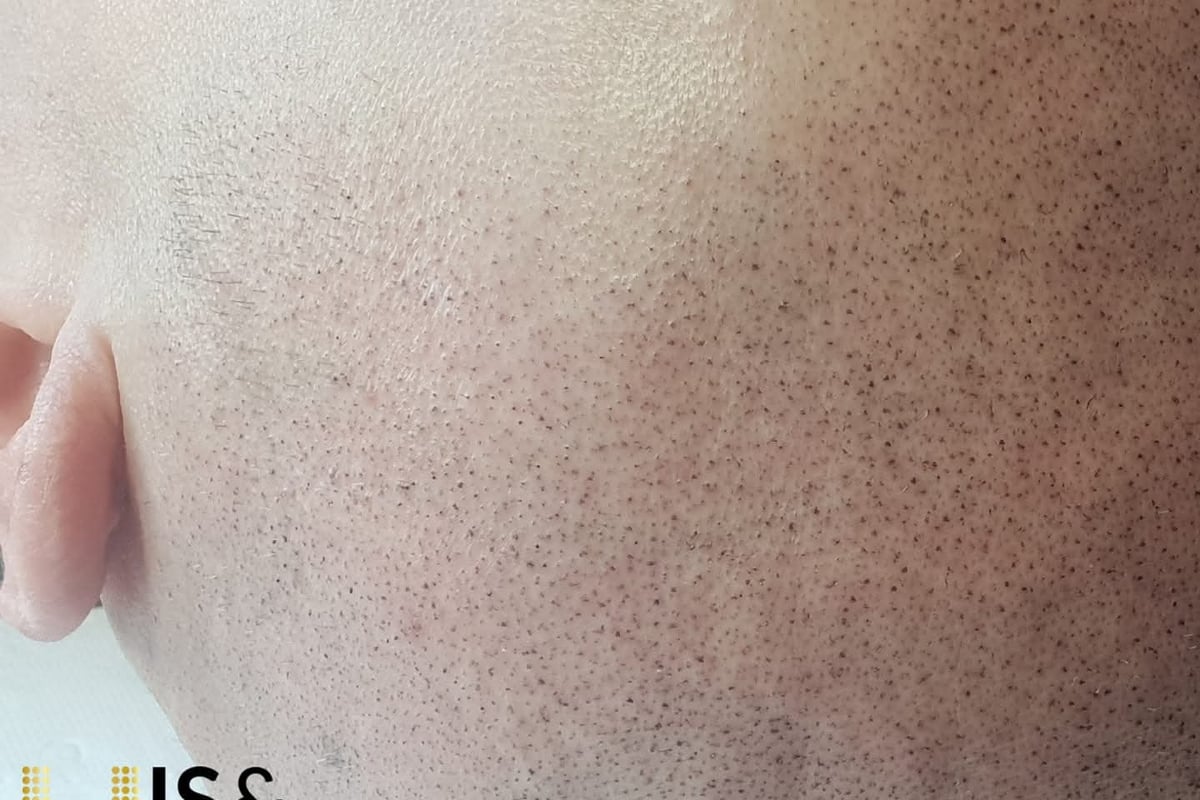
The cosmetic tattooing procedure creates thousands of micro dots that imitate natural hair follicles, and maintaining these details through timely touch-ups ensures the discreet, natural look that makes scalp micropigmentation such an effective solution for hair loss sufferers.
Cost Considerations for Touch-Up Sessions
Understanding the financial aspect of maintenance helps you plan appropriately for long-term scalp micropigmentation care. Touch-up pricing typically differs from initial treatment costs.
| Service Type | Typical Cost Range | Session Duration |
|---|---|---|
| Minor touch-up | 20-30% of original | 1-2 hours |
| Standard refresh | 30-50% of original | 2-3 hours |
| Extensive restoration | 50-70% of original | Multiple sessions |
Most clinics structure touch-up pricing based on the extent of work required rather than charging full treatment prices. A minor refresh addressing slight fading costs considerably less than comprehensive restoration after years of neglect.
Value of Regular Maintenance
Investing in regular touch-ups proves more economical than allowing extensive fading and requiring near-complete restoration. Think of it like maintaining a vehicle. Regular oil changes cost less than engine replacement.
Many clinics offer touch-up packages or loyalty programs for existing clients. Discussing these options during your initial treatment helps you budget for future maintenance needs.
Aftercare Following Your Touch-Up
The healing process after a scalp micropigmentation touch up mirrors your original treatment aftercare, though experienced clients often find it more manageable the second time around.
Immediate Post-Treatment Care
First 7 days critical practices:
- Keep the scalp completely dry for four days minimum
- Avoid touching or scratching treated areas
- Sleep on clean pillowcases, preferably on your back
- Skip intense physical exercise that causes heavy sweating
- Stay out of direct sunlight without protective covering
The pigment needs time to settle into the skin layers without interference from moisture, oils, or friction. New Life Scalp’s maintenance guidelines stress that proper aftercare significantly extends the longevity of touch-up work.
Long-Term Protection Strategies
After the initial healing completes, adopting protective habits maximizes your investment. Daily SPF application on the scalp when outdoors prevents UV-related fading. Choose mineral-based sunscreens rather than chemical formulations, as these work better with pigmented skin.
Avoid harsh scalp treatments including chemical peels, microdermabrasion, or exfoliating scrubs in treated areas. These procedures accelerate pigment loss by promoting faster cell turnover.
Common Touch-Up Scenarios and Solutions
Different situations call for varying touch-up approaches. Understanding these scenarios helps you communicate effectively with your practitioner about your specific needs.
Uneven Fading Patterns
Some clients experience asymmetric fading, where one area lightens faster than others. This often occurs when one side of the head receives more sun exposure or when sleeping positions create friction on specific zones. Targeted touch-ups restore uniformity without treating the entire scalp.
Color Correction Needs
Occasionally, pigments shift toward unwanted tones as they fade. Scalp King addresses corrections by using complementary pigment shades during touch-ups to neutralize these shifts and restore natural-looking tones.
Skilled practitioners blend new pigment applications seamlessly with existing work, ensuring no demarcation lines or density differences become visible. This artistic aspect separates experienced technicians from novices.
Hairline Adjustments
Natural hair loss sometimes continues after your initial scalp micropigmentation treatment. Touch-up sessions provide opportunities to extend the treated area, adjust hairline shapes, or increase density in thinning zones beyond the original treatment boundaries.
Maximizing Time Between Touch-Ups
While touch-ups remain inevitable, several strategies extend the intervals between sessions, maximizing your treatment value.
Proven longevity practices:
- Apply broad-spectrum SPF 30+ daily on exposed scalp areas
- Use gentle, pH-balanced cleansers without harsh sulfates
- Pat dry rather than rubbing the scalp after washing
- Avoid chlorinated pools or wear protective caps when swimming
- Schedule regular consultations to monitor fading progression
Environmental protection makes the biggest difference. A client who works construction outdoors might need touch-ups every three years, while someone with primarily indoor activities might enjoy six years between sessions.
Selecting a clinic that uses premium, stable pigments also influences longevity. High-quality pigments resist fading and color shifts better than inferior formulations. When choosing your initial provider, inquire about pigment brands and their track records for stability.
Choosing the Right Practitioner for Touch-Ups
Your touch-up results depend heavily on practitioner skill and experience. While staying with your original technician offers consistency advantages, circumstances sometimes necessitate finding a new provider.
Evaluating Expertise
Look for practitioners who specialize in scalp micropigmentation specifically rather than general permanent makeup artists. The scalp presents unique challenges including skin texture variations, hair growth patterns, and color matching requirements.
| Qualification | Why It Matters |
|---|---|
| SMP-specific training | Understands scalp-unique techniques |
| Portfolio of touch-ups | Demonstrates correction skills |
| Color theory knowledge | Prevents tone shifts |
| Years of experience | Handles complex scenarios |
| Client testimonials | Validates consistent results |
According to Scalp Micropigmentation MD’s touch-up insights, selecting an experienced practitioner ensures your maintenance sessions enhance rather than compromise your original results.
Request before-and-after photos specifically of touch-up work, not just initial treatments. This demonstrates the practitioner's ability to refresh existing work skillfully.
Advanced Touch-Up Considerations
Beyond standard maintenance, some situations require specialized touch-up approaches that address unique challenges or goals.
Density Enhancement
Some clients request increased density during touch-ups, creating a fuller appearance than their original treatment. This works particularly well for individuals who initially chose conservative coverage but now desire more prominent results.
Adding density requires careful planning to maintain natural-looking distribution and avoid oversaturation. The practitioner strategically places additional dots while preserving appropriate spacing that mimics natural hair follicle patterns.
Style Updates
Hairline trends and personal preferences evolve. Touch-up sessions offer opportunities to modernize your look, perhaps adjusting the hairline shape or modifying the temple recession angles to reflect current aesthetic preferences.
Scar Camouflage Integration
For clients who developed scalp scarring after their initial treatment, whether from injury, surgery, or medical procedures, touch-ups can incorporate scar camouflage techniques. This requires additional expertise in working with scar tissue, which accepts pigment differently than normal skin.
Documentation and Progress Tracking
Maintaining records of your scalp micropigmentation journey helps optimize touch-up timing and results. Many clients underestimate the value of systematic documentation.
Recommended tracking methods:
- Take standardized photos every six months in consistent lighting
- Note any lifestyle changes affecting sun exposure
- Record skincare products used on the scalp
- Track when you first notice fading signs
- Document any unusual reactions or concerns
This information helps your practitioner understand your individual fading pattern and predict future maintenance needs accurately. Understanding the variability in touch-up requirements becomes easier with comprehensive personal data.
Some clinics provide digital tracking through client portals, storing treatment records, product information, and scheduling reminders. Leveraging these resources simplifies long-term maintenance planning.
Managing Expectations for Touch-Up Results
Understanding realistic outcomes prevents disappointment and ensures satisfaction with your maintenance sessions. Touch-ups typically restore your treatment to near-original appearance, but several factors influence final results.
Skin Changes Over Time
Your skin today differs from when you received initial treatment. Years of aging, sun exposure, and natural changes affect how skin accepts and retains pigment. Most practitioners achieve excellent restoration, but expecting absolutely identical results to your original treatment may prove unrealistic.
The Enhancement Opportunity
Rather than viewing touch-ups as merely restoring lost ground, consider them enhancement opportunities. Techniques evolve, and your practitioner likely has refined skills and updated approaches since your initial sessions.
Many clients report their touch-up results actually surpass their original treatment in naturalness and artistry. This occurs because the practitioner works with an established foundation, allowing for precision refinement impossible during initial applications.
Maintaining your scalp micropigmentation through properly timed touch-ups ensures your investment continues delivering natural, confidence-boosting results for decades. By understanding the fading process, recognizing signs that refresh sessions are needed, and following protective aftercare practices, you maximize the longevity and appearance of your treatment. Whether you need minor density restoration or comprehensive refresh work, HIS&HERS Micropigmentation Clinic provides expert scalp micropigmentation services with the artistic skill and technical precision necessary to keep your treatment looking fresh, natural, and virtually undetectable.


Leave a Reply