
Scalp Micropigmentation Results: What to Expect in 2026
Scalp micropigmentation has transformed the lives of thousands experiencing hair loss, offering a non-surgical solution that delivers natural-looking results. Whether you're dealing with male pattern baldness, thinning hair, or scars from previous hair transplants, understanding what to expect from this cosmetic procedure is essential before committing to treatment. The results you achieve depend on multiple factors, including practitioner expertise, skin type, hair color, and proper aftercare. This comprehensive guide explores everything you need to know about scalp micropigmentation outcomes, from immediate post-treatment appearance to long-term maintenance.
Understanding Immediate Scalp Micropigmentation Results
The first glimpse of your scalp micropigmentation results occurs immediately after your initial session. Many clients feel surprised by the immediate transformation, though it's crucial to understand this is just the beginning of your journey.
What You'll See Right After Treatment
Fresh scalp micropigmentation appears darker and more pronounced than the final result. This initial intensity is completely normal and expected. The pigmented dots may look slightly raised, and the scalp will show some redness around the treated area.
Immediate post-treatment characteristics include:
- Darker pigment appearance than the final shade
- Minor redness and inflammation
- Slightly raised texture at pigment points
- Possible tenderness to touch
The scalp may feel tender for several hours following treatment, similar to a mild sunburn. This discomfort typically subsides within 24 to 48 hours as the skin begins its natural healing process.
The Healing Process and Result Evolution
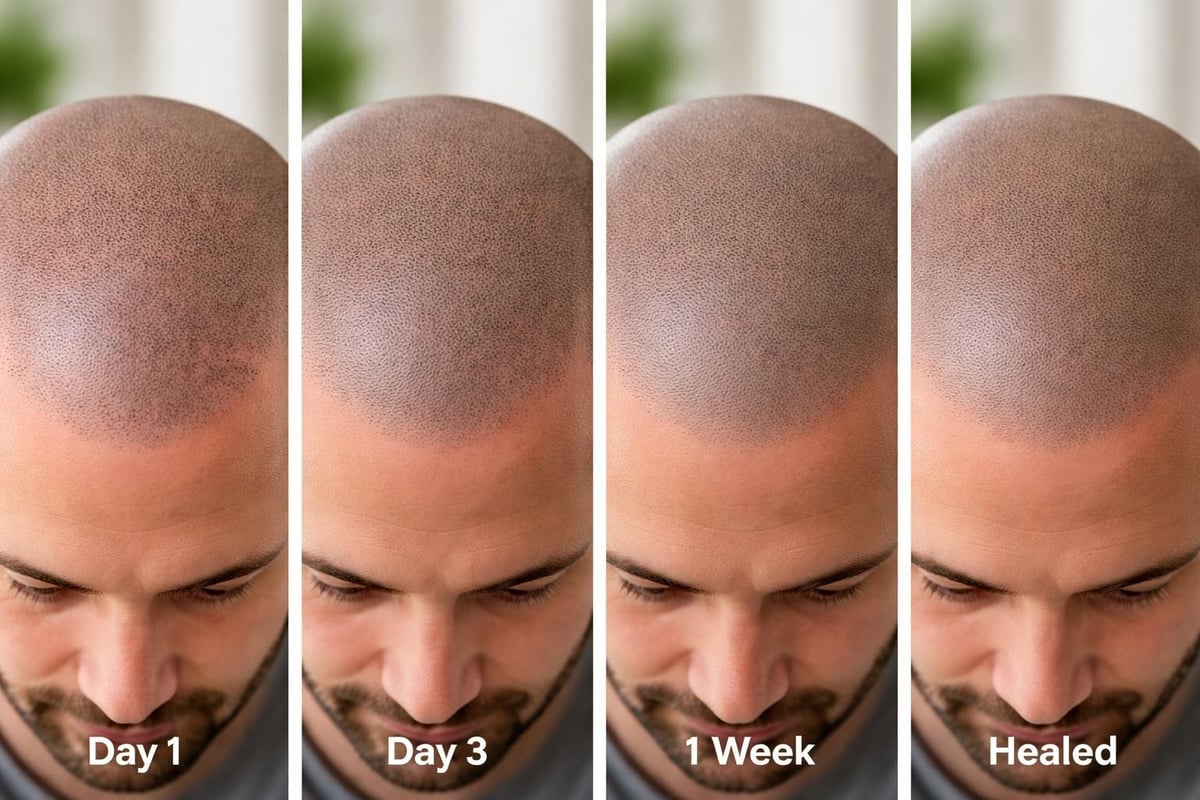
Understanding how scalp micropigmentation results evolve during healing helps set realistic expectations. The healing timeline varies among individuals, but most clients follow a predictable pattern.
Week-by-Week Healing Timeline
| Healing Stage | Timeline | What to Expect |
|---|---|---|
| Initial Healing | Days 1-7 | Pigment appears darkest, minor scabbing forms |
| Lightening Phase | Days 7-14 | Pigment lightens 30-40%, scabs naturally shed |
| Settling Period | Days 14-21 | True color emerges, skin fully heals |
| Final Assessment | Days 21-28 | Optimal time to evaluate results before next session |
During the first week, tiny scabs form over each pigment point. Research published in medical journals confirms that proper healing significantly impacts the final appearance and longevity of scalp micropigmentation results.
Never pick or scratch these scabs, as premature removal can cause pigment loss and create patchy areas. Allow them to shed naturally through gentle washing and moisturizing.
Multiple Sessions Build Complete Results
Most clients require three sessions spaced 10-14 days apart to achieve optimal scalp micropigmentation results. Each session builds upon the previous one, gradually creating the density and depth needed for a natural appearance.
The multi-session approach offers several advantages:
- First session establishes the baseline and tests skin response
- Second session adds density and refines the hairline
- Third session perfects details and ensures uniform coverage
Some clients with extensive areas or specific aesthetic goals may need a fourth session to achieve their desired outcome.
Factors Influencing Your Scalp Micropigmentation Results
Multiple variables affect how scalp micropigmentation results appear on your scalp. Understanding these factors helps you work with your practitioner to optimize your outcome.
Skin Type and Texture Considerations
Your skin's natural characteristics play a significant role in how pigment appears and retains. Oily skin types may experience slightly faster fading compared to normal or dry skin types. Understanding how different skin types affect results helps practitioners adjust their technique and pigment selection accordingly.
Scarred skin from previous procedures or injuries often requires additional sessions and modified techniques to achieve consistent results. The fibrous nature of scar tissue can cause unpredictable pigment retention, necessitating careful evaluation during consultation.
Hair Color and Skin Tone Matching
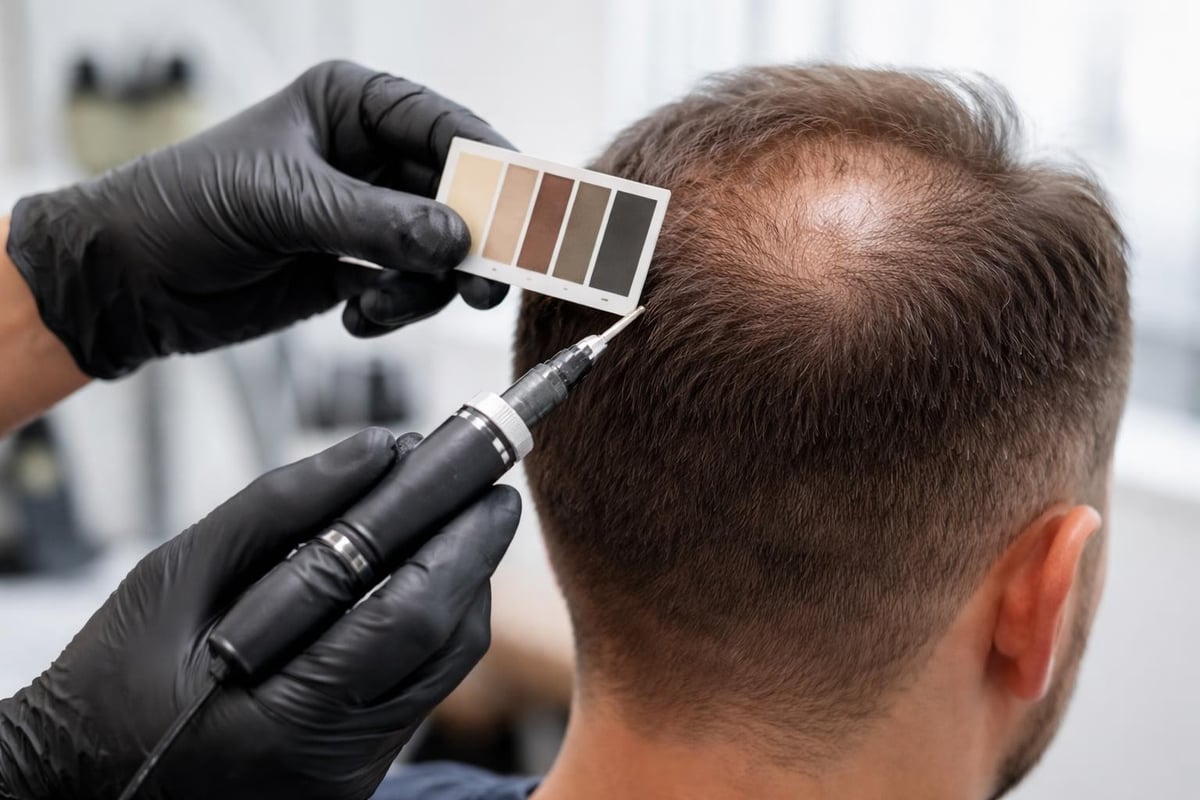
Achieving natural-looking scalp micropigmentation results requires precise color matching. Practitioners must consider your natural hair color, skin tone, and any existing hair when selecting pigments.
People with darker hair and skin typically show more dramatic results, as the contrast between pigment and skin creates a stronger visual impact. Those with lighter hair colors require subtle shading techniques to avoid an artificial appearance.
Realistic Expectations for Natural-Looking Results
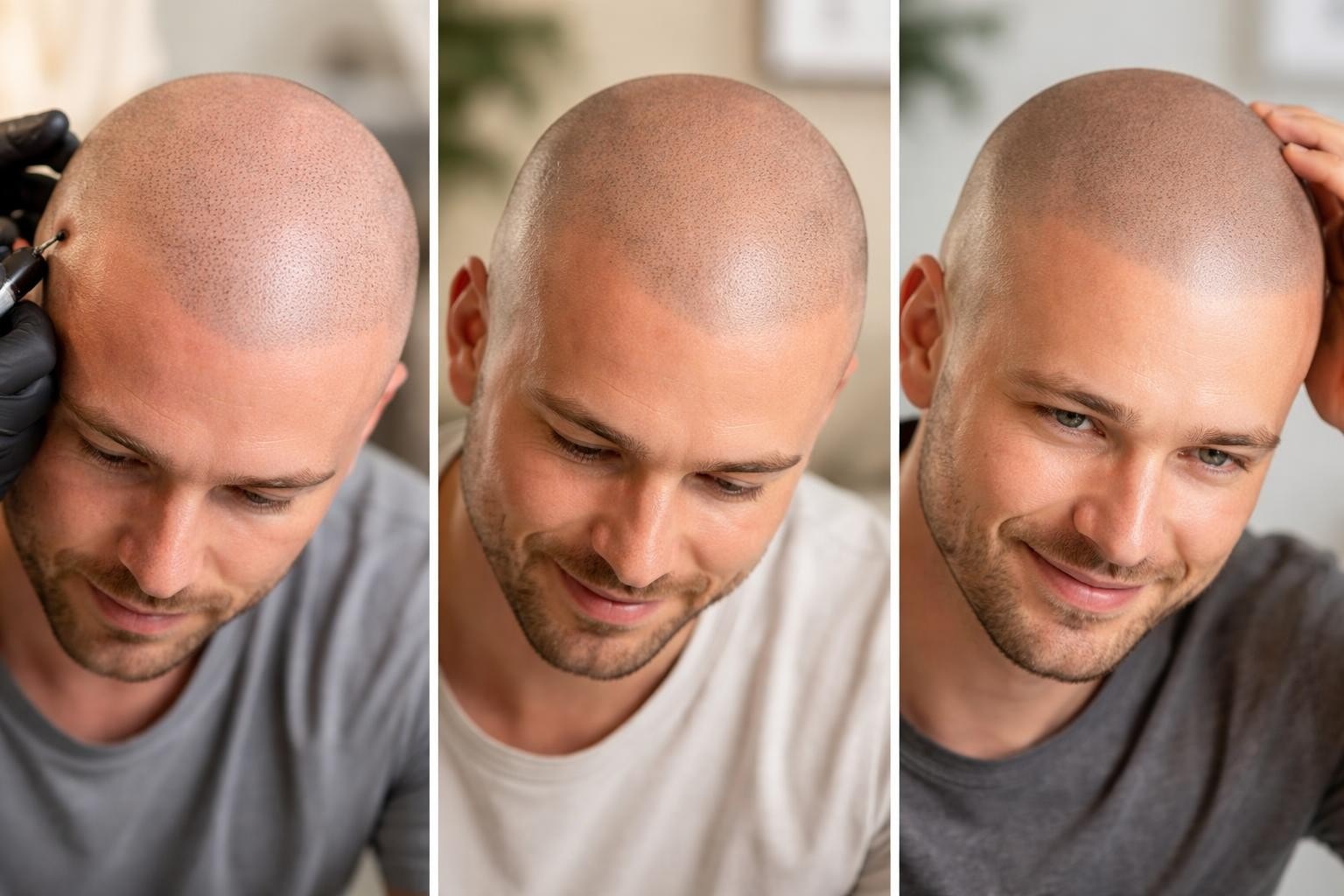
One of the most common questions about scalp micropigmentation concerns how realistic the results appear. When performed by experienced practitioners, scalp micropigmentation looks convincingly natural and indistinguishable from actual hair follicles at normal viewing distances.
The Buzzed Head Aesthetic
Scalp micropigmentation creates the appearance of a closely shaved head with a fuller hairline. This works particularly well for individuals who maintain short hair or embrace the buzzed look entirely.
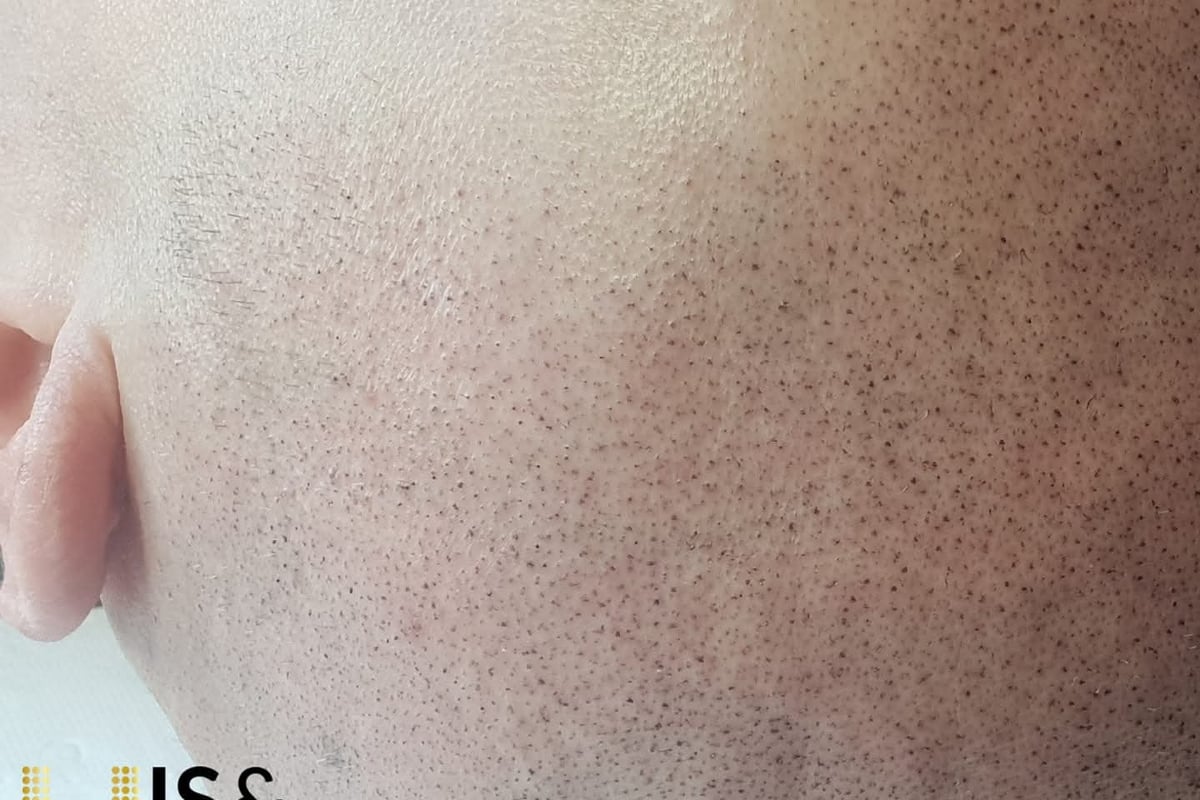
The procedure doesn't replicate long hair or create three-dimensional volume. Instead, it provides the optical illusion of density and coverage through thousands of carefully placed micro-dots that mimic natural follicles.
Best candidates for optimal results include:
- Men with receding hairlines or crown thinning
- Individuals with complete baldness seeking defined appearance
- Those with alopecia areata or scarring alopecia
- Anyone desiring camouflage for hair transplant scars
Viewing Distance and Lighting Conditions
Scalp micropigmentation results appear most realistic from normal conversational distances of three to six feet. At extremely close range under bright lighting, the dots remain visible, though they still create an effective illusion of stubble.
Different lighting conditions affect how results appear. Natural outdoor lighting provides the most flattering appearance, while harsh fluorescent lighting may make pigment slightly more visible.
Long-Term Scalp Micropigmentation Results
Understanding the longevity and aging of scalp micropigmentation results helps you plan for maintenance and touch-ups. Visual documentation of long-term outcomes demonstrates how results hold up years after initial treatment.
Expected Lifespan and Fading Patterns
Most clients enjoy vibrant scalp micropigmentation results for four to six years before requiring significant touch-ups. Gradual fading is natural and expected as the body slowly breaks down the pigment particles.
| Timeframe | Result Appearance | Maintenance Needs |
|---|---|---|
| Years 1-2 | Optimal vibrancy and definition | None required |
| Years 3-4 | Slight softening and lightening | Optional light touch-up |
| Years 5-6 | Noticeable fading in some areas | Touch-up recommended |
| Years 7+ | Significant lightening overall | Comprehensive refresh needed |
Fading typically occurs uniformly across the treated area, maintaining the natural appearance even as pigment lightens. This gradual process allows for adjustments to match changing hair color or style preferences.
For those seeking professional scalp micropigmentation treatments that deliver lasting, natural results, the Scalp Micropigmentation service creates the appearance of real follicles through thousands of precisely placed micro-dots, helping clients regain their confidence with discreet, beautiful outcomes.
Lifestyle Factors Affecting Longevity
Your daily habits and environmental exposure significantly impact how long your scalp micropigmentation results remain vibrant. Sun exposure represents the primary cause of premature fading, as UV radiation breaks down pigment molecules.
Protective measures to extend result longevity:
- Apply SPF 30+ sunscreen to the scalp daily
- Wear hats or caps during prolonged sun exposure
- Avoid tanning beds and excessive UV exposure
- Use gentle, pH-balanced hair care products
Swimming in chlorinated pools or saltwater can also accelerate fading. Rinsing immediately after swimming and applying protective leave-in products helps minimize this effect.
Comparing Scalp Micropigmentation Results Across Different Hair Loss Patterns
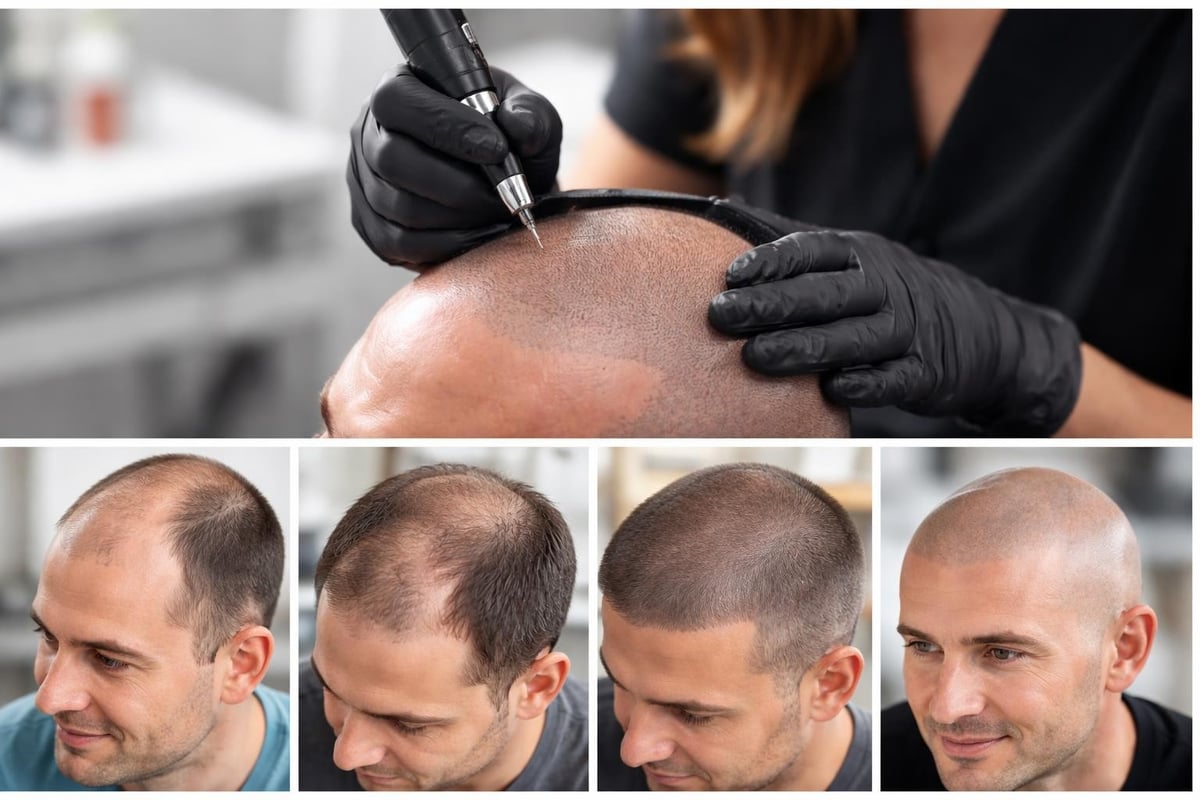
The type and extent of hair loss influence the approach and expected outcomes of scalp micropigmentation. Before and after documentation showcases how different patterns respond to treatment.
Receding Hairline Restoration
Men experiencing frontal hair loss achieve excellent scalp micropigmentation results through hairline reconstruction. The practitioner creates a natural-looking hairline that complements facial structure and age.
Hairline design requires artistic skill and understanding of natural hair growth patterns. Effective hairlines feature subtle irregularity and gradual density transitions, avoiding harsh, uniform lines that appear artificial.
Crown Thinning and Diffuse Hair Loss
Individuals with thinning crowns or diffuse pattern baldness benefit from density enhancement techniques. Scalp micropigmentation adds the appearance of fullness by filling gaps between existing hair follicles.
This application requires careful blending to ensure seamless integration with natural hair. The practitioner must match pigment depth and distribution to existing hair density for cohesive results.
Complete Baldness Coverage
Clients with total hair loss can achieve transformative scalp micropigmentation results that define their entire scalp area. This comprehensive approach creates a complete buzzed head appearance with defined hairline and uniform coverage.
The process typically requires extended treatment time across multiple sessions to ensure consistent pigment placement over large areas.
Common Concerns About Scalp Micropigmentation Results
Prospective clients often worry about specific aspects of their potential results. Addressing these concerns helps set appropriate expectations.
Will the Pigment Turn Blue or Green?
Modern scalp micropigmentation pigments are specifically formulated to resist color changes. Unlike traditional tattoo inks, these specialized pigments maintain their intended shade throughout the fading process.
Reputable practitioners use only premium pigments designed for scalp application. Understanding the benefits and considerations of modern scalp micropigmentation helps clients make informed decisions about treatment.
Can Results Look Too Uniform or Artificial?
When performed by skilled practitioners, scalp micropigmentation results appear naturally irregular. Expert technicians vary dot size, depth, and spacing to mimic the random distribution of real hair follicles.
The key to natural results lies in avoiding perfect symmetry and creating subtle variations that replicate biological growth patterns. Hairlines should incorporate slight asymmetry and irregular density.
How Results Appear on Different Ethnicities
Scalp micropigmentation delivers excellent results across all ethnicities and skin tones. Practitioners adjust pigment selection and application techniques to complement each client's unique characteristics.
Darker skin tones may require slightly deeper pigment placement to ensure visibility, while lighter skin tones need subtle shading to avoid excessive contrast. Experienced practitioners understand these nuances and customize their approach accordingly.
Optimizing Your Scalp Micropigmentation Results
Taking an active role in your treatment journey significantly improves outcomes. Following professional guidance and maintaining proper care routines ensures optimal results.
Pre-Treatment Preparation
Preparing your scalp before your first session sets the foundation for excellent results. Arrive with clean, product-free skin to allow proper pigment adhesion.
Pre-treatment recommendations include:
- Avoid alcohol consumption for 24 hours before treatment
- Discontinue blood-thinning medications as directed by your physician
- Stay well-hydrated in the days leading up to treatment
- Avoid sun exposure and sunburn on the scalp
- Discuss any skin conditions or allergies with your practitioner
Proper preparation minimizes bleeding during the procedure and promotes optimal pigment retention.
Post-Treatment Care Protocols
The first week following each session critically impacts your final scalp micropigmentation results. Strict adherence to aftercare instructions ensures proper healing and pigment retention.
Avoid sweating, swimming, or getting the scalp wet for four to five days after treatment. Moisture exposure during initial healing can cause pigment migration or premature fading.
Maintenance and Touch-Up Schedule
Even with excellent initial scalp micropigmentation results, periodic touch-ups maintain optimal appearance. Most clients schedule their first maintenance session four to six years after initial treatment.
Touch-up sessions take less time than original treatments and focus on refreshing faded areas. Client testimonials and transformation stories demonstrate the satisfaction and renewed confidence that well-maintained results provide.
Evaluating Practitioner Quality Through Results
Reviewing a practitioner's previous work provides the best indicator of the scalp micropigmentation results you can expect. Portfolio assessment reveals technical skill, artistic ability, and consistency.
What to Look for in Before and After Images
Quality practitioners maintain extensive portfolios showcasing diverse cases and outcomes. Examine these images carefully, looking for natural hairlines, appropriate pigment density, and seamless blending.
Portfolio evaluation criteria:
- Natural-looking hairline designs with appropriate irregularity
- Consistent pigment coverage without patchy areas
- Appropriate color matching to skin tone and hair
- Multiple angles and lighting conditions in documentation
- Variety of hair loss patterns and client types
Be wary of portfolios showing only ideal cases or heavily filtered images. Authentic documentation includes challenging cases and varied lighting conditions.
Questions to Ask During Consultation
Your consultation provides opportunity to assess practitioner expertise and establish realistic expectations for your scalp micropigmentation results. Ask about their training, experience level, and approach to your specific hair loss pattern.
Discuss the expected number of sessions, anticipated healing timeline, and long-term maintenance requirements. Detailed information about the procedure helps you prepare mentally and financially for the commitment.
Request client references or testimonials to understand satisfaction levels and real-world outcomes. Reputable practitioners gladly share success stories and connect prospective clients with previous customers.
Scalp Micropigmentation Results Versus Other Hair Loss Solutions
Understanding how scalp micropigmentation compares to alternative treatments helps you make informed decisions about addressing hair loss.
Comparison With Hair Transplants
Unlike surgical hair transplants, scalp micropigmentation delivers immediate visual results without lengthy recovery periods or the risk of graft failure. However, it creates the illusion of density rather than actual hair growth.
| Aspect | Scalp Micropigmentation | Hair Transplant |
|---|---|---|
| Recovery Time | 7-10 days per session | 2-4 weeks minimum |
| Final Results Visible | 3-4 weeks | 12-18 months |
| Pain Level | Minimal discomfort | Moderate to significant |
| Cost | $2,000-$4,000 | $7,000-$15,000+ |
| Maintenance | Touch-ups every 4-6 years | Possible additional procedures |
Many hair transplant patients combine both procedures, using scalp micropigmentation to enhance density between transplanted follicles or camouflage scarring.
Alternatives to Topical Treatments
Medications like minoxidil and finasteride require daily application and offer variable results. Scalp micropigmentation provides consistent, predictable outcomes without ongoing medication use or potential side effects.
The procedure works independently of hormonal factors or ongoing hair loss progression, making it suitable for individuals who cannot tolerate or benefit from pharmaceutical interventions.
Scalp micropigmentation results offer a transformative solution for individuals experiencing hair loss, providing natural-looking coverage and renewed confidence through expertly applied pigmentation techniques. Understanding the healing process, maintenance requirements, and factors affecting outcomes ensures realistic expectations and optimal satisfaction. Whether you're considering treatment for the first time or seeking to understand what results you can achieve, HIS&HERS Micropigmentation Clinic provides expert scalp micropigmentation services with a proven track record of delivering natural, confidence-restoring results tailored to your unique needs.
Leave a Reply