
Scalp Micro Pigmentation: Complete 2026 Guide
Scalp micro pigmentation has emerged as one of the most effective non-surgical solutions for individuals experiencing hair loss, thinning hair, or seeking to enhance their hairline appearance. This cosmetic tattooing procedure creates the illusion of natural hair follicles by depositing thousands of tiny pigment dots into the scalp, resulting in a realistic appearance of fuller hair. Whether you're dealing with pattern baldness, alopecia, or simply want to add density to thinning areas, understanding this innovative treatment can help you make an informed decision about your hair restoration journey.
Understanding Scalp Micro Pigmentation Technology
Scalp micro pigmentation represents a sophisticated advancement in cosmetic dermatology that combines artistry with precision technique. Unlike traditional tattooing, this procedure uses specialized equipment and pigments specifically designed for scalp application. The process involves depositing microdots of pigment into the upper dermis layer of the scalp, creating a three-dimensional appearance that mimics natural hair follicles.
The technology behind this treatment has evolved significantly since its introduction. Modern practitioners utilize digital devices that allow for precise control over needle depth, speed, and pigment distribution. These advancements ensure consistent results and minimize discomfort during the procedure.
How the Procedure Differs from Traditional Tattooing
Several key distinctions separate scalp micro pigmentation from conventional tattoo work:
- Needle depth: Pigment is deposited at a shallower level in the dermis
- Pigment composition: Specialized formulations designed to resist color change over time
- Dot size and pattern: Microscopic dots arranged to replicate natural follicle distribution
- Equipment specifications: Purpose-built machines for scalp application
- Fading characteristics: Natural gradual fading rather than color shifts
According to the International Society of Hair Restoration Surgery, practitioners must understand both the technical and artistic elements to achieve optimal results. The procedure requires extensive training in hairline design, density creation, and color matching to suit individual skin tones and existing hair colors.
Ideal Candidates for Scalp Micro Pigmentation
This versatile treatment addresses multiple hair loss scenarios and aesthetic concerns. Men and women of all ages can benefit from the procedure, though certain conditions make individuals particularly suitable candidates.
Hair Loss Patterns and Conditions
Scalp micro pigmentation effectively addresses various hair loss presentations:
- Male pattern baldness: Creates the appearance of a closely shaved head with defined hairline
- Female pattern hair loss: Adds density to thinning areas while maintaining existing hair
- Alopecia areata: Camouflages patchy hair loss with consistent coverage
- Scar concealment: Masks surgical scars from hair transplants or injuries
- Traction alopecia: Restores hairline areas damaged by tight hairstyles
Individuals with light to medium skin tones typically see the most natural-looking results, though advancements in pigment technology have expanded options for darker skin tones. The treatment works exceptionally well for those who maintain shorter hairstyles or prefer the shaved head aesthetic.
| Candidate Type | Primary Benefit | Session Requirements |
|---|---|---|
| Complete baldness | Full head coverage | 3-4 sessions |
| Thinning hair | Density enhancement | 2-3 sessions |
| Scar coverage | Texture camouflage | 1-3 sessions |
| Hairline recession | Frontal restoration | 2-3 sessions |
Research published in medical literature emphasizes the importance of proper candidate selection and realistic expectation setting for achieving natural results with scalp micropigmentation.
The Treatment Process from Consultation to Completion
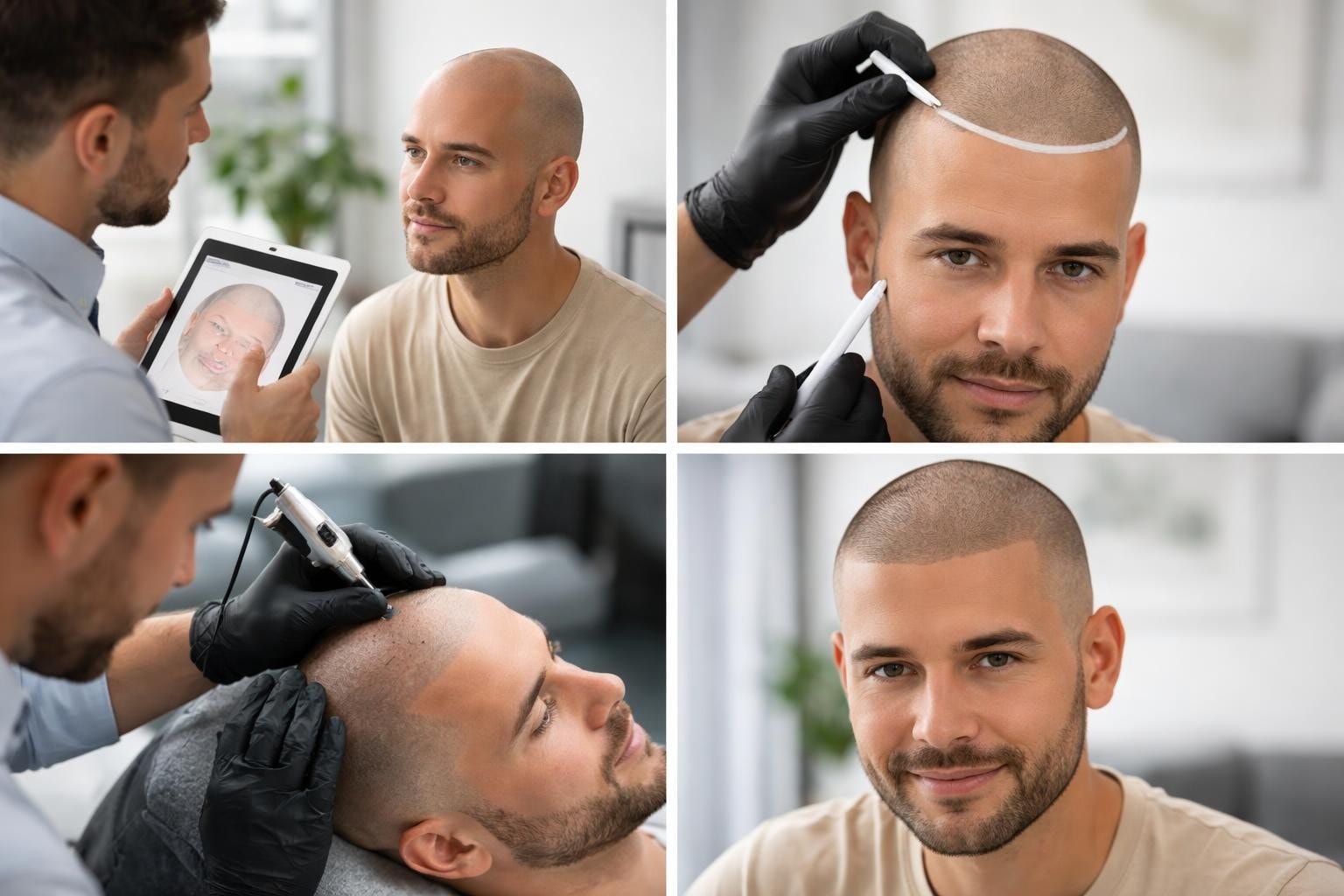
Understanding what to expect during your scalp micro pigmentation journey helps reduce anxiety and ensures optimal preparation. The process typically unfolds across multiple appointments, each building upon previous work to create a cohesive, natural appearance.
Initial Consultation and Planning
Your first appointment establishes the foundation for successful treatment. During this session, practitioners assess your scalp condition, discuss desired outcomes, and develop a customized treatment plan. Key consultation elements include:
- Scalp examination and skin tone analysis
- Hairline design and density planning
- Pigment color selection and testing
- Medical history review
- Photography for progress documentation
The practitioner will create a proposed hairline design, considering factors like facial structure, age, and personal preferences. This collaborative process ensures the final result aligns with your aesthetic goals.
Session Structure and Timeline
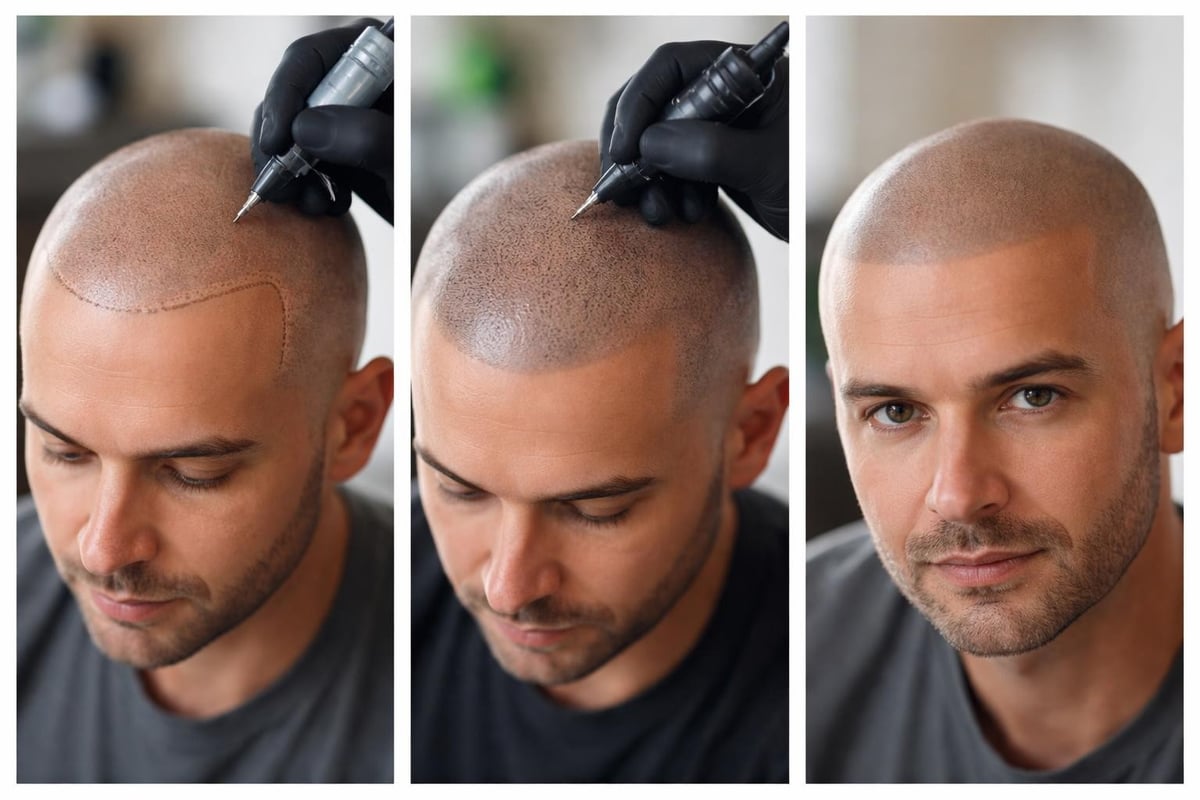
Most clients require two to four sessions spaced several weeks apart. This staged approach allows for proper healing between treatments and enables gradual density building.
Session One: Establishes the hairline framework and initial coverage pattern. The practitioner focuses on creating a natural edge and setting the foundation for subsequent sessions.
Session Two: Builds density and refines the overall appearance. Additional dots fill gaps and create a more cohesive look.
Session Three: Final adjustments and perfecting. The practitioner addresses any areas requiring additional density or color refinement.
Each session typically lasts between two to four hours, depending on the treatment area size. Clients experience minimal discomfort, often described as a light scratching sensation.
Aftercare and Long-Term Maintenance
Proper aftercare significantly impacts both immediate healing and long-term results. Following your practitioner's specific instructions ensures optimal pigment retention and prevents complications.
Immediate Post-Treatment Care
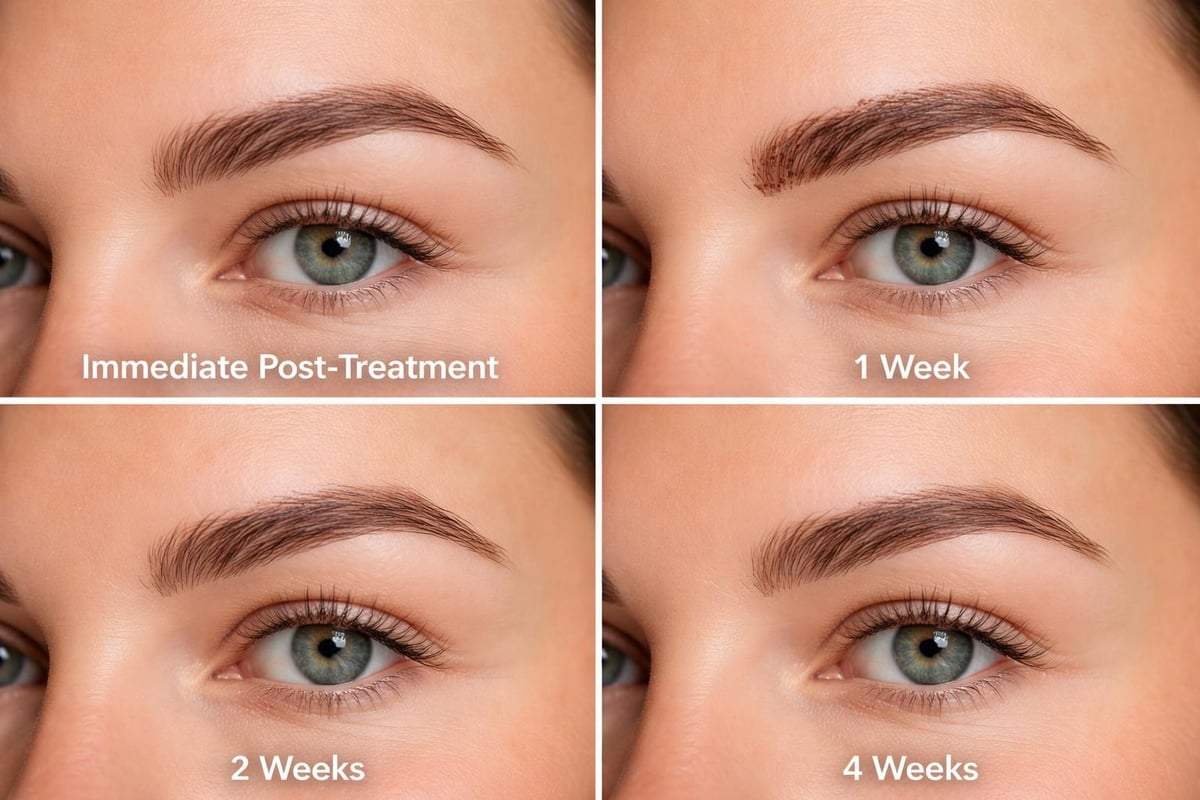
The first week following each session requires particular attention. Your scalp needs protection as it heals and the pigment settles into place.
During the initial four days:
- Keep the treated area dry
- Avoid direct sun exposure
- Refrain from heavy exercise or sweating
- Do not scratch or pick at the treated area
- Sleep with head elevated on clean pillowcases
After the initial healing period, you can gradually resume normal activities. However, some precautions remain important for the first month following treatment.
Long-Term Maintenance Requirements
Scalp micro pigmentation is considered semi-permanent, typically lasting three to five years before requiring touch-ups. Several factors influence longevity:
| Factor | Impact on Longevity | Management Strategy |
|---|---|---|
| Sun exposure | Accelerates fading | Use SPF protection |
| Skin type | Oily skin fades faster | Regular touch-ups |
| Aftercare compliance | Direct correlation | Follow protocols |
| Pigment quality | Higher quality lasts longer | Choose reputable clinics |
Annual or biennial touch-up sessions maintain the fresh appearance of your treatment. These maintenance appointments are typically shorter and less intensive than initial sessions, focusing on refreshing faded areas and maintaining density.
The comprehensive understanding of scalp micropigmentation as a non-surgical alternative highlights the importance of proper maintenance for sustained results.
Cost Considerations and Value Assessment
Investing in scalp micro pigmentation requires understanding both the financial commitment and the value received. Pricing varies significantly based on geographic location, practitioner experience, and treatment scope.
Pricing Structure and Factors
Several elements influence the total cost of your treatment:
- Treatment area size: Full head coverage costs more than hairline work
- Session number: More sessions increase total investment
- Practitioner expertise: Experienced specialists command premium rates
- Geographic location: Urban clinics typically charge more than rural providers
- Clinic reputation: Established facilities with proven results may have higher fees
Most complete treatments range from €1,500 to €4,000, with touch-up sessions costing €200 to €500. While this represents a significant investment, many clients find the confidence boost and daily convenience justify the expense.
When you choose a specialist for this procedure, you're investing in both technical skill and artistic vision. Professional clinics offering scalp micropigmentation services provide detailed pricing information during consultations, ensuring transparency before you commit to treatment.
Comparing Alternatives and Long-Term Value
Evaluating scalp micro pigmentation against other hair loss solutions provides perspective on its relative value. Unlike hair transplant surgery, this procedure requires no recovery time and presents minimal risk. Compared to lifelong medication regimens, the one-time cost with occasional touch-ups often proves more economical over decades.
The psychological benefits also factor into value assessment. Many clients report improved confidence, reduced anxiety about appearance, and simplified daily routines. These quality-of-life improvements, while difficult to quantify financially, represent significant value for those struggling with hair loss concerns.
Potential Risks and How to Minimize Them
Like any cosmetic procedure, scalp micro pigmentation carries some risks. Understanding potential complications and selecting qualified practitioners minimizes these concerns.
Common Side Effects and Complications
Most side effects are temporary and resolve during the normal healing process:
- Redness and mild swelling immediately following treatment
- Light scabbing during the first week
- Temporary skin sensitivity in treated areas
- Minor pigment fading as the scalp heals
Serious complications are rare when proper protocols are followed. However, potential issues include:
- Infection: Prevented through sterile technique and proper aftercare
- Allergic reaction: Mitigated by patch testing before full treatment
- Uneven pigment distribution: Avoided through experienced application
- Color mismatch: Prevented by proper color selection and testing
Choosing Qualified Practitioners
Your practitioner selection significantly impacts both results and safety. Verify credentials, review portfolios, and ask about training and experience. Reputable providers maintain strict hygiene standards, use quality pigments, and provide comprehensive aftercare instructions.
Questions to ask during consultations include:
- How many procedures have you performed?
- Can I see before-and-after photos of previous clients?
- What pigment brands do you use?
- How do you handle complications if they arise?
- What does your aftercare support include?
Resources like detailed guides on the procedure can help you understand what questions to ask and what standards to expect from qualified practitioners.
Scalp Micro Pigmentation for Scar Camouflage
Beyond addressing hair loss, this technique effectively conceals various types of scalp scarring. Burn scars, surgical scars from hair transplants, and injury-related marks all respond well to targeted pigment application.
Scar Treatment Techniques
Treating scars requires modified approaches compared to standard hair loss applications. Scar tissue differs in texture and pigment absorption characteristics, necessitating adjusted techniques:
Color matching: Scars often have different undertones than surrounding skin, requiring custom pigment blending to achieve seamless integration.
Density variation: Creating gradual transitions between scarred and non-scarred areas prevents obvious demarcation lines.
Texture consideration: Raised or depressed scars may require multiple sessions and specialized application angles to achieve even coverage.
Hair transplant scars present a particularly common application. The linear scars from strip harvesting or the small circular scars from follicular unit extraction both respond excellently to strategic pigment placement. Many patients combine scar camouflage with broader density enhancement for comprehensive aesthetic improvement.
Addressing Common Misconceptions
Several myths about scalp micro pigmentation persist despite growing awareness of the procedure. Clarifying these misconceptions helps potential clients make informed decisions.
Myth versus Reality
Myth: The procedure looks like obvious tattooing or permanent marker on the scalp.
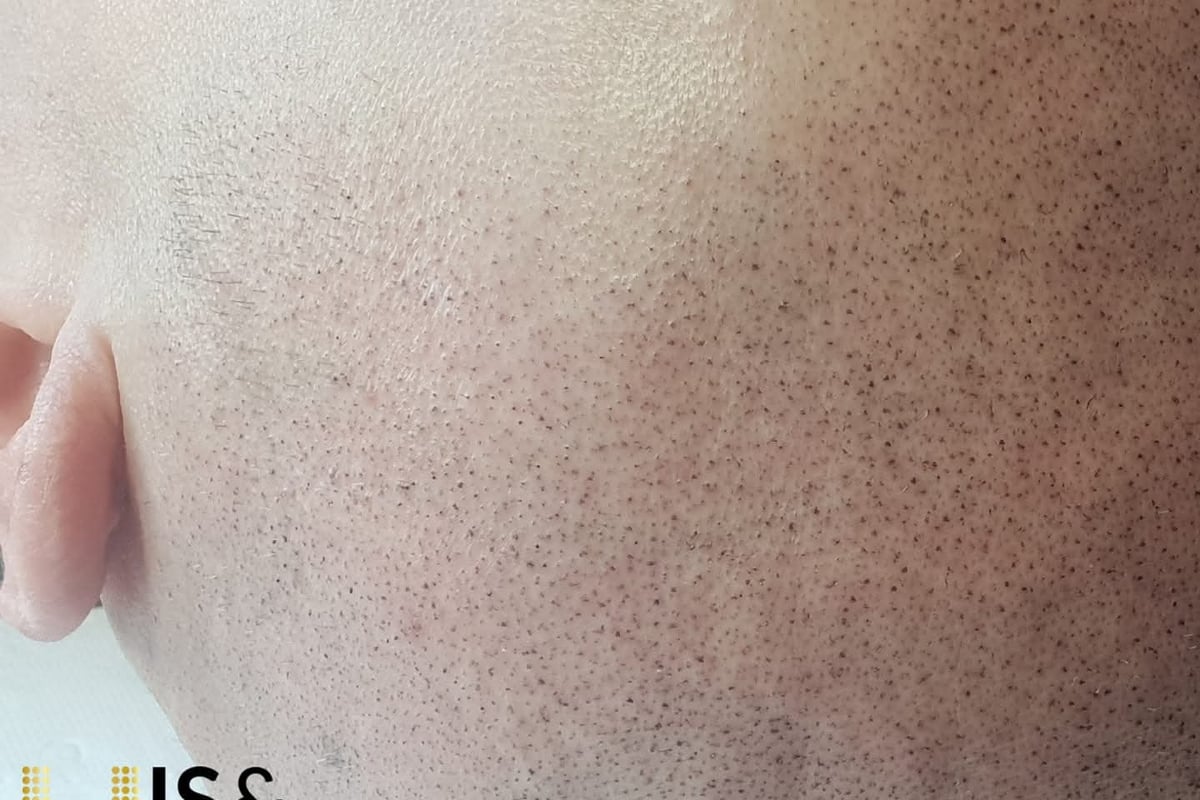
Reality: When performed correctly using appropriate techniques and pigments, results appear remarkably natural. The microscopic dot size and strategic placement create a three-dimensional appearance that mimics real follicles.
Myth: Results last forever without any fading or maintenance needs.
Reality: While long-lasting, scalp micro pigmentation gradually fades over three to five years, requiring periodic touch-ups to maintain optimal appearance.
Myth: The treatment works only for completely bald individuals.
Reality: The procedure benefits people at all stages of hair loss, from slight thinning to complete baldness. It can add density between existing hairs or create the appearance of a full shaved head.
Myth: Pain levels are severe and require general anesthesia.
Reality: Most clients tolerate the procedure well with minimal or no numbing agents. Discomfort is typically described as mild and manageable.
Information from professional clinics helps dispel these myths through transparent communication about realistic expectations and outcomes.
Removal and Correction Options
While most clients remain satisfied with their results, circumstances occasionally arise requiring removal or correction. Understanding available options provides reassurance before committing to treatment.
Laser Removal Techniques
Similar to traditional tattoo removal, laser technology can lighten or remove scalp micropigmentation. The process typically requires multiple sessions and works more effectively on some pigment colors than others. Specialized approaches to removal have developed as the industry has matured.
Reasons for removal include:
- Dissatisfaction with hairline design or density
- Desire to grow natural hair after successful medical treatment
- Color changes requiring complete restart
- Life circumstances making the look no longer appropriate
Correction Without Removal
Many concerns can be addressed through correction sessions rather than complete removal. Color adjustments, density modifications, and hairline refinements often solve issues without starting over entirely.
Experienced practitioners can:
- Lighten overly dark pigmentation through dilution techniques
- Adjust hairlines that appear too low, high, or unnaturally shaped
- Blend uneven areas for more consistent appearance
- Add or reduce density in specific zones
Combining with Other Hair Restoration Approaches
Scalp micro pigmentation works synergistically with various hair restoration methods, enhancing results beyond what single treatments achieve alone.
Complementary Treatments
Hair transplant enhancement: Adding density between transplanted follicles creates the appearance of fuller coverage. The pigmentation also camouflages any visible scarring from the procedure.
Medication therapy: Clients using finasteride or minoxidil can use scalp micro pigmentation to create immediate visible improvement while waiting for medication effects to manifest.
Hair systems: Some individuals use pigmentation to create a more natural-looking hairline or part when wearing wigs or hairpieces.
The flexibility of this approach allows customization based on individual circumstances, budget, and hair restoration goals. Discussing your complete hair loss strategy with qualified practitioners ensures all chosen methods work harmoniously rather than competing or conflicting.
Industry Standards and Regulatory Landscape
The scalp micro pigmentation field continues evolving with developing standards and best practices. Understanding the current regulatory environment helps clients make informed provider selections.
Professional Organizations and Certification
Several organizations now offer specialized training and certification in scalp micropigmentation techniques. While not universally required, these credentials indicate commitment to professional standards and ongoing education.
Reputable practitioners typically:
- Complete comprehensive training programs
- Maintain active memberships in professional organizations
- Participate in continuing education
- Follow established health and safety protocols
- Carry appropriate insurance coverage
The regulatory landscape varies by location. Some regions classify the procedure under cosmetic tattooing regulations, while others maintain separate standards. Clients should verify their chosen practitioner operates within all applicable legal frameworks.
Client Success Stories and Realistic Expectations
Understanding typical outcomes helps set appropriate expectations. While results vary based on individual factors, most clients experience significant improvement in appearance and confidence.
Measuring Success
Success metrics extend beyond purely aesthetic considerations:
- Natural appearance: Results blend seamlessly with existing hair or create realistic shaved look
- Longevity: Pigment retention matches expected timelines
- Client satisfaction: Improved confidence and reduced hair loss anxiety
- Minimal complications: Smooth healing without infection or adverse reactions
Viewing portfolio examples from your chosen practitioner provides insight into their typical results. Pay attention to cases similar to your situation, noting hairline design, density levels, and overall naturalness.
Staying connected with ongoing developments in the field through resources available at industry websites ensures you remain informed about new techniques and best practices as the technology continues advancing.
Scalp micro pigmentation offers a proven, effective solution for individuals seeking to address hair loss without surgery or ongoing medication. By understanding the procedure, selecting qualified practitioners, and maintaining realistic expectations, you can achieve natural-looking results that restore confidence and simplify daily life. Whether you're exploring options for the first time or ready to schedule your consultation, HIS&HERS Micropigmentation Clinic provides the expertise and personalized care needed to achieve your aesthetic goals through this transformative treatment.
Leave a Reply