

Scalp Follicles: Structure, Health, and Restoration
Understanding the intricate biology of scalp follicles is essential for anyone dealing with hair loss, working in aesthetic medicine, or seeking solutions for thinning hair. These microscopic structures serve as the foundation for hair growth, housing complex mechanisms that determine everything from hair thickness to growth cycles. When scalp follicles function optimally, they produce healthy, robust hair. However, various factors can disrupt their performance, leading to conditions ranging from temporary shedding to permanent hair loss. This comprehensive guide explores the anatomy, function, common disorders, and modern treatment approaches for maintaining and restoring healthy scalp follicles.
The Anatomy of Scalp Follicles
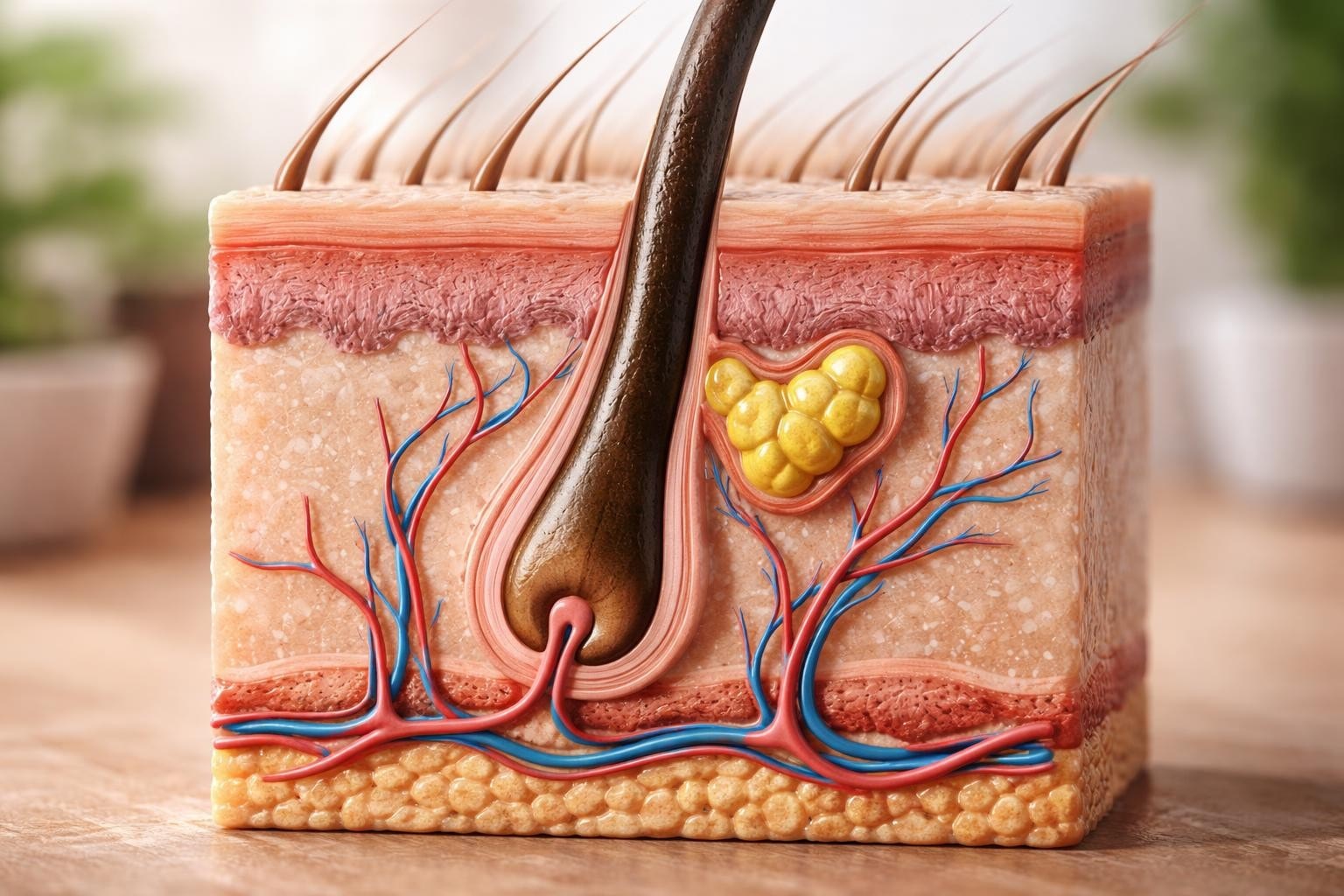
Scalp follicles represent sophisticated biological structures embedded within the dermis layer of the skin. Each follicle consists of multiple components working in harmony to produce individual hair strands.
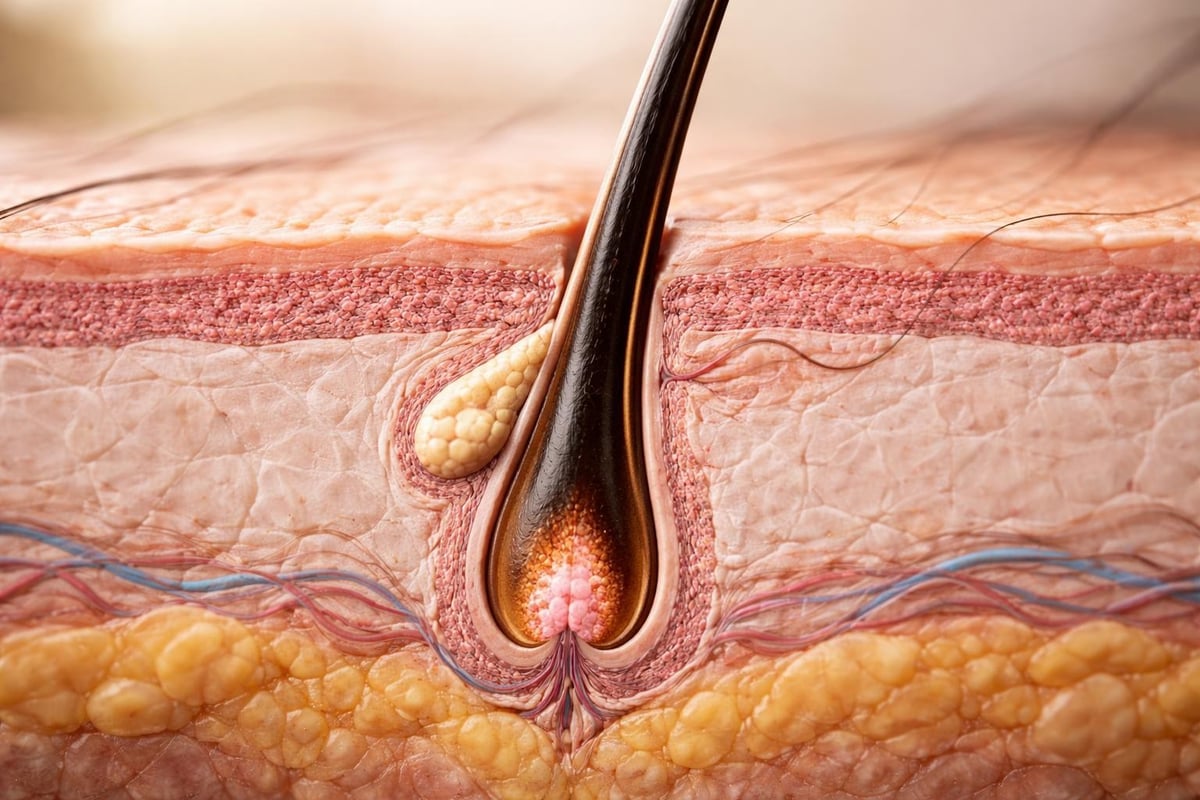
The hair follicle anatomy includes several distinct layers. The outermost layer, known as the dermal sheath, provides structural support and contains blood vessels that nourish the follicle. Within this protective layer sits the outer root sheath, which extends from the skin surface down to the hair bulb. The inner root sheath surrounds the growing hair shaft and helps guide it toward the surface.
The Hair Bulb and Dermal Papilla
At the base of each follicle lies the hair bulb, a rounded structure containing rapidly dividing cells called matrix cells. These cells are responsible for producing the hair shaft itself. The dermal papilla, a small cluster of specialized cells at the very bottom of the bulb, plays a critical role in regulating hair growth by supplying nutrients and growth signals.
Blood vessels within the dermal papilla deliver oxygen and essential nutrients to fuel the intense metabolic activity required for hair production. Any disruption to this blood supply can compromise the follicle’s ability to generate healthy hair.
The Hair Growth Cycle and Follicle Function
Scalp follicles don’t produce hair continuously. Instead, they follow a precisely regulated cycle consisting of three distinct phases.
Anagen Phase
The anagen phase represents the active growth period, lasting between two to seven years for scalp follicles. During this time, matrix cells in the hair bulb divide rapidly, pushing the hair shaft upward through the follicle. Approximately 85-90% of scalp follicles remain in this phase at any given time.
The duration of the anagen phase determines the maximum length hair can achieve. Individuals with longer anagen phases can grow their hair significantly longer than those with shorter cycles.
Catagen and Telogen Phases
Following the anagen phase, scalp follicles enter a brief transitional period called catagen, lasting about two to three weeks. During catagen, cell division ceases, and the follicle begins to shrink.
The final phase, telogen, is a resting period lasting approximately three months. The hair shaft remains in place but is no longer actively growing. Eventually, the follicle re-enters the anagen phase, and a new hair begins to form, pushing out the old shaft.
| Growth Phase | Duration | Characteristics | Percentage of Follicles |
|---|---|---|---|
| Anagen | 2-7 years | Active growth | 85-90% |
| Catagen | 2-3 weeks | Transition | 1-2% |
| Telogen | 3 months | Resting | 10-15% |
Common Disorders Affecting Scalp Follicles
Numerous conditions can compromise the health and function of scalp follicles, leading to various forms of hair loss or scalp irritation.
Folliculitis and Inflammation
Folliculitis occurs when scalp follicles become inflamed, typically due to bacterial or fungal infection. This condition manifests as small red bumps or pustules around hair follicles, often accompanied by itching or tenderness.
Several factors increase the risk of folliculitis:
- Excessive sweating or oil production
- Tight headwear that traps moisture
- Shaving or other forms of hair removal
- Compromised immune function
- Hot, humid environments
Folliculitis decalvans represents a more severe form that can lead to permanent scarring and hair loss. This chronic condition requires aggressive treatment to prevent progressive follicle destruction.
Androgenetic Alopecia
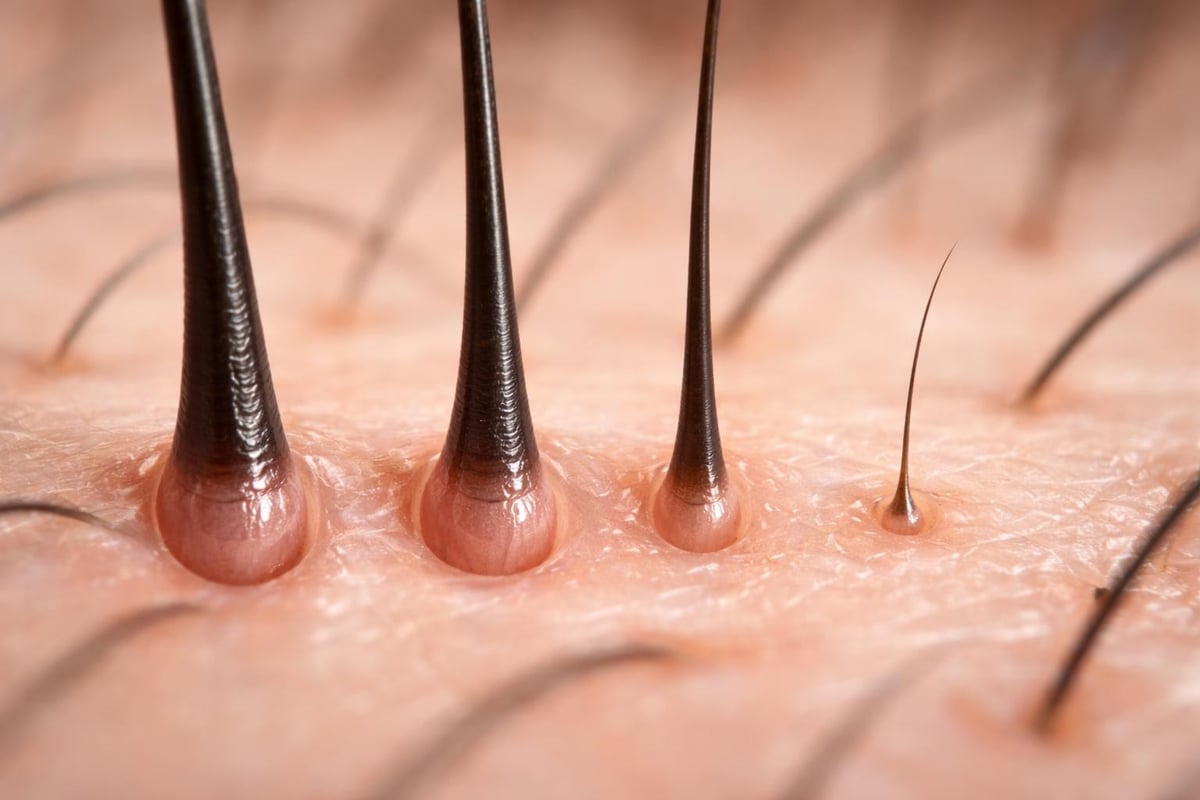
The most common form of hair loss, androgenetic alopecia affects both men and women through a process called follicle miniaturization. Sensitivity to dihydrotestosterone (DHT) causes affected scalp follicles to gradually shrink over successive growth cycles.
Miniaturized follicles produce progressively thinner, shorter hairs until they eventually become too small to produce visible hair shafts. This process typically follows predictable patterns, affecting the hairline and crown in men while causing diffuse thinning across the top of the scalp in women.
Factors Influencing Scalp Follicle Health
Multiple internal and external factors determine whether scalp follicles can function optimally throughout their lifecycle.
Nutritional Requirements
Scalp follicles require specific nutrients to maintain healthy growth cycles. Protein serves as the primary building block for hair, while iron supports oxygen delivery to follicle cells. Biotin, zinc, and vitamins A, C, D, and E all play essential roles in follicle metabolism and hair shaft formation.
Deficiencies in any of these nutrients can disrupt normal follicle function, leading to increased shedding, slower growth rates, or changes in hair texture and quality.
Hormonal Influences
Hormones exert powerful effects on scalp follicles throughout life. Androgens, thyroid hormones, and growth factors all modulate follicle activity. Hormonal imbalances associated with conditions like polycystic ovary syndrome, thyroid disorders, or menopause can significantly impact hair growth patterns.
The microscopic anatomy of follicular units reveals how arrector pili muscles connect to follicles, responding to hormonal and neural signals that affect hair positioning and sebum distribution.
Environmental and Lifestyle Factors
External stressors can compromise scalp follicle health:
- UV radiation exposure damages follicle cells and can accelerate aging
- Chemical treatments from hair dyes or relaxers may irritate follicles
- Mechanical stress from tight hairstyles causes traction alopecia
- Chronic stress disrupts growth cycles and can trigger telogen effluvium
- Poor scalp hygiene allows buildup that clogs follicles
Modern Approaches to Scalp Follicle Assessment
Accurately evaluating scalp follicle health requires specialized techniques and tools used by dermatologists and hair restoration specialists.
Trichoscopy
This non-invasive diagnostic method uses dermoscopy to examine scalp follicles at high magnification. Practitioners can identify follicle density, hair shaft diameter variations, scalp inflammation, and signs of miniaturization without requiring a biopsy.
Scalp Biopsy
When more detailed information is needed, a scalp biopsy allows histological examination of follicle structure and surrounding tissue. This procedure can definitively diagnose conditions like scarring alopecia, lichen planopilaris, or unusual inflammatory disorders affecting scalp follicles.
Pull Test and Hair Count
Simple clinical assessments include the pull test, where gentle traction on hair shafts reveals excessive shedding, and standardized hair counts that measure follicle density in specific scalp regions. These basic tools help track changes over time and assess treatment effectiveness.
Treatment Strategies for Compromised Scalp Follicles
Modern medicine offers various interventions designed to protect, restore, or enhance the appearance of scalp follicles.
Medical Therapies
Two FDA-approved medications directly target scalp follicles in androgenetic alopecia:
- Minoxidil stimulates follicle activity and prolongs the anagen phase
- Finasteride blocks DHT conversion, reducing hormonal follicle miniaturization
- Low-level laser therapy may increase cellular energy production in follicles
- Platelet-rich plasma delivers growth factors to stimulate dormant follicles
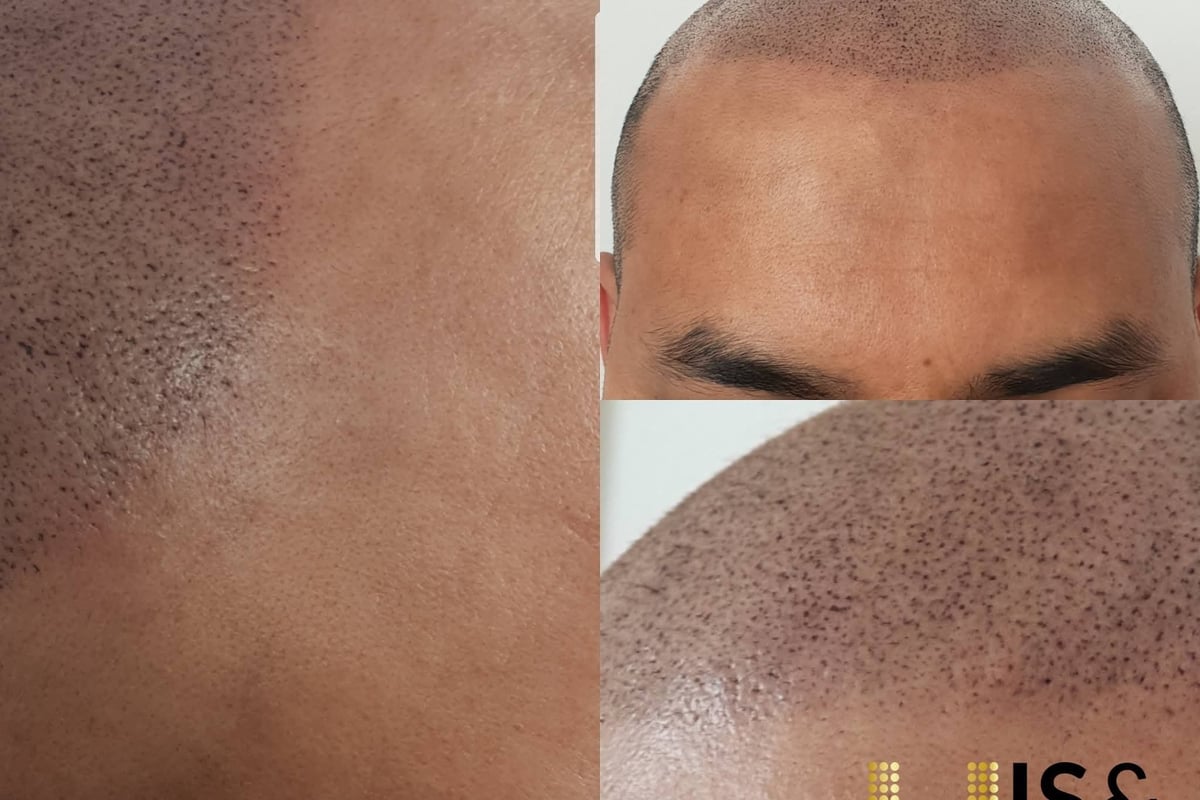
- Scalp Micropigmentation– visually imitated follicles reduce visibility of alopecia
Addressing Inflammatory Conditions
Treating scalp folliculitis often requires antimicrobial agents, either topical or systemic, depending on severity. Maintaining proper scalp hygiene and avoiding irritating products helps prevent recurrence.
Anti-inflammatory medications, including topical corticosteroids or immunomodulators, may be necessary for autoimmune conditions affecting scalp follicles.
| Treatment Type | Mechanism | Best For | Timeline |
|---|---|---|---|
| Minoxidil | Prolongs anagen phase | Pattern hair loss | 4-6 months |
| Finasteride | Blocks DHT | Male pattern baldness | 3-6 months |
| PRP | Growth factor delivery | Various causes | 3-4 months |
| Antibiotics | Eliminates infection | Folliculitis | 1-2 weeks |
| Scalp Micropigmentation | Areas blended with pigment | All types of hair loss | 1 month |
Aesthetic Solutions for Scalp Follicle Loss
When medical treatments cannot fully restore natural hair growth, aesthetic procedures offer alternatives that create the appearance of healthy scalp follicles.
For individuals experiencing permanent follicle loss, modern cosmetic solutions provide remarkably natural-looking results. Scalp micropigmentation creates the appearance of thousands of hair follicles by depositing pigment into the scalp, mimicking the natural look of a closely shaved head or adding density to thinning areas. This innovative approach helps those with compromised scalp follicles regain confidence without surgical intervention.
Hair Transplantation
Surgical hair restoration relocates healthy scalp follicles from donor areas to regions experiencing hair loss. Follicular unit extraction (FUE) and follicular unit transplantation (FUT) both move viable follicles to create natural-looking density improvements.
Success depends on adequate donor follicle availability and proper graft placement to ensure blood supply reaches transplanted follicles.
Preventive Care for Scalp Follicle Longevity
Proactive measures can help maintain scalp follicle health throughout life, potentially delaying or minimizing age-related changes.
Optimal Scalp Care Practices
Regular cleansing removes sebum, dead skin cells, and product buildup that can interfere with follicle function. However, over-washing strips natural oils that protect both scalp and follicles.
Choose gentle, pH-balanced cleansers appropriate for your scalp type. Those with oily scalps may need more frequent washing, while dry scalps benefit from less frequent cleansing and moisturizing treatments.
Protective Styling and Handling
Minimizing mechanical stress on scalp follicles prevents traction-related damage:
- Avoid consistently tight ponytails, braids, or buns
- Use wide-toothed combs to reduce pulling
- Pat hair dry rather than aggressive rubbing
- Limit heat styling that can weaken hair at the follicle
- Rotate hairstyles to distribute tension differently
Nutritional Support
Maintaining adequate intake of follicle-supporting nutrients helps ensure optimal function:
- Consume sufficient protein from varied sources
- Include iron-rich foods or supplements if deficient
- Ensure adequate vitamin D levels through sun exposure or supplementation
- Consider biotin supplementation if dietary intake is low
- Stay hydrated to support cellular processes in follicles
The Future of Scalp Follicle Research
Emerging technologies promise new approaches to understanding and treating scalp follicle disorders.
Stem Cell Therapies
Research into follicle stem cells may eventually allow generation of new follicles in areas of permanent hair loss. These specialized cells, located in the bulge region of existing follicles, possess the ability to regenerate follicle structures under the right conditions.
Genetic Interventions
As scientists identify specific genes controlling follicle miniaturization and growth cycles, targeted therapies may emerge that address the root causes of follicle dysfunction at the molecular level.
Advanced Biomaterials
Tissue engineering approaches using scaffolds and growth factors aim to create environments that support new follicle formation or reactivate dormant follicles that have ceased producing terminal hairs.
Professional Assessment and Personalized Treatment
Given the complexity of scalp follicle biology and the variety of conditions that can affect these structures, professional evaluation provides the foundation for effective treatment.
Qualified practitioners can distinguish between temporary follicle disruption and permanent damage, identify underlying causes of follicle dysfunction, and recommend evidence-based interventions appropriate for individual circumstances.
Early intervention often yields better outcomes, as some follicle damage becomes irreversible if left untreated. Regular monitoring allows practitioners to adjust treatment plans based on follicle response and changing patient needs.
Understanding scalp follicle anatomy, function, and common disorders empowers individuals to make informed decisions about their hair health and available treatment options. Whether you’re dealing with temporary follicle inflammation, progressive miniaturization, or permanent follicle loss, modern solutions ranging from medical therapies to aesthetic procedures like hair tattoo can help address your specific concerns. At HIS&HERS Micropigmentation Clinic, our experienced team specializes in scalp micropigmentation and other treatments designed to restore the appearance of healthy follicles, helping clients regain their confidence with natural-looking results. Hairloss become thing of the past immediately. Contact us today to discover how we can help you achieve your aesthetic goals.
Scalp.ie

Leave a Reply