
Natural Way to Hair Regrowth: Science-Backed Methods
Hair loss affects millions of people worldwide, prompting many to seek solutions that work with their body's natural processes rather than relying solely on pharmaceutical interventions. Understanding the natural way to hair regrowth involves exploring scientifically-supported methods that address the root causes of hair thinning while promoting optimal scalp health. From nutritional interventions to targeted scalp treatments, natural approaches offer promising results for those experiencing hair loss, whether from genetics, stress, hormonal changes, or environmental factors.
Understanding the Hair Growth Cycle
Before exploring natural regrowth methods, it's essential to understand how hair naturally grows and why it falls out. The hair growth cycle consists of three distinct phases that determine the health and longevity of each strand.
The Three Phases of Hair Growth
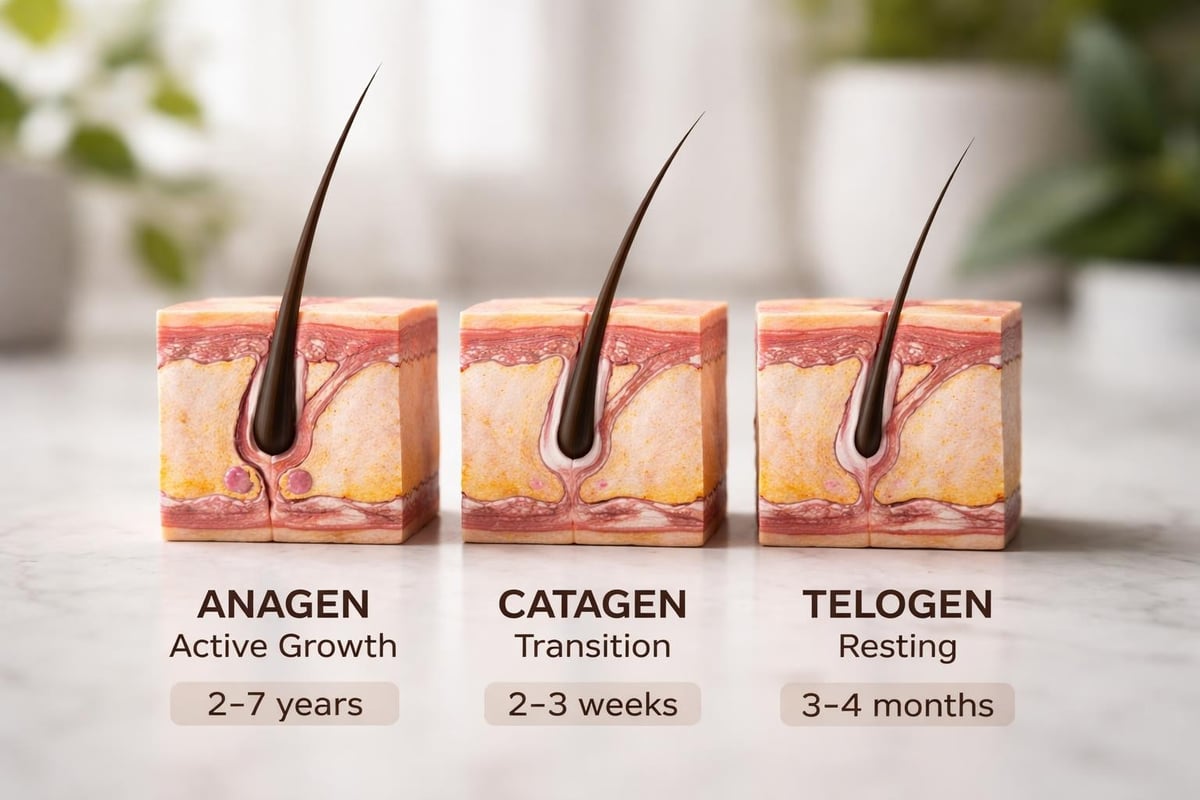
The anagen phase represents active growth, lasting between two to seven years depending on genetics and health factors. During this period, hair follicles are deeply rooted and produce new cells that push the hair shaft upward. The catagen phase is a transitional period lasting about two to three weeks when growth stops and the follicle shrinks. Finally, the telogen phase is a resting period of approximately three months before the hair falls out and the cycle begins again.
Key factors affecting this cycle include:
- Hormonal fluctuations and imbalances
- Nutritional deficiencies and dietary patterns
- Stress levels and cortisol production
- Age-related changes in follicle function
- Environmental toxins and scalp health
Understanding these phases helps explain why hair follicle regrowth requires patience and consistent intervention. Most natural methods work by extending the anagen phase, shortening the telogen phase, or improving the overall health of follicles during transition periods.
Nutritional Foundations for Natural Hair Regrowth
Diet plays a fundamental role in supporting the natural way to hair regrowth. Hair follicles require specific nutrients to function optimally, and deficiencies can directly contribute to thinning and loss.
Essential Nutrients for Hair Health
Protein serves as the building block of hair, with each strand composed primarily of keratin. Consuming adequate high-quality protein from sources like fish, eggs, legumes, and lean meats provides the amino acids necessary for hair production. Iron deficiency ranks among the most common nutritional causes of hair loss, particularly in women, making iron-rich foods like spinach, red meat, and lentils crucial for maintaining healthy growth cycles.
Biotin, a B-vitamin, has gained recognition for its role in hair health. While severe deficiency is rare, supplementation has shown benefits for those with thinning hair. Vitamin D receptors in hair follicles suggest this nutrient plays a regulatory role, and research indicates vitamin D deficiency correlates with hair loss conditions.
| Nutrient | Daily Recommendation | Food Sources | Hair Benefit |
|---|---|---|---|
| Protein | 0.8g per kg body weight | Fish, eggs, legumes, poultry | Keratin production |
| Iron | 18mg (women), 8mg (men) | Spinach, red meat, lentils | Oxygen delivery to follicles |
| Biotin | 30-100mcg | Eggs, nuts, sweet potatoes | Keratin infrastructure |
| Vitamin D | 600-800 IU | Fatty fish, fortified foods | Follicle cycling regulation |
| Omega-3 fatty acids | 250-500mg EPA/DHA | Salmon, walnuts, flaxseed | Anti-inflammatory effects |
Zinc supports protein synthesis and cell division, both critical for hair growth. Oysters, beef, pumpkin seeds, and cashews provide excellent zinc sources. Vitamin E acts as an antioxidant that may help reduce oxidative stress on the scalp, potentially supporting the natural way to hair regrowth through improved follicle environment.
Dietary Patterns That Support Regrowth
Beyond individual nutrients, overall dietary patterns influence hair health. Mediterranean-style eating patterns rich in vegetables, fruits, whole grains, and healthy fats have been associated with reduced hair loss risk. These diets provide abundant antioxidants that combat free radical damage to follicles while delivering comprehensive micronutrient profiles.
Reducing processed foods, excess sugar, and inflammatory oils supports systemic health improvements that benefit hair follicles. Blood sugar regulation affects hormone balance, which directly impacts hair growth cycles. Hydration also matters significantly, as dehydrated follicles cannot function optimally.
Topical Natural Treatments for Hair Regrowth
External applications of natural substances represent another cornerstone of the natural way to hair regrowth. Various oils, extracts, and botanical preparations have demonstrated efficacy in clinical studies and traditional use.
Essential Oils and Carrier Oils
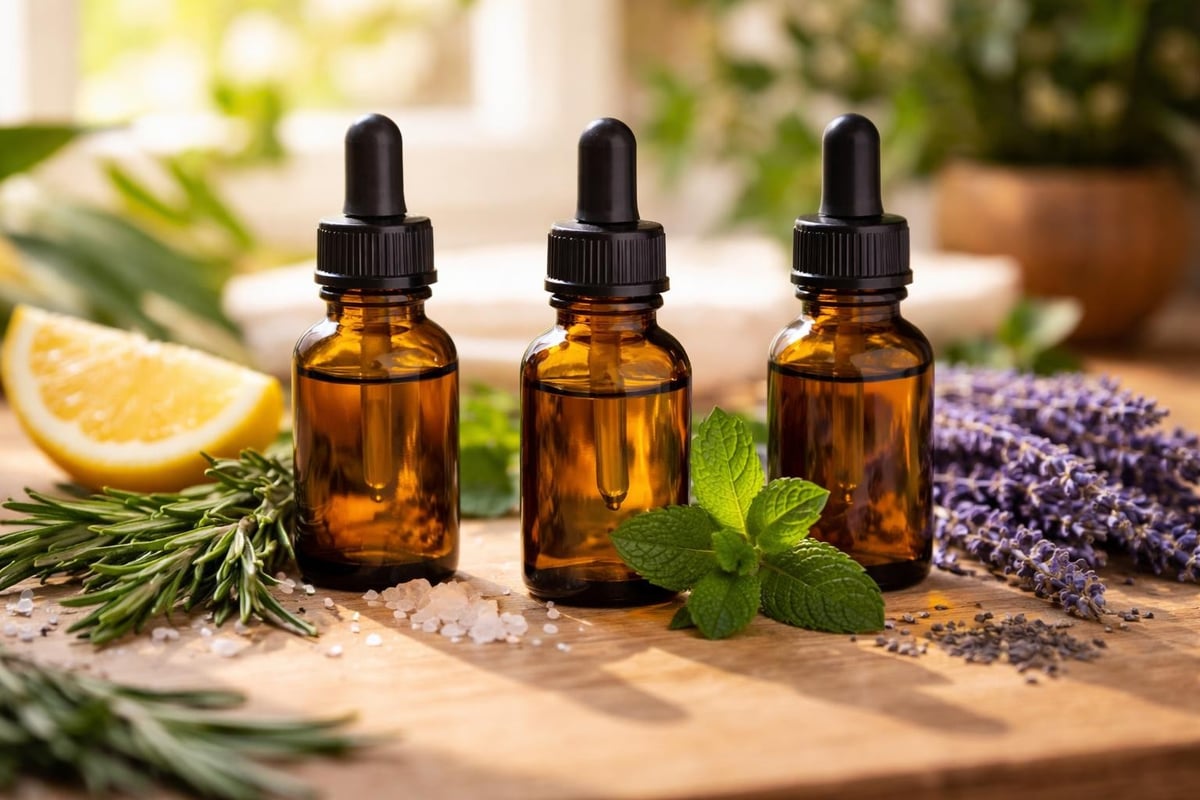
Rosemary oil has emerged as one of the most studied essential oils for hair regrowth. A 2015 study found rosemary oil performed comparably to 2% minoxidil after six months of use, with fewer side effects like scalp itching. The oil appears to improve circulation and may have anti-inflammatory properties that create favorable conditions for growth.
Peppermint oil showed promise in animal studies, increasing the number of follicles and depth of hair growth. Its menthol content creates a cooling sensation that may improve blood flow to the scalp. Lavender oil combines antimicrobial properties with potential growth-promoting effects, making it valuable for scalp health maintenance.
Application protocol for essential oils:
- Dilute 3-5 drops of essential oil in 1 tablespoon of carrier oil
- Apply to scalp and massage gently for 5-10 minutes
- Leave on for at least 30 minutes or overnight
- Wash out with gentle shampoo
- Repeat 2-3 times weekly for optimal results
Carrier oils themselves offer benefits beyond dilution. Coconut oil penetrates the hair shaft to reduce protein loss and strengthen existing hair. Castor oil, rich in ricinoleic acid, has been traditionally used for hair thickening, though scientific evidence remains limited. Jojoba oil closely mimics scalp sebum, helping balance oil production while moisturizing.
Herbal Extracts and Plant-Based Treatments
Plant-based extracts have shown measurable efficacy in preventing hair loss through various mechanisms. Saw palmetto extract may inhibit 5-alpha-reductase, the enzyme that converts testosterone to DHT, a hormone implicated in pattern hair loss. This mechanism mirrors pharmaceutical treatments but with potentially fewer side effects.
Ginseng contains ginsenosides that may promote hair growth by stimulating dermal papilla cells. Green tea extract rich in epigallocatechin gallate (EGCG) has demonstrated hair growth promotion in preliminary research. Aloe vera contains enzymes that may help repair dead skin cells on the scalp while its anti-inflammatory properties soothe irritation.
Onion juice, despite its pungent nature, has shown surprisingly positive results in small studies. Its high sulfur content may boost collagen production, and its antibacterial properties support scalp health. Application twice weekly for at least two months appears necessary for visible results.
Scalp Massage and Physical Stimulation Techniques
Physical manipulation of the scalp represents a simple yet effective component of the natural way to hair regrowth. Regular massage increases blood circulation to follicles, potentially delivering more nutrients and oxygen while removing waste products.
Massage Methodology and Benefits
A 2016 study found participants who performed daily four-minute scalp massages experienced increased hair thickness after 24 weeks. The mechanical stress on follicles may trigger biological responses that promote growth, while increased blood flow delivers essential nutrients.
Proper massage technique involves using fingertips (not nails) to apply gentle but firm pressure in circular motions across the entire scalp. Start at the hairline and work backward, covering all areas including temples and the nape of the neck. Five to ten minutes daily provides optimal stimulation without over-manipulation.
Scalp massage enhancement techniques:
- Use essential oil blends during massage for dual benefits
- Incorporate scalp brushing with soft bristles to stimulate circulation
- Practice inversion therapy by hanging head upside down during massage
- Apply warm oil treatments before massage to improve absorption
- Combine with acupressure points associated with hair growth
Derma-rolling or microneedling represents a more intensive physical stimulation method. Studies suggest 1.5mm needles used weekly may enhance natural hair regrowth by triggering wound-healing responses that stimulate follicle regeneration. This technique should be performed carefully to avoid scalp damage and infection risks.
Lifestyle Modifications That Support Hair Regrowth
Beyond direct treatments, comprehensive lifestyle changes create systemic conditions favorable for the natural way to hair regrowth. Stress management, sleep optimization, and exercise all influence hormonal balance and overall health in ways that impact hair follicles.
Stress Reduction and Hormonal Balance
Chronic stress elevates cortisol levels, which can push hair follicles into the telogen phase prematurely, resulting in increased shedding. Implementing stress-management practices like meditation, yoga, or deep breathing exercises helps maintain hormonal equilibrium conducive to healthy hair growth.
Adequate sleep duration and quality affect growth hormone production, cellular repair, and stress hormone regulation. Adults should aim for seven to nine hours of quality sleep nightly. Poor sleep patterns disrupt these processes and may contribute to hair thinning over time.
Exercise improves circulation throughout the body, including to the scalp, while helping regulate hormones and reduce stress. Moderate aerobic activity for 30 minutes most days of the week provides benefits without the excessive cortisol production associated with overtraining.
Environmental and Chemical Exposure Reduction
Minimizing exposure to harsh chemicals in hair products supports the natural way to hair regrowth. Sulfates, parabens, and silicones can build up on the scalp, potentially clogging follicles and creating inflammation. Switching to gentler, natural hair care products reduces this chemical burden.
Heat styling tools damage existing hair and may affect scalp health when used excessively. Limiting blow drying, flat ironing, and curling to special occasions allows hair to maintain its natural strength and elasticity. When heat styling is necessary, always use protective products and moderate temperature settings.
| Lifestyle Factor | Negative Impact | Positive Alternative |
|---|---|---|
| Chronic stress | Elevated cortisol, premature telogen phase | Daily meditation, yoga, breathing exercises |
| Poor sleep | Disrupted growth hormone, impaired repair | 7-9 hours quality sleep, consistent schedule |
| Sedentary lifestyle | Reduced circulation, hormonal imbalance | 30 minutes moderate exercise 5x weekly |
| Chemical products | Follicle clogging, scalp inflammation | Natural, sulfate-free hair care products |
| Excessive heat styling | Hair damage, scalp stress | Air drying, protective products when needed |
Smoking constricts blood vessels, reducing nutrient delivery to follicles and potentially accelerating hair loss. Quitting smoking provides system-wide health benefits that extend to improved hair growth potential. Similarly, excessive alcohol consumption can interfere with nutrient absorption and hormonal balance.

Complementary Approaches and Alternative Therapies
Traditional medicine systems offer additional perspectives on the natural way to hair regrowth. Ayurvedic and Traditional Chinese Medicine approaches emphasize whole-body balance while addressing hair loss through specific herbs and practices.
Ayurvedic Methods for Hair Regrowth
Ayurveda attributes hair loss to pitta dosha imbalance and recommends cooling herbs like bhringraj, amla, and brahmi. Bhringraj oil, known as "king of herbs for hair," has been used for centuries to promote growth and prevent premature graying. Amla (Indian gooseberry) provides exceptionally high vitamin C content and may strengthen hair while reducing shedding.
Ayurvedic practitioners often recommend ashwagandha for its adaptogenic properties that help manage stress-related hair loss. Regular oil massage with warm coconut or sesame oil infused with Ayurvedic herbs represents a cornerstone practice, combining physical stimulation with herbal benefits.
Traditional Chinese Medicine Perspectives
Chinese medicine views hair health as connected to kidney energy and blood quality. Traditional approaches emphasize herbal formulations that nourish blood and tonify kidney essence. He shou wu (Polygonum multiflorum) ranks among the most renowned Chinese herbs for hair, believed to restore color and promote growth.
Acupuncture targeting specific points may improve blood flow to the scalp and balance hormonal systems affecting hair growth. While scientific evidence remains limited, some practitioners report positive results when acupuncture is combined with other natural approaches. Dietary therapy emphasizing black sesame seeds, walnuts, and seaweed aligns with the principle of nourishing kidney energy and blood.
Modern Natural Alternatives and Clinical Approaches
For individuals seeking solutions beyond home remedies, several modern approaches align with natural principles while offering more immediate visible results. While exploring the natural way to hair regrowth through diet, massage, and topical treatments provides substantial benefits, some situations call for additional interventions.
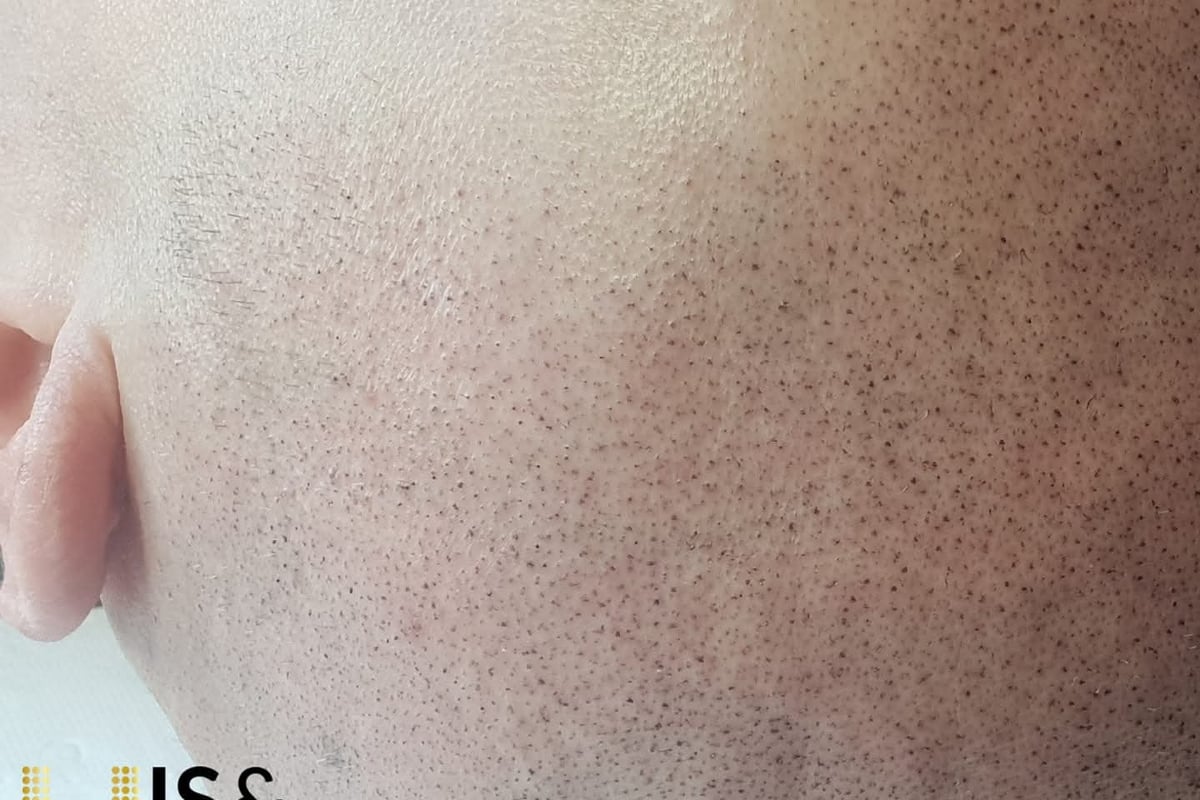
When natural methods have been exhausted or when hair loss has progressed significantly, cosmetic solutions can restore confidence while continuing natural regrowth efforts. Scalp micropigmentation offers a non-surgical approach that creates the appearance of fuller hair density through carefully applied pigmentation techniques that mimic natural hair follicles.
Combining Natural Methods with Professional Solutions
No single approach works universally for everyone experiencing hair loss. The most effective strategy often involves combining multiple natural methods consistently over several months while maintaining realistic expectations about results. Natural hair regrowth requires patience, as the hair growth cycle itself spans months.
Tracking progress through photographs taken in consistent lighting every four to six weeks helps document changes that occur gradually. Measurements of hair density or strand thickness provide objective data about improvement. Keeping a journal noting which methods are being used, dietary changes implemented, and any observable effects helps identify which approaches work best individually.
Effective combination protocol:
- Establish nutritional foundation with balanced diet and targeted supplementation
- Implement daily scalp massage with essential oil blends
- Apply herbal treatments 2-3 times weekly
- Practice stress management and optimize sleep consistently
- Reduce chemical exposure and heat styling
- Monitor progress monthly with photos and measurements
- Adjust protocol based on results after 3-6 months
Professional consultation with a dermatologist or trichologist can help identify underlying causes of hair loss that may require specific interventions. Conditions like thyroid disorders, autoimmune diseases, or severe nutritional deficiencies need medical attention alongside natural supportive measures.
Realistic Expectations and Timeline for Results
Understanding the timeline for natural hair regrowth helps maintain motivation and consistency. Most natural methods require at least three to six months of consistent application before visible results emerge, reflecting the hair growth cycle's inherent duration.
Initial improvements often include reduced shedding rather than immediate new growth. After 8-12 weeks, some individuals notice baby hairs appearing along the hairline or in thinning areas. Significant increases in density and length typically require six months to one year of dedicated effort.
Individual factors dramatically influence results. Age affects follicle responsiveness, with younger individuals generally experiencing faster results. The extent and cause of hair loss matter significantly, as miniaturized follicles respond better than completely dormant ones. Genetic factors influence maximum hair density and growth potential regardless of interventions.
Consistency proves crucial for success with the natural way to hair regrowth. Sporadic application of treatments or irregular adherence to nutritional changes produces limited results. Creating sustainable routines that integrate naturally into daily life improves long-term compliance and outcomes.
Exploring natural methods for hair regrowth provides numerous benefits beyond cosmetic improvements, supporting overall health through better nutrition, stress management, and reduced chemical exposure. While patience and consistency are essential, combining evidence-based natural approaches offers genuine potential for improving hair density and health. For those seeking additional solutions or immediate confidence restoration, HIS&HERS Micropigmentation Clinic offers expert scalp micropigmentation services that complement natural regrowth efforts while providing the appearance of fuller, healthier hair.

Leave a Reply