Natural Way to Hair Growth: Science-Backed Methods
Hair loss affects millions of people worldwide, prompting many to search for effective solutions that work with their body's natural processes. While pharmaceutical interventions exist, an increasing number of individuals are turning toward a natural way to hair growth that emphasizes holistic wellness, nutritional support, and gentle scalp care. Understanding how hair follicles function and what they need to thrive forms the foundation of any successful natural approach. This comprehensive guide explores evidence-based methods that support healthy hair growth without relying on synthetic chemicals or invasive procedures.
Understanding the Hair Growth Cycle
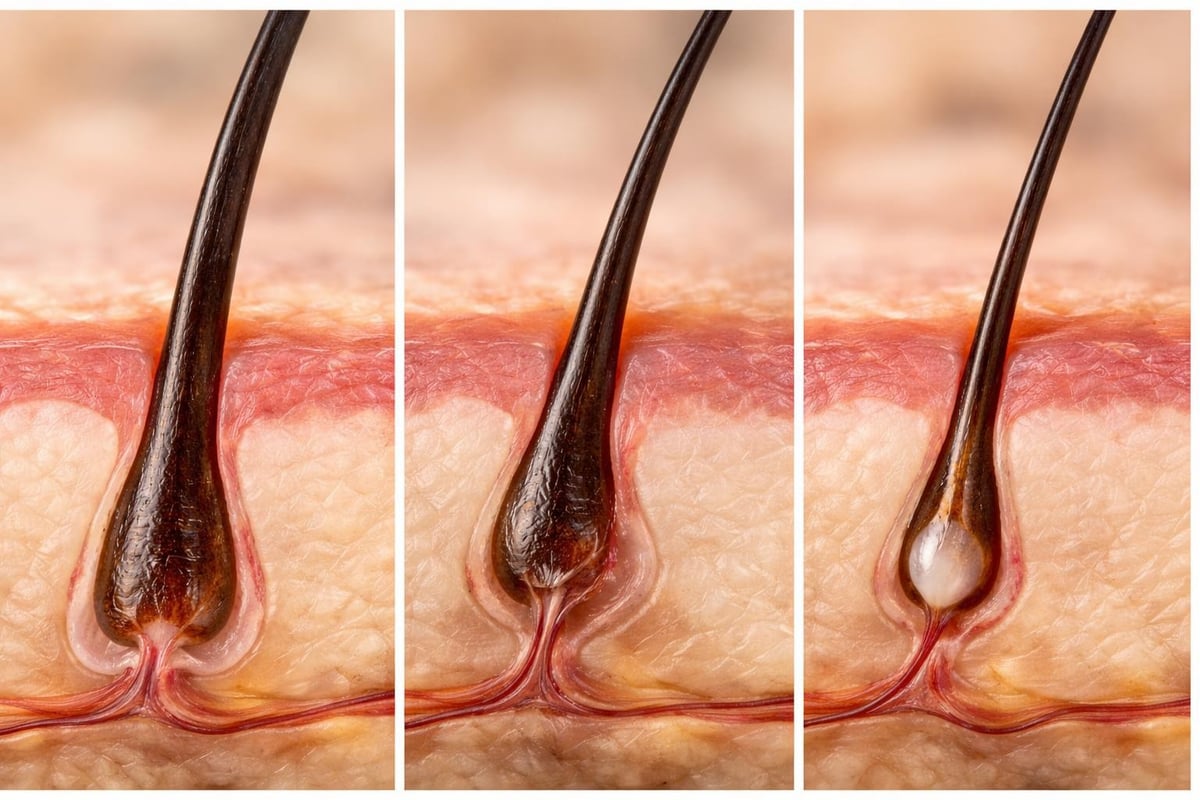
The human hair growth cycle operates in three distinct phases that determine the health and density of your hair. The anagen phase represents active growth, lasting between two to seven years depending on genetics and health factors. During this period, follicles produce new hair cells continuously, pushing the hair shaft upward and outward from the scalp.
The catagen phase serves as a transitional period lasting approximately two to three weeks. Hair growth slows significantly as the follicle begins to shrink and detach from the blood supply. Finally, the telogen phase marks a resting period of about three months before the hair sheds naturally and the cycle restarts.
Factors that influence these phases include:
- Nutritional status and vitamin deficiencies
- Hormonal balance and endocrine function
- Stress levels and cortisol production
- Blood circulation to the scalp
- Genetic predisposition and age
Understanding this cycle helps explain why a natural way to hair growth requires patience and consistency. You cannot rush biology, but you can optimize conditions for each phase to perform at its best.
Nutritional Foundations for Healthy Hair
Your diet directly impacts hair health more than most people realize. Hair follicles are among the most metabolically active tissues in the body, requiring a steady supply of nutrients to function optimally. Protein forms the structural foundation of hair, with each strand composed primarily of keratin, a fibrous protein that requires adequate amino acid intake.
Iron deficiency remains one of the most common nutritional causes of hair loss, particularly among women. This mineral plays a crucial role in producing hemoglobin, which carries oxygen to cells throughout the body, including hair follicles. Without sufficient oxygen delivery, follicles cannot maintain the energy-intensive process of hair production.
| Nutrient | Role in Hair Growth | Food Sources |
|---|---|---|
| Biotin | Keratin production | Eggs, nuts, whole grains |
| Zinc | Tissue repair and growth | Shellfish, legumes, seeds |
| Vitamin D | Follicle cycling | Fatty fish, fortified foods |
| Omega-3 | Scalp health and inflammation | Salmon, flaxseed, walnuts |
| Vitamin E | Antioxidant protection | Almonds, spinach, avocado |
B-complex vitamins support numerous metabolic processes essential for hair growth. According to research on phytochemicals and hair growth mechanisms, plant-based compounds can significantly influence follicle health through multiple pathways. Folate, niacin, and pantothenic acid all contribute to cellular energy production and DNA synthesis within rapidly dividing follicle cells.
Natural Topical Treatments
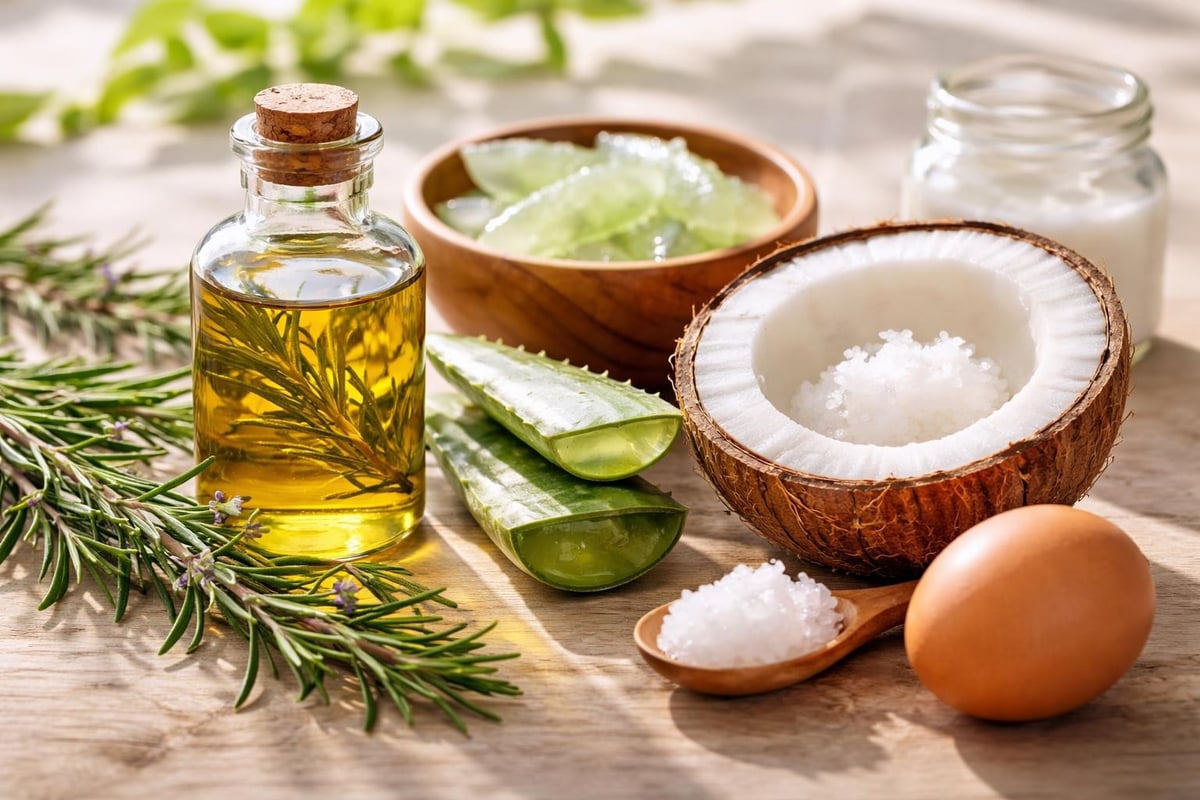
Applying certain natural substances directly to the scalp can stimulate follicles and improve the local environment for hair growth. Rosemary oil has gained substantial scientific backing as an effective natural remedy. Studies demonstrate that rosemary essential oil can perform comparably to minoxidil in promoting hair regrowth when applied consistently over several months.
The mechanism involves improved blood circulation to the scalp and potential anti-inflammatory effects that reduce follicle miniaturization. When using rosemary oil, always dilute it with a carrier oil such as jojoba or coconut oil to prevent skin irritation. A typical ratio combines three to five drops of essential oil per tablespoon of carrier oil.
Peppermint oil represents another promising option for those seeking a natural way to hair growth. This cooling oil increases blood flow to the application area, potentially delivering more nutrients and oxygen to hungry follicles. Natural ingredients that promote hair growth include several other botanical extracts with documented benefits.
Creating Effective Hair Masks
Natural hair masks nourish both the scalp and hair shafts simultaneously. These treatments work best when applied to clean, damp hair and left on for at least thirty minutes to allow nutrient absorption.
A nutrient-rich hair mask recipe:
- Combine two tablespoons of coconut oil with one tablespoon of raw honey
- Add one egg yolk for protein and biotin content
- Mix in five drops of lavender essential oil for scalp health
- Apply from roots to ends, focusing on the scalp
- Cover with a shower cap and leave for thirty to sixty minutes
- Rinse thoroughly with lukewarm water and mild shampoo
Aloe vera gel soothes scalp inflammation while providing vitamins and minerals directly to follicles. Its enzymes help remove dead skin cells that can clog follicles and impede growth. Fresh aloe gel extracted from the plant offers maximum potency compared to commercial preparations.
Scalp Massage and Physical Stimulation
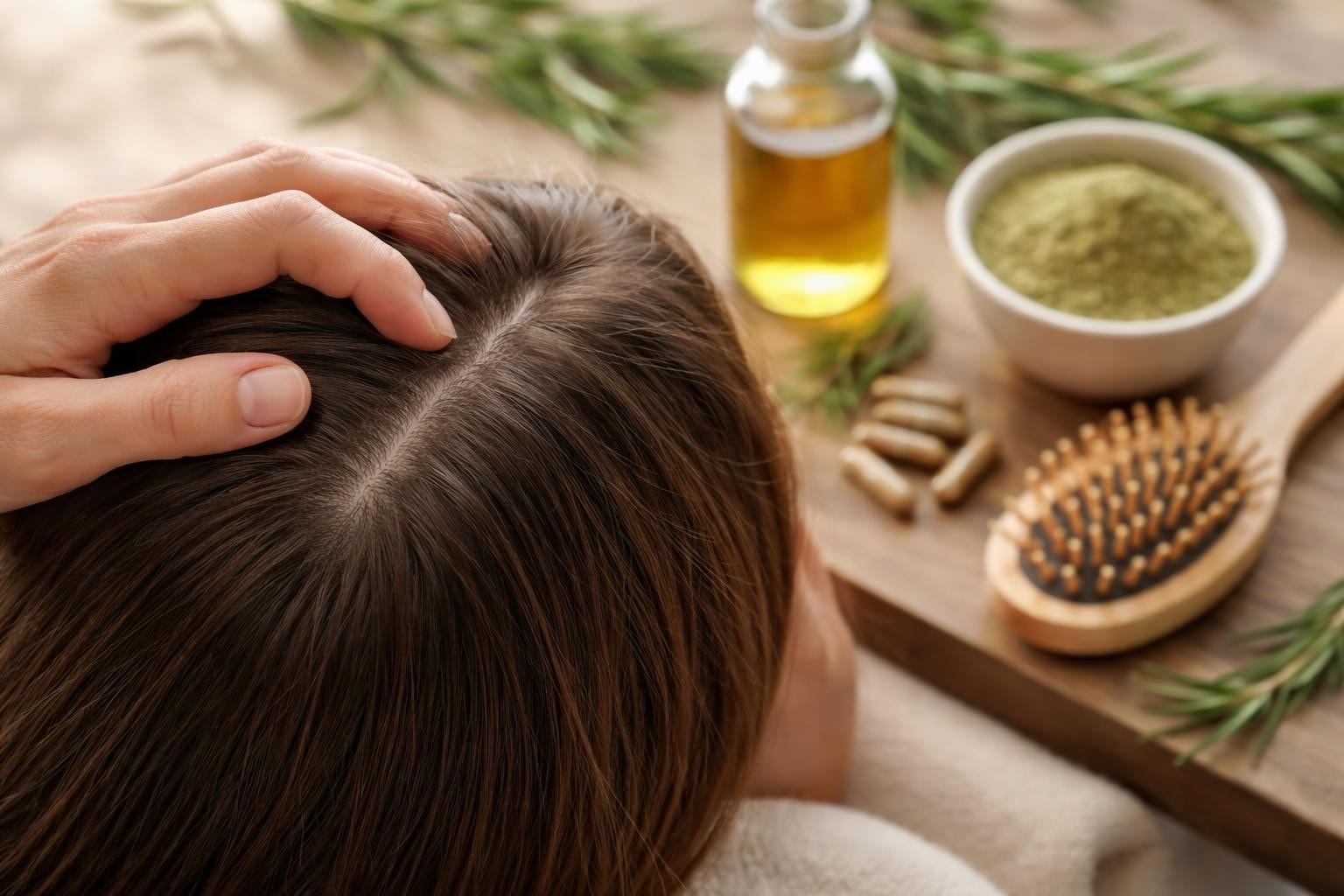
Regular scalp massage represents one of the simplest yet most effective methods for encouraging hair growth naturally. The mechanical action increases blood flow to follicles, potentially extending the anagen growth phase and improving hair thickness over time. Research participants who performed daily scalp massages for four minutes showed measurable increases in hair thickness after twenty-four weeks.
The technique matters more than duration. Use the pads of your fingers rather than nails to avoid damaging the scalp. Apply gentle but firm pressure while moving in small circular motions across the entire scalp surface. Start at the hairline and work backward toward the crown and base of the skull.
Some practitioners combine scalp massage with natural oils to enhance benefits. This dual approach addresses both circulation and topical nutrition simultaneously. The massage helps the oils penetrate more effectively while the physical stimulation activates cellular processes within the follicles.
Beyond manual massage, gentle brushing with a natural bristle brush distributes sebum evenly along hair shafts. This natural oil produced by sebaceous glands protects and conditions hair while maintaining scalp health. Brush before washing to loosen debris and stimulate blood flow.
Lifestyle Modifications That Support Hair Growth
Stress management plays a surprisingly significant role in maintaining healthy hair growth patterns. Chronic stress elevates cortisol levels, which can push more follicles into the telogen resting phase prematurely. This phenomenon, known as telogen effluvium, causes noticeable thinning several months after a stressful period.
Lifestyle habits that improve hair growth naturally emphasize the interconnection between overall wellness and hair health. Regular exercise improves circulation throughout the body, including the scalp, while also helping regulate stress hormones. Aim for at least thirty minutes of moderate activity most days of the week.
Sleep quality affects hair growth through multiple mechanisms. During deep sleep, growth hormone peaks, supporting tissue repair and regeneration. The body also uses this time to deliver nutrients to hair follicles and remove metabolic waste products. Adults should target seven to nine hours of quality sleep nightly.
Stress reduction techniques that benefit hair health:
- Daily meditation or mindfulness practice
- Yoga focusing on inversions that increase scalp blood flow
- Deep breathing exercises to activate parasympathetic response
- Regular physical activity for endorphin release
- Adequate sleep and consistent sleep schedule
Smoking constricts blood vessels and reduces oxygen delivery to follicles. If you smoke, quitting represents one of the most impactful changes you can make for hair health. Similarly, excessive alcohol consumption depletes B vitamins and zinc while interfering with nutrient absorption.
Herbal Supplements and Internal Support
Certain herbs have been used traditionally for centuries to support hair health from within. Saw palmetto may help block DHT, the hormone responsible for androgenic alopecia, though more research is needed to confirm its effectiveness. This herb appears to inhibit 5-alpha-reductase, the enzyme that converts testosterone to DHT.
Horsetail extract provides silica, a mineral that strengthens hair shafts and may improve growth rate. Silica supports collagen production and improves the structural integrity of hair. Traditional herbalists recommend horsetail tea or standardized supplements for those seeking a natural way to hair growth through internal supplementation.
Fo-ti, known as He Shou Wu in traditional Chinese medicine, has a long history of use for maintaining hair color and promoting growth. While scientific evidence remains limited, some studies suggest it may influence hair follicle stem cells and extend the growth phase.
When incorporating herbal supplements, quality matters significantly. Choose products from reputable manufacturers that perform third-party testing for purity and potency. Start with lower doses to assess tolerance before increasing to recommended levels.
Water Quality and Hair Washing Practices
The water you use to wash your hair affects its health more than many realize. Hard water contains high mineral content, particularly calcium and magnesium, which can build up on hair shafts and scalp. This accumulation makes hair feel rough and can potentially clog follicles over time.
Installing a shower filter removes chlorine, heavy metals, and other contaminants that may damage hair. Chlorine strips natural oils and can cause dryness and brittleness. Some individuals notice significant improvements in hair texture and scalp health within weeks of filtering their shower water.
Washing frequency should match your hair type and lifestyle rather than following arbitrary rules. Overwashing strips beneficial sebum, while underwashing allows buildup that can suffocate follicles. Most people with normal hair benefit from washing every two to three days, though this varies considerably.
| Hair Type | Recommended Washing Frequency | Special Considerations |
|---|---|---|
| Oily | Daily to every other day | Focus shampoo on scalp only |
| Normal | Every 2-3 days | Alternate with co-washing |
| Dry | Every 3-5 days | Use hydrating formulas |
| Curly | Weekly or as needed | Prioritize moisture retention |
Water temperature also impacts hair and scalp health. Hot water opens cuticles and can strip protective oils excessively. Lukewarm water cleanses effectively while maintaining the scalp's natural moisture balance. Finish with a cool water rinse to close cuticles and add shine.
Avoiding Damaging Practices
Protecting existing hair proves just as important as stimulating new growth when pursuing a natural way to hair growth. Heat styling tools damage the hair cuticle through protein degradation and moisture loss. When using blow dryers, straighteners, or curling irons, always apply a heat protectant and use the lowest effective temperature setting.
Tight hairstyles create tension on follicles, potentially leading to traction alopecia over time. This condition causes permanent hair loss in areas subjected to chronic pulling. Avoid styles that pull hair tightly for extended periods, and vary your hairstyles to distribute tension differently.
Chemical treatments including bleaching, perming, and relaxing fundamentally alter hair structure. These processes can weaken strands and increase breakage, counteracting growth efforts. If you choose to use chemical treatments, space them adequately and maintain deep conditioning routines between applications.
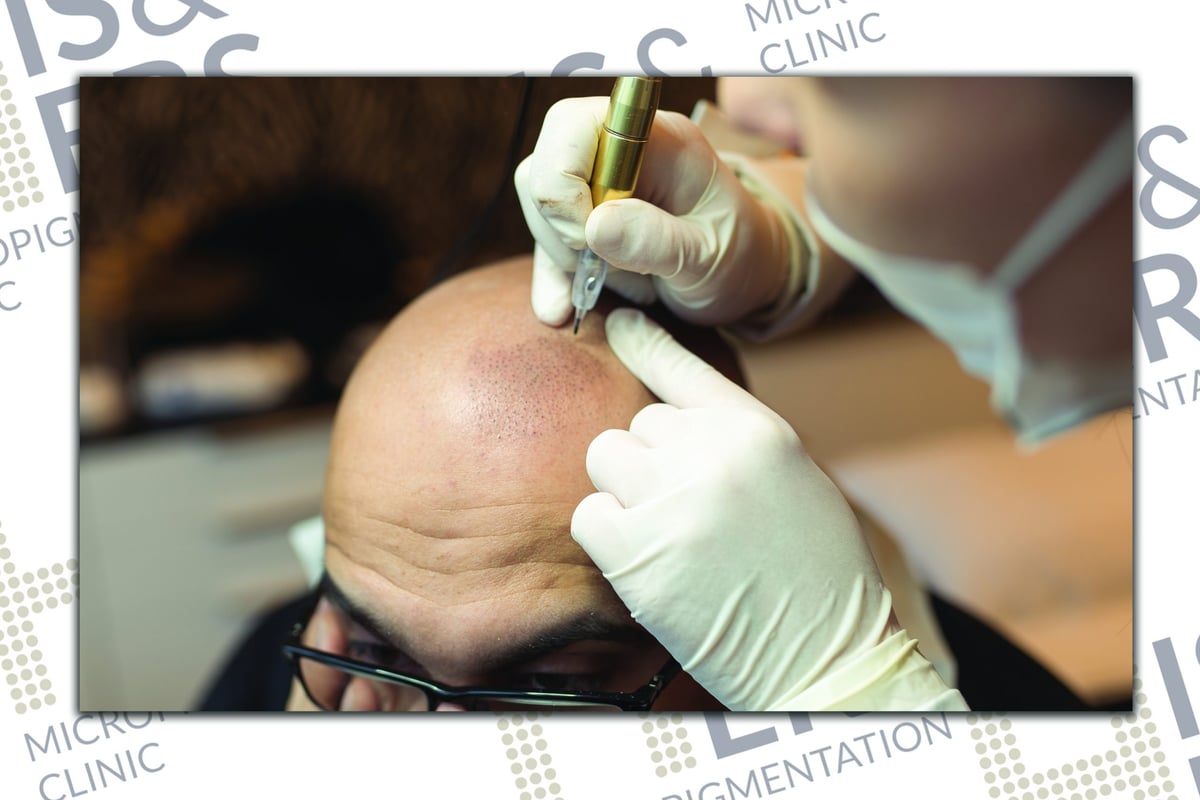
For individuals experiencing significant hair loss, scalp micropigmentation treatments offer a cosmetic solution that creates the appearance of natural hair follicles. This procedure can restore confidence while you work on natural methods to improve underlying hair health. The technique involves depositing tiny pigment dots that replicate the look of hair follicles, providing immediate visual results.
The Role of Hormonal Balance
Hormones orchestrate the hair growth cycle through complex signaling pathways. Thyroid hormones regulate the metabolism of follicle cells, with both hypothyroidism and hyperthyroidism potentially causing hair loss. If you experience unexplained hair thinning along with other symptoms like fatigue or weight changes, thyroid testing may be warranted.
Androgens, particularly DHT, play a central role in pattern hair loss affecting both men and women. While you cannot completely eliminate DHT naturally, maintaining healthy testosterone metabolism through lifestyle factors may help. Resistance training, adequate sleep, and stress management all support hormonal balance.
Women experiencing hair thinning during perimenopause or menopause often benefit from supporting estrogen metabolism. Cruciferous vegetables contain compounds that promote healthy estrogen breakdown. Maintaining healthy body composition also influences hormone levels, as adipose tissue produces estrogen.
Science-backed natural hair growth tips often emphasize the interconnection between hormonal health and hair vitality. Working with a healthcare provider to address underlying hormonal imbalances can significantly improve results from natural hair growth efforts.
Patience and Realistic Expectations
Understanding the timeline for natural hair growth helps maintain motivation and realistic expectations. Hair grows approximately half an inch per month on average, though this varies among individuals. You will not see dramatic changes overnight, but consistent application of natural methods produces measurable results over months.
Most natural interventions require at least three months before visible improvements appear. This delay reflects the hair growth cycle, as follicles in the telogen phase must complete their resting period before entering anagen growth. Changes you make today influence hair that will emerge in the coming months rather than affecting existing strands immediately.
Tracking progress through monthly photos helps recognize gradual improvements that might otherwise go unnoticed. Measure hair density by counting strands in a specific scalp area or track the time required for hair to reach certain lengths. These objective measures provide better feedback than subjective assessment alone.
Realistic timeline for natural hair growth improvements:
- Weeks 1-4: Scalp health improves, reduced shedding may occur
- Weeks 5-12: New growth becomes visible in thinning areas
- Months 4-6: Noticeable increase in hair density and thickness
- Months 7-12: Significant improvement in overall hair volume
Some individuals respond more dramatically to natural interventions than others due to genetic factors and the underlying cause of their hair loss. Proven tips to grow natural hair faster emphasize consistency as the key differentiator between those who see results and those who abandon efforts prematurely.
Combining Multiple Natural Approaches
The most effective strategy for promoting hair growth naturally involves combining several complementary methods rather than relying on a single intervention. Natural hair regrowth methods work synergistically when applied together, addressing multiple aspects of follicle health simultaneously.
A comprehensive natural approach might include nutritional optimization through diet and targeted supplementation, topical treatments with proven ingredients like rosemary oil, regular scalp massage to improve circulation, stress management practices, and protective hair care routines that minimize damage. Each element contributes to creating optimal conditions for hair growth.
Consistency matters more than perfection. Applying rosemary oil twice weekly consistently produces better results than daily application for one week followed by abandonment. Similarly, occasional scalp massages provide minimal benefit compared to brief daily sessions performed reliably over months.
Keep detailed records of which interventions you implement and when you started each one. This documentation helps identify which specific approaches produce the best results for your individual situation. Hair growth patterns vary considerably among individuals, making personalization essential for optimal outcomes.
Pursuing a natural way to hair growth requires commitment to holistic wellness practices that support your body's innate healing capabilities. By addressing nutrition, circulation, stress management, and gentle hair care simultaneously, you create optimal conditions for healthy follicle function. When natural methods alone do not achieve your desired results, HIS&HERS Micropigmentation Clinic offers professional scalp micropigmentation services that restore the appearance of fuller hair while you continue supporting your hair health naturally. Schedule a consultation to explore how cosmetic solutions can complement your natural hair growth journey.
Leave a Reply