


Natural Treatment for Hair Thinning: A Complete Guide
Hair thinning affects millions of people worldwide, creating concerns about appearance and self-confidence. While pharmaceutical interventions exist, many individuals seek gentler approaches that work with the body's natural processes. Understanding natural treatment for hair thinning requires knowledge of hair growth cycles, nutritional needs, and evidence-based remedies that support follicle health. This comprehensive guide explores proven methods to address thinning hair through diet, topical applications, lifestyle modifications, and therapeutic techniques that promote sustainable hair restoration.
Understanding the Hair Growth Cycle and Thinning Patterns
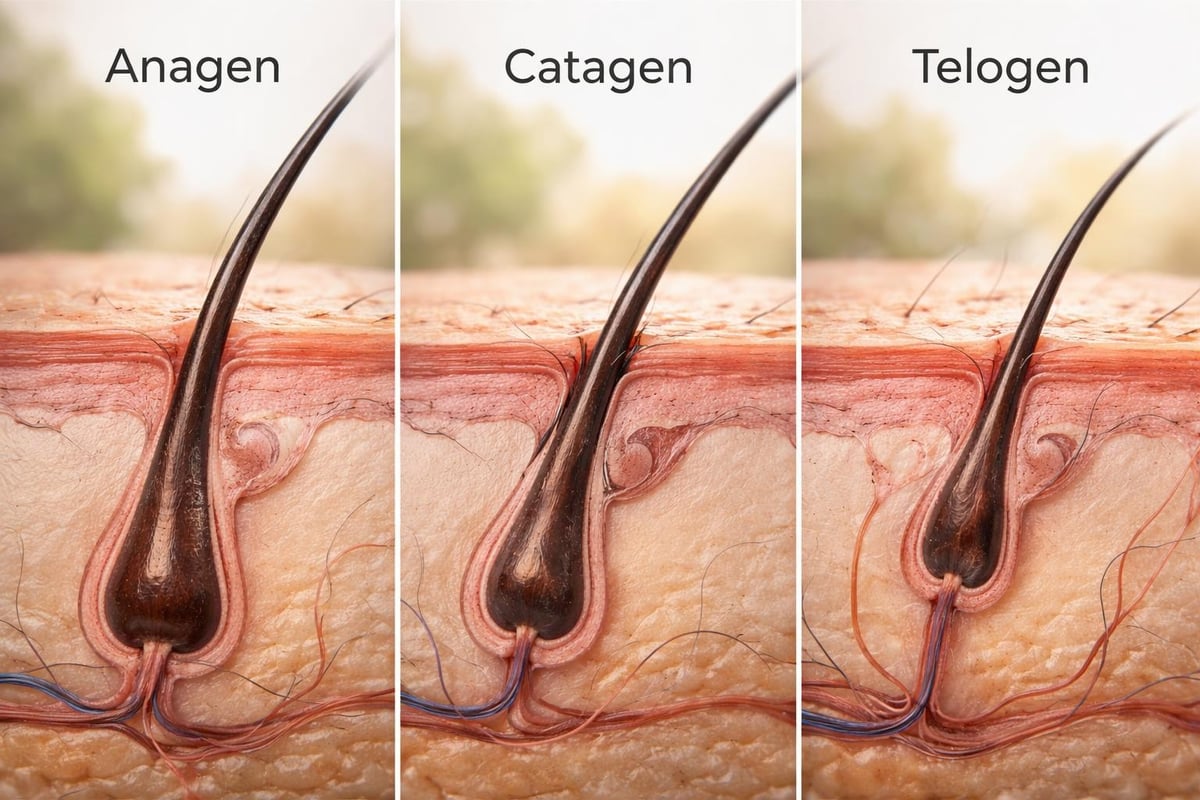
The human scalp contains approximately 100,000 hair follicles, each cycling through distinct growth phases. The anagen phase represents active growth lasting two to seven years, followed by the catagen transition period of two to three weeks, and finally the telogen resting phase before shedding occurs. Disruptions to this cycle contribute to noticeable thinning.
Several factors trigger premature hair loss and reduced follicle productivity. Hormonal fluctuations, particularly dihydrotestosterone (DHT) sensitivity, shrink follicles over time. Nutritional deficiencies deprive follicles of essential building blocks. Chronic stress pushes follicles into premature resting phases. Environmental damage from pollution and harsh styling weakens hair structure.
Identifying Your Thinning Pattern
Different thinning patterns require tailored approaches:
- Diffuse thinning: Overall density reduction across the scalp
- Pattern baldness: Recession at temples or crown thinning
- Patchy loss: Isolated areas of reduced coverage
- Breakage-related thinning: Weak hair shafts snapping before natural shedding
Accurate pattern identification guides treatment selection and expectation management for natural remedies.
Essential Oils and Topical Natural Treatments
Essential oils represent concentrated plant compounds with documented effects on hair follicle function. Clinical research demonstrates specific oils stimulate growth pathways when properly diluted and applied.
Rosemary Oil for Follicle Stimulation
Rosemary essential oil rivals minoxidil in clinical trials for androgenic alopecia treatment. The compound increases cellular metabolism in follicles, promoting the anagen phase extension. Mix six drops of rosemary oil with one ounce of carrier oil such as jojoba or sweet almond. Massage thoroughly into the scalp three times weekly, leaving for minimum thirty minutes before shampooing.
Peppermint Oil for Increased Blood Flow
Peppermint oil creates vasodilation effects that enhance nutrient delivery to follicles. Studies show increased follicle depth and number during the anagen phase. Combine four drops with carrier oil and apply to problem areas, avoiding contact with eyes due to menthol intensity.
Lavender and Cedarwood Combination
This synergistic blend addresses stress-related thinning while supporting follicle health. Lavender reduces cortisol levels that trigger telogen effluvium, while cedarwood balances oil production. Create a treatment blend with three drops each per ounce of carrier oil.
| Essential Oil | Primary Benefit | Application Frequency | Dilution Ratio |
|---|---|---|---|
| Rosemary | Follicle stimulation | 3x weekly | 6 drops per oz |
| Peppermint | Blood flow increase | 2x weekly | 4 drops per oz |
| Lavender | Stress reduction | Daily | 3 drops per oz |
| Cedarwood | Oil balance | 3x weekly | 3 drops per oz |
Natural remedies for hair regrowth provide additional evidence-based topical options worth exploring for comprehensive treatment approaches.
Nutritional Interventions for Hair Density
Hair follicles require specific nutrients to maintain productive growth cycles. Deficiencies directly correlate with thinning severity and treatment resistance.
Protein and Amino Acid Requirements
Hair structure consists primarily of keratin, a protein requiring adequate dietary intake for synthesis. Consume minimum 0.8 grams of protein per kilogram of body weight daily from diverse sources. Include eggs, legumes, fish, and poultry to supply complete amino acid profiles.
Key amino acids for hair health:
- Cysteine: Disulfide bond formation in keratin structure
- Methionine: Sulfur provision for strength
- Lysine: Iron absorption enhancement for oxygen transport
Biotin and B-Complex Vitamins
Biotin deficiency manifests rapidly as hair thinning and brittleness. While true deficiency remains rare, supplementation shows benefits for those with subclinical insufficiency. Target 30-100 micrograms daily through food sources like eggs, nuts, and sweet potatoes, or consider supplementation after professional consultation.
Additional B vitamins support red blood cell formation, carrying oxygen and nutrients to follicles. Folate, B6, and B12 work synergistically to maintain healthy growth cycles.
Mineral Optimization for Follicle Function
Iron deficiency represents the most common nutritional cause of hair thinning, particularly among women. Ferritin levels below 40 ng/mL correlate with increased shedding even without anemia. Consume iron-rich foods like spinach, lentils, and grass-fed beef alongside vitamin C sources for enhanced absorption.
Zinc supports protein synthesis and cell division in rapidly growing follicles. Target 8-11 milligrams daily through oysters, pumpkin seeds, and chickpeas. Selenium protects follicles from oxidative damage through antioxidant enzyme production.

Scalp Massage and Mechanical Stimulation Techniques
Physical manipulation of the scalp increases blood flow and may influence follicle size through mechanical stretch activation of growth pathways.
Manual Massage Protocols
Dedicate five to ten minutes daily to systematic scalp massage. Use fingertips to apply moderate pressure in circular motions, covering the entire scalp systematically. Start at the hairline and work backward, then address the sides and crown area.
- Warm up: Gentle circular motions at temples for one minute
- Frontal zone: Work from center hairline outward with increasing pressure
- Crown coverage: Spiral pattern from vertex outward
- Temporal regions: Vertical strokes along sides
- Occipital area: Base of skull massage with firm pressure
- Cool down: Light tapping across entire scalp with fingertips
Derma-Rolling for Enhanced Absorption
Micro-needling devices create controlled micro-injuries that trigger healing responses and improve topical treatment penetration. Use 0.5mm needle length devices once weekly, rolling vertically, horizontally, and diagonally across thinning areas. Apply natural treatment for hair thinning oils immediately afterward for enhanced delivery.
Herbal Supplements and Internal Support
Traditional medicine systems offer botanical interventions with emerging scientific validation for addressing hair thinning from within.
Saw Palmetto as Natural DHT Blocker
Saw palmetto extract inhibits 5-alpha-reductase, the enzyme converting testosterone to DHT. Understanding DHT blockers provides context for how these compounds prevent follicle miniaturization. Studies using 320mg daily show improvement in hair density over six months, though effects remain less potent than prescription options.
Horsetail and Silica Content
Horsetail herb supplies high silica concentrations that strengthen hair shafts and improve elasticity. Silica supports collagen production in the dermal papilla, the structure nourishing follicles. Consume as tea or standardized extract providing 300-400mg daily.
Ginkgo Biloba for Circulation Enhancement
Ginkgo improves peripheral blood flow, potentially increasing nutrient delivery to scalp follicles. While primarily studied for cognitive function, its circulatory benefits extend to hair health support. Standard dosing ranges from 120-240mg of standardized extract daily.
| Herbal Supplement | Mechanism | Typical Dosage | Timeline for Results |
|---|---|---|---|
| Saw Palmetto | DHT inhibition | 320mg daily | 3-6 months |
| Horsetail | Silica provision | 300-400mg daily | 2-4 months |
| Ginkgo Biloba | Circulation boost | 120-240mg daily | 2-3 months |
| Ginseng | Follicle proliferation | 200-400mg daily | 3-5 months |
Lifestyle Modifications for Optimal Hair Health
Environmental factors and daily habits significantly impact the effectiveness of any natural treatment for hair thinning program.
Stress Management Strategies
Chronic stress elevates cortisol, triggering telogen effluvium where follicles prematurely enter resting phases. Implement evidence-based stress reduction techniques including meditation, yoga, or progressive muscle relaxation. Even fifteen minutes daily produces measurable cortisol reduction.
Quality sleep regulates hormone production essential for hair growth. Target seven to nine hours nightly with consistent sleep-wake times. During deep sleep stages, growth hormone peaks, supporting cellular repair in follicles.
Heat and Chemical Damage Prevention
Excessive heat styling denatures protein bonds in hair shafts, causing breakage that mimics thinning. Limit blow-drying and flat-iron use to twice weekly maximum. When heat styling proves necessary, apply heat protectant products and use lowest effective temperature settings.
Chemical treatments including permanent coloring, bleaching, and relaxing compromise structural integrity. Space treatments minimum eight weeks apart and consider natural alternatives like henna for color enhancement.
Protective styling practices:
- Wide-tooth combs for detangling wet hair
- Silk or satin pillowcases reducing friction
- Loose hairstyles preventing tension alopecia
- UV protection through hats or leave-in products with SPF
Advanced Natural Protocols and Application Methods
Combining multiple natural approaches creates synergistic effects exceeding individual treatment benefits.
Onion Juice Treatment Protocol
Despite the pungent nature, onion juice for hair growth shows promise through sulfur compound delivery that boosts collagen production. Blend one medium onion, strain juice through cheesecloth, and apply to scalp for thirty minutes before shampooing. Repeat twice weekly for minimum eight weeks.
Aloe Vera for Scalp Health Optimization
Aloe vera gel contains proteolytic enzymes that remove dead cells from follicle openings while reducing inflammation. Extract fresh gel from leaves or use pure commercial products without additives. Apply directly to scalp, massage gently, and leave for forty-five minutes before rinsing. Simple tips to stop hair fall include aloe vera as a cornerstone treatment.
Green Tea Rinse for Antioxidant Protection
Green tea polyphenols, particularly EGCG, protect follicles from oxidative stress while potentially stimulating growth factors. Brew strong green tea using two bags per cup, cool completely, and use as final rinse after shampooing. Leave in without rinsing for maximum benefit.
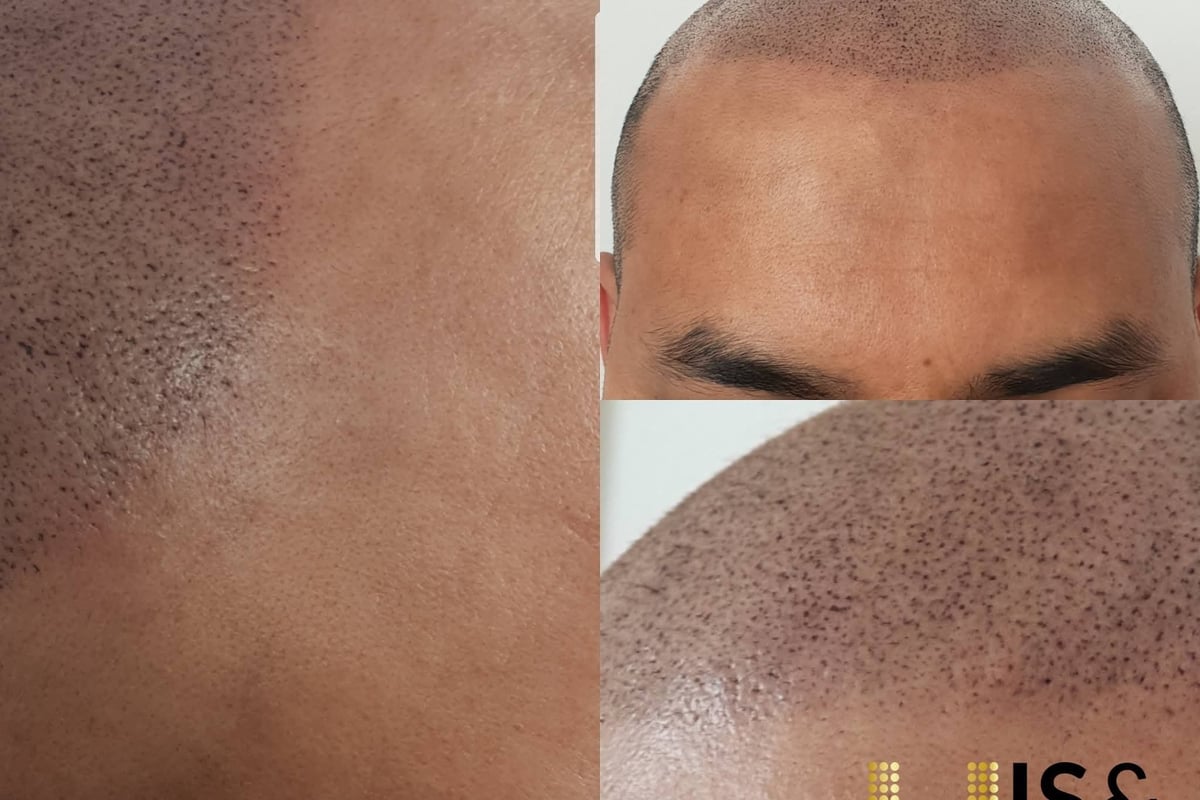
For those seeking comprehensive solutions, professional treatments can complement natural approaches. Scalp micropigmentation offers a cosmetic solution that creates the appearance of natural hair density, particularly beneficial for those with significant thinning who want immediate visual improvement while pursuing natural regeneration strategies. This scalp pigmentation technique provides natural-looking results that restore confidence during the hair recovery journey.
Dietary Patterns Supporting Hair Regeneration
Whole-food dietary patterns provide comprehensive nutrient profiles supporting multiple aspects of hair health simultaneously.
Mediterranean Diet Principles
The Mediterranean approach emphasizes omega-3 fatty acids from fish, antioxidants from colorful vegetables, and healthy fats from olive oil and nuts. These components reduce inflammation, support hormone balance, and provide building blocks for hair structure. Include fatty fish like salmon or sardines twice weekly for EPA and DHA delivery.
Anti-Inflammatory Food Choices
Chronic inflammation disrupts follicle function and accelerates aging processes affecting hair growth. Prioritize foods with demonstrated anti-inflammatory properties:
- Berries rich in anthocyanins
- Leafy greens providing vitamin K and folate
- Turmeric with curcumin compounds
- Walnuts supplying omega-3 ALA
- Green tea offering catechin antioxidants
Hydration and Hair Follicle Function
Adequate water intake supports nutrient transport and waste removal from follicle cells. Target minimum eight glasses daily, increasing with exercise or heat exposure. Dehydration concentrates toxins and reduces cellular efficiency in rapidly dividing follicle cells.

Monitoring Progress and Adjusting Protocols
Natural treatment for hair thinning requires patience and systematic tracking to evaluate effectiveness and refine approaches.
Establishing Baseline Measurements
Document starting condition through multiple methods for comprehensive assessment:
- Photography: Same lighting and angles monthly
- Hair counts: Collected from pillows and shower drains
- Density evaluation: Part width measurements at consistent locations
- Subjective assessment: Styling ease and volume perception
Timeline Expectations for Natural Approaches
Hair growth occurs slowly, with follicles requiring months to shift from telogen to anagen phases. Expect minimum three months before noticing reduced shedding and six months for visible density improvement. Maximum benefits typically manifest between twelve to eighteen months of consistent application.
When to Modify Treatment Strategy
Reassess approaches if no improvement appears after four months of diligent application. Consider these adjustments:
- Increase essential oil concentrations gradually
- Add complementary supplements addressing different pathways
- Intensify scalp massage frequency and duration
- Evaluate for underlying medical conditions requiring professional intervention
Combining Natural Approaches with Professional Guidance
While natural treatments offer significant benefits, certain situations warrant professional evaluation to address underlying causes.
Medical Conditions Requiring Investigation
Persistent thinning despite natural interventions may indicate thyroid dysfunction, autoimmune conditions, or hormonal imbalances requiring medical management. Schedule consultation if experiencing rapid progression, patchy loss patterns, or accompanying symptoms like fatigue or weight changes.
Integration with Conventional Treatments
Natural approaches complement pharmaceutical options rather than replacing them entirely. Understanding minoxidil helps individuals make informed decisions about combining medical treatments with natural support strategies for enhanced outcomes.
Professional Assessment Benefits
Dermatologists and trichologists provide specialized scalp analysis identifying specific thinning causes. This targeted diagnosis enables personalized treatment selection, whether purely natural or integrating conventional options based on severity and individual response patterns.
Preventive Strategies for Long-Term Hair Health
Maintaining results requires ongoing commitment to practices supporting follicle vitality and minimizing damaging exposures.
Gentle Cleansing Routines
Harsh sulfate shampoos strip natural oils, forcing sebaceous glands into overproduction cycles that clog follicles. Select sulfate-free formulations with gentle cleansers and limit washing to every other day unless scalp conditions necessitate more frequent cleansing.
Protective Antioxidant Application
Environmental pollutants and UV radiation generate free radicals damaging follicle DNA and accelerating aging processes. Apply leave-in treatments containing vitamin E, green tea extract, or resveratrol for ongoing protection between washings.
Regular Scalp Exfoliation
Dead cell accumulation and product buildup obstruct follicle openings, impeding healthy hair emergence. Incorporate weekly scalp exfoliation using sugar scrubs, clay masks, or specialized scalp brushes to maintain clear pathways for new growth.
Natural treatment for hair thinning offers effective approaches for those committed to consistent application and realistic expectations about timelines. By combining nutritional optimization, topical treatments, stress management, and protective practices, many individuals successfully improve hair density and quality. When natural methods need enhancement or you seek immediate cosmetic improvement, HIS&HERS Micropigmentation Clinic provides specialized scalp pigmentation services that create natural-looking hair density while you continue your regeneration journey.
Leave a Reply