Medical Micropigmentation: Procedures & Applications
Medical micropigmentation represents a transformative solution for individuals facing challenges from hair loss, scarring, and various skin conditions. This specialized cosmetic tattooing technique has evolved from traditional permanent makeup into a recognized medical intervention that addresses both aesthetic and psychological needs. By depositing pigment into the dermal layer of skin, practitioners can recreate natural-looking hair follicles, camouflage scars, restore areolas following breast surgery, and help patients with vitiligo achieve more uniform skin tone. The procedure combines artistry with medical precision, requiring extensive training and understanding of skin physiology, color theory, and patient safety protocols.
Understanding Medical Micropigmentation Applications
Medical micropigmentation encompasses several therapeutic applications beyond conventional cosmetic enhancements. The technique serves patients who have experienced medical conditions, surgical procedures, or trauma that has affected their appearance.
Scalp Micropigmentation for Hair Loss
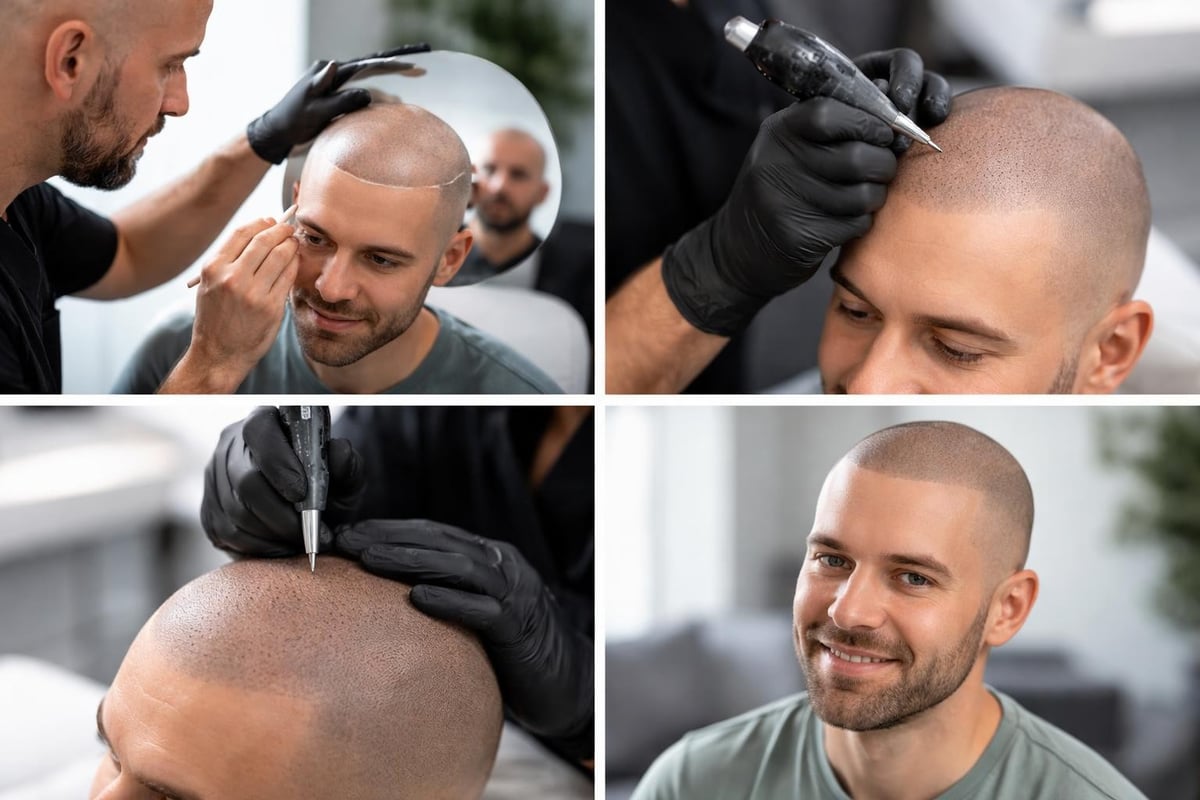
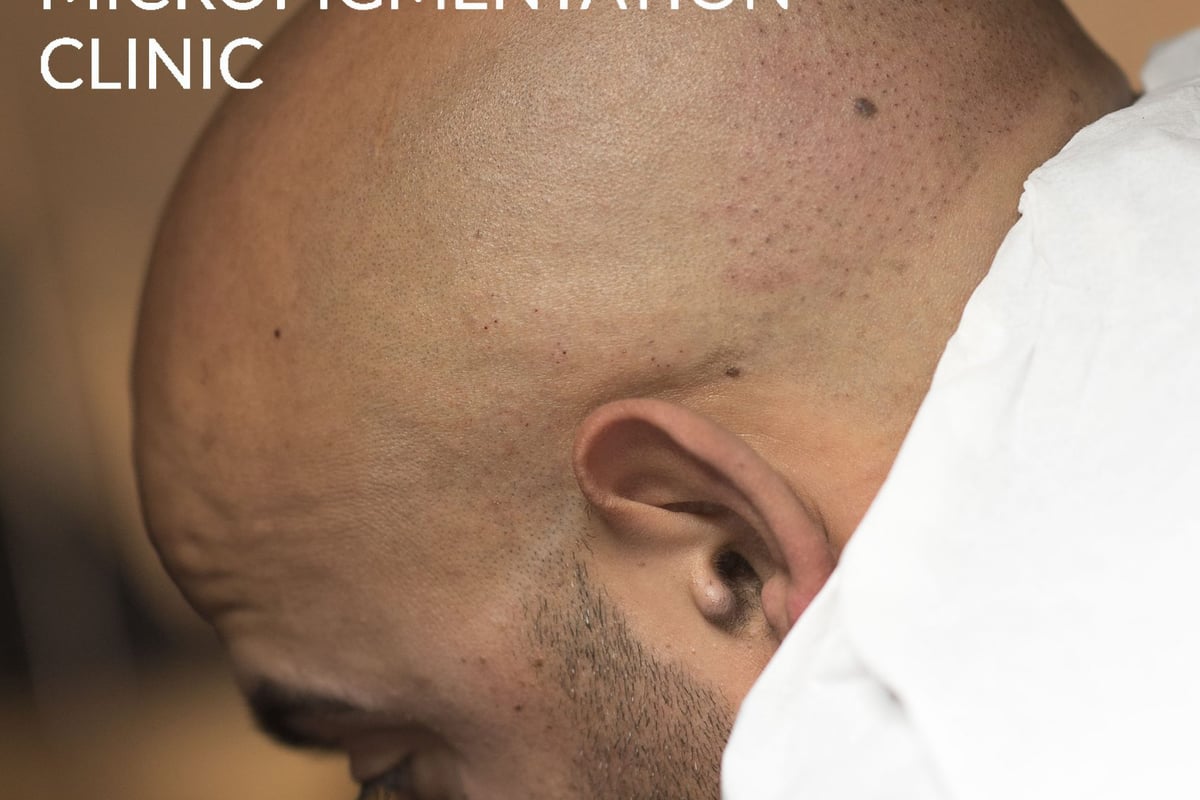
Hair loss affects millions worldwide, creating emotional distress and diminished confidence. Medical micropigmentation addresses pattern baldness, alopecia, and thinning hair by creating the appearance of natural hair follicles. The procedure involves thousands of tiny pigment deposits that replicate the size and distribution of real follicles across affected areas.
Key benefits include:
- Non-surgical solution with minimal downtime
- Natural-looking density enhancement
- Effective for various alopecia types
- Long-lasting results requiring minimal maintenance
- Suitable for all skin tones and hair colors
Research on micropigmentation for dermatological conditions demonstrates its effectiveness in camouflaging alopecia and other skin concerns when practitioners apply proper color theory principles.
Areola Reconstruction and Scar Camouflage
Breast cancer survivors often seek areola reconstruction following mastectomy and reconstruction surgery. Medical micropigmentation creates three-dimensional areola complexes that restore symmetry and provide psychological closure for many patients.
The technique also addresses various scar types:
- Surgical scars from procedures
- Traumatic injury scars
- Burn scars requiring color correction
- Cleft lip scars
- Stretch marks through collagen induction
Vitiligo Treatment Applications
Vitiligo causes depigmented patches that can significantly impact quality of life. Studies evaluating micropigmentation for vitiligo show promising results for patients with stable conditions who haven't responded to conventional therapies. The procedure matches surrounding skin tones to create uniform appearance across affected areas.
| Application Type | Treatment Duration | Longevity | Sessions Required |
|---|---|---|---|
| Scalp Pigmentation | 2-4 hours per session | 4-6 years | 2-3 sessions |
| Areola Reconstruction | 1-2 hours | 3-5 years | 1-2 sessions |
| Vitiligo Camouflage | 1-3 hours | 2-4 years | 2-4 sessions |
| Scar Camouflage | Varies by size | 3-5 years | 1-3 sessions |
Technical Standards and Safety Considerations
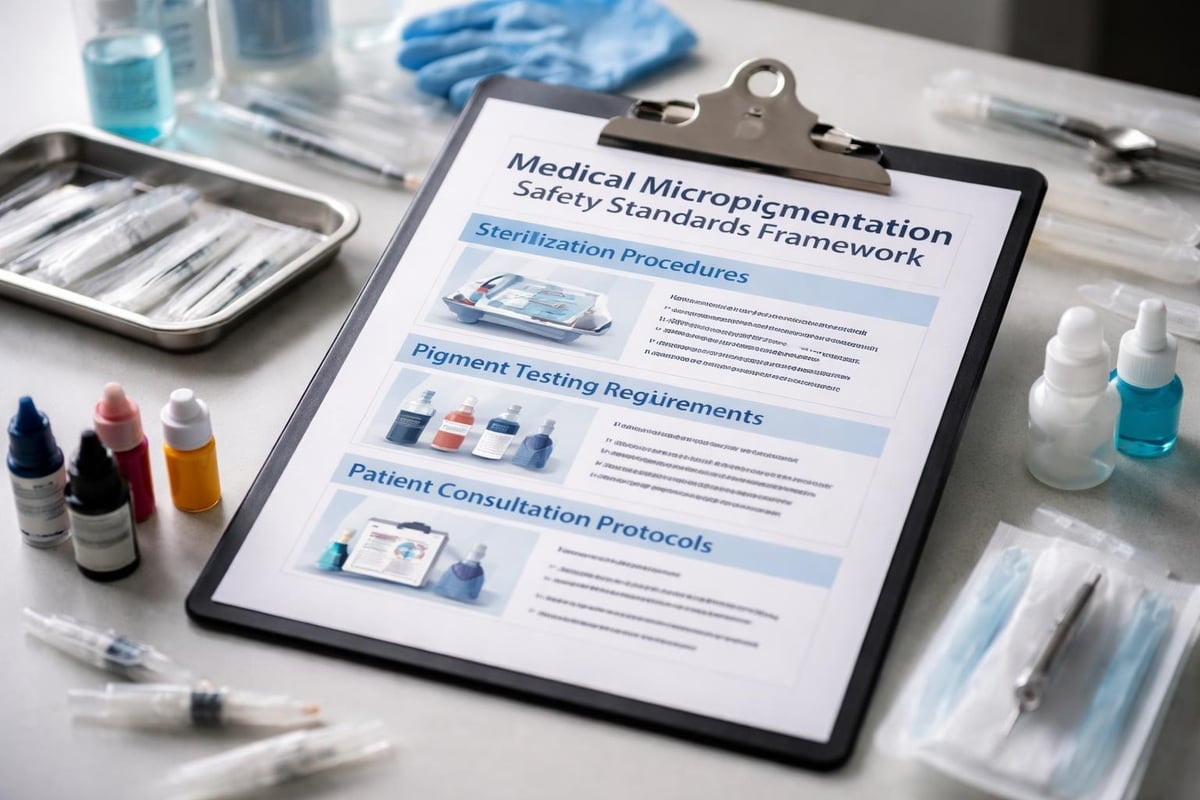
Professional medical micropigmentation requires adherence to strict safety protocols and industry standards. The International Society of Hair Restoration Surgery has established terminology and practice guidelines that emphasize quality and consistency across the industry.
Equipment and Pigment Selection
Medical-grade equipment differs substantially from traditional tattoo machines. Practitioners utilize specialized devices designed for precise, controlled pigment delivery at specific depths within the dermis.
Essential equipment components:
- Digital micropigmentation devices with adjustable needle depth
- Single-use sterile needle cartridges
- Medical-grade organic and inorganic pigments
- Numbing agents for patient comfort
- Sterile barrier protection systems
Pigment safety remains paramount. Research examining toxic metals in tattoo inks highlights the importance of using regulated, tested pigments free from hazardous substances that could cause adverse reactions or migration.
Regulatory Compliance and Licensing
Different jurisdictions maintain varying requirements for medical micropigmentation practitioners. Oklahoma’s Medical Micropigmentation Regulation Act provides an example of comprehensive regulatory frameworks governing practice standards, licensing, and facility requirements.
Practitioners must typically demonstrate:
- Completion of approved training programs
- Knowledge of bloodborne pathogen protocols
- Understanding of skin anatomy and physiology
- Proficiency in color theory application
- Compliance with local health department regulations
Patient Selection and Consultation Process
Successful medical micropigmentation outcomes begin with thorough patient evaluation and realistic expectation setting. Not every candidate qualifies for treatment, and responsible practitioners conduct comprehensive consultations before proceeding.
Ideal Candidate Characteristics
Medical micropigmentation works best for patients with specific conditions and realistic expectations. Ideal candidates demonstrate stable medical conditions, healthy skin at treatment sites, and understanding of procedure limitations.
Qualifying factors include:
- Stable hair loss patterns for scalp treatments
- Healed surgical sites for scar work
- Non-active vitiligo patches
- Realistic outcome expectations
- No contraindicated medical conditions
- Commitment to aftercare protocols
Contraindications and Risk Factors
Certain medical conditions and circumstances preclude micropigmentation treatment. Practitioners must screen for these factors during consultation to ensure patient safety.
| Contraindication | Reason | Alternative Timing |
|---|---|---|
| Active skin infections | Risk of spreading bacteria | After complete healing |
| Autoimmune flare-ups | Unpredictable healing | During stable periods |
| Blood thinning medications | Excessive bleeding | Consult physician first |
| Recent chemotherapy | Compromised healing | 6-12 months post-treatment |
| Keloid tendency | Abnormal scarring risk | Consider test area first |
Patients receiving scalp treatments benefit from understanding how the procedure creates natural-looking density without surgical intervention. For those seeking comprehensive hair restoration solutions, scalp micropigmentation services demonstrate the transformative potential of properly executed medical micropigmentation techniques.
Procedure Techniques and Methodology
Medical micropigmentation requires mastery of multiple technical approaches tailored to specific applications and individual patient needs. Practitioners develop specialized skills through extensive training and practice.
Needle Configuration and Depth Control
Different treatments require varying needle configurations and penetration depths. Scalp work typically uses tighter needle groupings for precise dot placement, while areola reconstruction may employ broader configurations for shading effects.
Technical specifications:
- Scalp treatments: 1-3 needle cartridges, 0.5-1.0mm depth
- Scar camouflage: 3-5 needles, 0.8-1.2mm depth
- Areola reconstruction: 5-7 needles, 1.0-1.5mm depth
- Vitiligo work: 1-3 needles, 0.5-0.8mm depth
Depth control prevents pigment migration and ensures longevity. Too shallow placement leads to rapid fading, while excessive depth causes bluish discoloration and unpredictable color shifts.
Color Theory Application
Matching pigment to natural coloring requires sophisticated understanding of undertones, fading patterns, and how pigments interact with various skin types. Practitioners must account for initial healing color versus healed result appearance.
The color matching process involves:
- Analyzing natural hair or skin color under proper lighting
- Identifying warm versus cool undertones
- Selecting base pigments and modifier shades
- Testing color on similar skin areas
- Adjusting formulation between sessions
Session Spacing and Build-Up Approach
Medical micropigmentation rarely achieves optimal results in single sessions. The build-up approach allows controlled density increases while monitoring healing response and color retention.
Standard protocols recommend:
- Initial session establishing foundation coverage
- 4-6 week healing period before assessment
- Second session adding density and refinement
- Third session for perfecting coverage (if needed)
- Annual touch-ups maintaining appearance
Managing Complications and Corrective Procedures
Despite best practices, complications occasionally occur requiring corrective intervention. Research examining unsatisfactory scalp micropigmentation outcomes provides valuable insights into common problems and effective correction strategies.
Common Complications
Understanding potential complications helps practitioners prevent issues and address them promptly when they arise.
Frequent challenges include:
- Pigment color changes or fading
- Unnatural dot size or spacing
- Improper hairline design
- Allergic reactions to pigments
- Infection from inadequate sterilization
- Excessive swelling or prolonged healing
Corrective Treatment Options
Correction procedures require even greater skill than initial treatments. Practitioners must assess underlying causes before determining appropriate solutions.
| Issue | Correction Method | Timeline |
|---|---|---|
| Wrong color | Lightening treatments or color correction | 2-4 sessions |
| Poor density | Additional layering sessions | 1-2 sessions |
| Unnatural appearance | Partial removal and refinement | 3-6 months |
| Pigment migration | Laser removal and redo | 6-12 months |
Patient Perspectives and Satisfaction Outcomes
Understanding patient experiences provides crucial context for medical micropigmentation's therapeutic value. Survey research on patient awareness and perceptions reveals varying levels of knowledge and satisfaction among individuals with alopecia considering these treatments.
Psychological Impact
Beyond physical appearance changes, medical micropigmentation delivers significant psychological benefits. Patients report improved self-confidence, reduced anxiety about appearance, and willingness to engage in previously avoided social situations.
Cancer survivors describe areola reconstruction as final steps in reclaiming bodies post-treatment. Hair loss patients express relief at finding non-surgical solutions that deliver immediate visual results.
Long-Term Satisfaction Factors
Patient satisfaction correlates strongly with several key factors:
- Realistic pre-procedure expectations
- Skilled practitioner selection
- Proper aftercare compliance
- Natural-looking results
- Longevity of pigment retention
- Positive interpersonal experience
Maintenance requirements remain minimal compared to daily concealment efforts many patients previously employed. Annual touch-ups preserve optimal appearance while allowing adjustments for changing preferences or natural aging.
Training and Professional Development
The medical micropigmentation field continues evolving, with pioneers like Mary Jane Haake establishing standards and advancing techniques. Modern practitioners must pursue ongoing education to maintain competency and deliver optimal patient outcomes.
Comprehensive Training Requirements
Quality training programs cover theoretical knowledge and extensive hands-on practice. Courses should include:
- Skin anatomy and wound healing physiology
- Color theory and pigment chemistry
- Equipment operation and maintenance
- Infection control and sterilization protocols
- Patient consultation and communication skills
- Business management and marketing fundamentals
- Supervised practice on live models
- Emergency response procedures
Continuing Education Importance
Medical micropigmentation techniques, equipment, and safety standards continuously advance. Successful practitioners commit to ongoing learning through:
- Advanced technique workshops
- Industry conference attendance
- Peer mentorship relationships
- Scientific literature review
- Equipment manufacturer training
- Specialty application courses
The permanent makeup field encompasses medical micropigmentation while extending into cosmetic enhancements, requiring practitioners to understand both therapeutic and aesthetic applications.
Industry Future and Emerging Developments
Medical micropigmentation continues advancing through technological innovations, refined techniques, and expanding clinical applications. The field demonstrates growing acceptance within mainstream medical communities as evidence supporting therapeutic benefits accumulates.
Technological Advancements
Equipment manufacturers develop increasingly sophisticated devices offering enhanced precision, comfort, and consistency. Digital machines with programmable settings allow practitioners to replicate successful techniques across patients while customizing for individual needs.
Emerging technologies include:
- AI-assisted hairline design software
- Automated depth control systems
- Improved pigment formulations with better longevity
- Enhanced numbing delivery methods
- Robotic-assisted application for ultimate precision
Expanding Clinical Applications
Researchers explore additional medical micropigmentation applications beyond established uses. Experimental treatments address conditions like radiation dermatitis, post-inflammatory hypopigmentation, and congenital skin markings requiring camouflage.
Integration with other medical specialties creates collaborative opportunities. Dermatologists, plastic surgeons, and oncology teams increasingly recognize micropigmentation's value within comprehensive treatment plans.
Market Growth and Accessibility
Growing awareness drives market expansion, making treatments more accessible to diverse patient populations. Increased competition encourages competitive pricing while quality standards prevent race-to-bottom dynamics compromising patient safety.
Insurance coverage remains limited, though some policies recognize areola reconstruction as medically necessary following mastectomy. Advocacy efforts continue pushing for broader coverage recognition across medical micropigmentation applications.
Medical micropigmentation offers life-changing solutions for individuals facing hair loss, scarring, and various skin conditions through precise, artistic pigment application. Success requires combining technical expertise, medical knowledge, and genuine commitment to patient wellbeing. Whether you're considering treatment or pursuing professional training in these specialized techniques, HIS&HERS Micropigmentation Clinic provides expert services and comprehensive education to help you achieve your goals with confidence and safety.

Leave a Reply