Male Pattern Baldness Natural Treatment Options 2026
Male pattern baldness affects approximately 50 million men in the United States alone, making it one of the most common cosmetic concerns facing men today. While pharmaceutical interventions and surgical procedures have long dominated the conversation around hair restoration, an increasing number of men are turning to natural approaches that work with the body’s systems rather than against them. Understanding male pattern baldness natural treatment options empowers individuals to take control of their hair health through evidence-based strategies that minimize side effects while maximizing long-term scalp wellness. This comprehensive guide explores the science behind androgenetic alopecia and the natural interventions that show genuine promise for slowing progression and potentially stimulating hair growth.
Understanding the Root Cause of Male Pattern Baldness
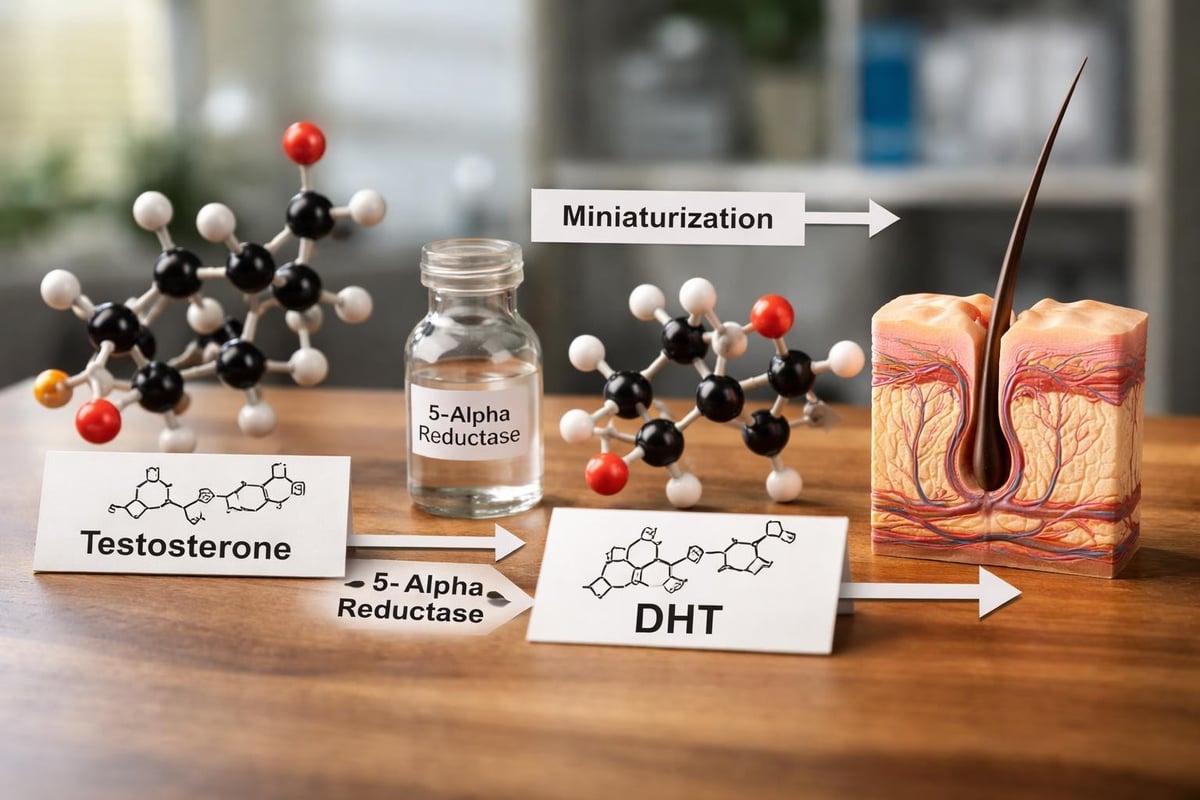
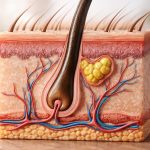
Male pattern baldness, clinically known as androgenetic alopecia, results from a complex interaction between genetics, hormones, and age. The primary culprit is dihydrotestosterone (DHT), a hormone derived from testosterone through the action of the enzyme 5-alpha reductase. When DHT binds to receptors in hair follicles, it triggers a miniaturization process that gradually shrinks follicles until they can no longer produce visible hair.
This process doesn’t happen uniformly across the scalp. The horseshoe pattern characteristic of male pattern baldness occurs because follicles in the frontal and crown regions possess higher concentrations of DHT receptors compared to those on the sides and back of the head. DHT blockers have gained significant attention as a cornerstone of both pharmaceutical and natural treatment approaches.
The Genetic Component
Your genetic predisposition determines both the sensitivity of your hair follicles to DHT and the amount of 5-alpha reductase your body produces. Research indicates that if your father experienced significant hair loss, you have approximately a 50% chance of following a similar pattern. However, genetics merely sets the stage. Environmental factors, nutritional status, and lifestyle choices all influence how and when this genetic blueprint expresses itself.
Nutritional Interventions for Hair Health
The foundation of any male pattern baldness natural treatment strategy begins with optimizing nutritional intake. Hair follicles rank among the most metabolically active cells in the human body, requiring consistent supplies of specific vitamins, minerals, and amino acids to maintain normal growth cycles.
Essential Nutrients for Hair Growth
Protein and Amino Acids: Hair shafts consist primarily of keratin, a structural protein. Inadequate protein intake forces the body to ration this macronutrient for essential functions, leaving hair growth as a lower priority. Aim for 0.8 to 1 gram of protein per pound of body weight daily.
|
Nutrient |
Daily Target |
Key Food Sources |
Hair Health Role |
|---|---|---|---|
|
Biotin |
30-100 mcg |
Eggs, almonds, sweet potatoes |
Keratin production |
|
Zinc |
11 mg |
Oysters, beef, pumpkin seeds |
Follicle repair and growth |
|
Iron |
8 mg |
Red meat, spinach, lentils |
Oxygen transport to follicles |
|
Vitamin D |
1000-2000 IU |
Fatty fish, fortified dairy |
Follicle cycling regulation |
|
Omega-3 Fatty Acids |
1-3 g |
Salmon, walnuts, flax seeds |
Scalp inflammation reduction |
Iron deserves special attention because iron deficiency, even without anemia, correlates strongly with increased hair shedding. Men who follow restrictive diets or engage in intense endurance training may benefit from periodic iron status evaluation through ferritin testing.
Anti-Inflammatory Dietary Patterns
Chronic inflammation accelerates follicular miniaturization and shortens the anagen (growth) phase of the hair cycle. A Mediterranean-style eating pattern rich in vegetables, fruits, whole grains, and healthy fats provides potent anti-inflammatory benefits. Natural remedies for hair loss frequently emphasize the importance of reducing processed foods and increasing antioxidant-rich whole foods.
- Incorporate leafy greens like spinach and kale daily for folate and iron
- Consume berries regularly for anthocyanins that protect follicle stem cells
- Use olive oil as your primary fat source for oleocanthal’s anti-inflammatory effects
- Include fatty fish three times weekly for EPA and DHA omega-3s
- Add turmeric to meals for curcumin’s ability to inhibit inflammatory pathways
Herbal and Botanical DHT Blockers
Several plant-based compounds demonstrate the ability to inhibit 5-alpha reductase activity, potentially reducing DHT levels without the side effects associated with pharmaceutical alternatives. While these natural options generally produce more modest results, they offer a gentler approach for men seeking to avoid medication.
Saw Palmetto
Extracted from the berries of the Serenoa repens plant, saw palmetto ranks as the most studied natural DHT blocker. Clinical trials suggest daily doses of 320 mg may reduce 5-alpha reductase activity by approximately 32%. The mechanism appears similar to finasteride but with significantly lower potency and fewer reported side effects.
Research indicates saw palmetto works best when combined with beta-sitosterol, a plant sterol that enhances its DHT-blocking effects. Look for standardized extracts containing 85-95% fatty acids and sterols for maximum efficacy.
Pumpkin Seed Oil
A 2014 study published in Evidence-Based Complementary and Alternative Medicine found that men taking 400 mg of pumpkin seed oil daily experienced a 40% increase in hair count after 24 weeks. Pumpkin seed oil capsules represent one of the surprising natural remedies showing documented results in clinical settings.
The proposed mechanism involves multiple pathways:
- Inhibition of 5-alpha reductase through delta-7 sterine content
- Anti-inflammatory effects from high linoleic acid concentration
- Improved scalp circulation from vitamin E and zinc content
Green Tea Extract
Epigallocatechin gallate (EGCG), the primary catechin in green tea, demonstrates both 5-alpha reductase inhibition and direct protection of dermal papilla cells from DHT-induced damage. Consuming 3-4 cups of high-quality green tea daily or taking 300-400 mg of standardized extract provides therapeutic levels.

Topical Treatments and Scalp Care
External application of specific compounds directly to affected areas allows for targeted intervention while minimizing systemic exposure. A comprehensive male pattern baldness natural treatment protocol should incorporate both internal and external strategies for optimal results.
Essential Oil Formulations
Several essential oils show promise in clinical studies for promoting hair growth and improving scalp health:
- Rosemary Oil: A 2015 study found rosemary oil as effective as 2% minoxidil after six months of use, with participants applying diluted oil twice daily
- Peppermint Oil: Stimulates follicles through increased blood flow and demonstrates superior growth promotion compared to saline and minoxidil in animal studies
- Lavender Oil: Increases follicle number and depth while providing anti-inflammatory and antimicrobial benefits
Application Protocol: Mix 3-5 drops of essential oil per tablespoon of carrier oil (jojoba, argan, or coconut). Massage into scalp for 5-10 minutes, leave for at least one hour, then shampoo out. Apply 3-4 times weekly for minimum 12 weeks before evaluating results.
Scalp Massage and Microneedling
Mechanical stimulation through daily scalp massage increases blood flow to follicles, potentially extending the anagen phase. A 2016 study demonstrated that just four minutes of daily standardized scalp massage increased hair thickness after 24 weeks.
Dermarolling or microneedling with 0.5-1.5 mm needles creates microchannels that trigger wound healing responses and growth factor release. When combined with topical treatments, microneedling significantly enhances absorption and efficacy.
Scalp Micropigmentation- fast, non surgical treatment in Dublin & Cork
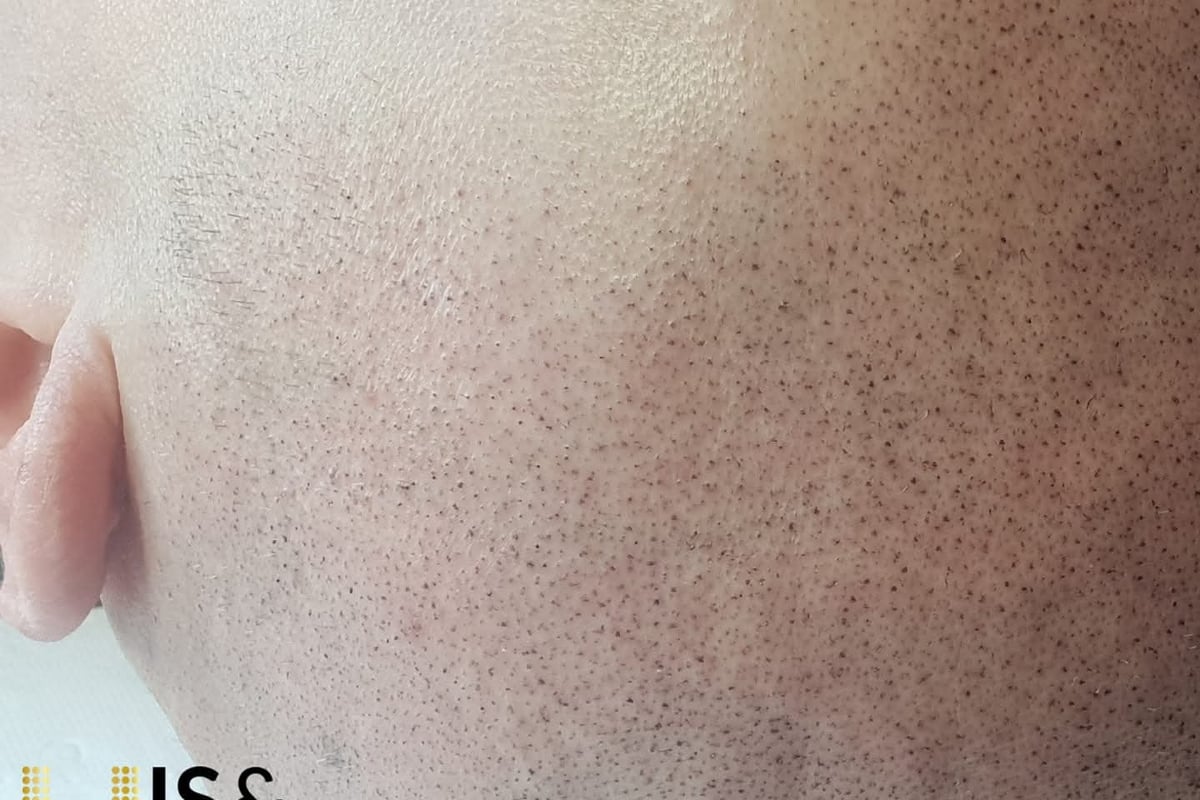
As addition to the natural remedies & treatment hairloss clients can hugely benefit from Scalp Micropigmentation. It is a process of implanting tiny, natural looking dots, imitating hair like follicles into scalp area, with sterile needle and ink to match hair colour and replicate natural hair growth. As expert of the industry HIS&HERS Micropigmentation Clinic say- its an art process and recommended fast solution to create natural looking hairline for all suffering with hair-loss clients, without waiting time. To learn more and arrange free, non obliged consultations you can contact clinic directly.
Caffeine Solutions
Topical caffeine penetrates the hair shaft to counteract DHT’s suppressive effects on follicles. In vitro studies show caffeine stimulates hair shaft elongation and prolongs the anagen phase. Look for caffeine-containing shampoos with concentrations of 0.2% or higher, leaving them on the scalp for 2-3 minutes before rinsing.
Lifestyle Modifications for Hair Preservation
Beyond targeted supplements and topical treatments, certain lifestyle factors significantly influence the progression of male pattern baldness. Addressing these foundational elements creates an environment conducive to hair retention and potentially regrowth.
Stress Management
Chronic psychological stress elevates cortisol levels, which can trigger or accelerate hair loss through multiple mechanisms. Elevated cortisol disrupts the hair growth cycle, prematurely pushing follicles into the telogen (resting) phase. Additionally, stress increases inflammation throughout the body, including the scalp.
Evidence-Based Stress Reduction Techniques:
- Meditation Practice: 15-20 minutes daily of mindfulness meditation reduces cortisol by up to 30%
- Regular Exercise: 150 minutes weekly of moderate-intensity activity optimizes hormonal balance
- Quality Sleep: 7-9 hours nightly supports growth hormone release essential for tissue repair
- Social Connection: Maintaining strong relationships buffers against stress-induced hormonal disruptions
Sleep Optimization
During deep sleep stages, the body releases growth hormone that stimulates cell reproduction and regeneration, including hair follicle cells. Sleep deprivation disrupts this process and increases inflammatory markers associated with accelerated hair loss.
|
Sleep Factor |
Optimization Strategy |
Hair Health Impact |
|---|---|---|
|
Duration |
7-9 hours nightly |
Supports complete growth hormone cycles |
|
Consistency |
Same sleep/wake times |
Regulates circadian rhythm and hormone release |
|
Quality |
Dark, cool environment |
Maximizes deep sleep percentage |
|
Pre-sleep routine |
Screen-free hour before bed |
Reduces cortisol interference |
Exercise and Circulation
Regular physical activity improves blood circulation throughout the body, including the scalp, ensuring follicles receive adequate oxygen and nutrients. However, excessive high-intensity training can elevate DHT levels temporarily, so balance remains important.
Aim for a combination of:
- Moderate-intensity cardiovascular exercise (walking, cycling, swimming) for 30-45 minutes, 5 days weekly
- Resistance training 2-3 times weekly to maintain healthy testosterone levels without excessive conversion to DHT
- Yoga or stretching to reduce stress and improve circulation to the scalp

Advanced Natural Interventions
For men seeking more aggressive natural approaches, several emerging treatments show promising results in clinical and anecdotal evidence, though they may require greater commitment and investment.
Red Light Therapy
Low-level laser therapy (LLLT) or red light therapy uses specific wavelengths (typically 630-670 nm) to stimulate cellular energy production in follicles. FDA-cleared devices for home use have demonstrated statistically significant improvements in hair density and thickness in multiple clinical trials.
The mechanism involves photobiomodulation, where red light photons are absorbed by mitochondria, increasing ATP production and promoting cell proliferation. Treatment protocols typically recommend 15-30 minute sessions, 3-4 times weekly for minimum 16-24 weeks.
You can find LLLT treatment provider in Dublin here
Platelet-Rich Plasma (PRP)
While PRP involves a medical procedure, it uses the body’s own healing factors rather than synthetic drugs. Blood is drawn, processed to concentrate platelets and growth factors, then injected into the scalp. Natural PRP treatment approaches increasingly incorporate regenerative techniques that harness the body’s innate healing capacity.
Studies show PRP can increase hair density by 20-30% after a series of 3-4 treatments spaced 4-6 weeks apart, with maintenance sessions every 6-12 months.
Onion Juice Applications
Though it may sound unconventional, topical onion juice has demonstrated remarkable results in small clinical studies. A 2002 study found that 87% of participants who applied crude onion juice twice daily for two months experienced hair regrowth, compared to just 13% in the control group.
The sulfur compounds in onions may improve collagen production and blood circulation. To use: blend onions, strain the juice, apply to scalp for 15-30 minutes, then wash thoroughly.
Creating Your Personalized Treatment Protocol
Male pattern baldness natural treatment success requires a multi-faceted, patient approach tailored to your specific situation. No single intervention works for everyone, and combining strategies typically produces superior results compared to isolated treatments.
Assessment and Baseline Documentation
Before beginning any treatment protocol:
- Take standardized photographs from front, top, and crown angles in consistent lighting
- Consider using a hair density assessment tool or app
- Document your current nutritional intake, stress levels, and sleep quality
- Evaluate family history to set realistic expectations
- Consider hormonal testing (testosterone, DHT, thyroid function) if budget allows
Building Your Protocol
A comprehensive approach might include:
Daily Actions:
- Targeted nutritional supplementation (saw palmetto, pumpkin seed oil, biotin, zinc)
- Anti-inflammatory diet rich in whole foods
- 4-minute scalp massage
- Stress management practice
3-4 Times Weekly:
- Essential oil treatment application
- Dermarolling session (if incorporating)
- Red light therapy (if using device)
Weekly
- Onion juice treatment or specialized hair mask
- Progress documentation and photos
Once every 3 years (depending on skin type)
- Scalp Micropigmentation treatment to adjust hair thinning and help with any scalp visible through patches
Hair Tattoo
For those exploring comprehensive solutions, professional treatments like Scalp Micropigmentation offer a way to create the appearance of natural follicles even in areas where regrowth proves difficult. This cosmetic tattooing procedure deposits thousands of tiny pigment dots that imitate real hair follicles, providing an immediate visual improvement while you continue pursuing natural regrowth strategies.
Monitoring and Adjusting
Hair growth cycles move slowly, with visible changes typically requiring 3-6 months of consistent intervention. Set realistic milestones:
Month 1-3: Focus on adherence and reducing shedding Month 4-6: Look for decreased hair loss and possibly early regrowth signs Month 7-12: Evaluate density improvements and overall progress
If results plateau, consider adjusting dosages, adding new interventions, or consulting with healthcare providers who specialize in integrative approaches to hair loss.
Common Mistakes to Avoid
Even well-intentioned natural treatment approaches can fail when men make these common errors:
Inconsistent Application: Natural treatments require patient, sustained use. Applying treatments sporadically or stopping after a few weeks guarantees poor results.
Unrealistic Expectations: Natural strategies for male pattern baldness work best for slowing progression and potentially achieving modest regrowth rather than restoring a full juvenile hairline.
Ignoring Professional Guidance: While these treatments are generally safe, consulting with a dermatologist or trichologist ensures you’re not missing underlying conditions like thyroid dysfunction or autoimmune disorders that require different interventions.
Product Quality Issues: Not all supplements contain what their labels claim. Choose products from reputable manufacturers who provide third-party testing certificates.
Neglecting Scalp Health: A healthy scalp environment is essential for any hair growth. Address issues like seborrheic dermatitis, excessive oiliness, or dryness as part of your comprehensive approach.
The Role of Patience and Perspective
Understanding the hair growth cycle helps set appropriate expectations. Each follicle cycles through anagen (growth), catagen (transition), and telogen (resting) phases. The anagen phase for scalp hair typically lasts 2-6 years, while telogen lasts about 3 months.
When you begin a male pattern baldness natural treatment protocol, existing hairs in telogen will still shed on schedule. New interventions primarily affect follicles entering anagen phase, meaning visible improvements lag behind biochemical changes by several months.
This timeline requires mental fortitude. Men who succeed with natural approaches typically share these characteristics:
- Commitment to 12-month minimum trial periods
- Regular documentation to track subtle changes often invisible day-to-day
- Flexibility to adjust protocols based on individual response
- Realistic understanding that stabilization represents success
- Integration of treatments into daily routines rather than viewing them as burdensome tasks
Financial Considerations
Natural treatments generally cost less than pharmaceutical alternatives or surgical interventions, but expenses accumulate over time. Budget for:
|
Treatment Category |
Monthly Cost Estimate |
Annual Investment |
|
|---|---|---|---|
|
Supplements (saw palmetto, pumpkin seed oil, biotin, zinc) |
€40-80 |
€480-960 |
|
|
Essential oils and carrier oils |
€20-40 |
€240-480 |
|
|
Quality shampoos and topical treatments |
€30-60 |
€360-720 |
|
|
Red light treatment |
€60-200 |
€600-2000 |
|
|
Dermaroller and replacements |
€100-200 |
€1000-2000 |
|
|
Professional consultations |
€100-300 |
€200-600 |
|
|
Total Range |
€350-880 |
€2880-6760 |
|
|
€125-333 |
€1500-4000 |
While this may seem significant, it represents a fraction of the cost for hair transplant surgery (€4,000-15,000) or long-term pharmaceutical treatment with potential side effects. After hair transplant the quickest and most cost- effective option is to add density effect with Scalp treatment Ireland– it will reduce the need of future surgeries and related downtime, saving money in long term approach. Also scars after surgery can be hidden using technique of small dots- Hair tattoo Dublin & Cork.
Natural approaches to male pattern baldness offer men effective tools for slowing progression and potentially stimulating regrowth without relying solely on pharmaceutical interventions. By combining nutritional optimization, targeted supplementation, topical treatments, and lifestyle modifications, many men achieve meaningful improvements in hair density and overall scalp health. If you’re ready to explore both natural strategies and professional solutions for hair restoration, HIS&HERS Micropigmentation Clinic – Scalp therapy near me provides expert guidance and advanced scalp micropigmentation services that deliver immediate, natural-looking results while you pursue your long-term hair health goals. Visit best hair tattoo clinic Dublin today and learn what we can do for you!
Leave a Reply