Hair Thinning Clinic: Your Guide to Treatment Options
Hair thinning affects millions of people worldwide, impacting confidence and quality of life in profound ways. When over-the-counter solutions fail to deliver results, seeking professional help from a hair thinning clinic becomes the logical next step. These specialized facilities offer comprehensive diagnostic services, expert consultations, and evidence-based treatments tailored to individual needs. Understanding what to expect from a professional clinic helps you make informed decisions about addressing your hair loss concerns effectively.
Understanding Hair Thinning Clinics
A hair thinning clinic specializes in diagnosing, treating, and managing various forms of hair loss. Unlike general dermatology practices, these facilities focus exclusively on hair and scalp health, employing specialists who understand the complex interplay of genetics, hormones, nutrition, and environmental factors that contribute to thinning hair.
These clinics typically employ trichologists, dermatologists, and trained technicians who work together to develop personalized treatment strategies. The American Hair Loss Association offers a comprehensive resource section that helps patients understand different types of hair loss before their first consultation.
Comprehensive Diagnostic Services
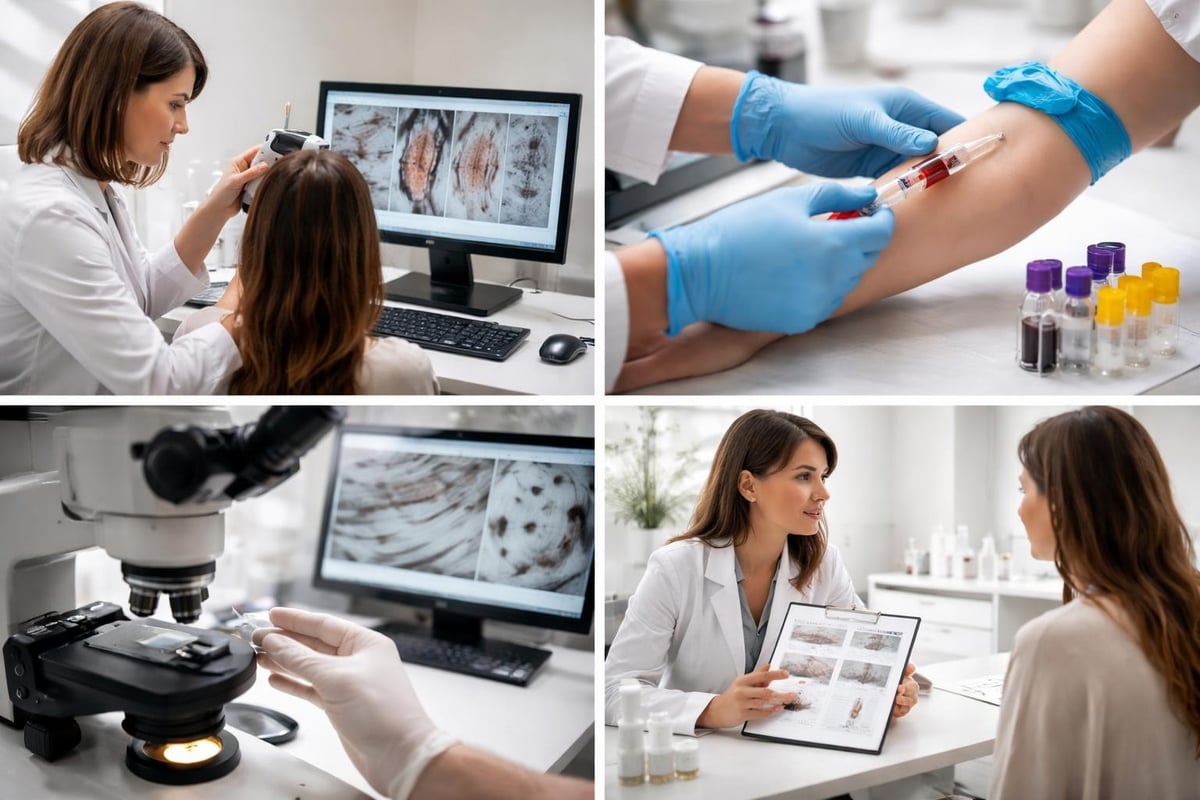
Professional clinics begin with thorough diagnostic evaluations to identify the root cause of hair thinning. This process typically includes:
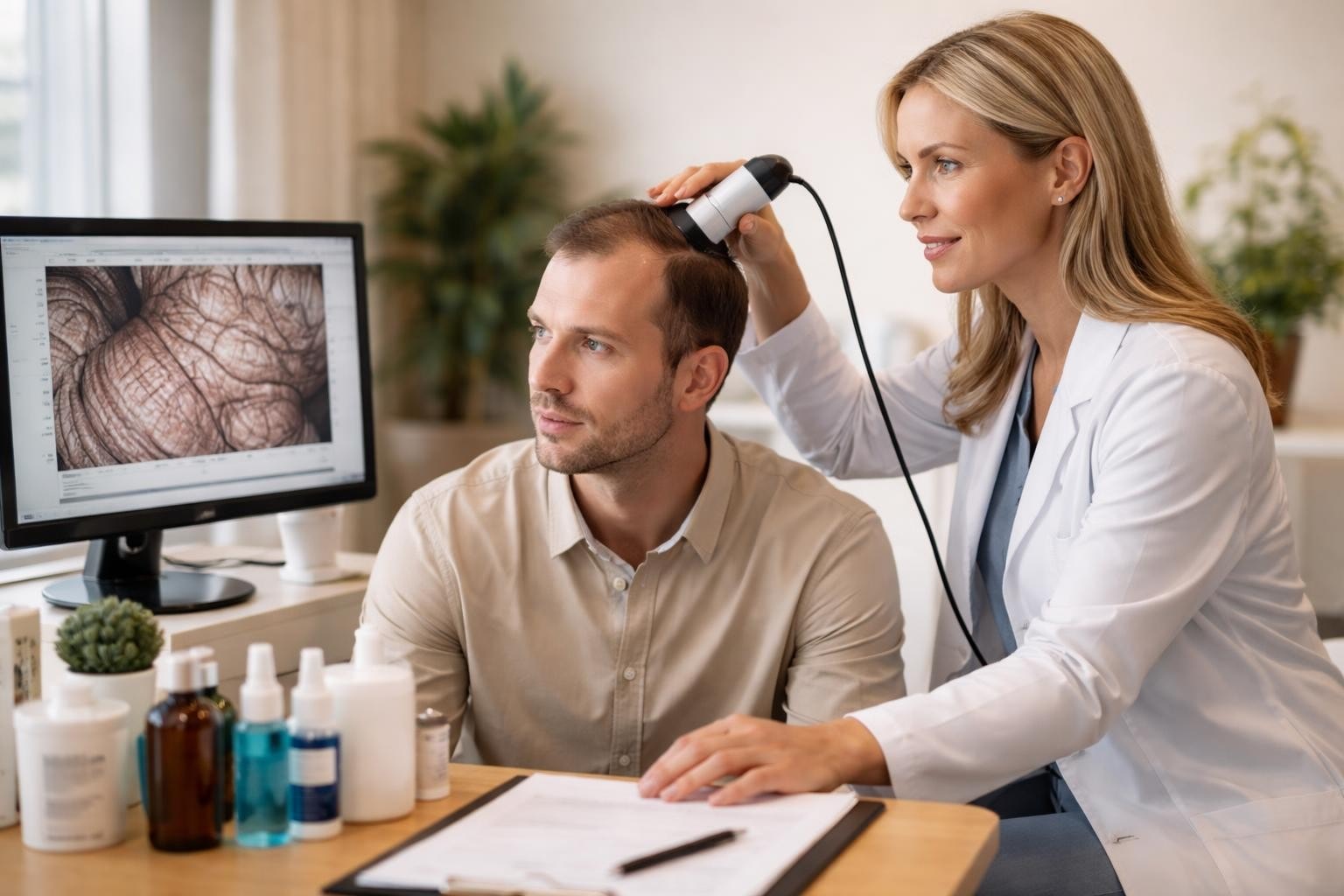
- Scalp analysis using advanced imaging technology
- Pull tests to assess hair shedding patterns
- Blood work to identify nutritional deficiencies or hormonal imbalances
- Microscopic hair examination to evaluate hair shaft integrity
- Medical history review including family patterns and medication use
The diagnostic phase separates reputable clinics from facilities offering one-size-fits-all solutions. According to WebMD’s Hair Loss Medical Reference Library, accurate diagnosis determines treatment success rates significantly.
Treatment Options Available at Hair Thinning Clinics
Modern hair thinning clinics offer diverse treatment modalities ranging from medical interventions to aesthetic solutions. Understanding these options helps set realistic expectations about outcomes and timelines.
Medical Treatments and Therapies
Clinics typically offer FDA-approved medications as first-line treatments for pattern baldness and hormonal hair loss. Minoxidil and finasteride remain the gold standard for many patients, but clinics can also prescribe specialized formulations based on individual needs.
Beyond medications, advanced therapies include:
| Treatment Type | How It Works | Typical Timeline |
|---|---|---|
| PRP Therapy | Uses platelet-rich plasma to stimulate follicles | 3-6 months for visible results |
| Low-Level Laser Therapy | Photobiomodulation encourages hair growth | 6-12 months of consistent use |
| Mesotherapy | Microinjections of vitamins and growth factors | 4-8 sessions over several months |
| Prescription Compounds | Custom formulations targeting specific causes | Varies by formulation |
These medical interventions work best when started early in the hair loss process. The World Hair Council emphasizes that intervention timing significantly impacts treatment effectiveness.
Aesthetic and Cosmetic Solutions
Not all hair thinning requires or responds to medical treatment. Many clinics now offer aesthetic solutions that provide immediate visual improvement while medical treatments take effect or serve as standalone options for advanced hair loss.
Scalp micropigmentation has emerged as a particularly effective solution for creating the appearance of fuller hair. This cosmetic tattooing procedure creates the appearance of real follicles on the scalp, helping individuals regain confidence through natural-looking results. The process involves depositing thousands of tiny micro dots of pigment imitating hair follicle size into problematic scalp areas, making it a discreet option that seamlessly blends with existing hair.
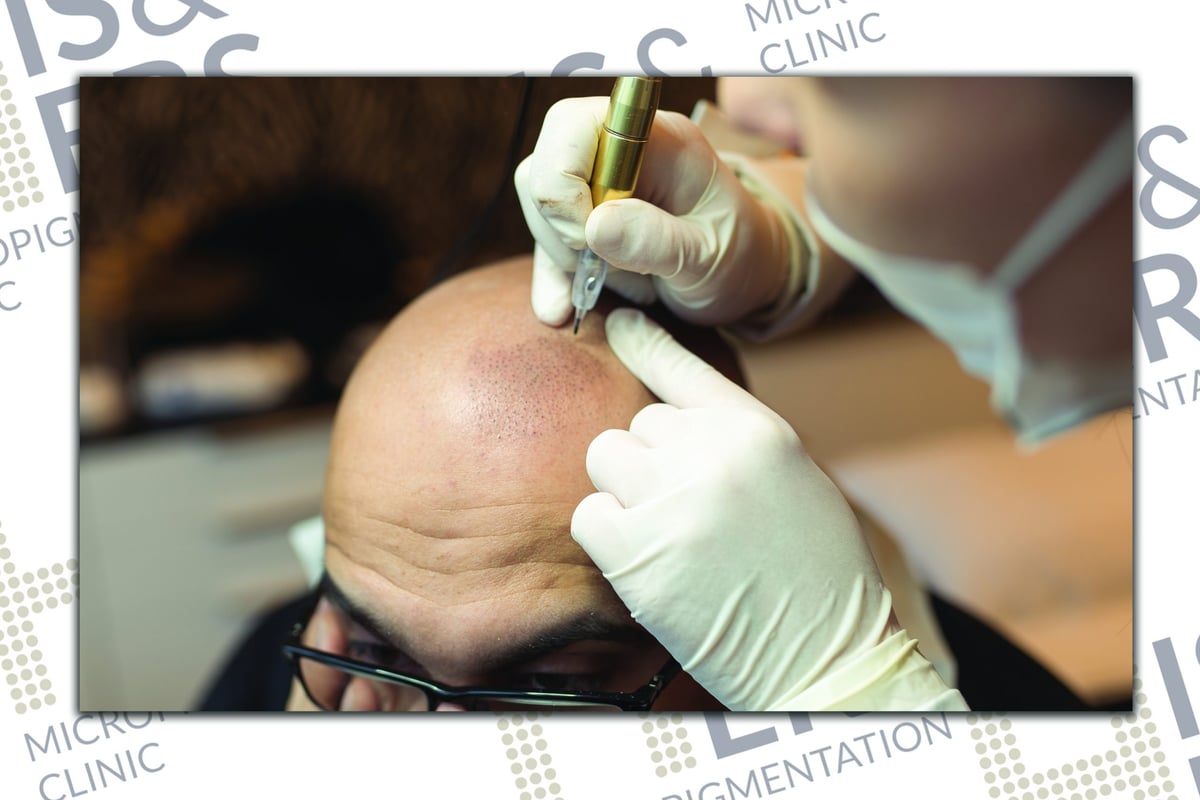
Hair systems, topical concealers, and camouflage techniques also provide valuable options for managing appearance concerns. The NHS guidance on hair loss camouflage outlines various cosmetic approaches that complement medical treatments.
Choosing the Right Hair Thinning Clinic
Selecting a qualified clinic requires careful research and consideration of several critical factors. Not all facilities offering hair loss services maintain the same standards of care or expertise.
Credentials and Qualifications Matter
Verify that the clinic employs properly credentialed professionals. Board-certified dermatologists, licensed trichologists, and trained technicians should staff reputable facilities. The International Trichology Society provides guidance on finding qualified experts who prioritize patient-centered care.
Key credentials to verify:
- Board certification in dermatology or trichology
- State licensing for all practitioners
- Membership in professional organizations
- Continuing education participation
- Transparent display of qualifications
A legitimate hair thinning clinic willingly shares practitioner credentials and welcomes questions about their training and experience. Hesitation or vague responses regarding qualifications serve as red flags.

Evaluating Consultation Quality
The initial consultation reveals much about a clinic's approach and integrity. Quality facilities provide comprehensive evaluations without pressure to commit to expensive treatments immediately.
During your consultation, expect:
- Detailed discussion of your hair loss timeline
- Physical examination of your scalp and hair
- Explanation of potential causes specific to your case
- Multiple treatment options with realistic outcome expectations
- Transparent pricing without hidden fees
- Written treatment plans you can review at home
Clinics that push single expensive solutions or guarantee unrealistic results prioritize profits over patient welfare. Trust facilities that acknowledge treatment limitations honestly and present multiple pathways forward.
What to Expect During Treatment
Understanding the treatment journey helps manage expectations and commitment levels. Hair restoration rarely happens overnight, and patience becomes essential regardless of the chosen approach.
Treatment Timelines and Milestones
Most medical treatments for hair thinning require months before visible improvement occurs. Hair growth cycles operate slowly, and new growth must progress through multiple phases before becoming cosmetically significant.
| Month | Typical Progress | What to Monitor |
|---|---|---|
| 1-3 | Initial adjustment period | Possible increased shedding (normal) |
| 3-6 | Early new growth begins | Finer hairs appearing in thinning areas |
| 6-9 | Noticeable improvement | Thicker hair texture developing |
| 9-12 | Significant results | Continued density improvement |
| 12+ | Maintenance phase | Sustained results with ongoing treatment |
Your hair thinning clinic should schedule regular follow-up appointments to monitor progress and adjust treatments as needed. Documentation through photographs helps track changes that occur gradually.
Managing Costs and Commitment
Professional hair loss treatment represents a significant financial investment. Clinics should provide transparent pricing structures that help you budget appropriately.
Cost considerations include:
- Initial consultation and diagnostic fees
- Ongoing treatment product expenses
- Follow-up appointment charges
- Maintenance requirements
- Potential need for combination therapies
Many clinics offer payment plans or packages that reduce per-treatment costs. However, beware of contracts that lock you into long-term commitments before you can evaluate treatment effectiveness.
Complementary Care and Lifestyle Factors
Reputable hair thinning clinics address more than just clinical treatments. They educate patients about lifestyle factors that influence hair health and complement professional interventions.
Nutrition and Supplementation
Hair follicles require specific nutrients to function optimally. Deficiencies in iron, vitamin D, biotin, zinc, and protein all contribute to hair thinning. Quality clinics often partner with nutritionists or provide guidance on dietary optimization.
Philip Kingsley’s Hair Guide offers expert advice on nutrition's role in hair and scalp health. Your clinic should assess nutritional status and recommend appropriate supplementation based on laboratory findings rather than generic advice.
Essential nutrients for hair health:
- Iron for oxygen transport to follicles
- Vitamin D for follicle cycling regulation
- Biotin for keratin production
- Zinc for tissue repair and growth
- Protein as the building block of hair structure
Stress Management and Sleep
Chronic stress triggers telogen effluvium, a form of temporary hair loss that can become persistent without intervention. Professional clinics recognize the mind-body connection and may recommend stress reduction techniques alongside medical treatments.
Quality sleep supports hormone regulation and cellular repair processes essential for healthy hair growth. Your treatment plan should address sleep hygiene if assessments reveal deficiencies in this area.
Advanced Technologies in Hair Thinning Clinics
Modern facilities increasingly adopt cutting-edge technologies that improve diagnostic accuracy and treatment outcomes. Understanding these innovations helps identify clinics investing in the latest evidence-based approaches.
Diagnostic Imaging Advances
High-resolution scalp imaging allows practitioners to visualize follicle miniaturization, density patterns, and scalp conditions invisible to the naked eye. Digital tracking systems document treatment progress objectively through standardized photography and follicle counting.
Advanced diagnostic tools include:
- Trichoscopy for magnified scalp examination
- Phototrichogram analysis for growth rate assessment
- 3D scalp mapping for precise density measurement
- AI-assisted pattern recognition for diagnosis
- Folliscope technology for follicle health evaluation
These technologies support data-driven treatment decisions rather than subjective assessments. Clinics utilizing advanced diagnostics demonstrate commitment to precision medicine approaches.
Emerging Treatment Modalities
Research continually produces new treatment options for hair thinning. Forward-thinking clinics stay current with emerging therapies while maintaining realistic perspectives about their effectiveness.
Recent innovations gaining traction include:
- Exosome therapy delivering growth factors to follicles
- Microneedling enhancing topical treatment absorption
- Stem cell treatments for follicle regeneration
- Customized topical compounds based on genetic testing
- Regenerative medicine approaches using biological materials
HairScience.org offers unbiased treatment information reviewed by board-certified experts, helping patients distinguish promising therapies from unproven claims. Your hair thinning clinic should discuss both established and emerging options while clearly stating evidence levels supporting each approach.
Red Flags to Avoid
Not all facilities calling themselves hair thinning clinics operate with patient best interests as their priority. Recognizing warning signs protects you from ineffective treatments and financial exploitation.
Immediate red flags include:
- Guaranteed results or unrealistic promises
- Pressure to pay for treatments during first visit
- Reluctance to provide written treatment plans
- Lack of proper licensing or credentials
- Single treatment approach regardless of diagnosis
- No follow-up appointments or progress monitoring
- Dismissal of questions or concerns
- Extremely high prices without justification
- No refund or satisfaction policies
Trust your instincts if something feels wrong. The American Hair Loss Association’s publications provide educational resources helping consumers identify reputable providers versus those making exaggerated claims.
Understanding Marketing Versus Medicine
Effective hair thinning clinics balance marketing with medical ethics. While all businesses must attract clients, medical practices should never prioritize sales over patient welfare.
Quality clinics educate rather than persuade. They present treatment options objectively, acknowledge limitations honestly, and respect patient autonomy in decision-making. Facilities employing high-pressure sales tactics or multilevel marketing approaches should raise immediate concerns.
Long-Term Relationship with Your Clinic
Successful hair loss management often requires ongoing care extending months or years. Establishing a productive relationship with your hair thinning clinic enhances outcomes and satisfaction.
Communication and Support
Your clinic should provide clear channels for asking questions between appointments and addressing concerns promptly. Responsive communication indicates patient-centered care rather than transactional relationships.
Expect your clinic to offer:
- Direct access to practitioners for urgent concerns
- Educational resources about your specific condition
- Regular progress assessments with adjustments
- Honest discussions about treatment effectiveness
- Emotional support addressing confidence impacts
Hair loss affects psychological wellbeing significantly. Clinics acknowledging the emotional dimensions while providing practical solutions deliver comprehensive care that addresses both physical and mental health aspects.
Adapting Treatments Over Time
Hair loss patterns evolve, and treatment responses vary among individuals. Your clinic should regularly reassess your condition and modify approaches based on results rather than rigidly following initial plans regardless of outcomes.
Flexibility demonstrates commitment to your specific needs rather than protocol adherence. Practitioners should explain why adjustments occur and what different results to expect from modified treatments.
Choosing the right hair thinning clinic transforms your hair loss journey from frustration to empowerment through expert guidance and effective solutions. Whether you pursue medical treatments, aesthetic procedures, or combination approaches, professional care delivers results that DIY attempts cannot match. HIS&HERS Micropigmentation Clinic specializes in advanced scalp micropigmentation and permanent makeup treatments, offering personalized solutions that restore confidence through natural-looking results. Schedule your consultation today to explore how professional expertise can address your unique hair thinning concerns.
Leave a Reply