Hair Scalp Clinic: Expert Solutions for Scalp Health
When scalp issues affect your daily life, finding the right professional care becomes essential. A specialized hair scalp clinic offers comprehensive diagnostic services and targeted treatments that address everything from persistent dandruff to complex hair loss conditions. These clinical settings combine dermatological expertise with advanced treatment protocols, creating a bridge between cosmetic concerns and medical solutions. Understanding what these facilities offer and how to choose the right one empowers you to take control of your scalp health journey with confidence.
Understanding the Role of a Hair Scalp Clinic
A hair scalp clinic functions as a specialized medical facility dedicated to diagnosing and treating disorders affecting the scalp and hair. Unlike general dermatology practices, these clinics focus exclusively on trichological conditions, bringing together specialists who understand the complex relationship between scalp health, hair growth cycles, and overall wellbeing.
The primary services offered typically include:
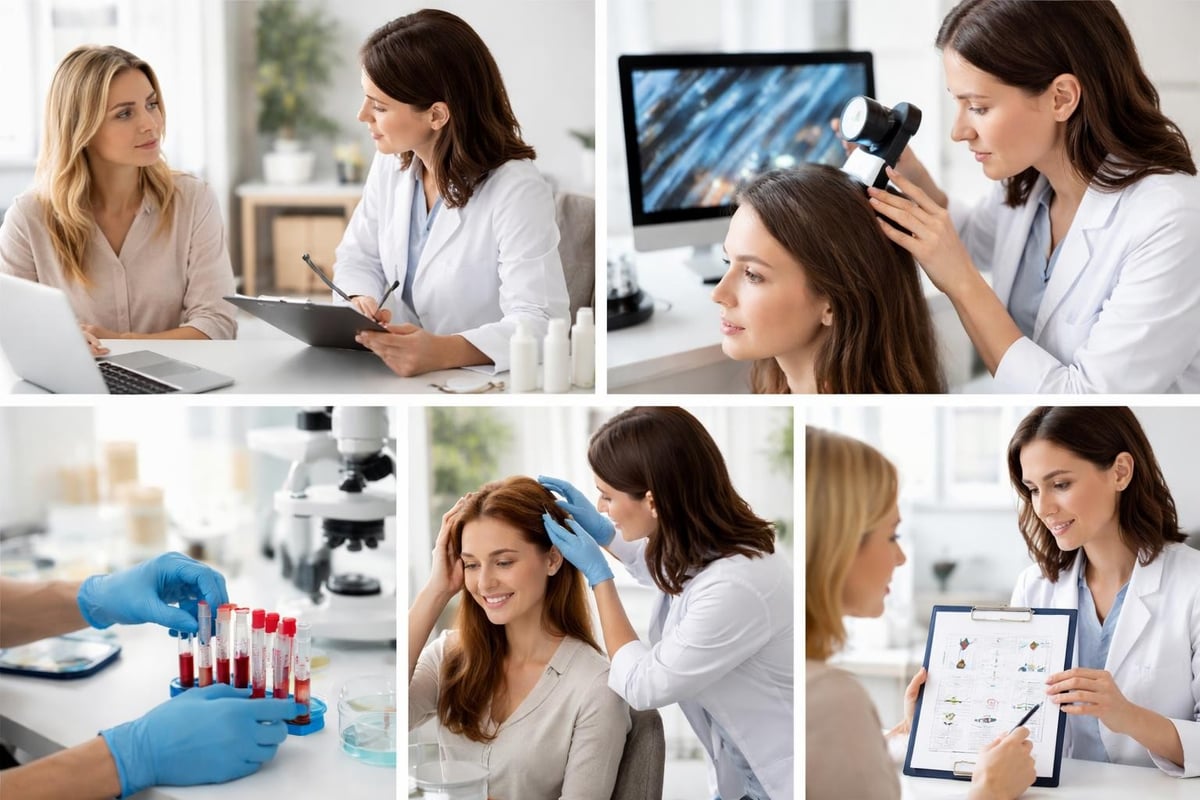
- Comprehensive scalp analysis using specialized diagnostic equipment
- Microscopic hair and scalp examination
- Blood tests to identify nutritional deficiencies or hormonal imbalances
- Customized treatment plans addressing individual conditions
- Follow-up monitoring to track progress and adjust protocols
Conditions Treated at Specialized Clinics
Hair scalp clinics address a wide spectrum of conditions that impact both appearance and comfort. Androgenetic alopecia, commonly known as pattern baldness, represents one of the most frequent concerns brought to these facilities. This hereditary condition affects millions worldwide and requires expert diagnosis to distinguish it from other forms of hair loss.
Inflammatory scalp conditions like seborrheic dermatitis and psoriasis also fall within the treatment scope. These conditions create chronic discomfort, flaking, and sometimes permanent damage if left unmanaged. The American Hair Loss Association offers resources that help patients understand these various conditions before their clinic visit.
| Condition Type | Common Symptoms | Typical Treatment Duration |
|---|---|---|
| Androgenetic Alopecia | Gradual thinning, receding hairline | 6-12 months minimum |
| Telogen Effluvium | Sudden shedding, diffuse thinning | 3-6 months |
| Alopecia Areata | Circular bald patches | Variable, 6-18 months |
| Scalp Psoriasis | Red patches, silvery scales | Ongoing management |
| Folliculitis | Inflamed follicles, pustules | 2-6 weeks |
The Diagnostic Process
When you visit a hair scalp clinic, the diagnostic process begins with a detailed medical history review. Specialists inquire about family history, recent stressors, dietary changes, medications, and hair care practices. This comprehensive background helps identify potential triggers or contributing factors to your scalp condition.
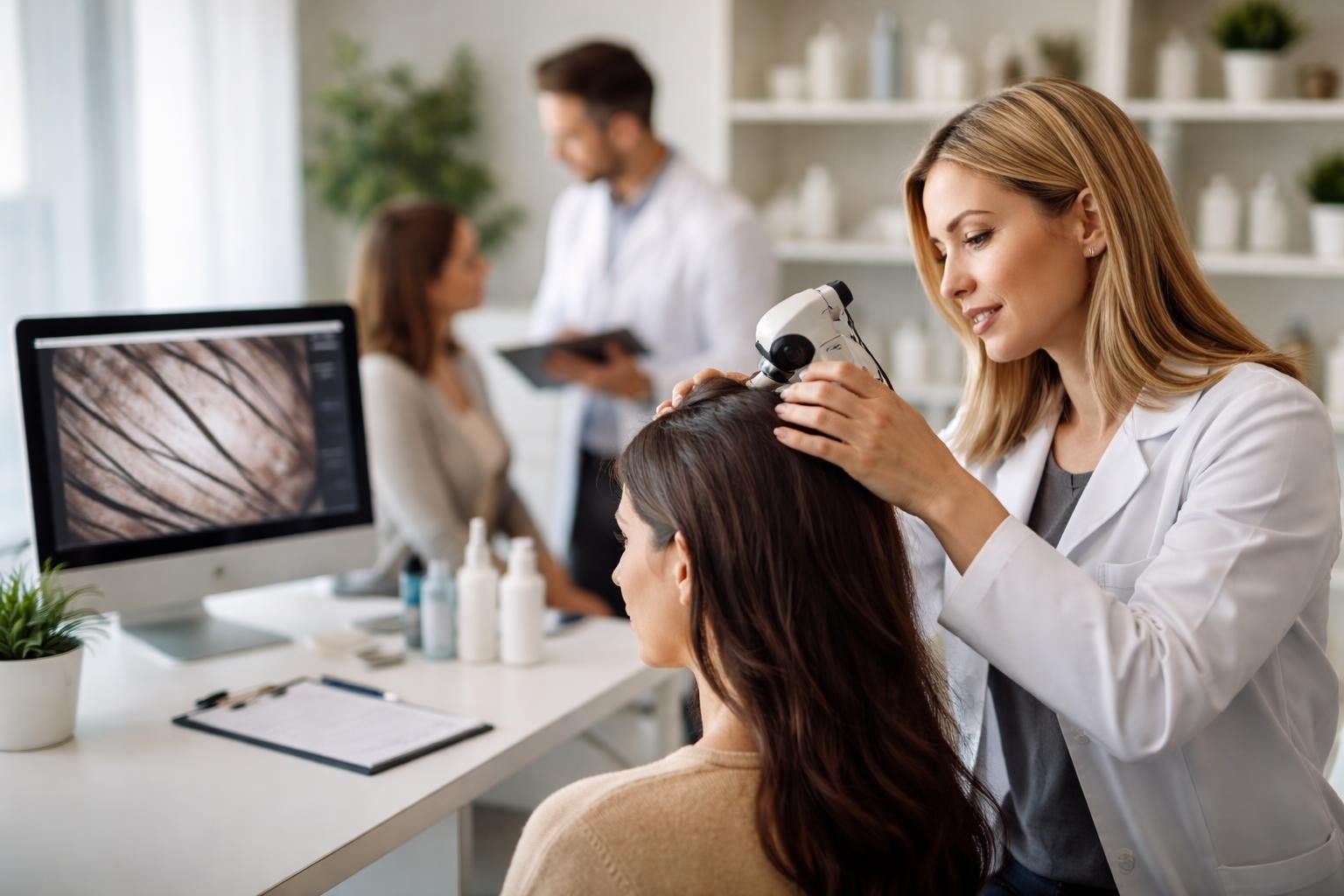
Physical examination follows, often utilizing dermoscopy or trichoscopy. These non-invasive techniques allow practitioners to examine the scalp at high magnification, revealing patterns invisible to the naked eye. The pull test, density assessment, and miniaturization analysis provide quantitative data about hair health and growth patterns.
Treatment Approaches in Modern Hair Scalp Clinics
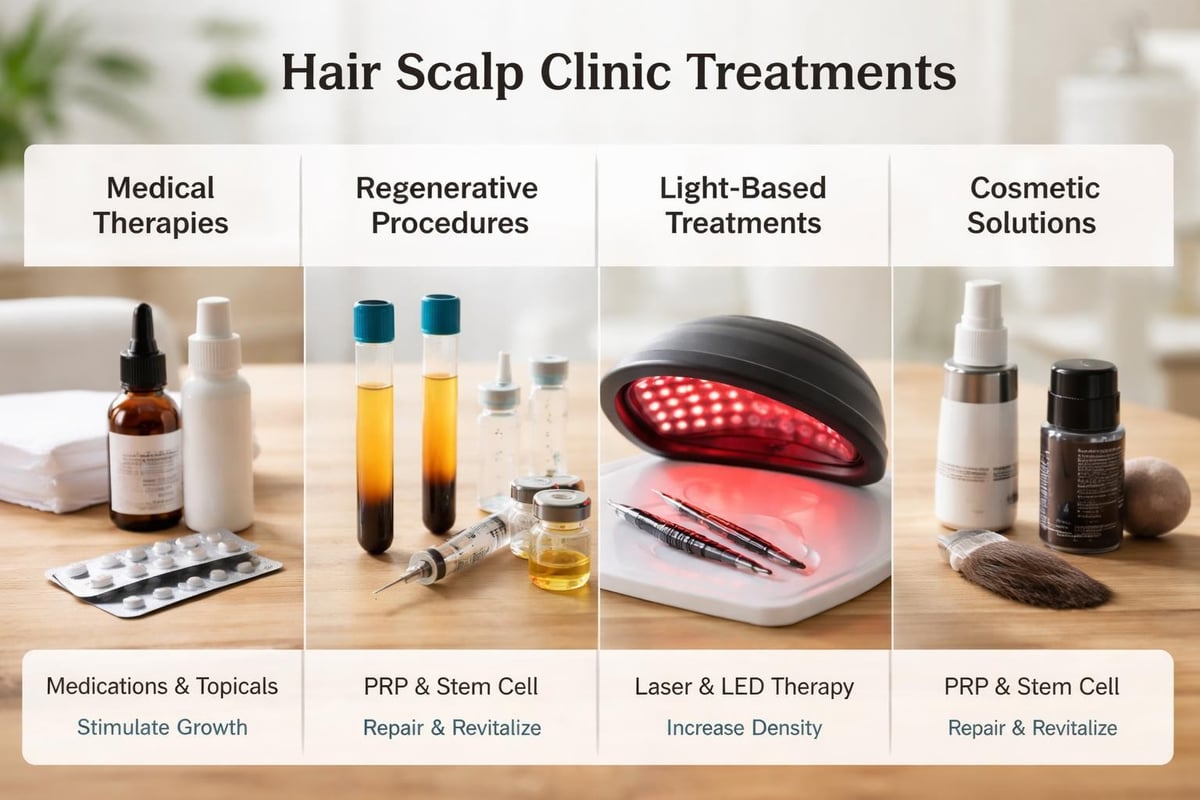
Treatment protocols at a hair scalp clinic vary significantly based on the diagnosed condition. Medical interventions often form the foundation of care, with topical minoxidil and oral finasteride representing first-line treatments for androgenetic alopecia. These FDA-approved medications have demonstrated efficacy in clinical trials, though results vary among individuals.
Advanced therapies have expanded treatment possibilities considerably. Platelet-rich plasma (PRP) injections harness the body’s healing properties by concentrating growth factors from your own blood. This regenerative approach stimulates dormant follicles and improves hair density in many patients. UCLA Health’s Hair and Scalp Disorder Clinic pioneered many protocols now used in specialized facilities nationwide.
Low-level light therapy represents another non-invasive option gaining traction. These devices use specific wavelengths to energize cellular metabolism within hair follicles, promoting stronger growth and reducing inflammation. The convenience of at-home devices has made this treatment increasingly accessible.
Cosmetic Solutions for Immediate Results
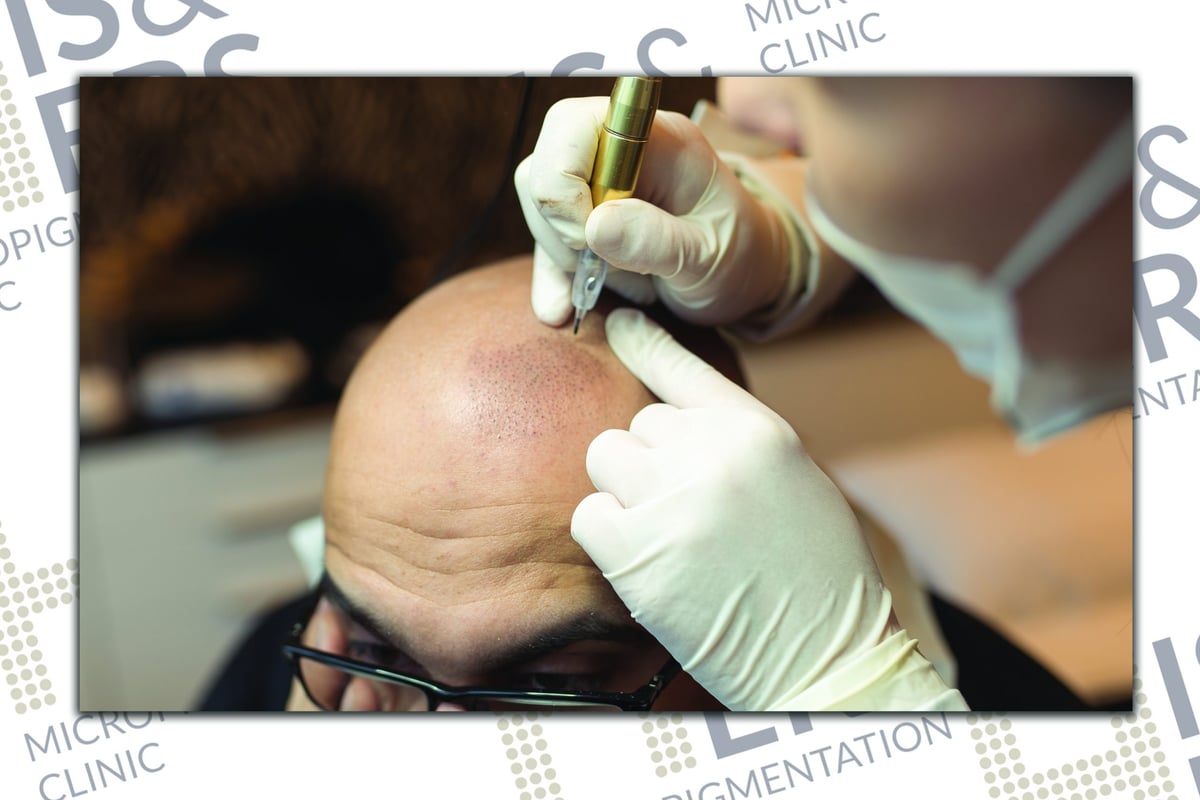
While medical treatments require months to show results, some patients seek immediate cosmetic improvements. For those experiencing significant hair loss who want an instant solution, specialized procedures offer viable alternatives. Scalp micropigmentation has emerged as a popular option, creating the appearance of natural hair density through carefully placed pigment deposits.
This cosmetic tattooing technique replicates the look of closely shaved hair or adds density to thinning areas. Scalp micropigmentation delivers natural-looking results that boost confidence while medical treatments work in the background. The procedure involves depositing thousands of tiny pigment dots that mimic hair follicles, creating an undetectable enhancement that works for various stages of hair loss.
Nutritional and Lifestyle Interventions
A comprehensive hair scalp clinic addresses more than surface-level symptoms. Nutritional deficiencies frequently contribute to scalp problems and hair loss. Iron, vitamin D, biotin, and zinc deficiencies can all manifest as hair thinning or poor scalp health.
Essential nutrients for optimal hair and scalp health:
- Iron – Supports oxygen transport to follicles
- Protein – Provides building blocks for hair structure
- Omega-3 fatty acids – Reduces inflammation and nourishes follicles
- B-complex vitamins – Supports cellular metabolism and growth
- Vitamin D – Regulates hair growth cycles
- Zinc – Essential for protein synthesis and tissue repair
Lifestyle modifications often complement medical treatments. Stress management techniques, improved sleep hygiene, and modifications to hair care routines can significantly impact treatment outcomes. Philip Kingsley’s Hair Guide provides evidence-based recommendations for maintaining scalp health through daily habits.
Choosing the Right Hair Scalp Clinic
Selecting an appropriate hair scalp clinic requires careful consideration of several factors. Credentials and specialization should top your priority list. Look for facilities staffed by board-certified dermatologists or certified trichologists with specific training in hair and scalp disorders.
The range of available treatments indicates a clinic’s capability to address diverse needs. Facilities offering only one or two treatment modalities may lack the flexibility to adapt protocols as your condition evolves. Comprehensive clinics provide multiple options, from medical management to advanced procedures.
| Evaluation Criteria | What to Look For | Red Flags |
|---|---|---|
| Professional Credentials | Board certification, trichology training | Vague qualifications, no verifiable credentials |
| Treatment Options | Multiple evidence-based therapies | Single-solution approach, unproven treatments |
| Diagnostic Tools | Modern equipment, comprehensive testing | Visual assessment only |
| Patient Reviews | Consistent positive outcomes, realistic expectations | Guaranteed results, before/after photos only |
| Transparency | Clear pricing, detailed treatment plans | Hidden costs, pressure tactics |
Questions to Ask During Consultation
Your initial consultation provides an opportunity to evaluate both the facility and the practitioner. Prepare specific questions that reveal the clinic’s approach and expertise. Ask about their experience treating your specific condition and the typical success rates they observe.
Inquire about the expected timeline for results and what “success” means in measurable terms. Finding qualified trichology experts requires understanding the difference between realistic outcomes and exaggerated promises.
Request information about potential side effects and alternative approaches if first-line treatments prove ineffective. A reputable hair scalp clinic will discuss both benefits and limitations transparently, helping you make informed decisions about your care.
The Importance of Specialized Expertise
General practitioners can identify obvious scalp conditions, but complex cases benefit from specialized knowledge. Trichologists undergo extensive training specifically focused on hair and scalp science, including the biological, chemical, and physiological aspects of hair growth. This specialized education enables them to recognize subtle patterns and connections that generalists might miss.
The Institute of Trichologists maintains rigorous standards for professional practice, ensuring members stay current with emerging research and treatment innovations. When choosing a hair scalp clinic, verify that practitioners hold recognized credentials from established professional organizations.
The diagnostic nuance required for accurate treatment planning cannot be overstated. Similar symptoms can indicate vastly different underlying conditions. Diffuse hair shedding, for example, might result from telogen effluvium, chronic telogen effluvium, diffuse alopecia areata, or early androgenetic alopecia. Each requires a distinct treatment approach.
Technology and Innovation in Scalp Care
Modern hair scalp clinics leverage technology to enhance diagnostic accuracy and treatment effectiveness. Digital trichoscopy captures high-resolution images of the scalp, allowing practitioners to track changes over time with objective measurements. This quantitative approach removes guesswork from progress evaluation.
Artificial intelligence applications are beginning to assist in pattern recognition and treatment selection. These systems analyze thousands of cases to identify correlations between patient characteristics and treatment outcomes, supporting more personalized care plans.
3D scalp mapping creates detailed topographical models that reveal density variations across different scalp regions. This information guides targeted treatment application and helps predict how hair loss patterns might progress.
Treatment Expectations and Realistic Outcomes
Setting appropriate expectations forms a critical component of successful hair scalp clinic experiences. Hair growth follows biological timelines that cannot be rushed. The hair growth cycle includes anagen (growth), catagen (transition), and telogen (resting) phases, with each complete cycle lasting several months.
Most medical treatments require a minimum of three to six months before visible improvements emerge. Some patients experience initial shedding as treatments shift hairs from resting to growth phases. Stanford Health Care’s resources explain these phenomena and help patients understand what to expect during treatment.
Maintenance represents another important consideration. Many treatments require ongoing use to sustain results. Discontinuing medications like minoxidil or finasteride typically results in gradual return to baseline within months.
Combination Therapy Approaches
Progressive hair scalp clinics often recommend combination therapies that address hair loss through multiple mechanisms. Combining oral medications with topical treatments and procedural interventions can produce synergistic effects superior to single-modality approaches.
A typical combination protocol might include:
- Daily topical minoxidil for vasodilation and growth stimulation
- Oral finasteride to block DHT hormone conversion
- Quarterly PRP sessions for regenerative support
- Low-level light therapy three times weekly
- Nutritional supplementation targeting identified deficiencies
This multi-pronged strategy addresses various pathways contributing to hair loss, maximizing the likelihood of positive outcomes. Learning about treatment options helps patients understand how different interventions work together.
Long-Term Scalp Health Maintenance
Success at a hair scalp clinic extends beyond initial treatment. Maintaining results requires ongoing attention to scalp health practices. Gentle cleansing techniques that remove buildup without stripping natural oils support optimal follicle function. Harsh shampoos containing sulfates or excessive detergents can damage the scalp barrier and exacerbate certain conditions.
Regular scalp exfoliation removes dead skin cells and promotes healthy cellular turnover. This practice proves particularly beneficial for those with seborrheic dermatitis or other conditions causing excessive flaking. However, over-exfoliation can trigger inflammation, so moderation remains key.
Protection from environmental stressors includes sun protection for the scalp, especially in areas with thinning hair. UV damage affects both skin cells and hair follicles, potentially accelerating aging processes. Wearing hats or applying SPF-containing scalp treatments helps prevent this damage.
Monitoring and Follow-Up Care
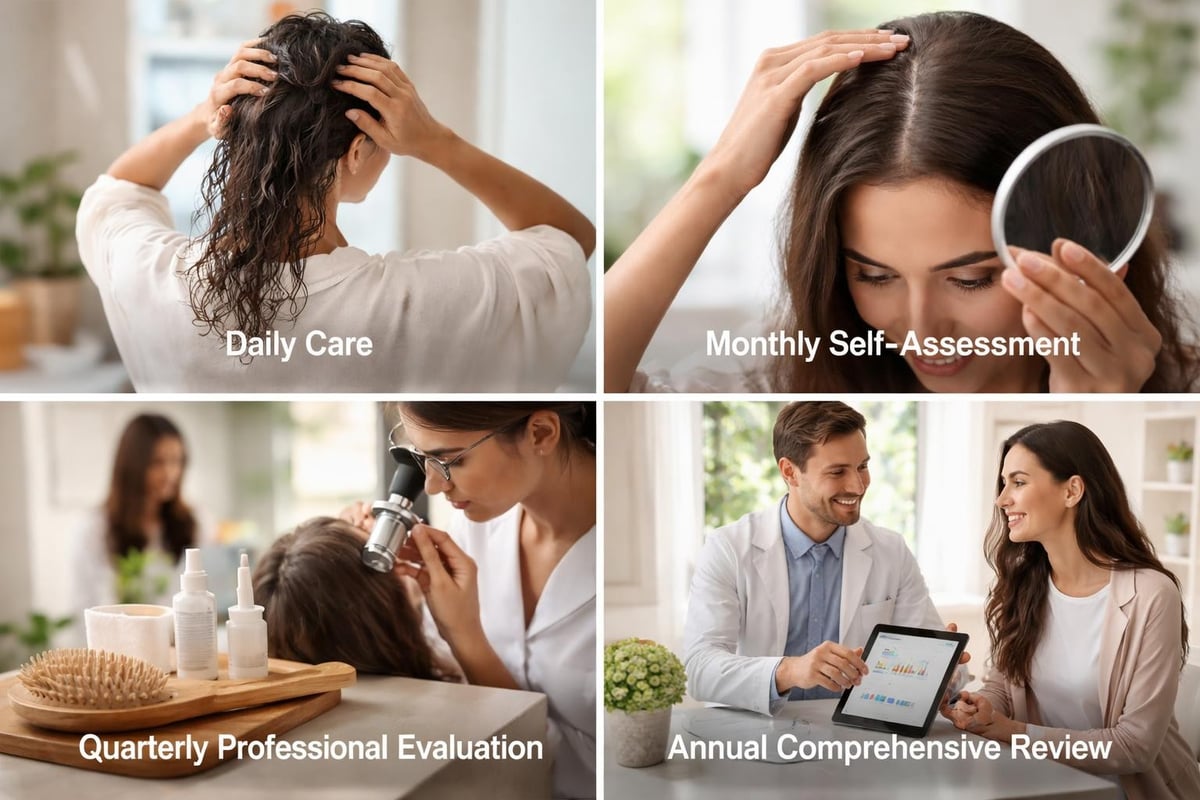
Establishing a relationship with a hair scalp clinic creates opportunities for ongoing monitoring and early intervention if conditions change. Regular check-ups allow practitioners to detect subtle shifts in scalp health before they become problematic.
Photography protocols document progress objectively. Standardized lighting, angles, and hair positioning ensure that comparison photos accurately reflect changes rather than variations in image capture. Many clinics now use specialized photography equipment designed specifically for hair and scalp documentation.
Adjusting treatment protocols based on response patterns optimizes outcomes. Some individuals respond robustly to initial treatments, while others require modifications or alternative approaches. Maintaining scalp health involves adapting strategies as your needs evolve.
The Psychological Impact of Scalp Conditions
Hair loss and visible scalp conditions carry significant psychological weight. Research consistently demonstrates connections between hair loss and decreased self-esteem, social anxiety, and even depression. A quality hair scalp clinic recognizes these emotional dimensions and addresses them alongside physical symptoms.
Support groups and counseling resources complement medical treatments for many patients. Connecting with others experiencing similar challenges reduces isolation and provides practical coping strategies. Some clinics facilitate these connections or maintain referral relationships with mental health professionals experienced in appearance-related concerns.
The confidence restoration that follows successful treatment extends far beyond cosmetic improvement. Patients frequently report enhanced professional opportunities, improved social interactions, and greater overall life satisfaction. These outcomes underscore the value of seeking expert care rather than accepting scalp problems as inevitable.
Addressing scalp and hair concerns requires specialized knowledge and personalized treatment approaches that general healthcare settings may not provide. Whether you’re dealing with hair loss, chronic scalp conditions, or simply want to optimize your hair health, working with dedicated professionals makes a meaningful difference in outcomes. HIS&HERS Micropigmentation Clinic combines expertise in scalp health with advanced cosmetic solutions, offering comprehensive care and hair tattoo that addresses both the medical and aesthetic dimensions of scalp concerns. Take the first step toward healthier hair and renewed confidence by scheduling a consultation today –contact us
scalp.ie

Leave a Reply