

Hair Loss Cover Up: Solutions for Thinning Hair in 2026
Hair loss affects millions of people worldwide, impacting confidence and self-esteem in profound ways. Whether experiencing gradual thinning, pattern baldness, or sudden hair loss from medical conditions, individuals seek effective methods to restore their appearance and regain confidence. The hair loss cover up industry has evolved significantly, offering solutions ranging from temporary cosmetic products to permanent procedures that create natural-looking results. Understanding the available options empowers you to choose the approach that best fits your lifestyle, budget, and long-term goals.
Understanding Hair Loss Cover Up Options
The market for hair loss concealment products has expanded dramatically over the past decade. Today's solutions cater to different severity levels, hair types, and personal preferences.
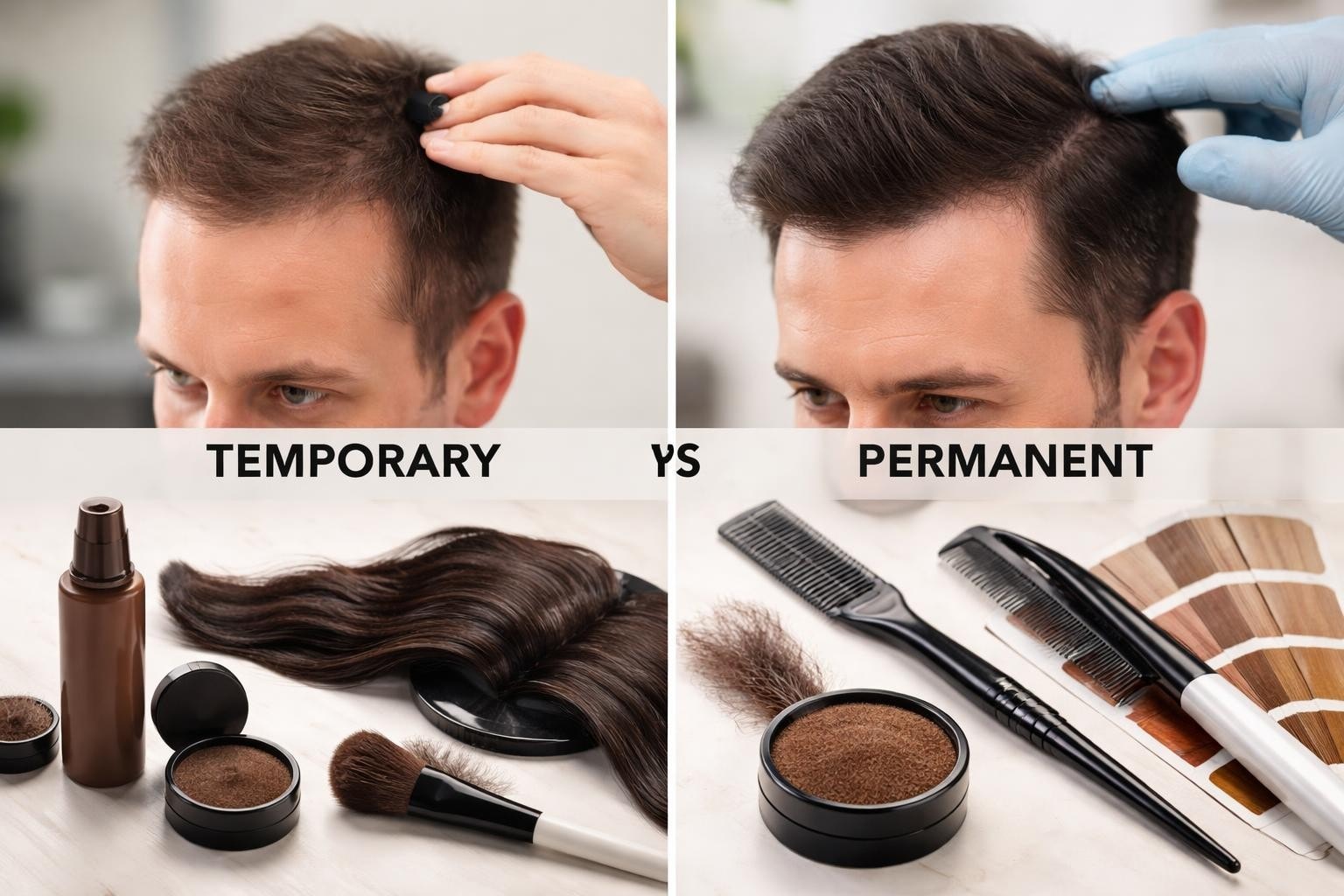
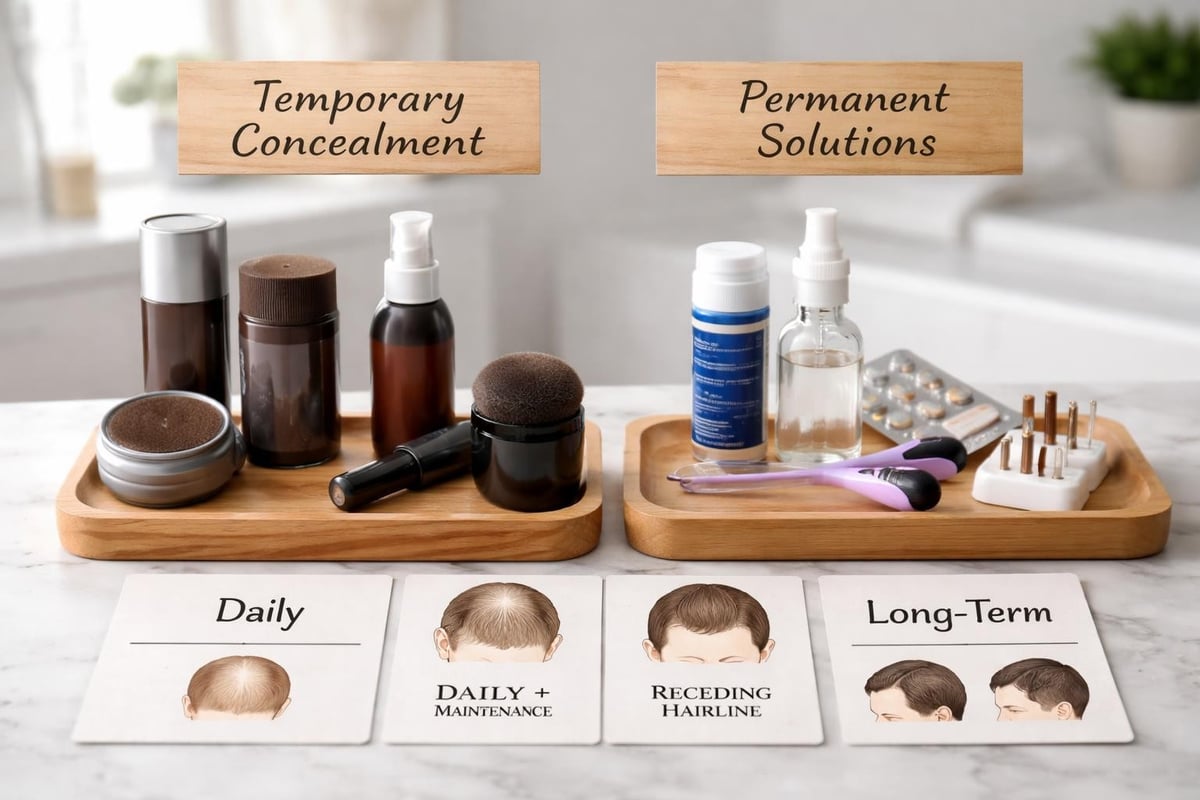
Temporary hair loss cover up products provide immediate results without long-term commitment. These include hair fibers, scalp powders, and spray concealers that mask thinning areas within minutes. The National Alopecia Areata Foundation discusses various methods for covering hair loss, ranging from cosmetic products to strategic styling techniques.
Permanent solutions offer more lasting results. These include surgical hair transplants, non-surgical hair systems, and cosmetic tattooing procedures. Each approach addresses different aspects of hair loss, from creating density to defining hairlines.
Temporary Versus Permanent Solutions
When choosing a hair loss cover up method, consider your daily routine, budget constraints, and desired longevity of results. Temporary options require ongoing application and maintenance, while permanent solutions involve upfront investment with minimal daily upkeep.
| Solution Type | Duration | Cost Range | Maintenance Level | Natural Appearance |
|---|---|---|---|---|
| Hair Fibers | 1-2 days | $20-$50/month | High (daily) | Good to Excellent |
| Scalp Powders | 1 day | $15-$40/month | High (daily) | Good |
| Hair Systems | 4-8 weeks | $500-$3000/year | Medium (monthly) | Excellent |
| Scalp Pigmentation | 3-5 years | $1500-$4000 | Low (touch-ups) | Excellent |
| Hair Transplant | Permanent | $4000-$15000 | Low | Excellent |
Hair Fibers and Powder Concealers
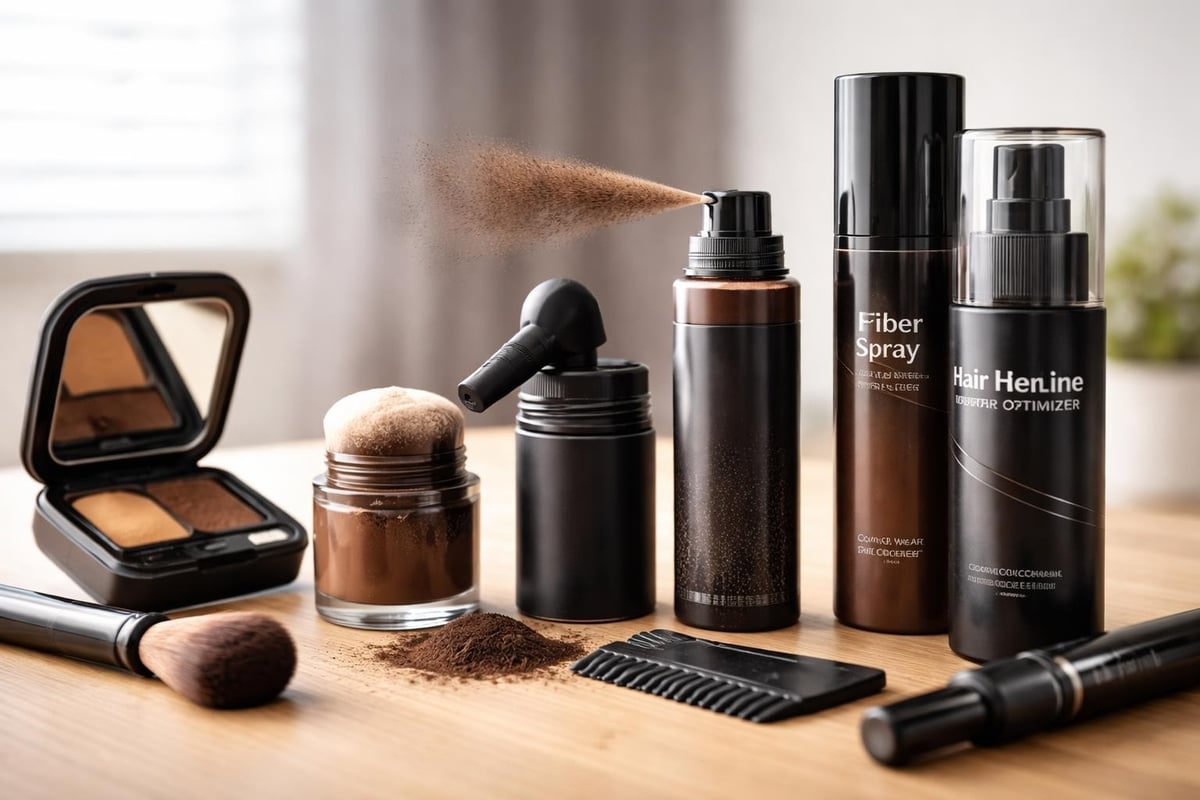
Hair building fibers represent one of the most popular temporary hair loss cover up solutions available today. These microscopic fibers carry a static charge that bonds them to existing hair strands, creating the appearance of fuller, thicker hair instantly.
How Hair Fibers Work
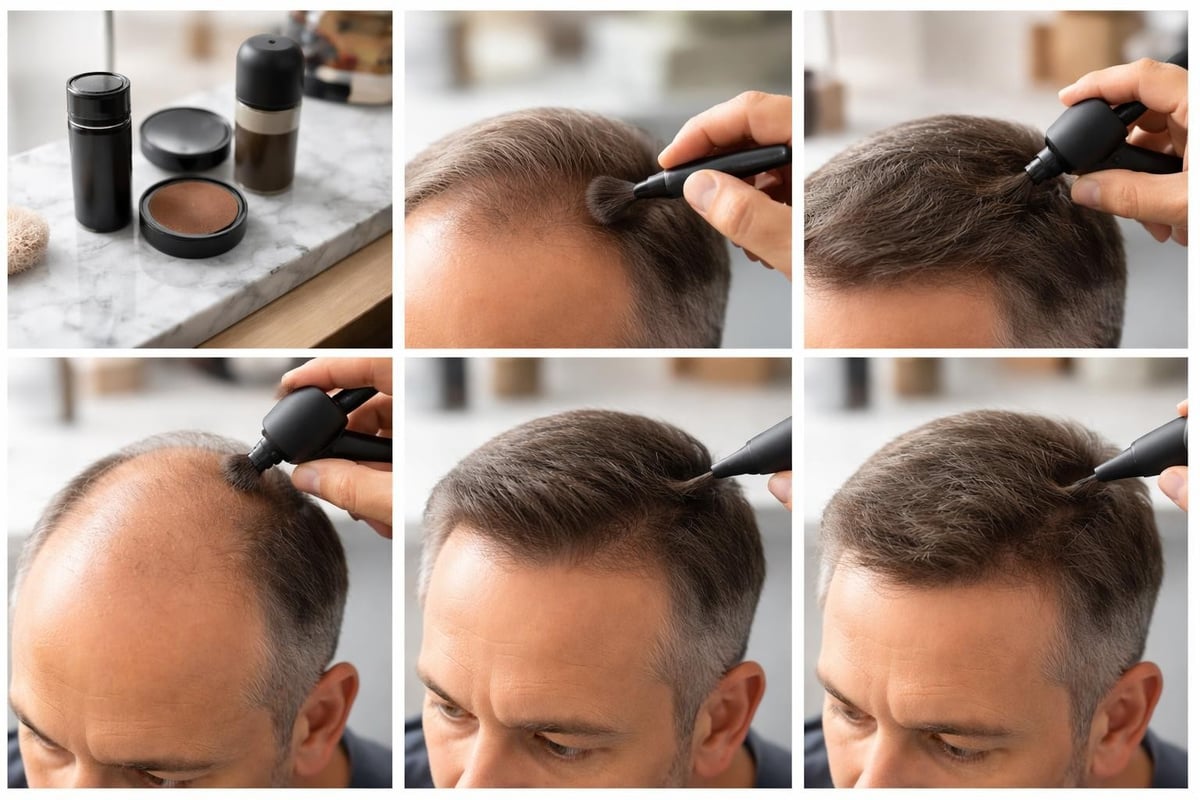
The application process takes just minutes. You simply shake or spray the fibers onto thinning areas, where they cling to your natural hair through static electricity. The Hair Transplant Network explores topical hair loss cover-ups including fiber products and their effectiveness in disguising thinning areas.
Key benefits of hair fibers include:
- Immediate visual improvement in hair density
- Natural appearance when properly applied
- Available in multiple colors for perfect matching
- Water-resistant formulations for durability
- Easy removal with regular shampooing
Limitations to consider:
- Requires daily application as part of your routine
- Can transfer onto pillowcases or clothing
- May not work effectively on completely bald areas
- Performance varies in humid or wet conditions
- Ongoing monthly expense for product replacement
Selecting Quality Fiber Products
Not all hair fiber products deliver equal results. Premium formulations use natural keratin proteins that blend seamlessly with your existing hair. Cheaper alternatives may contain synthetic fibers that look obvious under certain lighting conditions.
Color matching is critical for natural results. Most brands offer multiple shades, and some individuals blend two colors to achieve a perfect match. Testing in natural daylight ensures the best color selection.
Scalp Shading and Coverage Products
Scalp shading products offer a different approach to hair loss cover up by targeting the scalp rather than the hair itself. These products reduce the contrast between your scalp and hair color, making thinning less noticeable.
Types of Scalp Coverage Products
Scalp concealers come in several formulations, each suited to different application preferences and coverage needs.
Powder-based concealers use a brush or applicator to deposit colored powder directly onto the scalp. These products excel at covering small to medium-sized thinning areas and work particularly well for crown thinning.
Liquid and spray formulations provide more precise application for hairline areas and part lines. The Hair Society examines various hair loss concealers such as fibers and powders, discussing their advantages in hiding thinning areas effectively.
Application Techniques for Best Results
Achieving natural-looking results requires proper application technique. Start with clean, dry hair and scalp for optimal adhesion. Apply products in thin layers, building coverage gradually rather than applying heavily at once.
- Part your hair in the thinning section you want to address
- Apply the concealer product directly to exposed scalp areas
- Use a mirror to check for even coverage and natural blending
- Set with a finishing spray if your product recommends it
- Style your hair as usual once the product has dried
Strategic Hairstyling for Hair Loss
Hairstyle selection plays a significant role in effective hair loss cover up. The right cut and styling approach can minimize the appearance of thinning while maximizing your existing hair's fullness potential.
Haircut Considerations
Shorter styles generally work better for thinning hair than longer ones. When hair grows too long, its weight pulls it down, making the scalp more visible. Shorter cuts create the illusion of density and volume.
Layering techniques add dimension and movement, preventing hair from lying flat against the scalp. However, excessive layering can backfire by removing too much volume. A skilled stylist understands the balance required for thinning hair.
Styling Products That Add Volume
Volumizing mousses, root lifters, and texturizing sprays temporarily increase hair's diameter and lift it away from the scalp. These products work synergistically with other hair loss cover up methods to maximize results.
The ForHair blog discusses seven hair loss solutions including the strategic use of hair loss concealers and styling techniques for improved appearance.
Hair Systems and Wigs
Non-surgical hair systems, commonly called toupees or wigs, have evolved dramatically from the obvious hairpieces of previous decades. Modern systems use real human hair and advanced attachment methods for incredibly natural results.
Modern Hair System Technology
Today's hair systems attach using medical-grade adhesives, tape, or integration with existing hair. The base materials have become thinner and more breathable, allowing for extended wear periods of four to eight weeks between maintenance appointments.
Custom-made systems are crafted to match your exact specifications including hair color, density, texture, and hairline design. While more expensive than stock units, custom pieces deliver superior natural appearance and comfort.
Maintenance Requirements
Hair systems require regular professional maintenance to remain secure and natural-looking. This includes:
- Reattachment every 4-8 weeks as adhesives weaken
- Cleaning and conditioning to maintain hair quality
- Hairline adjustments as your natural hair changes
- Replacement every 6-12 months depending on wear and care
- Professional styling to blend with existing hair
Permanent Makeup Solutions for Hair Loss
Cosmetic tattooing techniques have revolutionized permanent hair loss cover up options. These procedures create the visual appearance of hair follicles or add density to thinning areas without surgical intervention.
Scalp Micropigmentation Explained
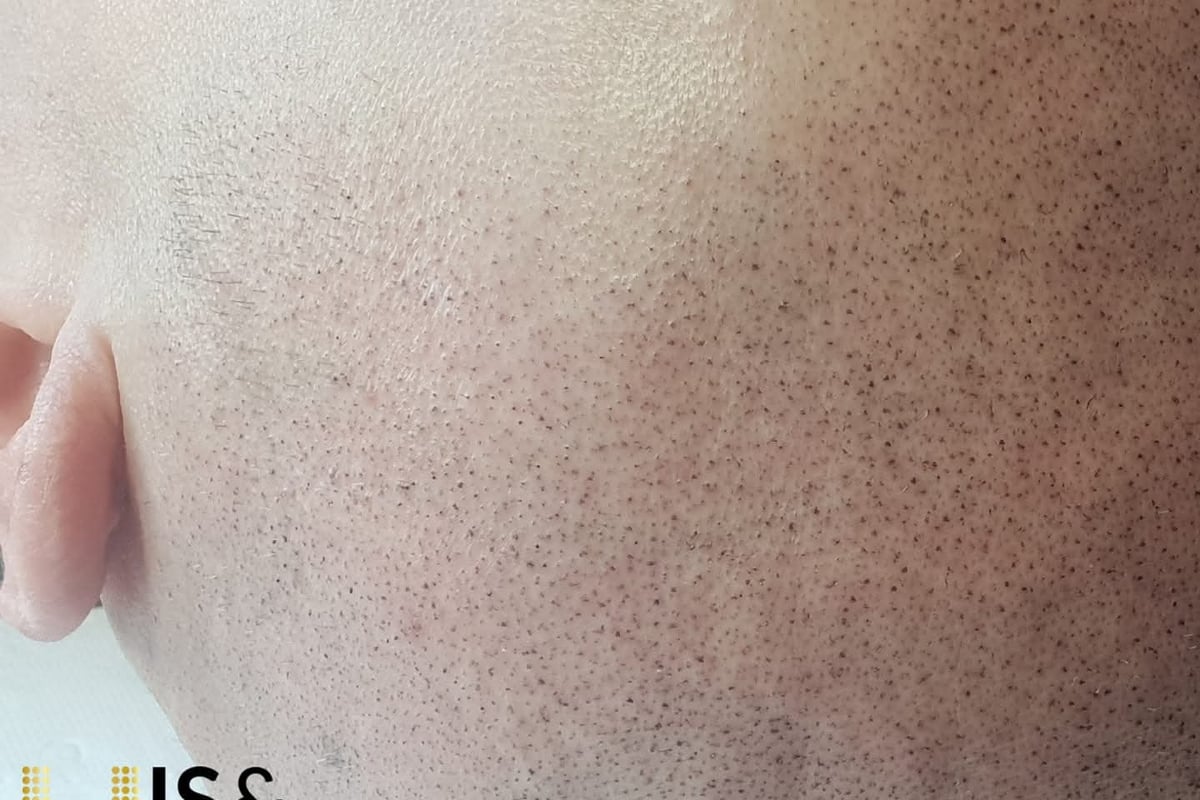
Scalp micropigmentation involves depositing tiny pigment deposits into the dermal layer of the scalp, replicating the appearance of hair follicles. This technique works exceptionally well for creating a defined hairline, adding density to thinning areas, or creating the appearance of a closely-shaved hairstyle. For those seeking a permanent hair loss cover up solution that requires minimal daily maintenance, this procedure offers remarkable natural-looking results that can last for several years with proper care and occasional touch-ups.
The Keeps article provides an overview of hair loss concealers detailing different types including fibers, liquids, and powders with their benefits and limitations compared to permanent options.
Benefits of Permanent Pigmentation
Unlike temporary hair loss cover up products, scalp pigmentation delivers results that withstand water, sweat, and physical activity. You wake up each morning with consistent appearance, eliminating daily application routines.
Key advantages include:
- Natural appearance that blends with existing hair
- No daily application or removal required
- Cost-effective over multi-year timeframe
- Weather-proof and activity-friendly
- Customizable to your specific hair color and pattern
The procedure typically requires 2-3 sessions spaced several weeks apart to build appropriate density and ensure even color distribution. Results generally last three to five years before requiring touch-up sessions to maintain optimal appearance.
Combining Multiple Hair Loss Cover Up Methods
Many individuals achieve best results by combining different hair loss cover up approaches. This layered strategy addresses multiple aspects of hair loss simultaneously for maximum natural appearance.
Complementary Product Pairings
Hair fibers work excellently in combination with scalp shading products. The powder conceals scalp show-through while fibers add dimensional thickness to existing hair strands. Together, they create more convincing fullness than either product alone.
Strategic styling products enhance any hair loss cover up method. Volumizing mousse lifts hair away from the scalp, making temporary concealers more effective and reducing visible scalp contrast.
Building Your Personal Strategy
Developing an effective hair loss cover up routine requires experimentation to find your optimal combination. Consider these factors when building your approach:
- Severity of hair loss – Minimal thinning responds to lighter coverage products, while advanced loss may require multiple methods
- Your lifestyle demands – Active individuals need water-resistant, long-lasting solutions
- Budget considerations – Balance upfront costs against ongoing product expenses
- Time availability – Determine how much daily time you can dedicate to application
- Desired permanence – Decide between temporary flexibility and permanent convenience
Evaluating Hair Loss Cover Up Product Quality
The hair loss cover up market includes both premium products and inferior alternatives. Understanding quality indicators helps you invest in solutions that deliver genuine results rather than disappointing performance.
Ingredient Considerations
High-quality hair fibers utilize natural keratin proteins or plant-based materials that blend seamlessly with human hair. These fibers maintain their appearance throughout the day without clumping or discoloration.
Red flags in product formulations:
- Synthetic materials that look artificial under scrutiny
- Limited color selection forcing poor matches
- Formulations containing harsh chemicals that damage existing hair
- Products lacking water-resistance in any capacity
- Unrealistic marketing claims about permanent results from temporary products
Reading Reviews and Testimonials
Customer reviews provide valuable insights into real-world performance. Look for detailed reviews from individuals with similar hair loss patterns and hair types to yours. Reviews mentioning specific situations like exercise, rain exposure, or wind conditions offer practical information about product durability.
Professional recommendations from dermatologists, hair loss specialists, and stylists carry significant weight. These experts have experience with multiple products and understand which formulations deliver consistent results.
Advanced Cover Up Technologies
Innovation continues driving the hair loss cover up industry forward. New technologies and formulations appear regularly, offering improved performance over previous generations.
Nano-Fiber Technology
Recent advancements in fiber manufacturing have produced ultra-fine fibers that bond more naturally to hair shafts. These nano-fibers create more realistic appearance, especially when viewed closely or in bright lighting conditions.
The Scandinavian Biolabs offers styling tips for creating thicker-looking hair including the use of scalp concealers and hair thickening fibers with modern application techniques.
Long-Wear Formulations
Extended-wear hair loss cover up products now offer multi-day performance without reapplication. These formulations use advanced polymers and bonding agents that resist water, sweat, and environmental exposure while remaining removable with clarifying shampoos.
Cost Analysis of Hair Loss Cover Up Methods
Understanding the true cost of different hair loss cover up approaches requires examining both immediate expenses and long-term financial commitments. What appears economical initially may prove expensive over time, while seemingly costly solutions can offer better value.
Monthly Expense Breakdown
Temporary products incur ongoing monthly costs that accumulate substantially over years. A typical fiber product costs $30-40 monthly, totaling $360-480 annually. Over five years, this reaches $1,800-2,400 without accounting for price increases.
| Method | Initial Cost | Monthly Cost | 5-Year Total | Longevity |
|---|---|---|---|---|
| Hair Fibers | $35 | $35 | $2,100 | Ongoing |
| Scalp Powder | $25 | $25 | $1,500 | Ongoing |
| Hair System | $1,500 | $150 | $10,500 | Replacement needed |
| Scalp Pigmentation | $2,500 | $0 | $2,500-3,000 | 3-5 years |
Long-Term Value Considerations
Permanent solutions require significant upfront investment but minimal ongoing costs. Scalp micropigmentation, for instance, costs $1,500-4,000 initially with touch-up sessions every few years at reduced rates.
The Hair Loss Learning Center discusses various hair loss concealers and their role in disguising hair loss, including cost considerations for different product types.
When calculating true costs, factor in time investment. Daily application of temporary products requires 5-15 minutes daily, totaling 30-90 hours annually. This time commitment has inherent value beyond monetary cost.
Maintaining Natural Appearance
Achieving convincing results with hair loss cover up methods requires attention to detail and proper technique. Even premium products fail when applied incorrectly or when obvious signs reveal their use.
Common Mistakes to Avoid
Over-application ranks among the most frequent errors. Excessive product creates unnatural thickness, obvious color buildup, and potential messiness. Building coverage gradually in thin layers produces more convincing results.
Color mismatching immediately compromises natural appearance. Hair color varies under different lighting, so test products in multiple environments before committing to large quantities. Some individuals blend two shades for perfect matching.
Professional Application Tips
- Apply products to completely dry hair and scalp for optimal adhesion
- Use appropriate tools for your product type – fingers for some, brushes for others
- Check results in multiple mirrors and lighting conditions before finalizing
- Set products with appropriate finishing sprays when recommended
- Practice application techniques to improve speed and consistency
Medical Considerations and Safety
While most hair loss cover up products are cosmetic and generally safe, understanding potential concerns ensures healthy scalp maintenance alongside aesthetic improvement.
Scalp Health Priorities
Products should never compromise scalp health for cosmetic benefit. Choose formulations free from harsh chemicals, allergens, or irritants that could damage your scalp or remaining hair follicles.
Warning signs requiring product discontinuation:
- Scalp redness, itching, or burning sensations
- Increased hair shedding after product use
- Clogged pores or acne-like bumps on the scalp
- Allergic reactions including swelling or rashes
- Unusual dryness or flaking beyond typical dandruff
Consultation Recommendations
Consult dermatologists or hair loss specialists before beginning any hair loss cover up regimen, especially if you have sensitive skin, existing scalp conditions, or are experiencing sudden or severe hair loss. These professionals can identify underlying causes requiring medical treatment rather than cosmetic concealment.
Certain medications and medical conditions affect how your scalp responds to cosmetic products. Professional guidance ensures safe product selection compatible with your health status.
Choosing the Right Approach for Your Situation
Selecting appropriate hair loss cover up methods depends on multiple personal factors beyond simple product effectiveness. Your unique combination of hair loss pattern, lifestyle, budget, and goals determines the ideal solution.
Assessment Questions
Before investing in products or procedures, honestly evaluate these considerations:
- What is your hair loss pattern? Diffuse thinning requires different solutions than receding hairlines or crown balding
- How quickly is your hair loss progressing? Rapid progression may favor permanent solutions over temporary fixes
- What is your daily routine? Active lifestyles need durable, weather-resistant options
- What is your budget flexibility? Determine if upfront investment or ongoing costs work better financially
- How important is convenience? Assess your willingness to perform daily application routines
Trial and Error Approach
Most people find their ideal hair loss cover up strategy through experimentation. Start with lower-cost temporary products to understand what coverage levels and maintenance requirements work for your lifestyle. This experience informs decisions about potential permanent solutions.
Many clinics and salons offer consultations where you can see examples of different approaches and discuss options suited to your specific situation. These professional insights help you avoid costly mistakes and accelerate finding effective solutions. For those interested in exploring comprehensive options, HIS&HERS Micropigmentation Clinic provides expert guidance on both temporary and permanent hair loss cover up approaches.
Effective hair loss cover up requires understanding available options, realistic expectations about results, and commitment to proper application or maintenance. Whether choosing temporary cosmetic products for flexibility or permanent solutions for convenience, today's technologies offer remarkably natural results that restore confidence and improve quality of life. If you're ready to explore professional permanent solutions that eliminate daily application routines, HIS&HERS Micropigmentation Clinic specializes in advanced scalp micropigmentation techniques that create natural-looking results tailored to your unique needs.
Leave a Reply