Hair Loss Centers Near Me: Your 2026 Guide
Finding the right solution for hair loss requires understanding what specialized clinics offer and how to evaluate options in your area. When searching for “hair loss center near me,” you’re likely looking for professional guidance, proven treatments, and results that restore both your appearance and confidence. This guide explores what modern hair loss clinics provide, how to assess quality providers, and what treatment options align with different types of hair loss in 2026.
Understanding Hair Loss Center Services
Hair loss clinics specialize in diagnosing and treating various forms of alopecia and thinning hair. These facilities differ from general dermatology clinics by focusing exclusively on hair restoration solutions.
Medical Evaluation and Diagnosis
Professional hair loss clinics begin with comprehensive assessments. Specialists examine your scalp condition, review medical history, and often perform blood work to identify underlying causes. This diagnostic process determines whether your hair loss stems from genetic factors, hormonal imbalances, nutritional deficiencies, or medical conditions.
Key diagnostic services include:
- Scalp analysis using magnification technology
- Miniaturization studies to assess follicle health
- Blood panels checking iron, thyroid, and hormone levels
- Pull tests and density measurements
- Biopsy procedures when necessary
Most reputable centers provide detailed consultation sessions before recommending treatments. According to Mayo Clinic’s guidelines on hair loss diagnosis, proper evaluation forms the foundation of effective treatment planning.
Treatment Categories Available
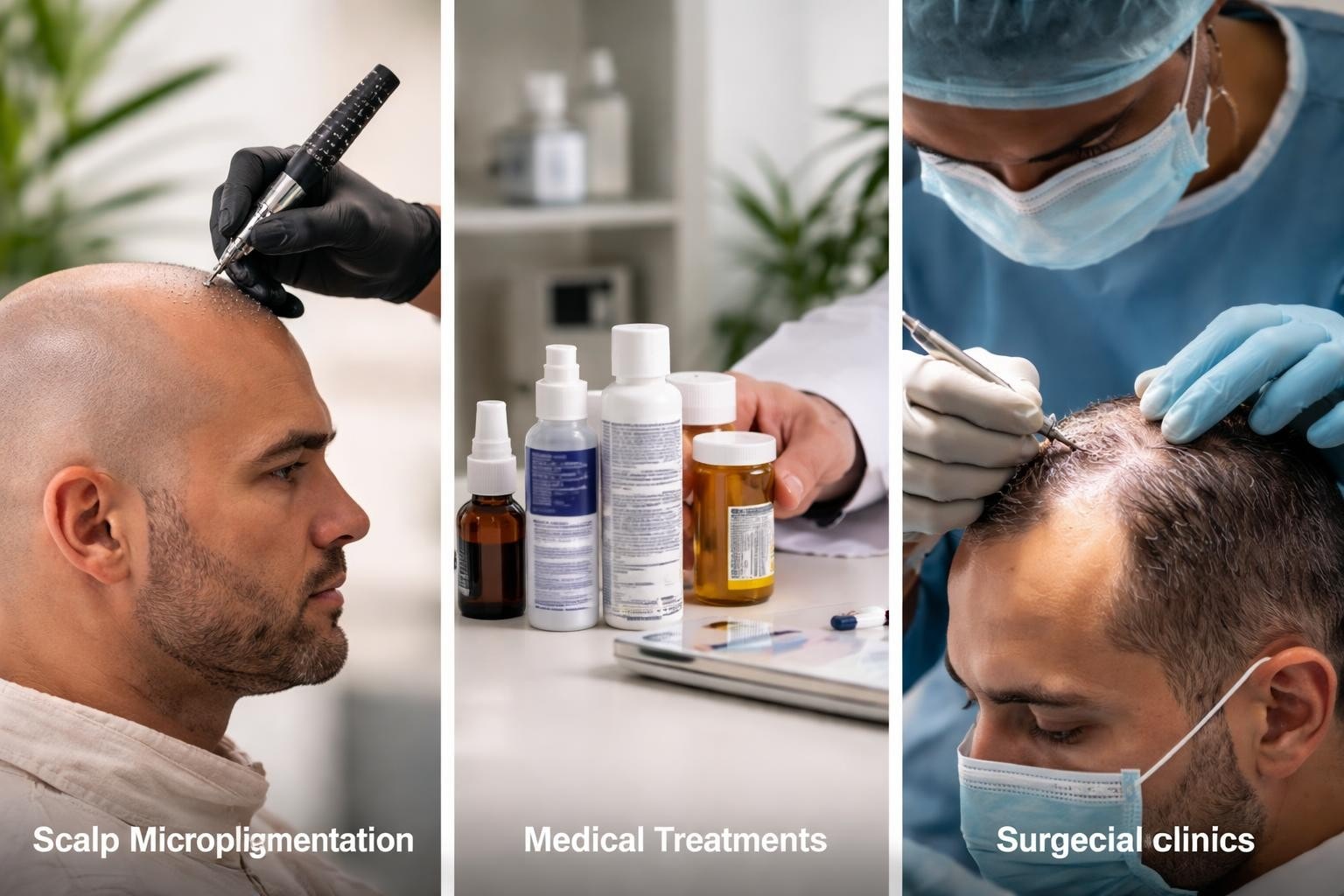
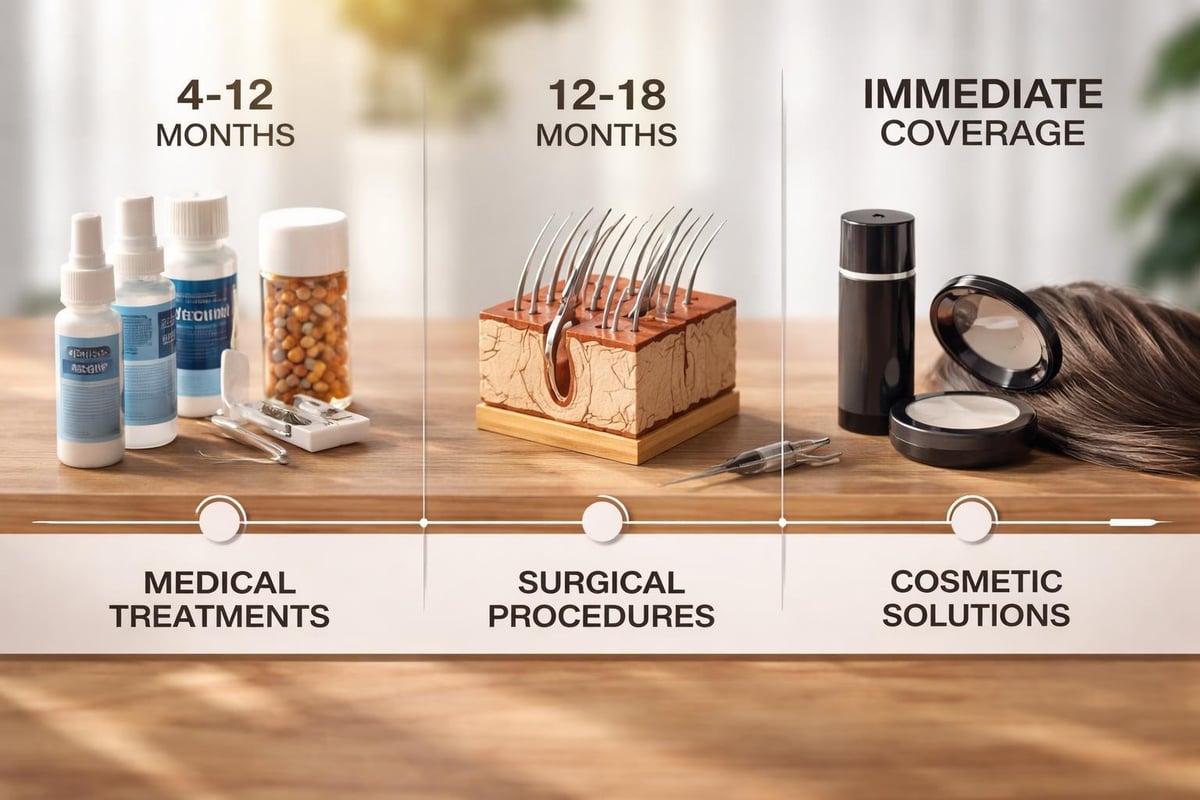
When exploring hair loss centers near me, you’ll encounter three primary treatment categories. Medical treatments include topical and oral medications, while surgical options involve hair transplantation procedures. Non-surgical cosmetic solutions provide immediate aesthetic improvements without medication or surgery.
| Treatment Type | Timeline | Maintenance | Best Candidates |
|---|---|---|---|
| Medical (Topical) | 4-12 months | Daily application | Early-stage loss |
| Medical (Oral) | 6-12 months | Daily dosing | Pattern baldness |
| Surgical | 12-18 months | Minimal | Stable loss areas |
| Cosmetic Pigmentation– hair tattoo | Immediate | 3-5 years | All stages |
Evaluating Quality Hair Loss Centers
The best facilities combine medical expertise with proven track records. Not all centers offer the same quality of care or treatment effectiveness.
Credentials and Specialization
Check practitioner qualifications carefully. Board-certified dermatologists, trichologists, and specialized technicians should staff professional clinics. Ask about specific training in hair restoration procedures and how long practitioners have performed treatments.
Essential qualifications to verify:
- Medical licensing and board certification
- Specialized training in trichology or hair restoration
- Years of experience with specific procedures
- Continuing education in emerging treatments
- Professional association memberships
Technology and Facility Standards
Modern hair loss clinics invest in current technology. Visit facilities to assess cleanliness, equipment quality, and overall professionalism. Clinics should maintain sterile environments and use FDA-approved products when applicable.
Look for clinics that document results through standardized photography. Quality providers track progress objectively rather than relying solely on subjective assessments.
Client Reviews and Results
Research online reviews across multiple platforms. Pay attention to comments about staff responsiveness, treatment explanations, and actual outcomes. Before-and-after galleries demonstrate real results, though remember that individual outcomes vary.
Ask clinics for patient references if possible. Speaking directly with previous clients provides insights that reviews alone cannot capture.
Medical Treatment Options
Medical interventions remain the first line of defense for many experiencing hair loss. These treatments work by addressing biological mechanisms that cause follicle miniaturization and shedding.
Topical Medications
Minoxidil stands as the most widely used topical treatment. Marie Claire’s comprehensive guide to minoxidil explains how this vasodilator stimulates follicles and extends growth phases. Application requires consistency, with most users applying solution twice daily.
Results typically appear after four to six months of regular use. Discontinuing minoxidil causes gradual return to pre-treatment states, making it a lifelong commitment for maintenance.
Oral Medications and Emerging Treatments
Finasteride blocks DHT production in men, addressing hormonal causes of pattern baldness. Women may receive spironolactone or other hormone-modulating medications based on specific diagnoses.
Recent developments in low-dose oral minoxidil show promise for both men and women who prefer systemic treatment over topical applications. This approach requires medical supervision but offers convenience advantages.
Peptide therapies for hair growth represent emerging science in hair restoration. These treatments support follicle health and may complement traditional medications.
Surgical Hair Restoration
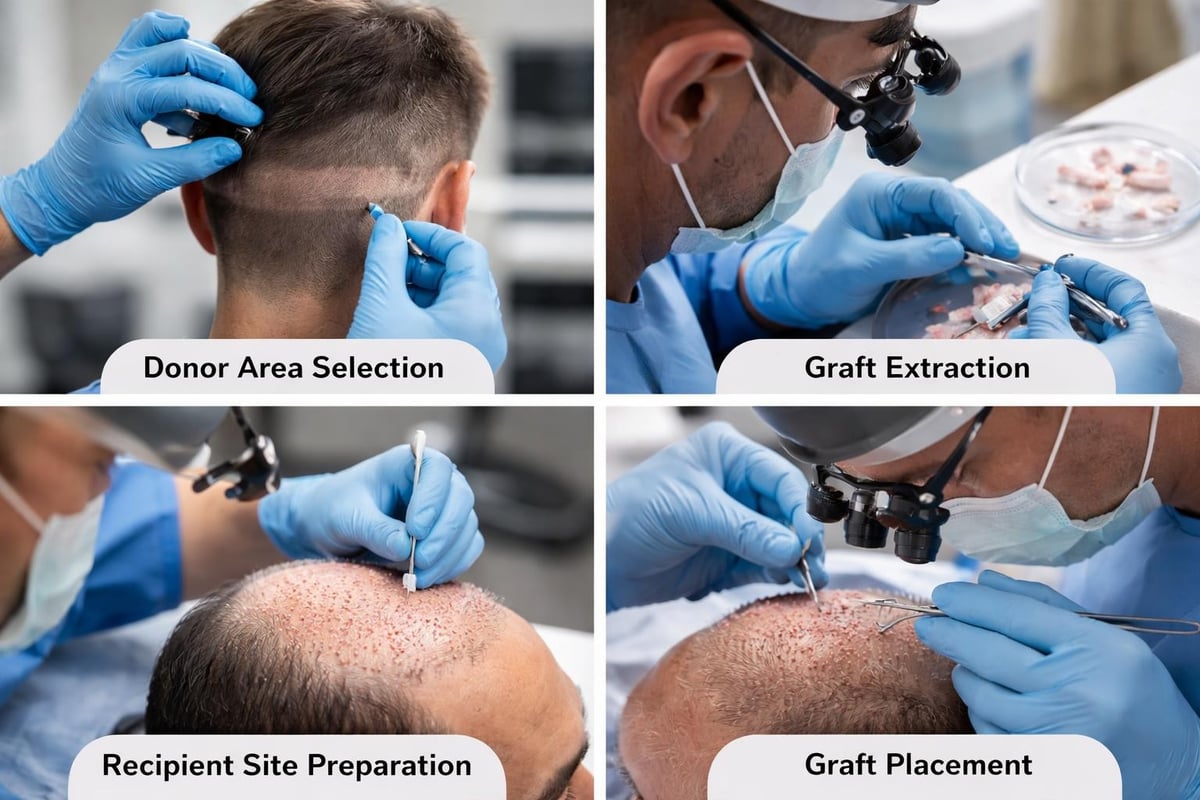
Surgical solutions physically relocate follicles from donor areas to thinning or bald regions. These procedures suit individuals with stable hair loss patterns and sufficient donor hair.
Follicular Unit Extraction (FUE)
FUE harvests individual follicular units using specialized punches. This technique leaves minimal scarring and allows shorter recovery periods compared to older strip methods. Surgeons extract grafts from the back and sides of the scalp, then implant them in recipient areas.
The procedure requires several hours depending on graft numbers. Most patients resume normal activities within one week, though transplanted hair initially sheds before regrowing permanently.
Follicular Unit Transplantation (FUT)
FUT removes a strip of scalp tissue from donor areas, which technicians then dissect into individual grafts. This method can harvest larger graft numbers in single sessions but leaves a linear scar.
Recovery takes slightly longer than FUE, and patients must avoid strenuous activity for two to three weeks. Results appear gradually over twelve to eighteen months as transplanted follicles establish and grow.
Platelet-Rich Plasma (PRP) Therapy
Cleveland Clinic’s overview of hair loss treatments includes PRP therapy as a complementary option. Practitioners draw your blood, concentrate the platelets, then inject the plasma into your scalp.
Growth factors in PRP may stimulate follicles and improve hair density. Treatment protocols typically involve three to four initial sessions spaced four to six weeks apart, followed by maintenance treatments.
Non-Surgical Cosmetic Solutions
Not everyone wants medication side effects or surgical procedures. Cosmetic solutions provide immediate aesthetic improvements without ongoing pharmaceutical commitments. Results are 100% immediate & quarantee, with no downtime. Check HIS&HERS Micropigmentation Clinic located in Dublin & Cork.
Scalp Micropigmentation Benefits
Scalp micropigmentation creates the appearance of natural hair follicles through specialized cosmetic tattooing. This technique works for all stages of hair loss, from early thinning to complete baldness. The treatment adds density appearance to thinning areas or creates a closely-shaved look for bald scalps.
For those seeking immediate, natural-looking results without medications or surgery, scalp micropigmentation offers a proven alternative that thousands of tiny micro dots of pigment create realistic follicle impressions. Results remain consistent for three to five years before requiring touch-ups, making it a practical long-term solution.
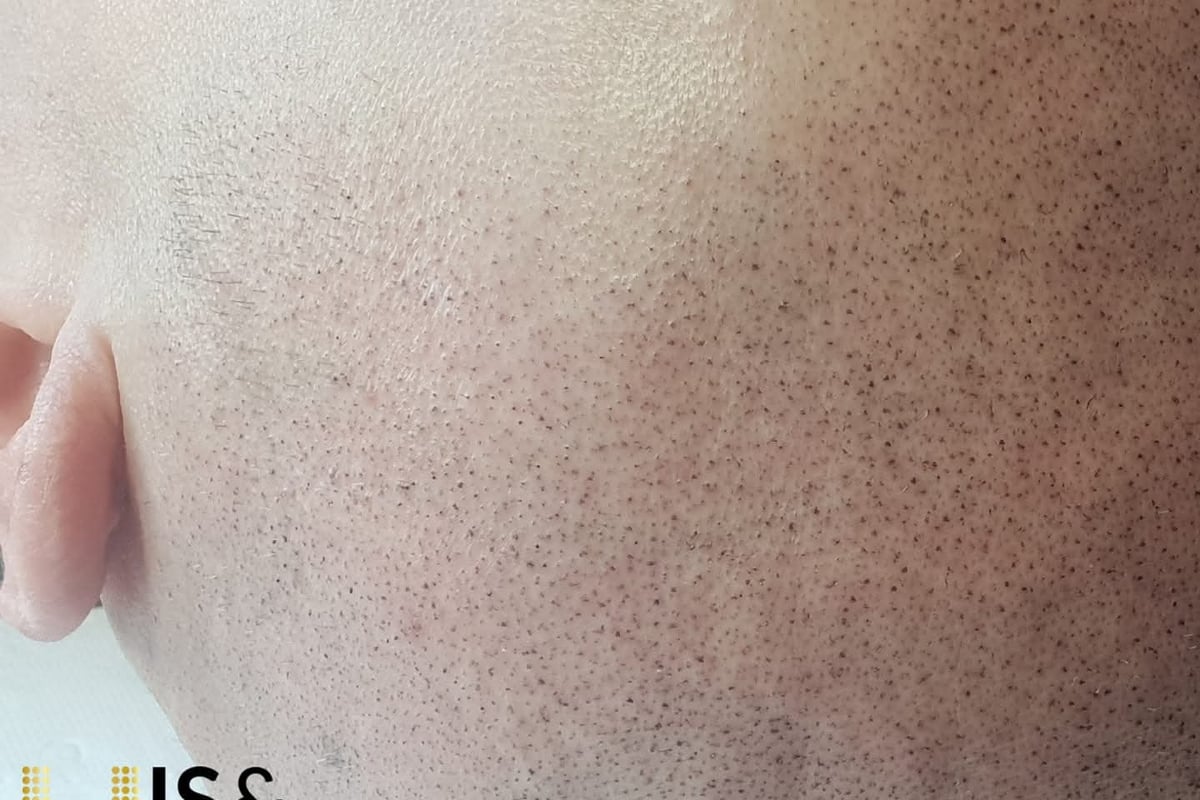
Advantages of hair tattooing- scalp micropigmentation include:
- Immediate visual results after completion
- No daily maintenance requirements
- Works regardless of hair loss stage
- Complements existing hair naturally
- No systemic side effects
- Predictable, consistent outcomes
Hair Systems and Integration
Custom hairpieces attach to existing hair or scalp using various methods. Modern systems use high-quality human hair and nearly invisible attachment points. Maintenance involves regular cleaning and periodic reattachment every four to eight weeks.
Quality systems appear remarkably natural and withstand normal activities including swimming and exercise. Costs include initial purchase plus ongoing maintenance appointments.
Density-Boosting Styling Approaches
Strategic cutting, colouring, and styling create fuller appearance without medical intervention. Professional stylists experienced with thinning hair understand how layering, texture, and colour placement maximize perceived density.
Fiber products temporarily coat existing hairs, making them appear thicker. These wash out with shampooing but provide same-day volume enhancement for special occasions.
Comparing Treatment Costs
Understanding financial commitments helps narrow options when searching for hair loss clinics near me. Costs vary significantly by treatment type, geographic location, and provider expertise. Always get in person consultations to know exact quote which will apply to your individual case.
Medical Treatment Expenses
Topical minoxidil costs range from €15 to €60 monthly depending on brand and concentration. Generic versions offer savings over branded products while providing identical active ingredients.
Prescription medications like finasteride typically cost €20 to €80 monthly. Insurance rarely covers hair loss medications, making these ongoing out-of-pocket expenses.
PRP therapy sessions run €200 to €800 each, with initial protocols requiring three to four treatments. Annual maintenance may involve one to two sessions.
Surgical Procedure Pricing
Hair transplantation costs depend on graft numbers and technique. FUE procedures generally range from €4,000 to €15,000 for typical sessions. FUT may cost slightly less due to reduced extraction time.
Larger restoration projects requiring multiple sessions increase total investment. Quality surgeons price by graft count rather than flat rates, ensuring transparent cost structures.
Cosmetic Solution Investment
Scalp micropigmentation costs between $2,000 and $4,000 for complete treatments. This represents a one-time investment providing three to five years of results before touch-ups become necessary.
Hair systems require initial purchases of $500 to $3,000, plus monthly maintenance fees of $100 to $300. Annual costs accumulate to significant amounts over time.
| Solution | Initial Cost | Annual Maintenance | Longevity |
|---|---|---|---|
| Topical Medication | €180-€720 | €180-€720 | Ongoing |
| Oral Medication | €240-€960 | €240-€960 | Ongoing |
| Hair Transplant | €4,000-€15,000 | Minimal | Permanent |
| Micropigmentation | €1,500-€4,000 | €400-€800 | 3-5 years |
| Hair System | €500-€3,000 | €1,200-€3,600 | 6-12 months |
Specialized Treatments for Different Conditions
Hair loss presents differently across conditions. Understanding your specific situation helps identify appropriate hair loss clinics and treatments.
Pattern Baldness Solutions
Androgenetic alopecia follows predictable patterns in both men and women. Men typically experience receding hairlines and crown thinning, while women show diffuse thinning across the top of the scalp.
Medical treatments work best when started early, before significant miniaturization occurs. Surgical restoration suits those with stable patterns and realistic expectations about density outcomes.
Alopecia Areata Management
This autoimmune condition causes patchy hair loss that may progress to complete scalp or body hair loss. AARP’s guide to alopecia areata details treatment approaches including corticosteroid injections and immunotherapy.
Cosmetic solutions like micropigmentation effectively camouflage patches while waiting for regrowth or as permanent solutions if hair doesn’t return.
Traction and Scarring Alopecia
Hair loss from tight hairstyles or scarring creates permanent follicle damage in affected areas. Medical treatments cannot restore destroyed follicles, making surgical or cosmetic solutions the primary options.
Preventing further damage requires changing styling practices and addressing underlying scalp conditions causing scarring.
Diffuse Thinning Approaches
Healthline’s review of hair loss treatments for women addresses diffuse thinning common in women. This pattern responds well to medical treatments, nutritional optimization, and density-enhancing cosmetic procedures.
Identifying triggers like thyroid disorders, iron deficiency, or stress helps prevent ongoing loss while treatments restore what’s been lost.
Questions to Ask Prospective CLINICS
Consultations reveal whether hair loss place near me meet your needs. Prepare specific questions that uncover important details about services and approaches.
Treatment Customization
- How do you customize treatments for individual cases?
- What diagnostic tools assess my specific condition?
- Which treatment options best suit my hair loss pattern?
- How do you adjust protocols if initial treatments don’t work?
- Can you combine multiple approaches for better results?
Experience and Outcomes
Ask how many procedures the clinic performs monthly and request outcome statistics for your specific treatment. Inquire about complication rates and how the place handles unsatisfactory results.
Request contact information for previous clients willing to share experiences. Reputable hair loss clinic maintain relationships with satisfied clients who volunteer as references.
Realistic Expectations
Quality providers set honest expectations rather than promising unrealistic transformations. Ask about typical results, potential limitations, and factors that might affect your specific outcomes.
Discuss timeline expectations for visible improvements. Different treatments show results at different rates, and understanding this prevents disappointment during early treatment phases.

Technology Advances in Hair Restoration
The hair restoration field continues evolving with new technologies and refined techniques. Staying informed about innovations helps identify cutting-edge specialising clinics working with new high technologies.
Robotic Hair Transplantation
Robotic systems assist with follicular extraction, improving consistency and reducing human error. These technologies calculate optimal extraction angles and depths, potentially improving graft survival rates.
Not all surgeons embrace robotic assistance, and manual techniques in skilled hands still produce excellent results. The technology represents one option rather than a universal improvement.
Enhanced Growth Factor Therapies
Beyond standard PRP, some clinics offer enhanced growth factor preparations or stem cell treatments. Research continues into optimal protocols and effectiveness compared to traditional approaches.
Improved Pigmentation Techniques
Scalp micropigmentation equipment and techniques advance continuously. Modern devices offer better control, more natural pigment colours, and improved longevity compared to earlier methods.
Experienced practitioners combine technical skill with artistic vision, creating results of hair tattoo that blend seamlessly with existing hair or create convincing shaved-head appearances.
Preparing for Your First Consultation
Maximizing consultation value requires preparation. Bringing relevant information and asking targeted questions helps providers make accurate assessments.
Information to Gather
Compile your medical history including medications, supplements, and previous treatments attempted. Note when hair loss started, progression patterns, and family history of similar conditions.
Bring photographs showing your hair at various ages if available. These help practitioners understand loss progression and predict future patterns.
Physical Preparation
Arrive with clean, unstyled hair so practitioners can examine your scalp and hair clearly. Avoid hairpieces or heavy styling products that obscure true condition.
Financial Considerations
Understand consultation fees beforehand. Some clinics offer free initial consultations while others charge evaluation fees that may apply toward treatments if you proceed.
Ask about payment plans, financing options, and what’s included in quoted prices. Hidden fees for medications, follow-ups, or touch-ups can significantly increase total costs.
Maintenance and Long-Term Management
Successful hair restoration extends beyond initial treatments. Long-term strategies preserve results and adapt as conditions change.
Medical Treatment Adherence
Consistency determines medical treatment success. Missing applications or doses reduces effectiveness and may cause shedding of gains achieved.
Set reminders and establish routines that make treatments habitual rather than requiring conscious effort daily.
Monitoring and Adjustments
Schedule regular follow-ups even when satisfied with results. Practitioners can detect subtle changes before they become obvious, allowing proactive adjustments.
Photography at consistent intervals documents progress objectively. What seems like slow improvement day-to-day often shows dramatic change when comparing photos months apart.
Lifestyle Factors
Nutrition, stress management, and gentle hair care support treatment outcomes. While these factors alone rarely reverse significant hair loss, they optimize conditions for treatments to work effectively.
Avoid harsh styling, excessive heat, and tight hairstyles that stress follicles and potentially accelerate loss.
Regional Considerations When Searching
Geographic location affects available options when searching for hair loss clinics near me. Urban areas typically offer more choices while rural regions may require travel for specialized services. We at HIS& HERS are working in Dublin & Cork locations.
Urban Versus Rural Access
Major cities host multiple specialized clinics, allowing comparison shopping and access to cutting-edge treatments. Competition often moderates pricing and encourages service quality.
Rural areas may have limited local options, requiring travel to regional clinics. WebMD’s discussion of non-surgical treatments includes options manageable with periodic visits rather than frequent appointments.
Telehealth Possibilities
Some consultations and follow-ups occur via telehealth, reducing travel requirements. Medical treatments managed through remote prescribing work well for established patients, though initial evaluations benefit from in-person assessment.
Travel for Specialized Procedures
Complex surgical procedures or specialized cosmetic treatments may justify travel to top-tier clinics. Factor travel costs, accommodation, and time away from work when comparing total expenses against local options. Keep in mind, that possible side effects may occur, so consider choosing local, if possible, place.
Making Your Decision
Choosing among hair loss clinics near me requires balancing multiple factors. No single “best” option exists, only the best fit for your specific situation, goals, and resources.
Prioritizing Your Criteria
Determine which factors matter most: cost, convenience, treatment type, provider expertise, or timeline to results. Different clinics excel in different areas, making priority clarity essential.
Create a weighted decision matrix scoring clinic against your key criteria. This structured approach prevents emotional decisions and ensures logical evaluation.
Trial Periods and Reversibility
When possible, start with reversible treatments before committing to permanent procedures. Medical treatments can be discontinued if side effects occur or results disappoint, while surgical decisions carry permanent implications.
Some cosmetic solutions like hairpieces offer trial periods or money-back guarantees. Take advantage of these when available to test satisfaction risk-free.
Trust Your Instincts
Professional credentials and positive reviews matter, but personal comfort with providers shouldn’t be dismissed. Hair restoration involves ongoing relationships with practitioners, making trust and communication critical.
If consultations feel rushed, dismissive, or overly sales-focused, continue searching. Quality clinics prioritize education and informed decision-making over high-pressure tactics.
Exploring hair loss clinics near me reveals diverse approaches addressing this common concern through medical, surgical, and cosmetic solutions. Success depends on accurate diagnosis, realistic expectations, and selecting treatments aligned with your specific condition and lifestyle. Whether you pursue pharmaceutical interventions, surgical restoration, or cosmetic enhancement, HIS&HERS Micropigmentation Clinic provides expert scalp micropigmentation services that deliver immediate, natural-looking results without ongoing medication or invasive procedures. Contact our specialists today to discover how micropigmentation can restore your confidence and appearance.
Scalp.ie

Leave a Reply