

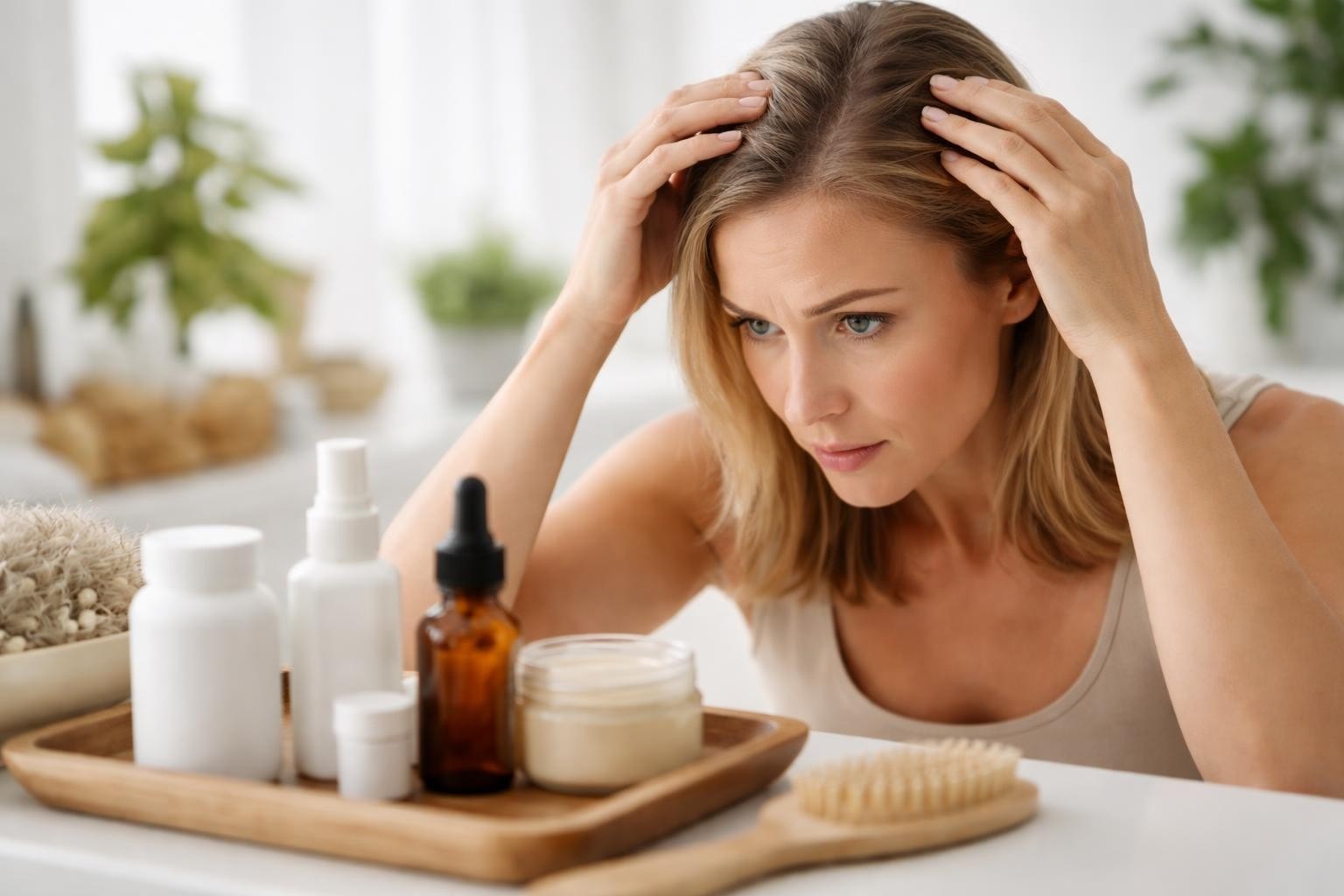
Alopecia Homemade Treatment: Natural Solutions for Hair Loss
Alopecia affects millions of people worldwide, causing unexpected hair loss that can significantly impact self-confidence and emotional wellbeing. While medical treatments exist, many individuals seek natural, accessible solutions they can implement at home. Understanding effective alopecia homemade treatment options empowers those experiencing hair loss to take proactive steps toward managing their condition. These natural approaches complement professional interventions and provide affordable alternatives for daily care routines.
Understanding Alopecia and Why Natural Treatments Matter
Alopecia encompasses several types of hair loss conditions, each with distinct characteristics and causes. Alopecia areata manifests as patchy hair loss, while androgenetic alopecia results in gradual thinning over time. According to the American Academy of Dermatology’s treatment guidelines, understanding your specific type helps determine the most effective treatment approach.
Natural remedies offer benefits beyond hair regrowth. They provide:
- Lower cost compared to medical treatments
- Fewer side effects than pharmaceutical options
- Accessibility for immediate implementation
- Holistic benefits that support overall scalp health
- Complementary support alongside professional treatments
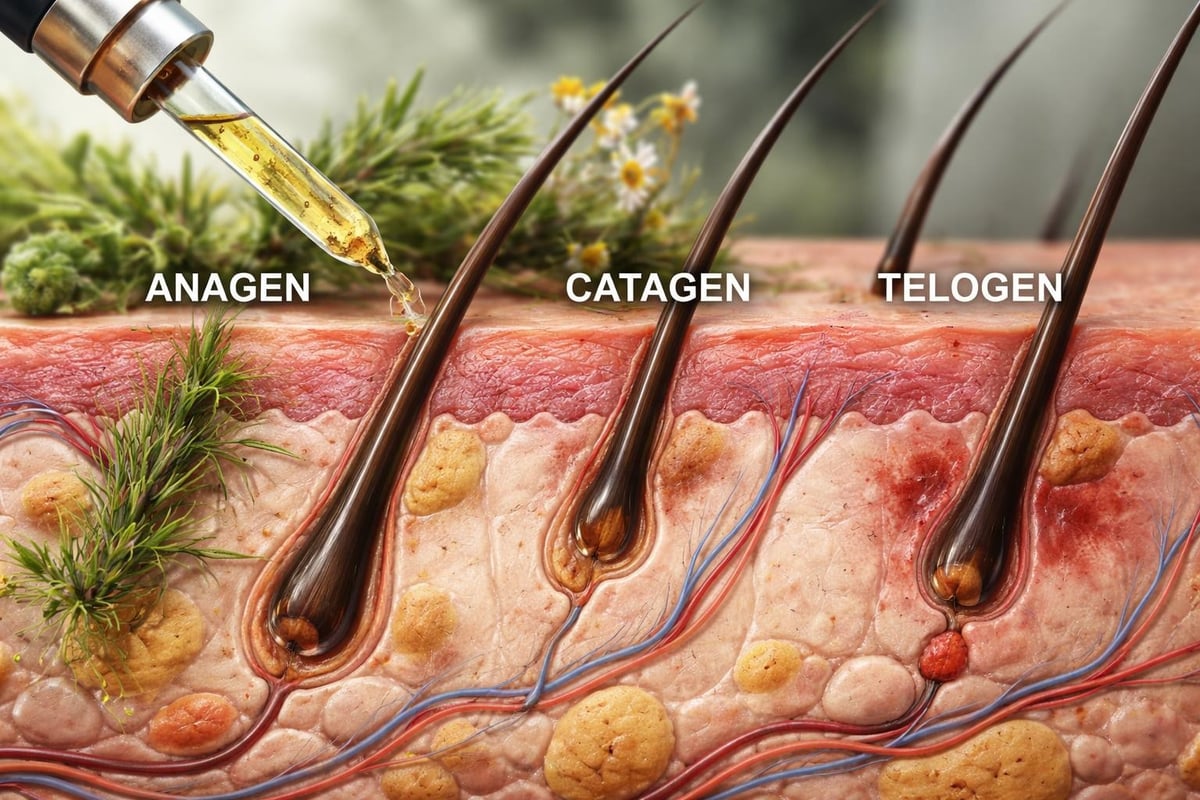
The science behind alopecia homemade treatment centers on stimulating hair follicles, reducing inflammation, and creating optimal conditions for hair growth. Many natural ingredients contain compounds that research supports for hair health applications.
Essential Oils for Scalp Health and Hair Growth
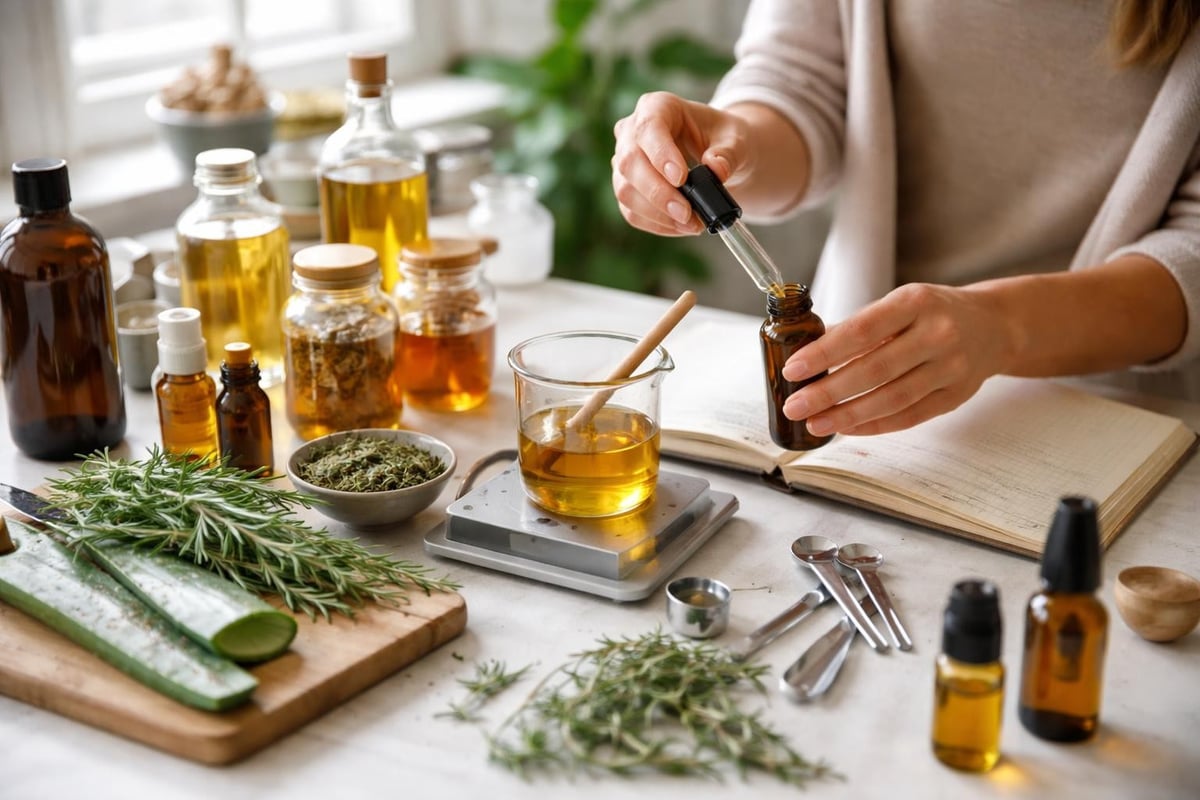
Essential oils rank among the most researched natural ingredients for alopecia treatment. These concentrated plant extracts deliver powerful compounds directly to the scalp when properly diluted.
Rosemary Oil for Follicle Stimulation
Rosemary oil demonstrates comparable effectiveness to minoxidil in some studies. This essential oil increases circulation to the scalp and supports cellular metabolism in hair follicles.
Application method:
- Mix 5 drops of rosemary oil with 2 tablespoons of carrier oil (coconut or jojoba)
- Massage gently into the scalp for 5 minutes
- Leave on for 30 minutes or overnight
- Shampoo thoroughly
- Repeat 2-3 times weekly
Lavender Oil Benefits
Cleveland Clinic research on natural treatments highlights lavender oil's antimicrobial and stress-reducing properties. This dual action addresses both scalp health and psychological factors contributing to hair loss.
Peppermint Oil for Increased Blood Flow
Peppermint oil creates a tingling sensation that indicates increased blood circulation to hair follicles. This enhanced nutrient delivery supports healthier hair growth cycles.
| Essential Oil | Primary Benefit | Recommended Dilution |
|---|---|---|
| Rosemary | Follicle stimulation | 2.5% (5 drops per tbsp carrier oil) |
| Lavender | Stress reduction & antimicrobial | 2% (4 drops per tbsp carrier oil) |
| Peppermint | Blood flow enhancement | 1.5% (3 drops per tbsp carrier oil) |
| Cedarwood | Sebum balance | 2% (4 drops per tbsp carrier oil) |
Safety considerations remain paramount when using essential oils. Always perform a patch test before full application, never apply undiluted oils directly to skin, and avoid contact with eyes.
Kitchen-Based Alopecia Homemade Treatment Solutions
Your kitchen contains numerous ingredients proven effective for addressing alopecia. These accessible options require no specialized purchases.
Onion Juice for Hair Regrowth
Onion juice contains high sulfur levels that support collagen production and improve blood circulation. Studies documented in natural treatment research demonstrate significant regrowth in alopecia areata patients using onion juice applications.
Preparation steps:
- Blend 2-3 medium onions until smooth
- Strain through cheesecloth to extract pure juice
- Apply directly to affected scalp areas
- Leave for 15-30 minutes (start with shorter duration)
- Rinse thoroughly with mild shampoo
The strong odor poses the main drawback, but adding lemon juice or essential oils helps mask the smell without compromising effectiveness.
Aloe Vera for Scalp Conditioning
Aloe vera's proteolytic enzymes repair dead skin cells on the scalp, promoting healthier hair growth conditions. This succulent plant also reduces inflammation and provides deep hydration.
Extract fresh gel from aloe leaves or use pure organic aloe gel. Apply generously to the scalp, massage for several minutes, and leave for one hour before rinsing. This treatment works particularly well for individuals with dry, flaky scalps.
Coconut Oil Deep Conditioning
Coconut oil penetrates the hair shaft more effectively than most oils due to its molecular structure. It prevents protein loss from hair strands and creates a protective barrier against damage.
Warm solid coconut oil until liquid, apply generously to scalp and hair, cover with a shower cap, and leave overnight for maximum penetration. This intensive treatment works best when performed weekly.
Nutritional Support and Dietary Approaches
External treatments provide only partial solutions. Internal nutritional support proves equally critical for comprehensive alopecia management.
Biotin and B-Vitamin Complex
Biotin deficiency correlates with hair loss in multiple studies. Supplementing with biotin (5,000-10,000 mcg daily) alongside a full B-vitamin complex supports cellular processes essential for hair growth.
Natural biotin sources include:
- Egg yolks (cooked)
- Nuts and seeds (almonds, sunflower seeds)
- Sweet potatoes
- Spinach and other leafy greens
- Salmon and other fatty fish
Iron and Protein Requirements
Iron deficiency represents one of the most common nutritional causes of hair loss, particularly in women. Ensuring adequate iron intake through diet or supplementation (under medical guidance) addresses this fundamental issue.
Protein provides the building blocks for hair keratin. Adults should consume approximately 0.8 grams of protein per kilogram of body weight daily, with higher amounts potentially beneficial for those experiencing hair loss.
Anti-Inflammatory Foods
Chronic inflammation contributes to various forms of alopecia. Incorporating anti-inflammatory foods reduces systemic inflammation that may affect hair follicles.
| Food Category | Examples | Key Nutrients |
|---|---|---|
| Fatty Fish | Salmon, mackerel, sardines | Omega-3 fatty acids |
| Berries | Blueberries, strawberries | Antioxidants, vitamin C |
| Leafy Greens | Spinach, kale, Swiss chard | Iron, folate, vitamins A & C |
| Nuts | Walnuts, almonds | Vitamin E, selenium, zinc |
| Seeds | Pumpkin, flax, chia | Zinc, omega-3s, fiber |
Lifestyle Modifications for Hair Health
Beyond topical treatments and nutrition, certain lifestyle adjustments create environments conducive to hair regrowth.
Stress Management Techniques
AARP’s comprehensive guide to alopecia treatments emphasizes stress reduction as a critical component of hair loss management. Chronic stress triggers telogen effluvium and worsens autoimmune-related alopecia.
Effective stress reduction methods include:
- Daily meditation (even 10 minutes provides benefits)
- Regular exercise (30 minutes of moderate activity most days)
- Adequate sleep (7-9 hours nightly)
- Yoga or tai chi practices
- Professional counseling when needed
Scalp Massage Protocols
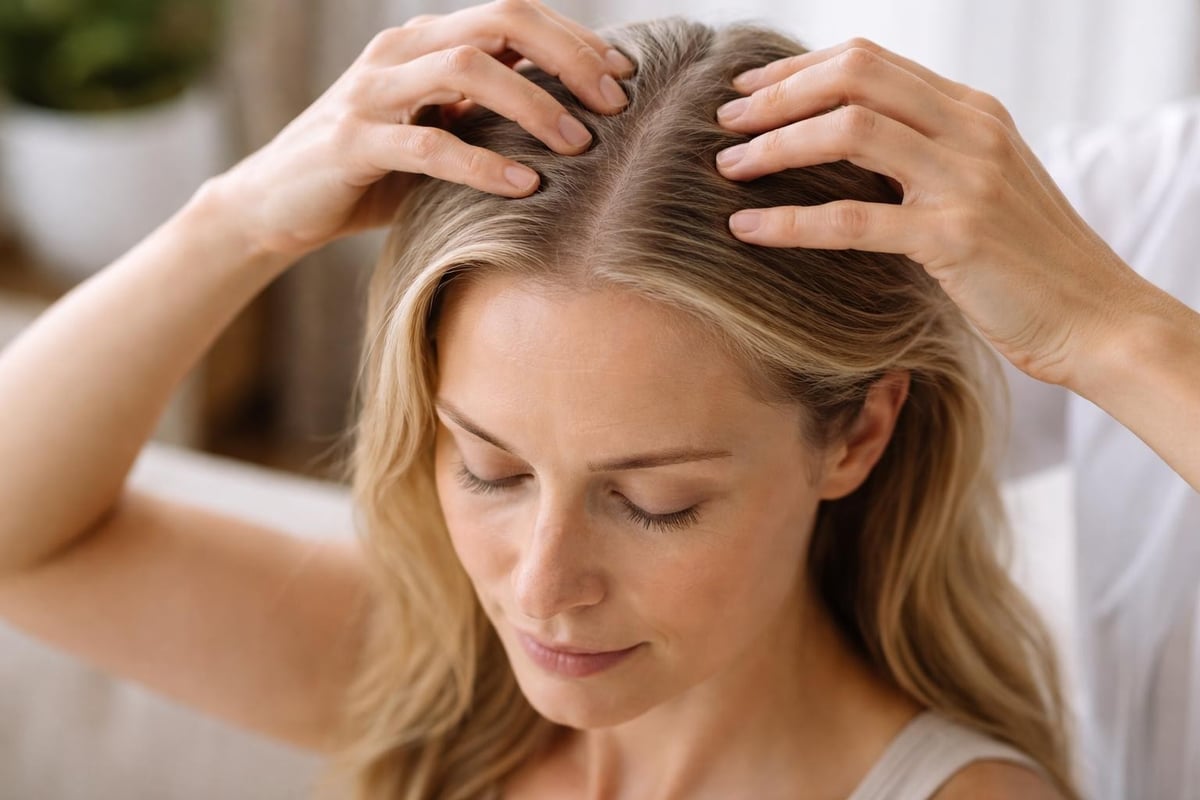
Regular scalp massage increases blood flow, reduces tension, and enhances the effectiveness of topical treatments. Dedicate 5-10 minutes daily to gentle scalp massage using circular motions and moderate pressure.
Technique matters significantly. Use fingertips (not nails) to apply pressure while moving the scalp tissue against the skull. Cover all areas systematically from front to back, sides to crown.
Avoiding Damaging Practices
Hair loss worsens when existing hair suffers mechanical damage. Minimize:
- Tight hairstyles that create traction on follicles
- Heat styling exceeding 300°F (149°C)
- Chemical treatments like bleaching or perming
- Harsh brushing when hair is wet and vulnerable
- Over-washing that strips natural protective oils
Combining Homemade Treatments for Maximum Effectiveness
Strategic combination of multiple alopecia homemade treatment approaches often yields superior results compared to single interventions.
Weekly Treatment Schedule Example
Monday & Thursday: Essential oil scalp massage (rosemary or lavender)
Wednesday: Onion juice application
Sunday: Deep coconut oil treatment (overnight)
Daily: Scalp massage (5 minutes), stress reduction practices
This schedule allows adequate recovery time between intensive treatments while maintaining consistent stimulation.
Tracking Progress and Adjustments
Document your hair loss journey through photographs taken monthly under consistent lighting conditions. Measure affected areas and note changes in hair texture, density, and growth rate.
Patience proves essential. Natural treatments typically require 3-6 months before visible improvements appear. Hair grows approximately half an inch monthly, meaning substantial regrowth takes considerable time even when follicles respond positively.
When to Seek Professional Intervention
While alopecia homemade treatment options provide valuable support, certain situations require professional medical evaluation and intervention.
Consult a dermatologist or trichologist when:
- Hair loss occurs suddenly or in large amounts
- Scalp develops redness, scaling, or pain
- Patches spread rapidly despite home treatment efforts
- No improvement appears after 6 months of consistent natural treatment
- Hair loss accompanies other symptoms suggesting systemic illness
Professional treatments complement rather than contradict natural approaches. Many dermatologists appreciate patients who maintain healthy lifestyle habits alongside medical interventions.
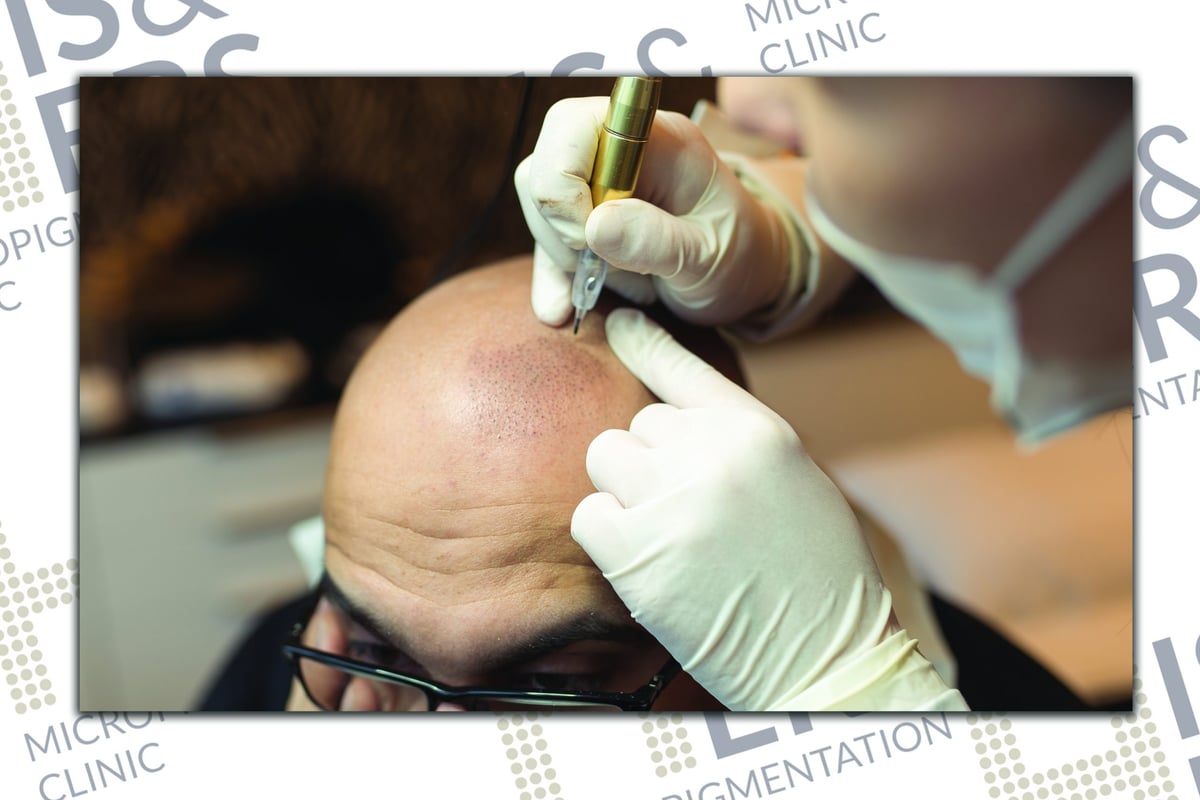
For individuals experiencing significant hair loss that impacts their confidence while pursuing regrowth treatments, aesthetic solutions offer immediate improvement. Scalp micropigmentation creates the appearance of natural hair density through carefully placed pigment deposits that replicate hair follicles, providing a discreet, realistic look during the regrowth process.
Advanced Natural Treatment Protocols
Beyond basic remedies, several advanced natural protocols show promise for alopecia management.
Green Tea Rinses
Green tea contains epigallocatechin gallate (EGCG), a compound that may inhibit DHT (dihydrotestosterone), the hormone implicated in pattern baldness. Brew strong green tea, cool completely, and use as a final rinse after shampooing twice weekly.
Saw Palmetto Supplementation
This herbal extract blocks 5-alpha-reductase, the enzyme converting testosterone to DHT. Typical dosing ranges from 320mg daily, though consultation with healthcare providers ensures safety and appropriateness.
Ginseng Applications
Both topical application and oral supplementation of ginseng show potential for stimulating hair growth. Ginseng contains ginsenosides that promote dermal papilla cell proliferation.
| Treatment Type | Application Frequency | Expected Timeline for Results |
|---|---|---|
| Essential oils | 2-3 times weekly | 3-4 months |
| Onion juice | 2 times weekly | 2-3 months |
| Nutritional changes | Daily | 4-6 months |
| Scalp massage | Daily | 3-6 months |
| Lifestyle modifications | Ongoing | 2-4 months |
Safety Considerations and Potential Reactions
Natural does not automatically mean safe for everyone. Understanding potential reactions and contraindications prevents adverse effects.
Allergy Testing Protocols
Before applying any new ingredient to your scalp, perform a patch test on your inner forearm. Apply a small amount, cover with a bandage, and observe for 24-48 hours. Redness, itching, or swelling indicates sensitivity.
Interactions with Medical Treatments
Some natural treatments may interact with prescription medications. Onion juice can interfere with blood thinners, while certain essential oils affect medication metabolism. Disclose all natural treatments to healthcare providers.
Pregnancy and Nursing Considerations
Many essential oils carry warnings against use during pregnancy or while breastfeeding. Safer alternatives like gentle scalp massage with plain coconut oil provide benefits without risks.
Creating Sustainable Treatment Routines
Long-term success with alopecia homemade treatment requires sustainable habits rather than intensive short-term efforts.
Start with one or two treatments and gradually incorporate additional approaches as they become routine. Overwhelming yourself with complex protocols often leads to abandonment of all efforts.
Set realistic expectations. Natural treatments work gradually and may not completely reverse advanced alopecia. They excel at slowing progression, improving overall hair health, and supporting regrowth in responsive cases.
Budget considerations matter for sustainability. Most homemade treatments cost significantly less than commercial products or medical treatments. A month's supply of essential oils, carrier oils, and other ingredients typically costs $30-50, compared to hundreds for prescription treatments.
Quality ingredients matter. Pure, organic essential oils provide better results than synthetic fragrances labeled as aromatherapy oils. Similarly, cold-pressed carrier oils retain more beneficial compounds than heavily processed versions.
Storage extends ingredient lifespan and maintains potency. Essential oils require dark glass bottles stored away from heat and light. Most remain effective for 1-2 years when properly stored. Prepare fresh batches of perishable treatments like onion juice rather than storing them for extended periods.
Complementary Practices for Holistic Hair Health
Supporting treatments enhance primary alopecia remedies through synergistic effects.
Hydration and Detoxification
Adequate water intake supports all cellular processes, including those in hair follicles. Aim for eight 8-ounce glasses daily as a baseline, increasing with exercise or heat exposure.
Reducing toxin exposure from hair products, environmental pollutants, and processed foods decreases the burden on your body's detoxification systems, freeing resources for hair health maintenance.
Sleep Optimization
Hair growth occurs primarily during sleep when the body dedicates resources to repair and regeneration. Poor sleep quality or insufficient duration compromises these processes.
Establish consistent sleep schedules, create dark and cool sleeping environments, and limit screen time before bed. These simple changes support the hormonal balance necessary for healthy hair growth.
Exercise for Circulation
Physical activity increases overall circulation, including blood flow to the scalp. Both cardiovascular exercise and targeted neck and shoulder movements benefit scalp circulation.
Inversion therapy, where you position your head below your heart for several minutes daily, may enhance blood flow to the scalp, though research remains limited.
Building Your Personal Treatment Plan
Individual responses to alopecia homemade treatment vary based on genetics, alopecia type, overall health status, and consistency of application.
Begin by identifying your specific alopecia type through professional diagnosis. This knowledge guides treatment selection toward approaches most likely to benefit your particular situation.
Assess your current lifestyle, identifying areas most feasible for modification. Someone with limited time might focus on daily supplements and weekly intensive treatments rather than multiple daily applications.
Establish measurement criteria beyond visual assessment. Track hair count in affected areas, measure patch dimensions, or note shedding quantities during washing. These objective measures prevent perception bias.
Document your complete protocol including products used, application frequency, dietary changes, and stress management practices. This record helps identify effective combinations and eliminates variables if problems arise.
Connect with support communities, either locally or online. Sharing experiences with others managing alopecia provides emotional support and practical insights from those who have tested various approaches.
Remember that hair loss, while distressing, does not define your worth or beauty. Many individuals find empowerment in taking active steps toward managing their condition while simultaneously working on self-acceptance. This balanced approach supports both physical improvement efforts and psychological wellbeing.
Natural remedies offer valuable tools for managing alopecia, supporting hair health, and potentially stimulating regrowth when applied consistently and strategically. While results vary individually and patience remains essential, these accessible treatments empower you to take proactive steps toward addressing hair loss. For those seeking immediate confidence restoration while pursuing natural regrowth solutions, HIS&HERS Micropigmentation Clinic provides expert scalp micropigmentation services that create natural-looking density and definition, complementing your comprehensive hair health approach with professional aesthetic solutions.

Leave a Reply