

Scalp Tattoo: Complete Guide to Hair Loss Solutions
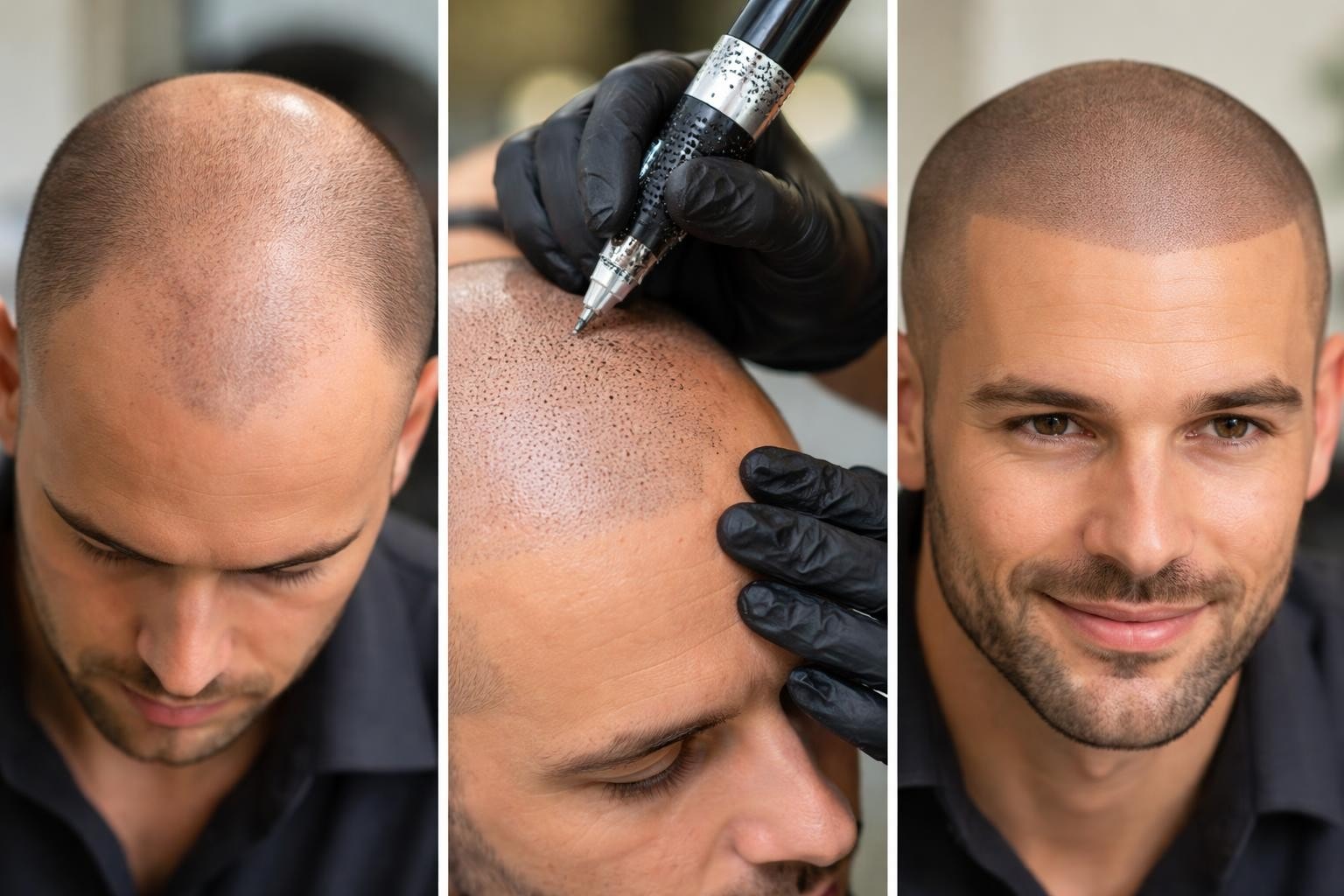
Hair loss affects millions of people worldwide, impacting self-esteem and confidence levels across all age groups. While traditional solutions like hair transplants and topical treatments have dominated the market for decades, a revolutionary cosmetic procedure has emerged as a viable alternative. A scalp tattoo, professionally known as scalp micropigmentation, offers a non-invasive solution that replicates the appearance of natural hair follicles through precise pigment application. This innovative treatment has transformed how individuals approach hair loss, providing immediate visual results without the recovery time or expense associated with surgical interventions.
Understanding the Scalp Tattoo Procedure
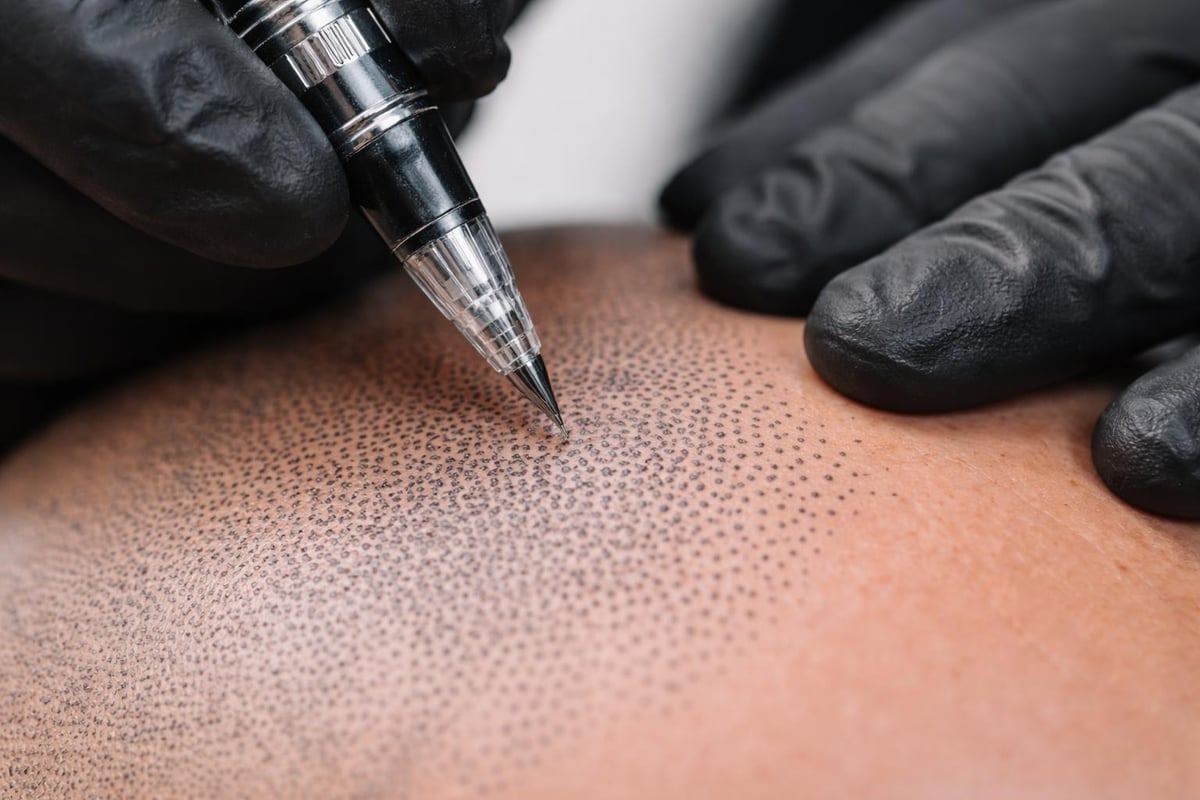
A scalp tattoo represents a specialized form of cosmetic tattooing that differs significantly from traditional body art. The procedure involves depositing tiny micro-dots of pigment into the upper dermis layer of the scalp, creating the illusion of natural hair follicles. Unlike conventional tattoos that penetrate deeper skin layers, scalp micropigmentation focuses on precise, shallow application to achieve realistic results.
Practitioners use specialized equipment designed specifically for this treatment:
- Digital micropigmentation devices with ultra-fine needles
- Custom-blended pigments that match natural hair color
- Magnification tools for precision placement
- Sterile, single-use needle cartridges
The technical expertise required for this procedure extends beyond basic tattooing skills. Technicians must understand hair growth patterns, scalp anatomy, and color theory to create convincing results. Each treatment session typically lasts between two to four hours, depending on the area being treated and the complexity of the case.
Who Benefits from Scalp Tattoo Treatments
This cosmetic solution addresses various hair loss conditions and aesthetic concerns. Candidates range from individuals experiencing male pattern baldness to those with scarring from previous hair transplant procedures. Research has documented scalp micropigmentation as an effective treatment for multiple hair loss scenarios.
| Condition | How Scalp Tattoo Helps | Typical Sessions Required |
|---|---|---|
| Male Pattern Baldness | Creates fuller appearance through density | 2-3 sessions |
| Alopecia | Camouflages patches and creates uniform look | 2-4 sessions |
| Thinning Hair | Adds depth and reduces scalp visibility | 2-3 sessions |
| Transplant Scars | Conceals linear or dotted scarring | 1-2 sessions |
| Female Hair Loss | Increases density appearance in thinning areas | 2-3 sessions |
The versatility of this treatment makes it suitable for both men and women experiencing various stages of hair loss. Athletes who shave their heads appreciate the defined hairline enhancement, while those with diffuse thinning value the added density appearance.
The Treatment Process and Timeline
Beginning a scalp tattoo journey requires understanding the multi-session approach that ensures optimal results. Initial consultations establish client expectations, assess scalp condition, and design the appropriate hairline or coverage pattern. Practitioners examine skin tone, existing hair color, and discuss desired outcomes before creating a customized treatment plan.
Session Breakdown and Healing
The first session establishes the foundation by creating the basic hairline shape and initial pigment layer. Technicians work conservatively during this phase, allowing clients to adjust to their new appearance gradually. Most individuals experience minimal discomfort during treatment, often describing the sensation as light scratching or vibration.
The typical treatment timeline follows this pattern:
- Consultation and Design (Week 0): Hairline mapping and color matching
- First Session (Week 1): Foundation layer and hairline establishment
- Healing Period (Weeks 2-3): Pigment settling and initial healing
- Second Session (Week 4-5): Density building and refinement
- Final Session (Week 8-10): Detail work and perfecting the finish
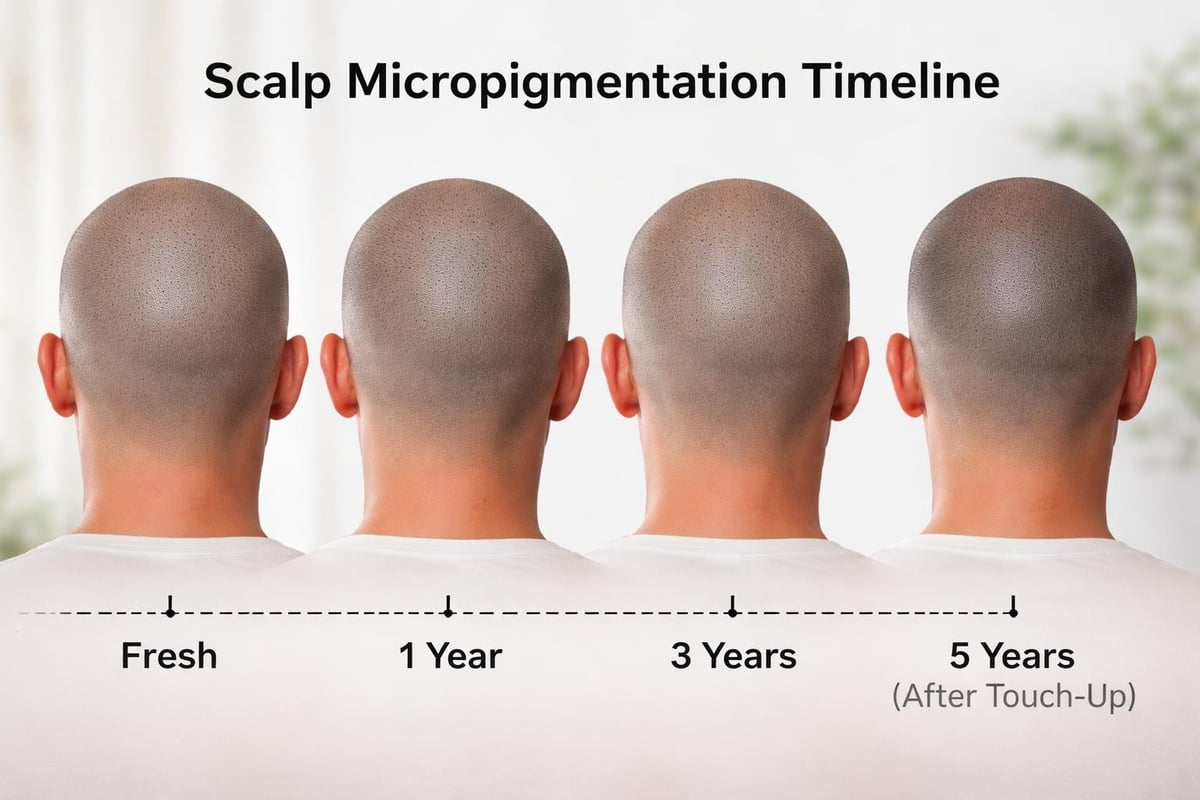
- Touch-up (6-12 months): Color refresh if needed
Between sessions, proper aftercare ensures pigment retention and prevents complications. Clients must avoid sun exposure, swimming, and excessive sweating for approximately five days following each treatment. The healing process differs from traditional tattoos due to the shallow pigment placement and specialized formulations used.
Achieving Natural Results
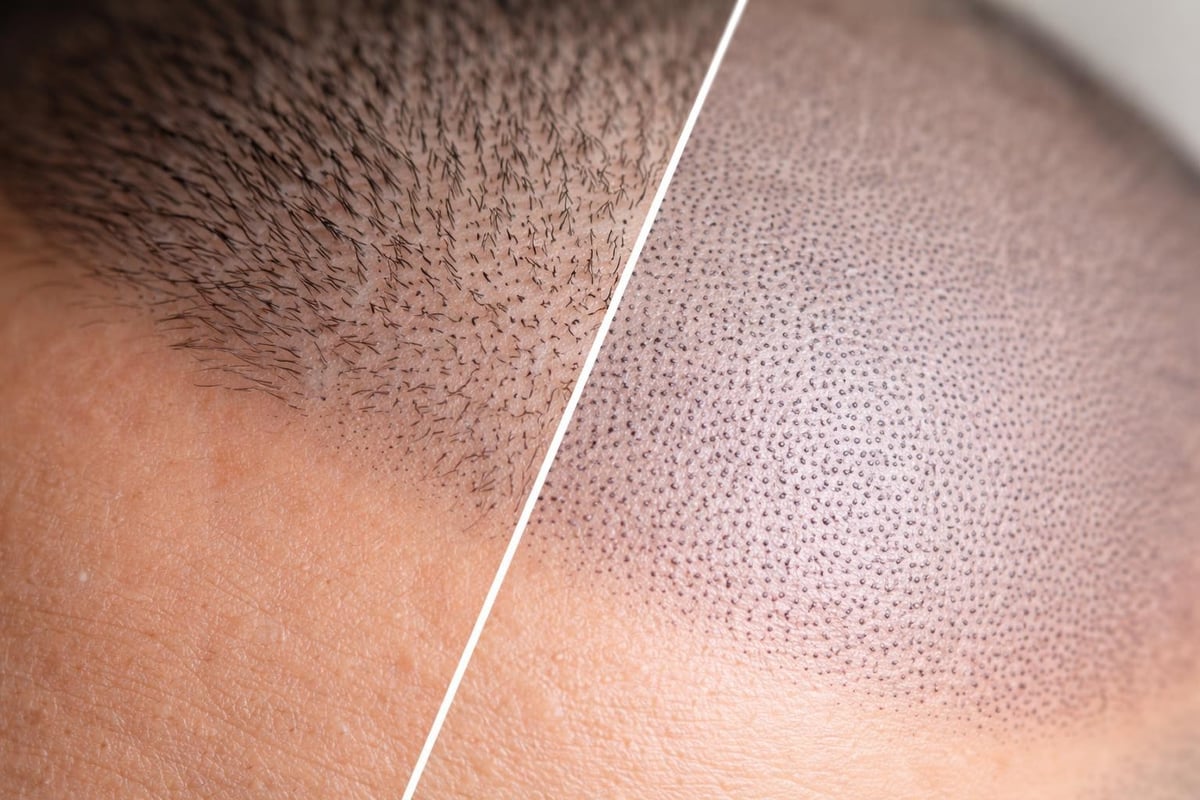
The artistry behind successful scalp tattoo treatments lies in replicating natural hair characteristics. Skilled practitioners vary dot size, spacing, and angle to mirror organic hair growth patterns. They consider factors like hair density in different scalp regions and the way light interacts with natural follicles.
Creating a convincing hairline requires particular expertise. Natural hairlines feature irregularity and gradual density transitions, not harsh lines. Technicians often create a "broken" hairline with strategic gaps and varying depths to avoid the artificial appearance that plagued early procedures.
Cost Considerations and Value Assessment
Investment in scalp tattoo treatments varies based on multiple factors including geographic location, practitioner experience, and treatment scope. Understanding pricing structures helps potential clients budget appropriately and recognize value propositions.
Pricing factors include:
- Treatment area size: Full scalp coverage costs more than hairline definition
- Session number: Complex cases requiring additional sessions increase total investment
- Practitioner credentials: Experienced specialists command premium rates
- Geographic location: Urban clinics typically charge higher rates than rural areas
- Included services: Some providers bundle consultations and touch-ups
Most comprehensive treatments range from two thousand to four thousand dollars for complete coverage. This investment proves cost-effective when compared to ongoing hair loss treatments or multiple hair transplant procedures. The longevity of results, typically lasting four to six years before requiring significant touch-ups, contributes to the overall value proposition.
Comparing Alternative Solutions
When evaluating hair loss solutions, comparing total costs over time provides clearer perspective. Hair transplant surgeries often exceed ten thousand dollars and may require multiple procedures to achieve desired density. Topical treatments and medications demand ongoing monthly expenses that accumulate significantly over years.
| Solution | Initial Cost | Annual Maintenance | 5-Year Total | Invasiveness |
|---|---|---|---|---|
| Scalp Tattoo | $2,500-$4,000 | $200-$400 | $3,500-$6,000 | Non-invasive |
| Hair Transplant | $8,000-$15,000 | $500-$1,000 | $10,500-$20,000 | Surgical |
| Topical Treatments | $300-$600 | $600-$1,200 | $3,300-$6,600 | Non-invasive |
| Hair Systems | $1,500-$3,000 | $2,000-$4,000 | $11,500-$23,000 | Non-invasive |
The permanence and low maintenance requirements make scalp tattoo treatments particularly appealing for busy professionals who prefer set-and-forget solutions. Unlike hair systems requiring regular adjustments or medications demanding daily application, properly executed micropigmentation requires minimal ongoing attention.
Risks, Side Effects, and Realistic Expectations
Every cosmetic procedure carries potential risks that informed clients should understand before proceeding. Scalp tattoo treatments generally present fewer complications than surgical alternatives, but certain considerations warrant attention. Medical literature documents various aspects of the procedure including potential adverse effects.
Common Side Effects and Management
Immediately following treatment, clients typically experience mild redness and tenderness in treated areas. These symptoms generally resolve within forty-eight hours without intervention. Some individuals notice slight swelling, particularly when extensive areas receive treatment during a single session.
Managing post-treatment effects:
- Apply cold compresses to reduce swelling
- Avoid touching or scratching treated areas
- Keep the scalp clean using gentle, fragrance-free cleansers
- Stay out of direct sunlight during the healing period
- Refrain from intense physical activity for three to five days
More serious complications occur rarely but include allergic reactions to pigments, infections from improper aftercare, or unsatisfactory aesthetic results from inexperienced practitioners. Choosing qualified professionals significantly reduces these risks.
Setting Appropriate Expectations
Understanding what scalp tattoo treatments can and cannot achieve prevents disappointment. This procedure creates the appearance of a fuller head of hair through visual illusion, not actual hair growth. The results look most convincing when viewed from normal social distances, though close inspection may reveal the cosmetic nature of the treatment.
Color fading represents a natural progression that all clients experience over time. Pigments gradually lighten as the body metabolizes them, typically requiring touch-up sessions every four to six years to maintain optimal appearance. Environmental factors like sun exposure accelerate fading, making sun protection an important long-term consideration.
The treatment works exceptionally well for creating buzz-cut aesthetics or adding density to thinning areas. However, it cannot replicate long hairstyles or provide texture that allows for styling versatility. Clients seeking to maintain longer hair lengths should understand that micropigmentation serves as a density enhancer rather than a complete hair replacement solution.
For those seeking comprehensive solutions to hair loss concerns, professional scalp micropigmentation delivers transformative results through precise technique and artistic application. Scalp Micropigmentation treatments combine technical expertise with aesthetic sensibility to create natural-looking hairlines and fuller appearance that restore confidence.
Selecting Qualified Practitioners
The success of scalp tattoo treatments depends heavily on practitioner skill and experience. Not all cosmetic tattoo artists possess the specialized training required for micropigmentation procedures. Thorough research and vetting ensure clients receive quality results from qualified professionals.
Credentials and Portfolio Review
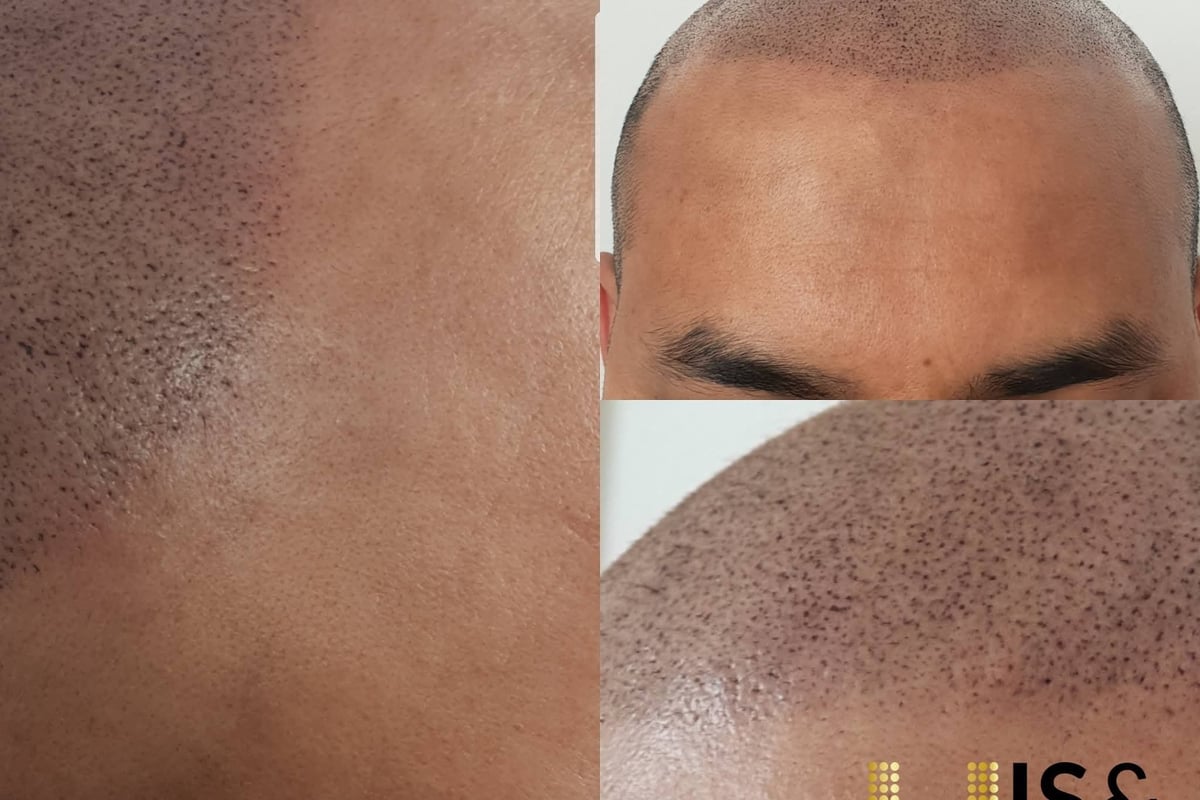
Legitimate practitioners maintain comprehensive portfolios showcasing diverse client results across various hair loss patterns and skin tones. Examining before-and-after photographs reveals consistency in quality and ability to handle different scenarios. Research on achieving natural results emphasizes the importance of proper technique and artistic skill.
Questions to ask potential practitioners:
- What specific training have you completed in scalp micropigmentation?
- How many procedures have you performed in the past year?
- Can you provide references from previous clients?
- What pigment brands do you use and why?
- How do you handle complications or unsatisfactory results?
- What does your aftercare protocol include?
Reputable clinics welcome these questions and provide transparent answers. They maintain proper licensing, follow strict hygiene protocols, and carry appropriate insurance coverage. Visiting the facility before committing allows assessment of cleanliness standards and professionalism.
Red Flags and Warning Signs
Certain indicators suggest practitioners may lack adequate expertise or operate under questionable standards. Prices significantly below market rates often signal inexperience or use of inferior materials. Practitioners who cannot explain their technique in detail or show reluctance to share portfolios raise legitimate concerns.
Pressure tactics pushing immediate decisions without adequate consultation time indicate unprofessional operations. Quality providers encourage potential clients to research thoroughly and feel completely comfortable before proceeding. They understand this represents a significant decision requiring careful consideration.
Long-term Maintenance and Care
Preserving scalp tattoo results requires minimal but consistent care practices. Understanding maintenance requirements helps clients maintain optimal appearance for extended periods. Proper care extends the interval between touch-up sessions and preserves color vibrancy.
Daily Care Practices
Once initial healing completes, treated scalps require gentle handling to preserve pigment integrity. Using mild, sulfate-free shampoos prevents premature fading while keeping the scalp clean and healthy. Harsh chemical treatments or abrasive scrubbing can accelerate pigment breakdown.
Sun protection emerges as the single most important long-term maintenance factor. Ultraviolet radiation breaks down pigment molecules, causing premature fading and potential color shifts. Applying broad-spectrum sunscreen to the scalp when spending extended time outdoors preserves treatment longevity.
Long-term maintenance checklist:
- Apply SPF 30+ sunscreen to scalp during sun exposure
- Use gentle, pH-balanced hair care products
- Avoid chlorinated pools or wear protective caps
- Schedule touch-up appointments as recommended
- Moisturize scalp to maintain healthy skin condition
Swimming in chlorinated water or saltwater can affect pigment appearance over time. Wearing swim caps or limiting exposure helps preserve results. Some clients notice slight color changes after extensive swimming without protection.
Touch-up Requirements
Even with excellent care, all scalp tattoo treatments eventually require touch-ups to maintain their original appearance. Most clients schedule refresh sessions every four to six years, though individual variation exists based on skin type, sun exposure, and metabolic factors.
Touch-up sessions typically cost less than initial treatments and require fewer appointments. They restore faded areas, adjust density, or modify hairlines to accommodate natural aging processes. Many individuals use touch-up opportunities to refine or update their look based on changing preferences or continued hair loss progression.
The relationship between client and practitioner often extends over many years through these maintenance sessions. Establishing care with qualified professionals at reputable clinics, such as those available through https://scalp.ie, ensures consistency in results and ongoing support throughout the treatment journey.
Technical Innovations and Future Developments
The scalp tattoo industry continues evolving through technological advancements and refined techniques. Modern practitioners benefit from improved equipment, better pigment formulations, and enhanced understanding of optimal application methods. These innovations deliver superior results with reduced treatment times and enhanced longevity.
Pigment Technology Advances
Contemporary pigment formulations specifically designed for scalp applications represent significant improvements over early products. Modern pigments resist color changes better, maintain stability longer, and match natural hair colors more accurately across diverse skin tones. Manufacturers now produce organic, hypoallergenic options that reduce adverse reaction risks.
Carbon-based pigments have largely replaced older formulations that contained metals prone to oxidation and color shifting. These newer options maintain true color longer and fade more uniformly, eliminating the bluish or greenish tints that occasionally occurred with earlier treatments.
Equipment Refinement
Digital micropigmentation devices now offer unprecedented precision through adjustable needle depth, variable speed controls, and ergonomic designs reducing practitioner fatigue. These improvements enable more consistent results and allow for subtle variations in technique that enhance natural appearance.
Needle technology has advanced significantly, with manufacturers producing ultra-fine needles specifically configured for scalp work. Different needle arrangements create varying dot sizes and shapes, allowing practitioners to customize their approach based on individual client characteristics and desired outcomes.
Addressing Special Considerations
Certain populations face unique considerations when contemplating scalp tattoo treatments. Understanding these factors ensures realistic expectations and optimal outcomes across diverse client groups.
Skin Tone Variations
Successfully treating clients across the full spectrum of skin tones requires specialized knowledge and experience. Research into scalp pigmentary problems highlights the importance of customized approaches for different skin types. Darker skin tones demand careful pigment selection to avoid ashy or unnatural appearances, while lighter skin requires proper depth control to prevent excessive visibility.
Experienced practitioners maintain extensive pigment libraries allowing precise color matching. They understand how different skin tones interact with various pigment shades and adjust their technique accordingly. Test spots applied during consultation sessions help verify color selection before proceeding with full treatment.
Scar Camouflage Applications
Beyond addressing standard hair loss patterns, scalp tattoo techniques effectively conceal various types of scarring. Linear scars from hair transplant procedures, accident-related injuries, or surgical procedures often respond well to micropigmentation. The treatment blends scar tissue with surrounding areas, significantly reducing visibility.
Scar tissue behaves differently than normal skin, sometimes requiring modified techniques or additional sessions to achieve satisfactory coverage. Mature scars typically accept pigment better than recently healed tissue. Studies on scalp micropigmentation as a concealer demonstrate effectiveness across various dermatologic conditions.
Medical Conditions and Contraindications
Certain medical conditions may preclude or delay scalp tattoo treatments. Active skin infections, uncontrolled diabetes, bleeding disorders, or autoimmune conditions affecting skin healing require medical clearance before proceeding. Individuals taking blood-thinning medications should consult their physicians regarding temporary discontinuation.
Keloid formation history presents particular concern, as scalp micropigmentation could potentially trigger excessive scarring in susceptible individuals. Practitioners should screen for this tendency during consultations and proceed cautiously or recommend alternative solutions when appropriate.
Psychological Impact and Confidence Restoration
The transformative effect of scalp tattoo treatments extends beyond physical appearance to encompass significant psychological benefits. Hair loss often affects self-esteem, social confidence, and overall quality of life. Addressing these concerns through effective cosmetic solutions delivers measurable improvements in mental wellbeing.
Self-Esteem Enhancement
Many clients report immediate confidence boosts following their final treatment session. The ability to present themselves without visible signs of hair loss removes a source of anxiety and self-consciousness. This renewed confidence often translates into improved social interactions, professional opportunities, and personal relationships.
Common psychological benefits reported:
- Increased willingness to participate in social activities
- Reduced anxiety about appearance in professional settings
- Greater comfort in intimate relationships
- Improved self-image and body confidence
- Decreased time spent worrying about hair loss
These benefits often surprise clients who initially viewed the treatment purely as aesthetic enhancement. The psychological impact frequently exceeds expectations, affecting multiple life areas positively.
Social Perception and Acceptance
Modern society increasingly accepts cosmetic procedures as legitimate self-improvement tools rather than vanity exercises. Scalp tattoo treatments generally remain undetectable when performed properly, allowing individuals to address hair loss concerns discreetly. This privacy appeals to those preferring to keep their aesthetic choices personal.
The normalization of male grooming and aesthetic treatments has reduced stigma around procedures like micropigmentation. Public figures openly discussing their experiences with hair loss solutions contributes to broader acceptance and understanding. Comprehensive information about the procedure helps educate the public and reduce misconceptions.
Scalp tattoo treatments represent a sophisticated cosmetic solution that addresses hair loss through artistic precision and technical expertise, offering lasting results with minimal maintenance requirements. Whether you're experiencing early-stage thinning or advanced hair loss, professional micropigmentation can restore your hairline and confidence. HIS&HERS Micropigmentation Clinic combines extensive experience with cutting-edge techniques to deliver natural-looking results tailored to your unique needs. Contact our specialists today to schedule your consultation and begin your transformation journey.
Leave a Reply