
Hair Loss Hair Loss: Complete Guide to Causes and Solutions
When individuals search for information about hair loss hair loss, they're often experiencing distressing changes to their appearance and desperately seeking answers. The repetition in their search reflects the urgency and emotional weight of their concern. Hair loss affects millions of people worldwide, crossing age groups, genders, and ethnicities. Understanding the mechanisms behind hair loss, recognizing its various forms, and exploring effective treatment options can empower those affected to make informed decisions about their appearance and confidence. This comprehensive guide examines the science behind hair loss hair loss, its underlying causes, and the modern solutions available in 2026.
Understanding the Biology Behind Hair Loss Hair Loss
Hair growth follows a complex cycle involving three distinct phases: anagen (growth), catagen (transition), and telogen (rest). Each hair follicle operates independently, cycling through these phases at different times. When this cycle disrupts, hair loss hair loss becomes visible.
The average human scalp contains approximately 100,000 hair follicles. Normal shedding ranges from 50 to 100 hairs daily. Problems arise when shedding exceeds growth, or when follicles miniaturize and stop producing terminal hairs altogether.
Follicle Miniaturization Process
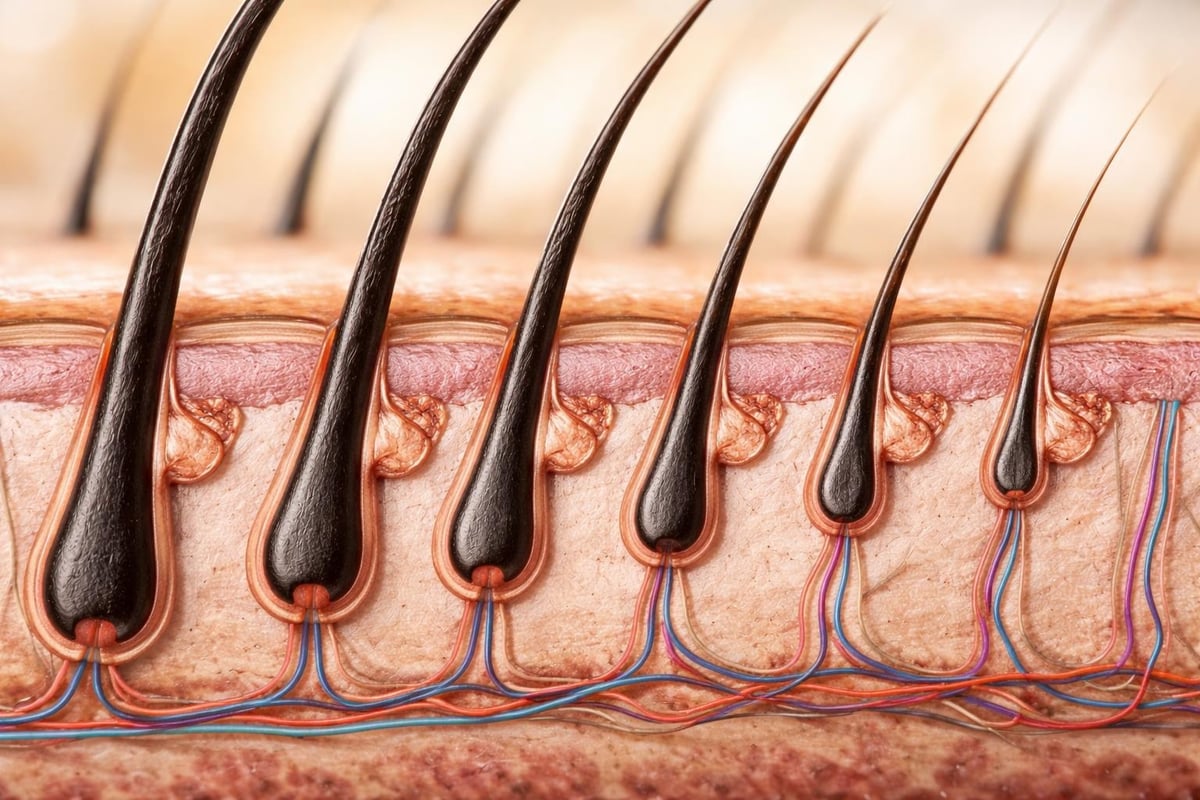
Miniaturization represents the hallmark of pattern hair loss. Healthy terminal hairs gradually transform into vellus hairs-fine, short, and barely visible. This process occurs when dihydrotestosterone (DHT) binds to androgen receptors in genetically susceptible follicles.
- Terminal hairs measure 60 micrometers or more in diameter
- Miniaturized hairs shrink progressively with each growth cycle
- Eventually, follicles produce only invisible vellus hairs
- The follicle itself doesn't disappear but becomes dormant
According to Harvard Health Publishing’s comprehensive guide on hair loss, understanding these biological mechanisms helps patients select appropriate interventions based on their specific condition.
Types and Patterns of Hair Loss
Hair loss hair loss manifests in numerous forms, each with distinct characteristics and causes. Accurate diagnosis determines treatment success.
| Hair Loss Type | Primary Characteristics | Typical Onset | Reversibility |
|---|---|---|---|
| Androgenetic Alopecia | Pattern thinning, gradual progression | 20s-30s | Partially manageable |
| Telogen Effluvium | Diffuse shedding, temporary | Any age | Usually reversible |
| Alopecia Areata | Patchy, autoimmune-related | Childhood to adulthood | Variable |
| Traction Alopecia | Hairline recession from tension | Any age | Reversible if caught early |
Androgenetic Alopecia
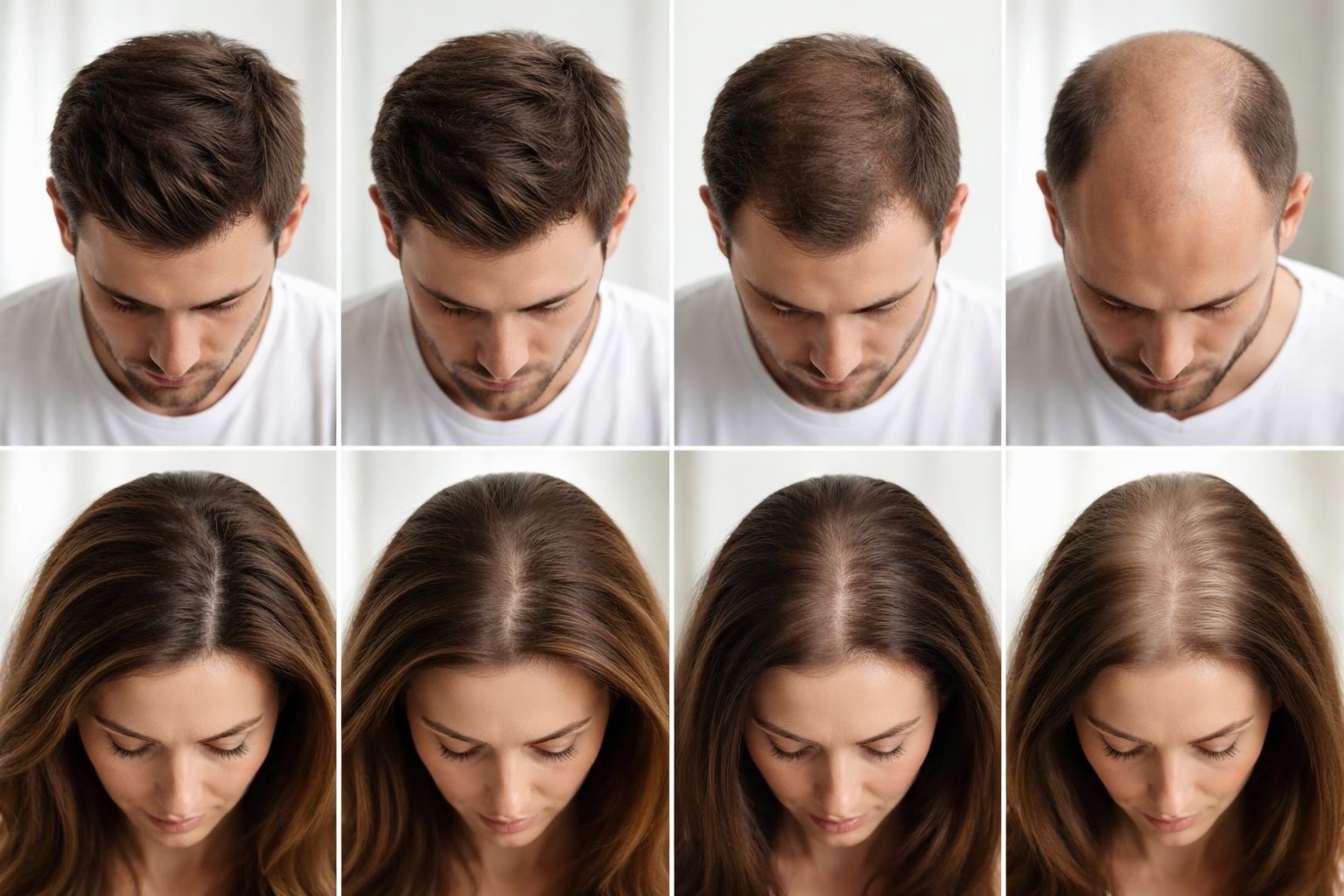
This hereditary condition affects approximately 50 million men and 30 million women in America alone. Men typically develop receding hairlines and crown thinning, following the Norwood-Hamilton scale. Women experience diffuse thinning across the crown while maintaining their frontal hairline, classified by the Ludwig scale.
Genetic predisposition determines follicle sensitivity to DHT. This androgen shortens the anagen phase and accelerates miniaturization. Research published in scholarly reviews of hair loss causes and treatments confirms that both maternal and paternal genes contribute to this condition.
Telogen Effluvium
Physical or emotional stress triggers diffuse hair shedding three to six months after the inciting event. Common triggers include:
- Major surgery or severe illness
- Childbirth and postpartum hormonal shifts
- Extreme weight loss or nutritional deficiency
- Medication changes or discontinuation
- Psychological trauma or chronic stress
Most cases resolve spontaneously within six to twelve months once the trigger resolves. Persistent telogen effluvium requires investigation for underlying health conditions.
Alopecia Areata and Autoimmune Conditions
The immune system mistakenly attacks hair follicles, creating round patches of complete hair loss. Severity ranges from single patches to total scalp hair loss (alopecia totalis) or complete body hair loss (alopecia universalis).
Treatment options include corticosteroid injections, topical immunotherapy, and newer JAK inhibitors showing promising results in clinical trials.
Medical and Lifestyle Causes of Hair Loss Hair Loss
Identifying underlying causes enables targeted intervention. Hair loss hair loss rarely stems from a single factor-multiple contributors often interact.
Hormonal Imbalances
Thyroid dysfunction, polycystic ovary syndrome (PCOS), and menopause significantly impact hair growth. Thyroid hormones regulate metabolism in hair follicles. Both hypothyroidism and hyperthyroidism can trigger diffuse thinning.
Women with PCOS experience elevated androgens, leading to scalp hair loss and increased facial hair. Menopause reduces estrogen levels, shifting the androgen-to-estrogen ratio and accelerating pattern hair loss.
Nutritional Deficiencies
Adequate nutrition supports healthy hair growth. Deficiencies in specific nutrients compromise follicle function:
- Iron deficiency affects oxygen delivery to follicles
- Vitamin D plays roles in follicle cycling
- Biotin deficiency causes brittle hair and shedding
- Protein malnutrition reduces keratin production
- Zinc deficiency disrupts growth phases
Blood testing identifies deficiencies requiring supplementation. According to research on female hair loss and non-pharmaceutical interventions, addressing nutritional gaps can significantly improve hair density in affected women.
Medications and Medical Treatments
Certain medications list hair loss as a side effect. Chemotherapy drugs deliberately target rapidly dividing cells, including hair follicles. Other medications with hair loss potential include:
- Beta-blockers and ACE inhibitors for hypertension
- Anticoagulants like warfarin and heparin
- Antidepressants, particularly older tricyclics
- Retinoids for acne treatment
- Immunosuppressants

Consulting healthcare providers about alternatives or dosage adjustments may help when medication-induced hair loss hair loss occurs.
Psychological Impact and Quality of Life
Hair loss hair loss extends beyond physical changes-it profoundly affects psychological well-being and social interactions. Studies consistently demonstrate correlations between hair loss and reduced self-esteem, social anxiety, and depression.
Emotional Consequences
Individuals experiencing hair loss report:
- Decreased confidence in professional settings
- Avoidance of social situations and photographs
- Relationship concerns and intimacy issues
- Obsessive monitoring of hair status
- Anxiety about disease progression
Women often experience more severe psychological distress than men, as societal expectations emphasize female hair as a symbol of beauty and femininity. Men face pressure regarding youth and vitality associated with full hair.
Coping Strategies and Support
Addressing the emotional dimension proves as important as treating the physical condition. Effective coping mechanisms include:
- Joining support groups with others experiencing similar challenges
- Working with therapists specializing in body image issues
- Exploring styling options and cosmetic camouflage
- Educating family and friends about the condition
- Focusing on controllable factors like overall health
Treatment Options for Hair Loss Hair Loss
Modern medicine offers numerous interventions for hair loss hair loss, ranging from pharmaceutical treatments to surgical procedures and cosmetic solutions.
FDA-Approved Medications
Only two medications have FDA approval specifically for treating pattern hair loss:
| Medication | Application | Mechanism | Effectiveness |
|---|---|---|---|
| Minoxidil (Rogaine) | Topical solution/foam | Prolongs anagen phase | 30-40% show regrowth |
| Finasteride (Propecia) | Oral tablet (men only) | Blocks DHT conversion | 66% maintain hair |
Minoxidil requires twice-daily application and takes four to six months to show results. Discontinuation leads to renewed hair loss. Side effects include scalp irritation and unwanted facial hair growth in some women.
Finasteride reduces DHT levels by inhibiting 5-alpha reductase. Men typically take 1mg daily. Benefits cease upon discontinuation. Potential side effects include sexual dysfunction in a small percentage of users.
Emerging Pharmaceutical Treatments
Research continues into new hair loss interventions. Low-level laser therapy (LLLT) devices received FDA clearance for promoting hair growth through photobiomodulation. Platelet-rich plasma (PRP) injections show promise in clinical trials, though results vary considerably.
Dutasteride, a more potent DHT inhibitor than finasteride, demonstrates effectiveness but lacks FDA approval for hair loss treatment in the United States. JAK inhibitors originally developed for rheumatoid arthritis show remarkable results in alopecia areata cases.
Surgical Hair Restoration
Hair transplantation techniques have evolved significantly. Modern procedures transplant individual follicular units, creating natural-looking results. Two primary methods exist:
- Follicular Unit Transplantation (FUT): Surgeon removes a strip of scalp from the donor area, dissects it into grafts, and implants them in thinning areas
- Follicular Unit Extraction (FUE): Individual follicles are extracted and transplanted, avoiding linear scarring
Successful transplantation requires adequate donor hair and realistic expectations. Results appear gradually over twelve to eighteen months as transplanted follicles cycle through growth phases.
Cosmetic Solutions and Scalp Micropigmentation
For individuals seeking non-surgical alternatives or complementary solutions to medical treatments, cosmetic approaches offer immediate visual improvements. Hair systems, volumizing products, and strategic styling create the appearance of fuller hair.
Scalp micropigmentation represents an innovative cosmetic solution that creates the visual appearance of density. This specialized technique addresses the cosmetic concerns that often accompany hair loss hair loss, providing confidence restoration without ongoing medication requirements or surgical intervention. The procedure involves depositing pigment into the scalp to replicate the appearance of natural hair follicles, offering a discreet solution for various stages of hair loss.
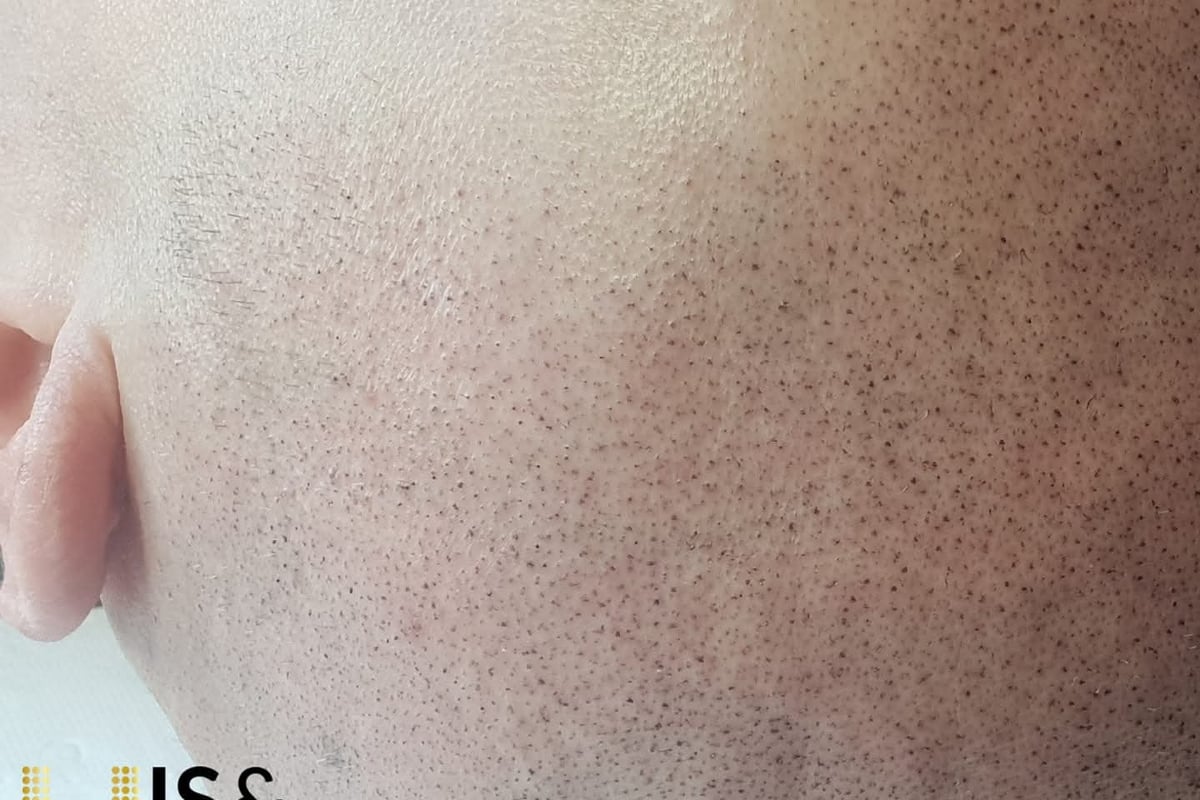
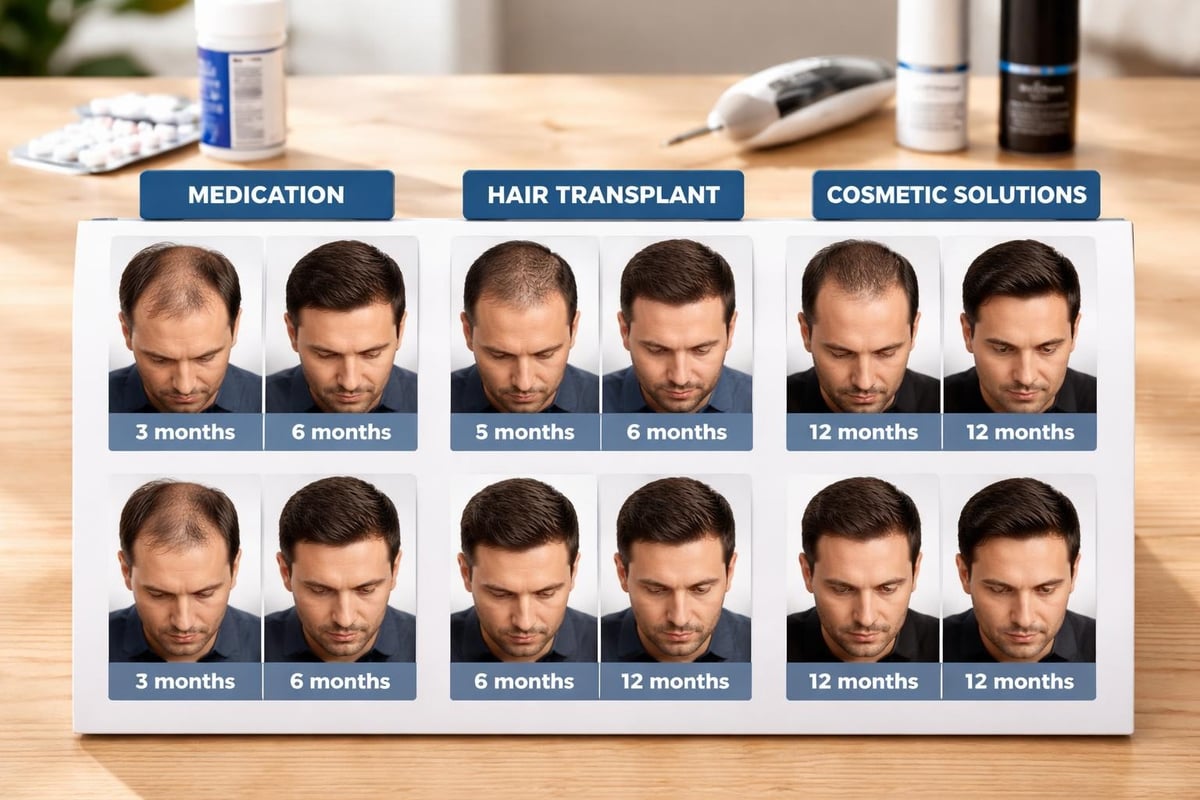
Clients considering any cosmetic solution should research qualified practitioners and review extensive before-and-after portfolios to ensure realistic expectations and quality results.
Prevention Strategies and Hair Health Maintenance
While genetic hair loss remains unavoidable, certain practices minimize damage and support optimal follicle health. Proactive approaches benefit those with family histories of hair loss hair loss.
Gentle Hair Care Practices
Mechanical damage contributes to breakage and traction alopecia. Protective strategies include:
- Avoiding tight hairstyles that pull on follicles
- Using wide-toothed combs on wet hair
- Limiting heat styling and chemical treatments
- Choosing gentle, sulfate-free shampoos
- Protecting hair from sun exposure and chlorine
Scalp Health Optimization
Healthy scalps support healthy hair growth. Regular cleansing removes buildup without stripping natural oils. Scalp massages may improve circulation, though evidence remains anecdotal.
Anti-inflammatory diets rich in omega-3 fatty acids, antioxidants, and vitamins support follicle function. Hydration, stress management, and adequate sleep contribute to overall health reflected in hair quality.
Early Intervention Benefits
Addressing hair loss hair loss in early stages yields better outcomes. Treatments preserve existing hair more effectively than they regenerate lost follicles. Monitoring family patterns and seeking professional evaluation at first signs of thinning enables timely intervention.
Regular documentation through photographs helps track progression objectively. Many individuals overestimate daily shedding and benefit from professional assessment distinguishing normal shedding from pathological loss.
Professional Diagnosis and Personalized Treatment Plans
Self-diagnosis often leads to inappropriate treatments and wasted resources. Dermatologists specializing in hair disorders provide accurate diagnoses through clinical examination and diagnostic testing.
Diagnostic Procedures
Comprehensive evaluation includes:
- Detailed medical history and family history review
- Scalp examination with dermoscopy
- Hair pull test to assess active shedding
- Blood tests screening thyroid function, iron levels, and hormones
- Scalp biopsy in unclear cases
Dermoscopy allows magnified visualization of hair density, follicle patterns, and scalp conditions invisible to the naked eye. This non-invasive tool helps distinguish scarring from non-scarring alopecia and identifies inflammation.
Customized Treatment Approaches
No single treatment suits everyone experiencing hair loss hair loss. Effective management considers:
- Hair loss type and severity
- Patient age and gender
- Overall health status and contraindications
- Treatment goals and expectations
- Budget and commitment level
Combination approaches often work best. A patient might use minoxidil, address nutritional deficiencies, manage stress, and explore cosmetic solutions simultaneously. Regular follow-up appointments track progress and adjust strategies as needed.
For those interested in exploring comprehensive resources and treatment options, visiting specialized clinics provides access to experienced professionals who understand the multifaceted nature of hair loss.
Gender-Specific Considerations in Hair Loss
Men and women experience hair loss hair loss differently, requiring tailored approaches to diagnosis and treatment.
Male Pattern Baldness
Men typically notice recession at the temples and thinning at the crown. The Norwood-Hamilton scale classifies progression from stage I (minimal recession) to stage VII (extensive loss with horseshoe pattern remaining).
Social acceptance of male baldness varies culturally but generally faces less stigma than female hair loss. Men often choose between treatment, camouflage, or embracing baldness through complete shaving.
Female Pattern Hair Loss
Women experience diffuse thinning across the top of the scalp while maintaining the frontal hairline. The Ludwig scale categorizes severity into three grades. Part widening becomes increasingly noticeable.
Diagnosis requires ruling out other conditions like PCOS, thyroid disorders, and iron deficiency. Treatment options are more limited-finasteride is contraindicated in women of childbearing potential due to birth defect risks.
Women report more significant psychological distress and quality-of-life impacts, making supportive counseling an important treatment component alongside medical interventions.
Future Directions in Hair Loss Research
Scientific understanding of hair biology continues advancing, promising new treatment possibilities for hair loss hair loss sufferers.
Stem Cell Research
Scientists investigate hair follicle stem cells, seeking methods to reactivate dormant follicles or generate new ones. Early-stage research shows promise but remains years from clinical application.
Genetic Therapies
Identifying specific genes responsible for pattern baldness opens possibilities for targeted genetic interventions. CRISPR technology might eventually modify follicle sensitivity to DHT, though ethical and practical considerations require resolution.
Novel Drug Development
Pharmaceutical companies continue developing new compounds targeting different pathways in the hair growth cycle. Some focus on Wnt signaling, others on prostaglandin analogs similar to latanoprost, which promotes eyelash growth.
Personalized medicine approaches may soon match individuals with treatments based on genetic profiles, optimizing effectiveness and minimizing side effects.
Understanding hair loss hair loss requires examining biological mechanisms, identifying specific causes, and exploring appropriate interventions tailored to individual circumstances. Whether pursuing medical treatments, surgical options, or cosmetic solutions, informed decisions based on professional guidance yield the best outcomes. If you're experiencing hair loss and seeking expert consultation on modern solutions including cosmetic treatments, HIS&HERS Micropigmentation Clinic offers specialized services designed to restore confidence and provide natural-looking results for individuals at any stage of their hair loss journey.

Leave a Reply