


Your Hair Line: Understanding Changes and Solutions
Your hair line serves as a defining feature of your facial appearance, framing your face and contributing significantly to your overall aesthetic. Whether you've noticed subtle changes or dramatic shifts in your hairline position, understanding what's happening and what options exist can help you make informed decisions about treatment and restoration. This comprehensive guide explores the anatomy of your hair line, common causes of recession, and the most effective solutions available in 2026.
Understanding Your Hair Line Anatomy
Your hair line represents the edge where hair growth meets your forehead, and it varies significantly from person to person. The natural position and shape of your hair line depends on genetics, age, ethnicity, and hormonal factors. Most people have a hairline that sits approximately one finger's width above the highest forehead crease, though this varies considerably.
Natural Hairline Variations
Several distinct hairline patterns exist naturally, each with its own characteristics and considerations:
- Rounded hairline: Follows a gentle curve across the forehead
- M-shaped hairline: Features slight recession at the temples, creating an M pattern
- Widow's peak: Shows a V-shaped point in the center of the forehead
- Straight hairline: Runs in a relatively horizontal line across the forehead
- Uneven hairline: Displays asymmetry between left and right sides
Understanding these variations helps distinguish between your natural hairline pattern and actual recession. Many people mistake their natural M-shaped hairline for balding, when in reality this pattern can remain stable throughout life.

Common Causes of Hairline Changes
Your hair line doesn't remain static throughout life. Multiple factors contribute to changes in hairline position and density, ranging from inevitable aging processes to preventable lifestyle choices.
Genetic and Hormonal Factors
Androgenetic alopecia, commonly known as male or female pattern baldness, represents the primary cause of hairline recession. This hereditary condition affects approximately 50 million men and 30 million women in the United States alone. The condition occurs when hair follicles become sensitive to dihydrotestosterone (DHT), a hormone derived from testosterone.
When DHT binds to receptors in scalp follicles, it triggers a miniaturization process. Your hair line follicles gradually produce thinner, shorter hairs until they eventually stop producing visible hair altogether. This process typically begins at the temples and crown, creating the characteristic receding pattern many people experience.
| Factor | Impact on Hairline | Timeline |
|---|---|---|
| Genetics | Determines susceptibility to recession | Lifelong predisposition |
| DHT Sensitivity | Causes follicle miniaturization | Progressive over years |
| Hormonal Changes | Triggers or accelerates hair loss | Variable, often during life transitions |
| Age | Natural thinning and recession | Gradual after age 25-30 |
Lifestyle and Environmental Contributors
Beyond genetics, numerous controllable factors influence your hair line health. Traction alopecia develops when consistent pulling force damages hair follicles, commonly from tight hairstyles, extensions, or headwear. This type of hair loss particularly affects your hair line since these areas experience the most tension.
Stress plays a significant role in hair health through a condition called telogen effluvium. During periods of extreme stress, a larger percentage of your hair line follicles enter the resting phase simultaneously, leading to noticeable shedding months later. While this condition is typically temporary, repeated stress cycles can contribute to permanent changes.
Nutritional deficiencies also impact your hair line integrity. Iron, biotin, zinc, and protein deficiencies can weaken hair structure and slow growth rates. Poor scalp health from inadequate cleansing, excessive chemical treatments, or harsh styling practices creates an environment where your hair line struggles to maintain density.
Identifying Hairline Recession
Recognizing early signs of changes to your hair line enables timely intervention. Many effective treatments work best when started early, making awareness crucial for preservation efforts.
Early Warning Signs
The first indicators of hairline recession often appear subtle. You might notice increased forehead visibility when comparing current photos to those from a few years ago. Your hair line may gradually move backward, particularly at the temples, creating a more pronounced M-shape.
Other early signs include:
- Increased hair shedding during washing or brushing
- Thinning hair texture along the hairline edge
- Visible scalp showing through hairline hair
- Changes in hair cowlick patterns or natural part lines
- Miniaturized hairs (short, fine hairs) along your hair line
Many people discover changes when they style their hair differently or when lighting conditions reveal scalp visibility previously unnoticed. Understanding how to identify recession helps you track progression accurately.
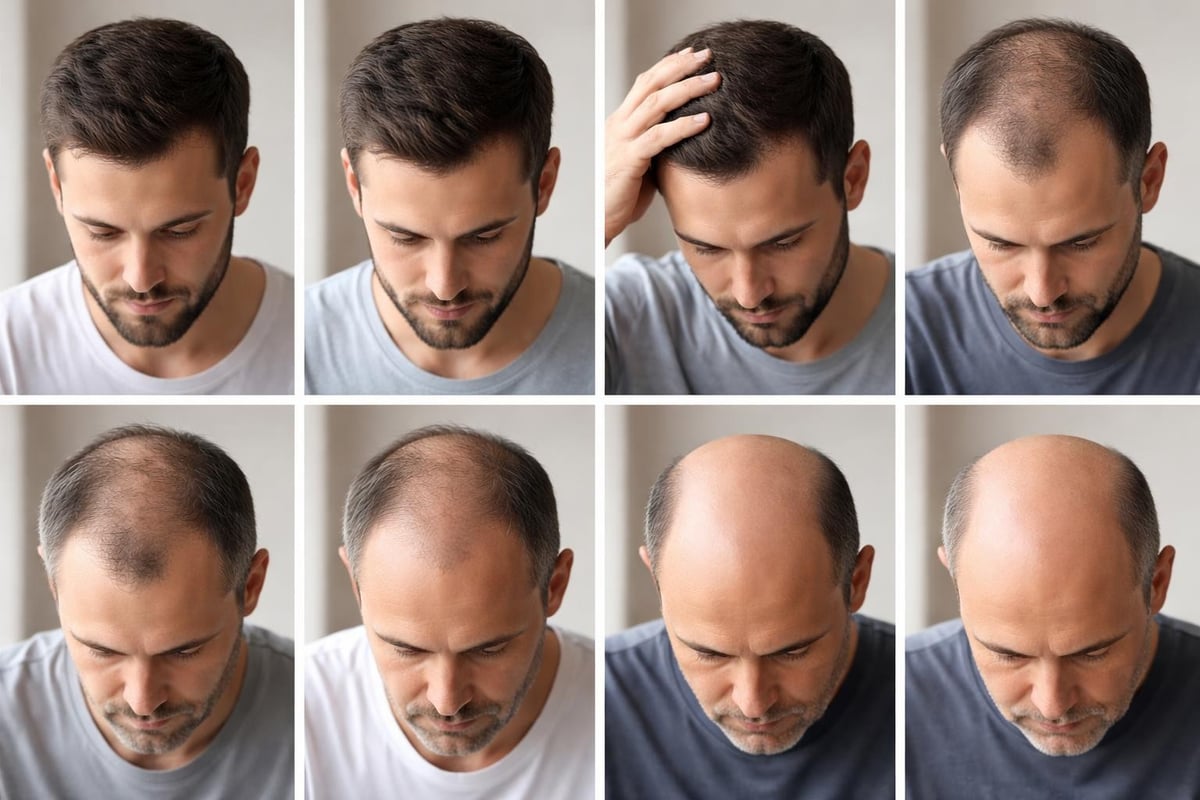
Measuring Hairline Changes
Documenting your hair line position helps track changes objectively. Take standardized photos monthly in consistent lighting with your hair pulled back. Measure the distance from your highest forehead crease to your hair line at three points: center and both temples.
Dermatologists use the Norwood-Hamilton scale for male pattern baldness and the Ludwig scale for female pattern hair loss. These standardized classifications help medical professionals assess recession severity and recommend appropriate treatments.
Medical Treatment Options
Modern medicine offers several evidence-based approaches to address your hair line concerns. These treatments range from topical medications to surgical interventions, each with specific applications and success rates.
FDA-Approved Medications
Two primary FDA-approved medications treat hair loss affecting your hair line. Minoxidil, available over-the-counter, stimulates hair growth and extends the growth phase of hair follicles. Applied directly to your hair line twice daily, minoxidil shows effectiveness in approximately 60% of users, though results require consistent use for at least four months.
Finasteride, available by prescription for men, blocks the enzyme that converts testosterone to DHT. By reducing DHT levels, finasteride slows or stops hair loss progression in approximately 90% of users and promotes regrowth in about 65%. However, this medication isn't suitable for women of childbearing age due to potential birth defect risks.
Recent additions to the treatment landscape include:
- Dutasteride: Similar to finasteride but blocks more DHT conversion pathways
- Low-level laser therapy (LLLT): FDA-cleared devices that stimulate follicle activity
- Platelet-rich plasma (PRP): Injections using concentrated growth factors from your own blood
- Topical DHT blockers: Including saw palmetto and other natural alternatives
Surgical Restoration Methods
When medication proves insufficient, surgical options provide permanent solutions for your hair line restoration. Hair transplant procedures have evolved significantly, with modern techniques producing natural-looking results virtually indistinguishable from native hair growth.
Follicular unit extraction (FUE) represents the current gold standard. Surgeons harvest individual follicles from donor areas, typically the back of your scalp, and transplant them to your hair line. This technique leaves minimal scarring and creates natural hairline patterns when performed by experienced practitioners. Results appear gradually over six to twelve months as transplanted follicles establish and begin producing hair.
Follicular unit transplantation (FUT) involves removing a strip of scalp from the donor area and dissecting it into individual grafts. While this method leaves a linear scar, it allows for harvesting larger numbers of follicles in a single session, making it cost-effective for extensive restoration.
| Treatment | Success Rate | Timeline for Results | Maintenance Required |
|---|---|---|---|
| Minoxidil | 60% show improvement | 4-6 months | Daily application |
| Finasteride | 90% stop progression | 3-6 months | Daily oral medication |
| Hair Transplant (FUE) | 90-95% graft survival | 6-12 months | None, permanent results |
| PRP Therapy | 70% show improvement | 3-6 months | Quarterly sessions |
Non-Surgical Cosmetic Solutions
Not everyone wants medication or surgery to address their hairline concerns. Non-surgical alternatives provide effective options for improving your hair line appearance without invasive procedures.
Scalp Micropigmentation Technology
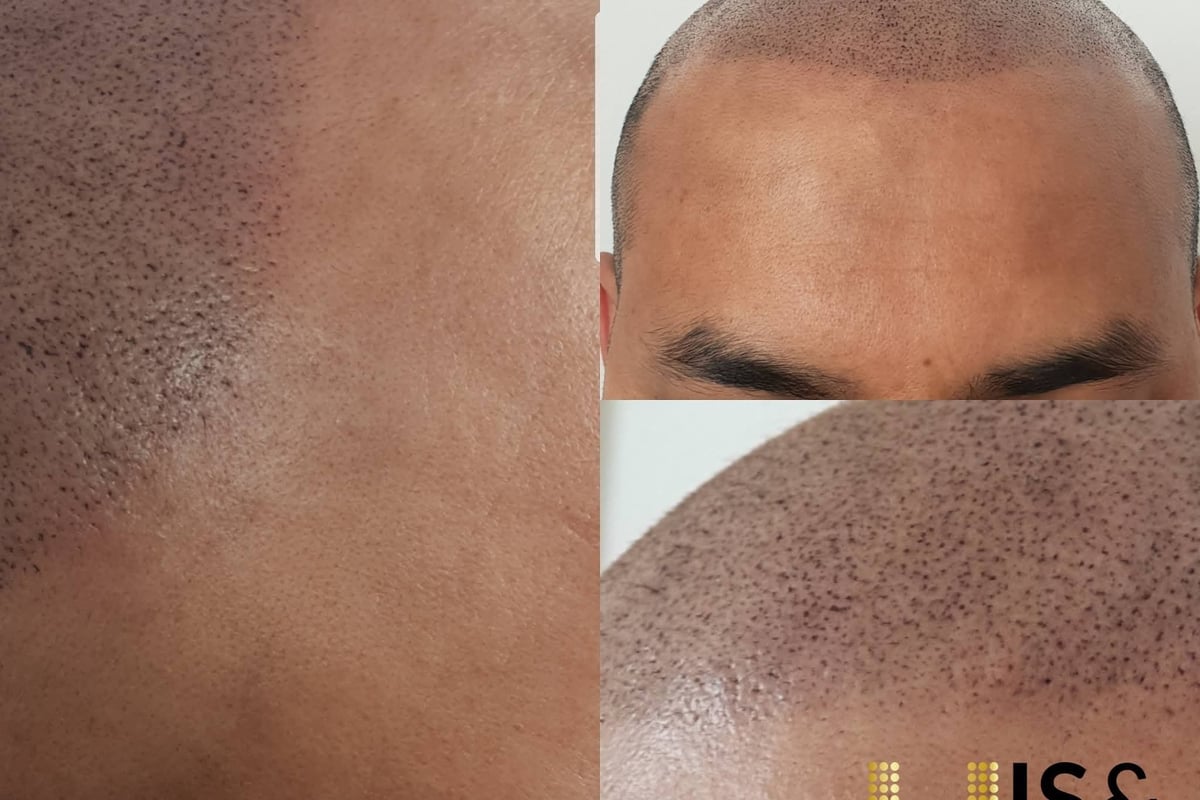
Scalp micropigmentation has emerged as a revolutionary solution for recreating the appearance of a fuller hairline. This advanced cosmetic procedure involves depositing tiny pigment deposits into the scalp dermis, creating the illusion of hair follicles. When performed correctly, the results appear remarkably natural and can completely transform your hair line aesthetic.
The technique works exceptionally well for various hairline concerns. Whether you're experiencing early recession, advanced hair loss, or simply want to create the appearance of density, scalp micropigmentation adapts to your specific needs. The procedure creates thousands of micro-impressions that replicate the size and appearance of natural hair follicles.
For those seeking immediate, predictable results without ongoing maintenance, Scalp Micropigmentation offers a permanent solution that restores confidence and creates a defined, youthful hairline regardless of the extent of hair loss.
Concealment and Styling Approaches
Strategic styling can minimize the appearance of hairline recession while you pursue other treatments. Hair fibers, powders, and sprays temporarily fill gaps along your hair line, providing immediate coverage for special occasions or daily wear. These products bind to existing hairs through static electricity, creating the appearance of fuller coverage.
Hairstyle selection significantly impacts how noticeable your hair line appears. Styles with textured, slightly longer hair along the hairline create shadows that disguise recession. Avoiding slicked-back styles or severe parts prevents drawing attention to sparse areas. Working with an experienced stylist who understands hair loss creates the most flattering approach for your specific situation.
Prevention Strategies for Hairline Health
Protecting your hair line before significant recession occurs provides the best outcomes. Implementing preventive measures early maintains density and delays progression of hereditary hair loss patterns.
Scalp Care Fundamentals
Your hair line health begins with proper scalp care. Gentle cleansing removes sebum, dead skin cells, and product buildup that can clog follicles and impede healthy growth. However, over-washing strips natural oils, potentially drying the scalp and weakening hair shafts. Most people achieve optimal results washing every other day or three times weekly.
Massage stimulates blood flow to your hair line follicles, delivering oxygen and nutrients essential for hair production. Spend five minutes daily massaging your scalp using circular motions, paying particular attention to your hair line and temples. This simple practice costs nothing and provides measurable benefits.
Protecting your hair line from environmental damage preserves follicle health:
- Sun protection: UV radiation damages hair proteins and scalp skin
- Heat styling limits: Excessive heat weakens hair structure and follicles
- Chemical treatment spacing: Allow adequate recovery time between coloring or perming
- Gentle handling: Avoid aggressive brushing, especially when hair is wet
- Quality products: Invest in sulfate-free shampoos and nourishing conditioners
Nutritional Support
Your hair line requires specific nutrients to maintain healthy growth cycles. Protein serves as the building block for hair structure, with each strand composed primarily of keratin protein. Insufficient protein intake forces your body to ration this resource, often sacrificing hair growth in favor of more critical functions.
Iron deficiency represents one of the most common nutritional causes of hair loss affecting your hair line. This mineral enables red blood cells to carry oxygen to follicles. Without adequate iron, follicles enter resting phases prematurely, resulting in increased shedding and reduced density.
Additional nutrients supporting your hair line include:
- Biotin: Supports keratin production and hair structure
- Zinc: Regulates hormones and supports follicle health
- Omega-3 fatty acids: Reduce inflammation and nourish scalp
- Vitamin D: Activates follicles and promotes growth cycles
- B-complex vitamins: Support cellular metabolism in follicles
Psychological Impact and Confidence
Changes to your hair line affect more than physical appearance. The emotional and psychological dimensions of hairline recession significantly impact quality of life, self-perception, and social interactions.
Self-Image and Identity
Your hair line contributes to how you perceive yourself and how others perceive you. Research consistently demonstrates that people experiencing hair loss report decreased self-esteem, increased self-consciousness, and heightened anxiety about their appearance. These feelings often intensify during early recession stages when changes become noticeable but before acceptance develops.
The impact varies based on individual factors. Some people embrace hairline changes as a natural part of aging, while others experience significant distress. Neither response is wrong, and acknowledging your feelings about your hair line changes represents an important step toward addressing concerns constructively.
Social situations can trigger particular anxiety when you're worried about your hair line. Bright overhead lighting, photographs, video calls, and close-up conversations might make you hyper-aware of recession. This awareness sometimes leads to avoiding activities you previously enjoyed or declining social invitations.
Building Confidence Through Action
Taking control of your hair line situation, whether through treatment, concealment, or acceptance, restores a sense of agency. Understanding treatment options and making informed decisions empowers you to address concerns on your terms.
Many people find that connecting with others experiencing similar changes provides valuable perspective. Support groups, online communities, and professional counseling help process feelings about your hair line while discovering coping strategies and treatment insights from others' experiences.
Advanced Assessment Techniques
Professional evaluation of your hair line provides insights beyond what self-assessment reveals. Dermatologists and hair restoration specialists use sophisticated diagnostic tools to understand your specific situation comprehensively.
Clinical Evaluation Methods
Trichoscopy allows dermatologists to examine your hair line under high magnification, revealing miniaturized hairs, scalp inflammation, and follicle conditions invisible to the naked eye. This non-invasive examination identifies specific hair loss patterns and distinguishes between different types of alopecia affecting your hair line.
Pull tests assess hair shedding rates by gently tugging small sections of hair along your hair line. Excessive shedding indicates active hair loss, while normal resistance suggests stable conditions. This simple test provides immediate feedback about your current hair cycle status.
Blood work identifies underlying conditions contributing to your hair line changes. Testing thyroid function, iron levels, hormone profiles, and nutritional markers reveals treatable deficiencies or imbalances. Addressing these root causes often improves hair health significantly.
Scalp biopsies, while invasive, provide definitive diagnoses for unclear cases. Microscopic examination of follicles and surrounding tissue distinguishes between scarring and non-scarring alopecia, autoimmune conditions, and other disorders affecting your hair line.
Future Developments in Hairline Treatment
The field of hair restoration continues advancing rapidly, with promising technologies on the horizon for addressing your hair line concerns more effectively than current options allow.
Emerging Technologies
Stem cell therapy represents one of the most exciting frontiers in hair restoration. Researchers are developing methods to activate dormant follicles or create new follicles entirely using stem cell technology. Early trials show promise, though widespread availability remains years away.
Genetic treatments targeting the specific genes responsible for your hair line recession could revolutionize prevention and treatment. By understanding individual genetic markers, treatments could be customized to your unique biology, maximizing effectiveness while minimizing side effects.
Robotics and artificial intelligence are enhancing hair transplant precision. Robotic FUE systems identify and extract optimal follicles with unprecedented accuracy, potentially improving graft survival rates and natural-looking results along your hair line.
Topical treatments in development aim to deliver active ingredients more effectively to your hair line follicles. Enhanced penetration systems, time-release formulations, and combination therapies promise improved results with fewer side effects than current medications.
Making Informed Decisions About Your Hair Line
Navigating the numerous options for addressing your hair line requires careful consideration of multiple factors. Your age, hair loss extent, budget, lifestyle, and personal goals all influence which approach suits you best.
Evaluation Framework
Before committing to any treatment, assess your priorities systematically. Consider the following questions:
- How much does your hair line change bother you on a scale of 1-10?
- What results would make you satisfied with a treatment?
- How much time can you dedicate to daily or weekly maintenance?
- What's your realistic budget for both initial treatment and ongoing maintenance?
- How important is treatment reversibility to you?
- What side effects or risks are you willing to accept?
These answers guide you toward options aligning with your specific circumstances. Someone in their early twenties experiencing initial recession might prioritize prevention through medication, while someone with extensive hair loss might pursue surgical or cosmetic solutions for immediate transformation.
Consulting multiple specialists provides diverse perspectives. A dermatologist offers medical insights, a hair transplant surgeon presents surgical options, and a scalp micropigmentation practitioner explains cosmetic alternatives. Gathering comprehensive information before deciding ensures you understand all possibilities for improving your hair line appearance.
Understanding your hair line-from natural variations to recession patterns and available solutions-empowers you to address concerns confidently and effectively. Whether you choose medical treatments, surgical restoration, or cosmetic solutions, taking action restores both your appearance and self-assurance. The team at HIS&HERS Micropigmentation Clinic specializes in creating natural-looking hairlines through advanced scalp micropigmentation techniques, helping clients regain confidence with permanent, maintenance-free results. Schedule a consultation today to explore how we can help you achieve the hairline you desire.

Leave a Reply