
Alopecia Natural Treatment: Evidence-Based Solutions
Hair loss affects millions of people worldwide, with alopecia presenting unique challenges that often send individuals searching for solutions beyond conventional medicine. While pharmaceutical interventions exist, many people experiencing hair loss seek gentler, more holistic approaches that work with their body's natural healing processes. Understanding the science behind alopecia natural treatment options empowers individuals to make informed decisions about their hair restoration journey while managing expectations realistically.
Understanding Different Types of Alopecia
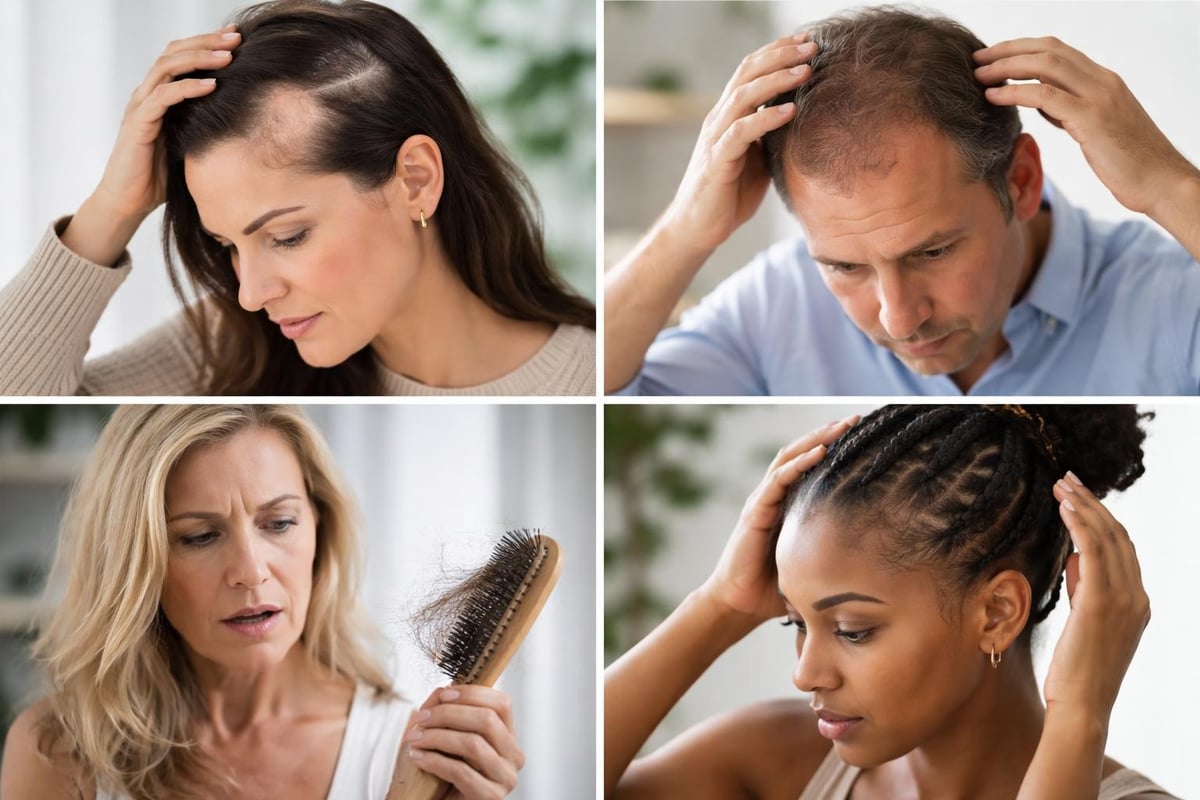
Alopecia manifests in several distinct forms, each requiring tailored approaches for optimal results. Alopecia areata causes patchy hair loss due to autoimmune responses, while androgenetic alopecia represents pattern baldness influenced by genetics and hormones. Telogen effluvium triggers temporary shedding following stress or illness, and traction alopecia results from prolonged tension on hair follicles.
Identifying your specific type of alopecia proves essential before pursuing any treatment protocol. A dermatologist can perform scalp examinations, blood tests, and biopsies to determine the underlying cause of hair loss. This diagnostic foundation ensures that chosen natural treatments address the root problem rather than merely masking symptoms.
The autoimmune nature of alopecia areata means that natural treatments often focus on reducing inflammation and supporting immune system balance. Conversely, androgenetic alopecia responds better to interventions targeting DHT reduction and follicle stimulation. Understanding these distinctions helps set realistic expectations about which natural remedies might prove most beneficial for your situation.
Essential Oils and Aromatherapy Approaches
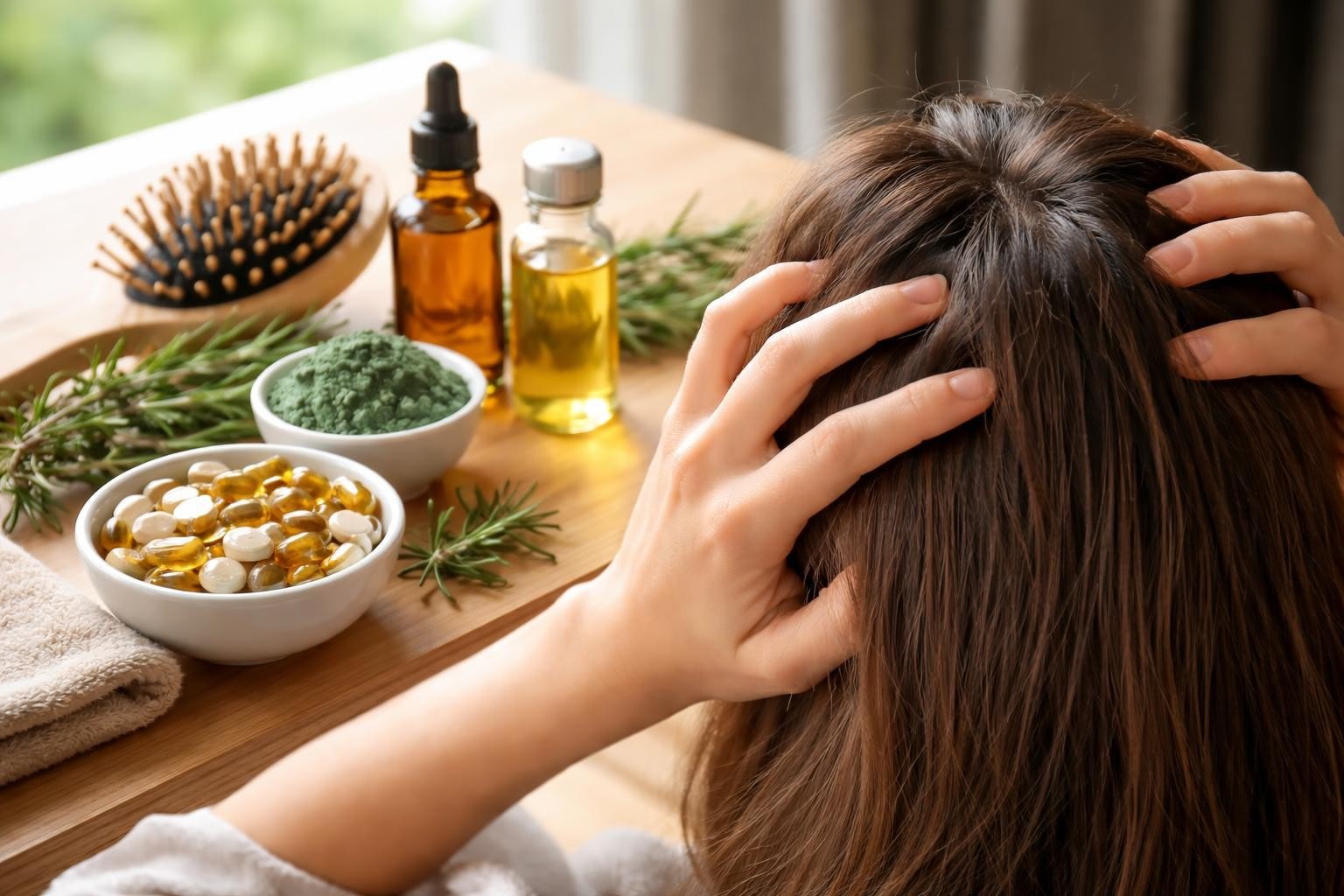
Essential oils have emerged as popular components of alopecia natural treatment protocols, with several oils demonstrating promising results in clinical studies. Research has shown that aromatherapy scalp massage can stimulate hair growth when performed consistently over several months.
Rosemary Oil for Follicle Stimulation
Rosemary oil stands out among essential oils for its ability to improve circulation to the scalp and potentially inhibit DHT production. Studies comparing rosemary oil to minoxidil found comparable results after six months of daily application. The oil works by dilating blood vessels, increasing nutrient delivery to hair follicles, and creating an environment conducive to growth.
Application requires diluting rosemary oil in a carrier oil like jojoba or coconut oil, using approximately three to five drops per tablespoon of carrier. Massage this mixture into the scalp for five to ten minutes before shampooing, allowing it to penetrate for at least thirty minutes. Consistency matters more than intensity, with daily or every-other-day applications yielding better outcomes than sporadic use.
Peppermint and Lavender Oil Combinations
Peppermint oil increases blood flow through its cooling menthol properties, while lavender oil reduces stress and possesses antimicrobial qualities that support scalp health. Combining these oils creates a synergistic effect that addresses multiple factors contributing to hair loss.
A typical blend includes:
- 3 drops peppermint oil
- 3 drops lavender oil
- 2 drops rosemary oil
- 2 tablespoons carrier oil (sweet almond or argan)
This combination addresses circulation, stress reduction, and follicle health simultaneously. Apply to the scalp three times weekly, leaving on for a minimum of two hours or overnight for enhanced absorption.
Nutritional Interventions and Dietary Modifications
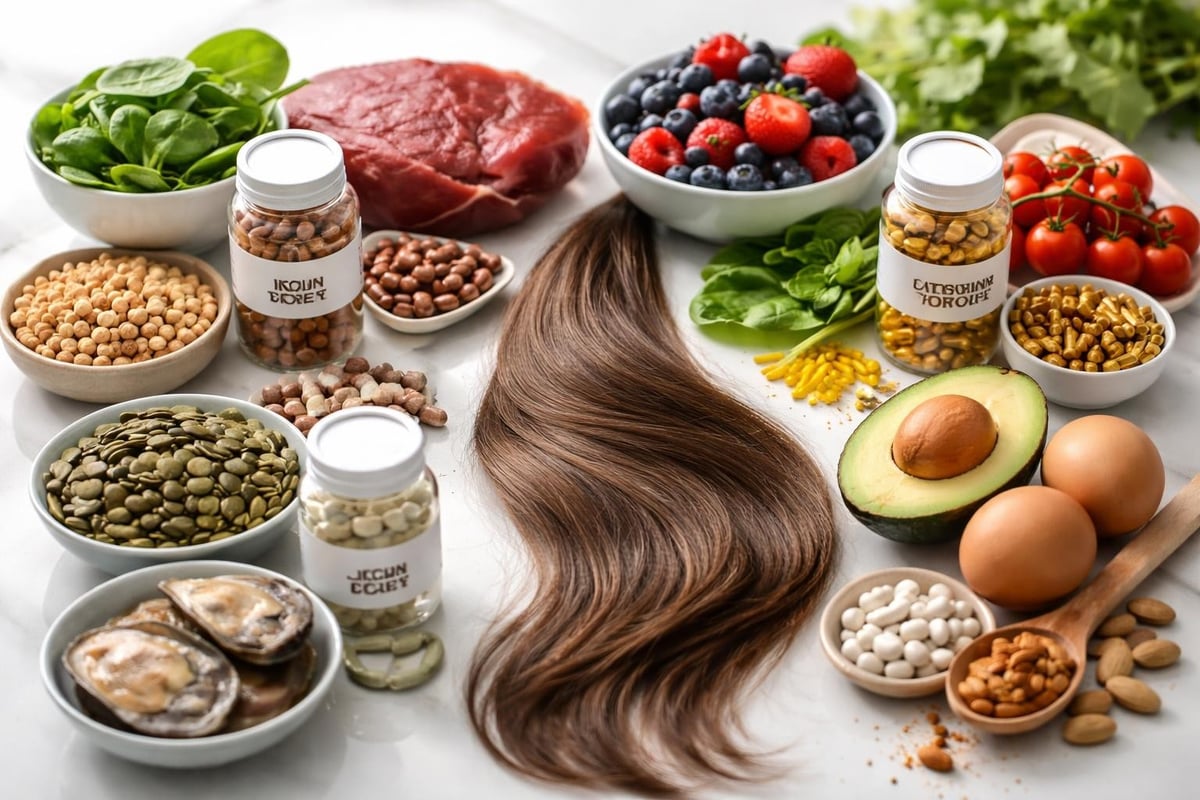
Hair follicles require specific nutrients to function optimally, making dietary interventions a cornerstone of comprehensive alopecia natural treatment strategies. Deficiencies in iron, zinc, vitamin D, and B vitamins frequently correlate with various forms of hair loss.
| Nutrient | Role in Hair Health | Food Sources |
|---|---|---|
| Iron | Oxygen transport to follicles | Spinach, lentils, red meat, fortified cereals |
| Zinc | Tissue growth and repair | Oysters, pumpkin seeds, chickpeas, cashews |
| Vitamin D | Follicle cycling regulation | Fatty fish, egg yolks, fortified dairy, sunlight |
| Biotin (B7) | Keratin infrastructure | Eggs, nuts, sweet potatoes, salmon |
| Vitamin E | Antioxidant protection | Almonds, sunflower seeds, avocados, spinach |
Anti-Inflammatory Dietary Patterns
Chronic inflammation contributes to many autoimmune conditions, including alopecia areata. Adopting an anti-inflammatory dietary pattern may help reduce immune system attacks on hair follicles. Mediterranean-style eating emphasizes whole foods, omega-3 fatty acids, and colorful vegetables rich in antioxidants.
Eliminate or reduce inflammatory triggers like processed sugars, refined grains, and excessive omega-6 fatty acids found in many vegetable oils. Instead, prioritize wild-caught fish, extra virgin olive oil, nuts, seeds, and abundant vegetables. This shift supports overall immune function while creating internal conditions more favorable to hair regrowth.
Some individuals find that identifying and eliminating food sensitivities through elimination diets helps improve their alopecia symptoms. Common culprits include gluten, dairy, and nightshade vegetables, though individual responses vary significantly.
Herbal Supplements and Botanical Remedies
Natural alternatives for treating alopecia have been explored extensively in traditional medicine systems, with modern research now validating many historical applications. Several botanical supplements demonstrate mechanisms that support hair growth and reduce hair loss progression.
Saw Palmetto for DHT Reduction
Saw palmetto extract inhibits 5-alpha-reductase, the enzyme converting testosterone to dihydrotestosterone (DHT). Elevated DHT levels contribute to androgenetic alopecia by miniaturizing hair follicles over time. Supplementation with 320 milligrams daily of standardized saw palmetto extract has shown promise in clinical trials.
Results typically become noticeable after three to six months of consistent use, with improvements in hair density and thickness. Saw palmetto works best when combined with topical treatments and nutritional support rather than as a standalone intervention.
Ginseng and Its Growth-Promoting Properties
Both Asian (Panax ginseng) and American ginseng varieties contain ginsenosides that stimulate dermal papilla cells responsible for hair growth. These compounds increase cell proliferation and extend the anagen (growth) phase of the hair cycle. Typical dosing ranges from 200 to 400 milligrams of standardized extract daily.
Ginseng also offers adaptogenic properties that help the body manage stress, addressing telogen effluvium triggered by physical or emotional stressors. This dual action makes it particularly valuable for individuals experiencing stress-related hair loss patterns.
Green Tea and EGCG Compounds
Epigallocatechin gallate (EGCG) from green tea demonstrates both antioxidant and DHT-inhibiting properties. Drinking three to four cups of high-quality green tea daily or supplementing with 300 to 400 milligrams of standardized EGCG extract provides therapeutic levels of these beneficial compounds.
Topical application of cooled green tea to the scalp before shampooing offers additional benefits, delivering concentrated polyphenols directly to hair follicles. This approach combines systemic and localized treatment for enhanced effectiveness.
Scalp Massage and Physical Stimulation Techniques
Manual scalp massage represents one of the most accessible forms of alopecia natural treatment, requiring no special equipment or products. Studies evaluating complementary and alternative treatments have documented improvements in hair thickness when individuals perform daily scalp massage for at least four minutes.
The mechanism involves increasing blood flow to hair follicles, stretching follicle cells to stimulate growth factors, and reducing tension in scalp muscles. Proper technique matters significantly for achieving results.
Effective scalp massage technique:
- Use fingertips (not nails) to apply gentle but firm pressure
- Move the scalp itself rather than sliding fingers over hair
- Work in small circular motions across entire scalp
- Focus on areas of thinning for extended periods
- Maintain consistent daily practice for minimum four months
Incorporating essential oils during massage enhances both the sensory experience and potential therapeutic benefits. The combination of physical stimulation and bioactive compounds creates a more comprehensive treatment approach than either intervention alone.
Dermarolling and Microneedling at Home
Dermarolling uses tiny needles to create microchannels in the scalp, triggering healing responses and growth factor production. This technique has gained attention for enhancing the absorption of topical treatments while independently stimulating hair growth through controlled injury.
For home use, dermarollers with 0.5 to 1.0 millimeter needles prove most appropriate and safe. Roll vertically, horizontally, and diagonally across thinning areas once weekly, applying gentle pressure without causing bleeding. Wait at least twelve hours before applying topical treatments to avoid irritation.
Professional microneedling treatments offer deeper penetration and more dramatic results but require sessions with trained practitioners. This option suits individuals seeking more intensive intervention within a natural treatment framework.
Lifestyle Modifications and Stress Management
Chronic stress elevates cortisol levels, disrupting the hair growth cycle and potentially triggering or exacerbating various forms of alopecia. Research exploring natural treatments consistently emphasizes stress reduction as a fundamental component of holistic hair loss management.
Implementing stress management practices creates internal conditions more conducive to hair regrowth. Meditation, yoga, deep breathing exercises, and progressive muscle relaxation all demonstrate measurable effects on cortisol reduction and autonomic nervous system balance.
Sleep Quality and Hair Growth
Hair follicles undergo significant repair and growth processes during sleep, particularly during deep sleep stages. Prioritizing seven to nine hours of quality sleep nightly supports optimal hair growth cycles and overall health.
Establish consistent sleep-wake schedules, create dark and cool sleeping environments, and avoid screens for at least one hour before bedtime. These foundational sleep hygiene practices enhance both sleep quality and quantity, indirectly supporting hair restoration efforts.
Exercise and Circulation Enhancement
Regular physical activity improves circulation throughout the body, including to the scalp. Cardiovascular exercise particularly benefits hair health by increasing oxygen and nutrient delivery to follicles while reducing stress hormones.
Aim for at least 150 minutes of moderate-intensity exercise weekly, distributed across most days. Activities like brisk walking, cycling, swimming, or dancing provide cardiovascular benefits while remaining accessible to most individuals regardless of fitness level.
Topical Natural Treatments and Applications
Beyond essential oils, numerous natural substances demonstrate potential benefits when applied directly to the scalp. These topical applications deliver concentrated ingredients to hair follicles without systemic side effects.
Onion Juice for Sulfur Content
Onion juice contains high levels of sulfur, which supports collagen production and may improve blood circulation to hair follicles. Small studies have shown significant hair regrowth in individuals with alopecia areata who applied onion juice twice daily for two months.
Preparation involves blending fresh onions and straining the juice through cheesecloth. Apply to affected areas for thirty minutes before washing out thoroughly. The strong odor presents the primary challenge, though adding a few drops of essential oils can minimize this concern.
Aloe Vera for Scalp Health
Aloe vera soothes inflammation, removes sebum buildup from follicles, and provides enzymes that promote healthy scalp conditions. Fresh aloe vera gel applied directly to the scalp or leave-in aloe-based treatments deliver these benefits effectively.
Use pure aloe vera gel from plant leaves or commercially available products with minimal additives. Apply to clean scalp two to three times weekly, massaging gently for several minutes before leaving on for at least one hour.
Coconut Milk and Its Nourishing Properties
Rich in proteins, essential fats, and vitamins, coconut milk nourishes hair follicles while providing moisture to the scalp. The lauric acid in coconut milk penetrates hair shafts effectively, strengthening strands from within.
Combine fresh coconut milk with a few drops of essential oils for enhanced benefits. Apply as a mask for forty-five minutes to one hour before shampooing, focusing on both scalp and hair lengths.
Traditional Medicine Approaches
Studies examining medicinal plants have identified hundreds of botanical ingredients used traditionally for hair loss across various cultures. While not all have undergone rigorous clinical testing, many show promise based on preliminary research and historical use.
Traditional Chinese Medicine views hair loss as related to blood deficiency, kidney essence depletion, or liver qi stagnation. Herbal formulas like He Shou Wu (Polygonum multiflorum) address these underlying patterns through systemic rebalancing rather than targeting hair follicles directly.
Ayurvedic approaches emphasize constitutional balance and often recommend herbs like bhringraj, amla, and brahmi for hair health. These traditions recognize that healthy hair growth reflects overall vitality and internal balance.
| Traditional System | Key Herbs | Theoretical Mechanism |
|---|---|---|
| Traditional Chinese Medicine | He Shou Wu, Ginseng, Goji Berry | Nourishes blood and kidney essence |
| Ayurveda | Bhringraj, Amla, Brahmi | Balances doshas, improves circulation |
| Western Herbalism | Nettle, Horsetail, Oatstraw | Provides minerals and strengthens hair |
Safety Considerations and Realistic Expectations
While natural treatments generally present fewer side effects than pharmaceutical interventions, natural does not automatically mean safe or effective. Allergic reactions, interactions with medications, and contamination concerns all warrant attention.
Important safety guidelines:
- Perform patch tests before applying new topical treatments extensively
- Consult healthcare providers before taking herbal supplements, especially with existing medications
- Source supplements from reputable manufacturers with third-party testing
- Monitor for adverse reactions and discontinue use if problems arise
- Recognize that pregnancy and breastfeeding may contraindicate certain natural remedies
Setting realistic expectations proves crucial for maintaining motivation throughout treatment. Natural approaches typically require several months before producing visible results, with gradual improvements rather than dramatic overnight changes. Most individuals notice initial changes between three and six months, with continued improvement over twelve months or longer.
Complete hair restoration may not occur with natural treatments alone, particularly in advanced alopecia cases. However, slowing progression, improving hair quality, and achieving partial regrowth represent valuable outcomes that significantly impact quality of life and confidence.
Combining Natural Treatments With Modern Solutions
Many individuals find that integrating natural approaches with evidence-based modern treatments creates the most comprehensive strategy for managing alopecia. This complementary approach leverages the strengths of both paradigms while minimizing limitations.
For those seeking immediate cosmetic improvement while pursuing longer-term natural treatment protocols, cosmetic solutions provide valuable bridges. These options address the psychological impact of hair loss while natural interventions work gradually to support regrowth. Procedures that create the appearance of fuller hair through pigmentation techniques offer natural-looking results without interfering with other treatment approaches.
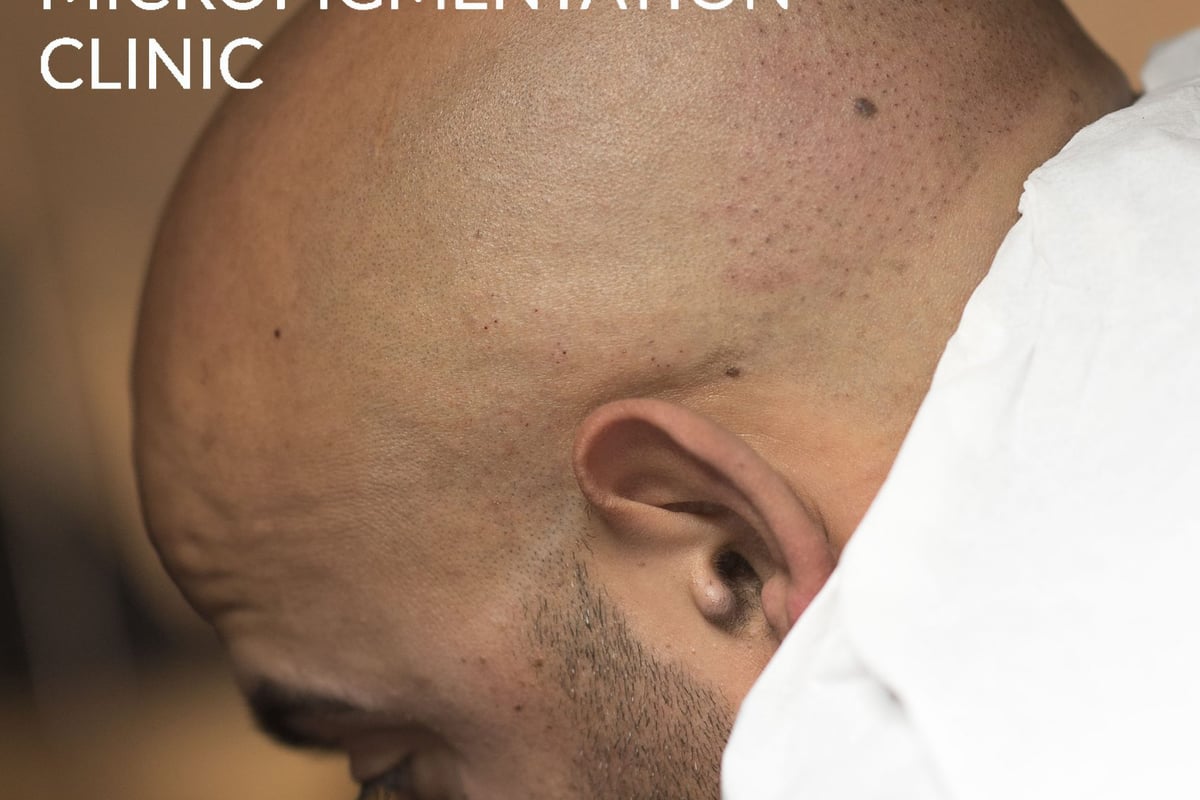
Scalp micropigmentation creates the appearance of natural hair follicles through precise pigment application, providing an immediate aesthetic solution that complements ongoing natural treatment efforts. This cosmetic procedure doesn't prevent natural regrowth and can be adjusted as hair restoration progresses.
Tracking Progress and Adjusting Protocols
Documenting your hair loss journey enables objective assessment of treatment effectiveness and helps identify which interventions provide the most benefit. Subjective impressions often prove unreliable, making systematic tracking essential for informed decision-making.
Effective progress tracking methods:
- Take standardized photographs monthly from consistent angles and lighting
- Count hairs lost daily during washing and brushing
- Measure ponytail circumference or use scalp photography templates
- Keep detailed journals noting treatments, timing, and observations
- Schedule professional assessments every three to six months
Adjust treatment protocols based on progress data rather than impatience or trending remedies. If no improvement appears after six months of consistent application, consider modifying your approach or adding complementary interventions. However, resist changing multiple variables simultaneously, as this prevents identifying which treatments actually work.
Individual responses to alopecia natural treatment vary significantly based on genetics, underlying causes, overall health status, and treatment adherence. What works remarkably well for one person may produce minimal results for another, necessitating personalized experimentation within evidence-based parameters.
Mind-Body Interventions and Emotional Wellbeing
The psychological impact of hair loss often proves as challenging as the physical changes, creating stress that potentially worsens hair loss in a self-perpetuating cycle. Addressing emotional wellbeing represents a legitimate component of comprehensive natural treatment approaches.
Studies focusing on complementary therapies emphasize the importance of interventions supporting psychological wellbeing alongside physical treatments. Cognitive-behavioral therapy, support groups, and mindfulness practices all demonstrate benefits for individuals coping with alopecia.
Hypnotherapy and guided imagery techniques have shown promise in small studies, potentially working through stress reduction mechanisms or by influencing immune system function through mind-body pathways. While research remains limited, these low-risk interventions may provide meaningful benefits for some individuals.
Acceptance and commitment therapy helps individuals maintain quality of life regardless of treatment outcomes, reducing the emotional burden of hair loss while remaining engaged in restoration efforts. This balanced perspective prevents hair loss from dominating identity and daily experiences.
Building Your Personalized Treatment Plan
Creating an effective alopecia natural treatment protocol requires thoughtful integration of multiple interventions tailored to your specific situation, preferences, and lifestyle constraints. Generic one-size-fits-all approaches rarely optimize results.
Begin with foundational interventions requiring minimal time and financial investment: dietary improvements, daily scalp massage, and stress management practices. These create a solid base supporting more targeted interventions. After establishing these habits consistently for four to six weeks, gradually add specific treatments like essential oils or herbal supplements.
Prioritize interventions with the strongest evidence for your particular type of alopecia. For example, individuals with androgenetic alopecia might emphasize DHT-reducing supplements and topical stimulants, while those with alopecia areata focus more heavily on immune-modulating herbs and stress reduction.
Budget considerations matter when planning long-term natural treatment approaches. Essential oils, quality supplements, and fresh whole foods represent ongoing expenses that accumulate over months and years. Select interventions you can sustain financially and practically for extended periods rather than exhausting resources on comprehensive but unsustainable protocols.
Working With Healthcare Providers
While natural treatments offer valuable options for managing alopecia, professional medical guidance remains important for diagnosis, monitoring, and safety oversight. Dermatologists and functional medicine practitioners can provide testing, track progress objectively, and identify contraindications or interactions.
Share your interest in natural approaches openly with healthcare providers. Many physicians now recognize the value of integrative strategies combining conventional and complementary treatments. Clinical studies on natural ingredients provide evidence-based support for discussions with medical professionals.
Request appropriate testing to identify underlying factors contributing to hair loss: thyroid function, complete blood counts, iron studies, vitamin D levels, and hormone panels. These objective measurements guide treatment selection and enable monitoring of systemic factors affecting hair health.
Consider consulting multiple specialists when addressing complex or severe alopecia cases. Endocrinologists, nutritionists, naturopathic doctors, and mental health professionals each bring unique expertise that may prove valuable for comprehensive management.
Long-Term Maintenance and Prevention
Successfully addressing existing hair loss represents only part of the equation. Implementing sustainable practices that prevent future progression or recurrence ensures lasting benefits from your treatment efforts.
Maintain core interventions even after achieving desired results. The factors that contributed to initial hair loss often persist, requiring ongoing management rather than temporary fixes. Think of alopecia natural treatment as a lifestyle shift rather than a short-term protocol with a defined endpoint.
Sustainable long-term practices include:
- Continued emphasis on nutrient-dense, anti-inflammatory eating patterns
- Regular scalp massage three to four times weekly
- Stress management as ongoing daily practice
- Strategic supplementation during high-stress periods or seasonal changes
- Periodic reassessment of hair health and early intervention if changes occur
Preventive approaches prove especially important for individuals with genetic predisposition to pattern baldness or those who have experienced one episode of alopecia areata, as recurrence rates remain significant.
Natural approaches to managing alopecia offer valuable options for individuals seeking alternatives or complements to conventional treatments, with evidence supporting numerous interventions from essential oils to dietary modifications. When dealing with the visible impact of hair loss, combining these natural treatments with cosmetic solutions creates a comprehensive strategy addressing both restoration and confidence during the regrowth journey. Discover how HIS&HERS Micropigmentation Clinic can provide expert guidance on scalp micropigmentation and aesthetic treatments that work alongside your natural hair restoration efforts.

Leave a Reply