


Alopecia of Scalp: Causes, Types, and Solutions
Alopecia of scalp affects millions of people worldwide, impacting not only physical appearance but also psychological well-being and quality of life. This condition encompasses various forms of hair loss, from temporary patches to permanent baldness, each with distinct causes and characteristics. Understanding the specific type of alopecia affecting your scalp is crucial for selecting appropriate treatment approaches and managing expectations. Whether you're experiencing gradual thinning, sudden bald patches, or receding hairlines, modern medicine and aesthetic solutions offer hope for addressing this challenging condition.
Understanding Alopecia of Scalp
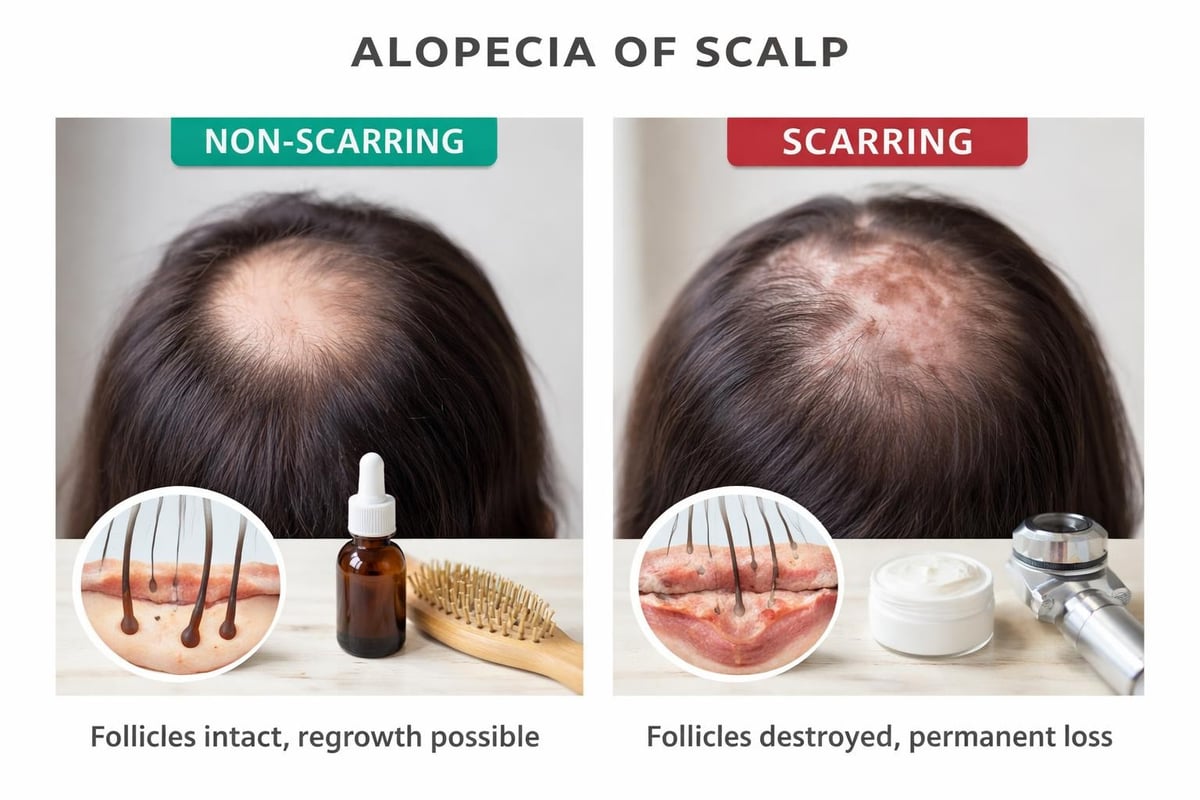
Alopecia of scalp refers to hair loss that occurs specifically on the head, differentiating it from other body hair loss conditions. The term encompasses both scarring and non-scarring forms, each presenting unique challenges for diagnosis and treatment.
Medical Classification Systems
Medical professionals classify alopecia of scalp into two primary categories based on whether the hair follicles remain viable. Non-scarring alopecia preserves the hair follicles, meaning regrowth is possible with appropriate intervention. Scarring alopecia, conversely, destroys follicles permanently through inflammatory processes or physical damage.
This distinction matters significantly when evaluating treatment options for acquired scalp alopecias, as it determines whether medical therapies can restore growth or whether cosmetic solutions become the primary consideration.
Common Types of Alopecia of Scalp
Androgenetic Alopecia
The most prevalent form of alopecia of scalp is androgenetic alopecia, affecting approximately 50% of men and 25% of women by age 50. This condition follows predictable patterns: men typically experience recession at the temples and thinning at the crown, while women notice diffuse thinning across the top of the scalp.
Androgenetic alopecia research reveals that genetic predisposition combined with hormonal factors drives this progressive condition. Dihydrotestosterone (DHT) binds to receptors in genetically susceptible hair follicles, gradually miniaturizing them until they produce only fine, barely visible hairs.
| Characteristic | Male Pattern | Female Pattern |
|---|---|---|
| Onset Age | 20s-30s | 30s-40s |
| Pattern | Temples and crown | Diffuse top thinning |
| Progression | Norwood scale 1-7 | Ludwig scale I-III |
| Frontal hairline | Often affected | Usually preserved |
Alopecia Areata
This autoimmune condition creates distinct round or oval patches of hair loss on the scalp. The immune system mistakenly attacks hair follicles, causing rapid hair shedding in localized areas. According to clinical research on alopecia areata, the condition can manifest in several forms:
- Patchy alopecia areata: One or more discrete bald patches
- Alopecia totalis: Complete scalp hair loss
- Alopecia universalis: Total body hair loss including eyebrows and eyelashes
Recent studies demonstrate that scalp hair regrowth correlates with improved quality of life in patients with severe alopecia areata, underscoring the psychological impact of this condition.
Telogen Effluvium
Temporary but distressing, telogen effluvium shifts large numbers of hair follicles into the resting phase simultaneously. This form of alopecia of scalp typically appears three to six months after a triggering event such as surgery, severe illness, childbirth, or extreme stress.
The diffuse shedding can be alarming, with patients losing 100-300 hairs daily compared to the normal 50-100. Fortunately, once the underlying trigger resolves, hair typically regrows within six to twelve months.
Traction Alopecia
Physical stress on hair follicles from tight hairstyles, extensions, or braids produces traction alopecia. This condition disproportionately affects individuals who regularly wear ponytails, buns, cornrows, or weaves. Early intervention prevents permanent follicular damage, but prolonged traction can create irreversible scarring alopecia of scalp.
Diagnosing Alopecia of Scalp
Clinical Examination Approaches
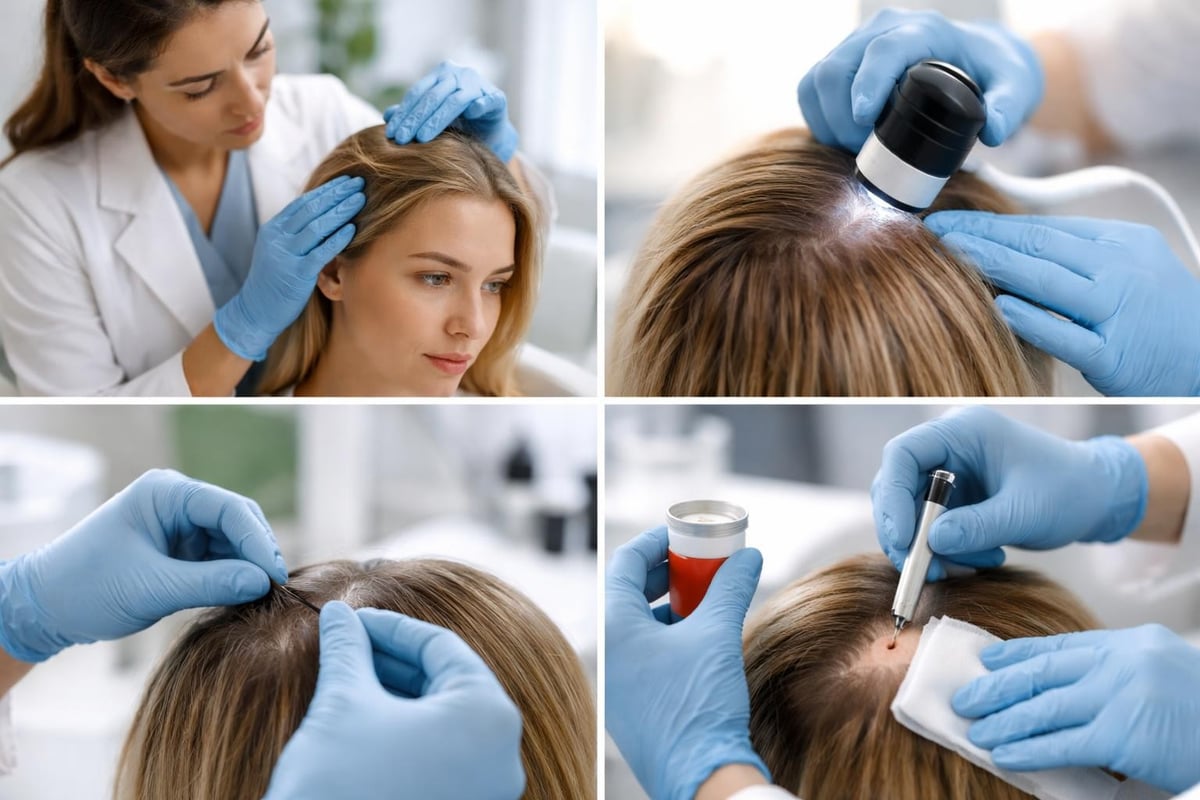
Professional evaluation begins with detailed medical history and physical examination of the scalp. Dermatologists assess hair density, distribution patterns, and scalp condition while noting any inflammation, scaling, or scarring.
The pull test involves gentle traction on small hair bundles to evaluate shedding rates. More than six hairs per pull suggests active hair loss. Dermoscopy provides magnified views of the scalp surface, revealing characteristic patterns that help diagnose primary scalp alopecia with greater accuracy.
Laboratory and Advanced Testing
Blood tests screen for underlying conditions contributing to alopecia of scalp:
- Thyroid function tests detect hormonal imbalances
- Iron studies identify deficiency anemia
- Hormone panels assess testosterone and DHEA levels
- Autoimmune markers evaluate for systemic conditions
Scalp biopsies provide definitive diagnosis in ambiguous cases, particularly when distinguishing between scarring and non-scarring types or identifying specific inflammatory conditions.
Medical Treatment Approaches
First-Line Pharmacological Options
Several FDA-approved medications address specific types of alopecia of scalp. Minoxidil solution stimulates hair follicles through vasodilation and growth factor production, making it effective for androgenetic alopecia in both men and women.
Finasteride blocks the enzyme converting testosterone to DHT, preserving follicles in men with pattern baldness. Women of childbearing age cannot use finasteride due to teratogenic risks.
| Treatment | Mechanism | Typical Results | Considerations |
|---|---|---|---|
| Minoxidil 5% | Vasodilation, growth stimulation | 30-40% improvement | Requires ongoing use |
| Finasteride 1mg | DHT inhibition | 65% maintain, 48% improve | Men only, sexual side effects |
| Corticosteroid injections | Immune suppression | 60-67% regrowth in AA | Monthly treatments needed |
| Platelet-Rich Plasma | Growth factor delivery | Variable, 30-70% improvement | Multiple sessions required |
Emerging Therapeutic Options
JAK inhibitors represent a breakthrough for alopecia areata treatment, with medications like baricitinib showing remarkable efficacy in severe cases. These oral medications modulate immune system pathways that attack hair follicles.
Low-level laser therapy devices deliver specific wavelengths to stimulate cellular activity in follicles affected by androgenetic alopecia. While evidence remains mixed, some patients experience modest improvements when combined with topical treatments.
Cosmetic Solutions for Permanent Hair Loss
When medical treatments prove ineffective or alopecia of scalp has caused permanent follicular damage, cosmetic solutions offer psychological relief and aesthetic restoration. Hair transplantation surgically relocates follicles from donor areas to balding regions, creating natural-looking coverage in appropriate candidates.
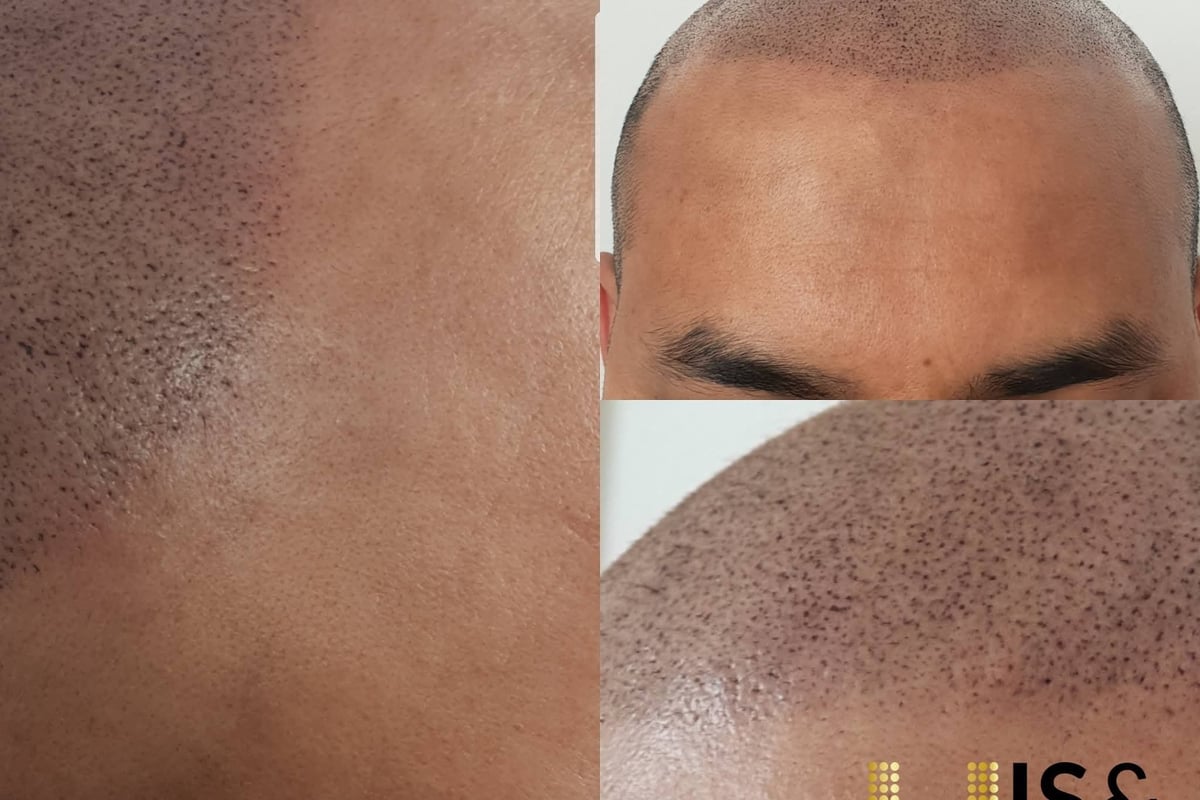
For those seeking non-surgical options, scalp micropigmentation provides an innovative approach. This specialized technique creates the appearance of fuller hair density by depositing pigment into the scalp at follicle depth, mimicking the look of closely cropped hair or adding density between existing hairs. The Scalp Micropigmentation procedure has helped thousands of individuals affected by various forms of alopecia regain confidence through subtle, natural-looking results that require no daily maintenance.
Wigs and hairpieces have evolved dramatically, with custom-fitted prosthetics offering undetectable coverage. Modern materials and attachment methods provide security for active lifestyles while maintaining natural appearance.
Lifestyle Factors and Prevention Strategies
Nutrition and Supplementation
Adequate protein intake supports hair follicle function, as hair consists primarily of keratin protein. Deficiencies in iron, zinc, biotin, and vitamin D correlate with various forms of alopecia of scalp, though supplementation benefits only those with documented deficiencies.
Essential nutrients for healthy hair growth include:
- Protein: 46-56 grams daily for adults
- Iron: 8-18mg depending on age and gender
- Biotin: 30mcg minimum, though higher doses lack proven benefits
- Vitamin D: 600-800 IU daily
- Zinc: 8-11mg daily
Stress Management and Sleep
Chronic stress elevates cortisol levels, potentially triggering telogen effluvium or exacerbating autoimmune conditions like alopecia areata. Implementing stress reduction techniques protects against stress-induced hair loss:
- Regular exercise improves circulation and reduces stress hormones
- Meditation or mindfulness practices lower cortisol levels
- Adequate sleep (7-9 hours) supports hormonal balance
- Social connection buffers against stress-related health impacts
Hair Care Practices
Gentle hair handling prevents unnecessary mechanical stress on follicles. Avoiding excessive heat styling, harsh chemical treatments, and tight hairstyles reduces risk of traction alopecia and breakage.
When shampooing, use lukewarm water and gentle massaging motions rather than vigorous scrubbing. Pat hair dry instead of rough towel-drying, and minimize brushing when hair is wet and most vulnerable to damage.
Psychological Impact and Coping Strategies
Mental Health Considerations
Alopecia of scalp significantly affects self-esteem, body image, and social confidence. Research consistently demonstrates elevated rates of anxiety and depression among individuals experiencing visible hair loss, particularly when onset occurs during adolescence or young adulthood.
The unpredictable nature of conditions like alopecia areata creates additional psychological burden. Individuals may experience regrowth followed by new episodes of loss, creating cycles of hope and disappointment that challenge emotional resilience.
Support Resources and Community
Connecting with others experiencing similar challenges provides valuable emotional support and practical advice. Organizations dedicated to alopecia awareness offer:
- Online support groups facilitating connection regardless of location
- Educational resources explaining conditions and treatment options
- Advocacy efforts promoting research funding and public awareness
- Local meetups creating in-person community bonds
Professional counseling helps individuals develop healthy coping mechanisms and address underlying anxiety or depression. Cognitive-behavioral therapy proves particularly effective for managing appearance-related distress.

Special Considerations Across Demographics
Pediatric Alopecia
Children experiencing alopecia of scalp face unique challenges in school and social settings. Parents should communicate with teachers and school administrators to prevent bullying while fostering environments where children feel comfortable discussing their condition.
Treatment approaches in children require special consideration of safety profiles and psychological readiness. Topical treatments generally present fewer concerns than systemic medications, though even these require careful application and monitoring.
Gender-Specific Patterns
Women experience different psychological impacts from alopecia of scalp compared to men, partly because societal expectations tie female identity more closely to hair. Comprehensive approaches to treating alopecia must acknowledge these gender differences in both medical management and psychological support.
Male pattern baldness achieves greater social acceptance, potentially reducing psychological burden, though individual experiences vary widely. Men may still experience significant distress, particularly with early onset before age 30.
Cultural Perspectives
Hair holds different cultural and religious significance across communities, affecting how individuals experience and respond to alopecia of scalp. Some cultures view abundant hair as essential to femininity or masculinity, while others adopt more accepting attitudes toward hair loss.
Understanding these cultural contexts helps healthcare providers deliver culturally sensitive care that respects individual values while providing medically appropriate recommendations. Those interested in comprehensive resources can explore additional information at scalp.ie.
Future Directions in Alopecia Research
Regenerative Medicine Approaches
Stem cell research investigates methods to regenerate damaged or dormant hair follicles. Early studies show promise in activating dormant stem cells within follicles affected by androgenetic alopecia, though clinical applications remain years away.
3D-printed scaffolds seeded with follicular cells may eventually create new hair-producing structures, offering hope for scarring alopecias where natural follicles have been permanently destroyed.
Genetic and Immunological Advances
Identifying specific genetic markers for alopecia susceptibility could enable preventive interventions before significant hair loss occurs. Current understanding of androgenetic alopecia pathophysiology continues evolving, revealing new therapeutic targets.
Precision immunotherapy aims to selectively modulate immune responses in alopecia areata without broadly suppressing immune function. This approach could provide safer long-term management compared to current immunosuppressive treatments.
Digital Health Integration
Smartphone applications now track hair density changes through standardized photography, helping patients and physicians monitor treatment effectiveness objectively. Artificial intelligence analyzes these images to detect subtle changes invisible to the human eye.
Telemedicine expands access to dermatological expertise, particularly valuable for individuals in underserved areas seeking evaluation and management of alopecia of scalp. Remote consultations combined with digital monitoring tools enable comprehensive care without frequent office visits.
Integrating Multiple Treatment Modalities
Combination Therapy Benefits
Single-treatment approaches often yield suboptimal results for alopecia of scalp. Combining complementary therapies typically produces superior outcomes:
- Medical + cosmetic: Minoxidil to stimulate growth plus micropigmentation for immediate visual improvement
- Topical + oral: Minoxidil solution with finasteride tablets for androgenetic alopecia
- Medical + procedural: Medication to stabilize loss plus transplantation to restore density
- Treatment + lifestyle: Pharmacological intervention combined with stress reduction and nutritional optimization
Realistic Expectations and Timeline
Understanding treatment timelines prevents premature discontinuation due to perceived ineffectiveness. Hair follicles cycle through growth phases lasting months to years, meaning visible improvements require patience:
- Minoxidil: 4-6 months for initial results, 12 months for maximum benefit
- Finasteride: 6-12 months for stabilization, 24 months for peak improvement
- Corticosteroid injections: 4-6 weeks for initial regrowth in responsive patches
- Scalp micropigmentation: Immediate visual improvement, full results after touch-up session
Maintaining realistic expectations based on alopecia type and severity helps individuals stay committed to treatment plans while avoiding disappointment from unrealistic hopes.
Alopecia of scalp encompasses diverse conditions requiring individualized assessment and treatment approaches that consider both medical and psychological dimensions. Whether pursuing medical interventions, cosmetic solutions, or supportive care, individuals affected by hair loss have more options than ever before in 2026. The specialists at HIS&HERS Micropigmentation Clinic understand the profound impact of alopecia and offer compassionate, expert solutions tailored to your specific needs, helping you regain confidence and move forward with renewed self-assurance.
Leave a Reply