

Scalp Tattoo Women: Complete Guide to Micropigmentation
Scalp micropigmentation has emerged as a transformative solution for women experiencing hair loss, thinning, and confidence challenges related to scalp visibility. While traditionally associated with male pattern baldness, scalp tattoo women procedures have gained significant recognition for addressing uniquely female hair concerns. This cosmetic tattooing technique deposits pigment into the scalp to create the appearance of fuller, denser hair, offering a non-surgical alternative that delivers immediate, lasting results for women across various hair loss patterns and severity levels.
Understanding Scalp Micropigmentation for Women
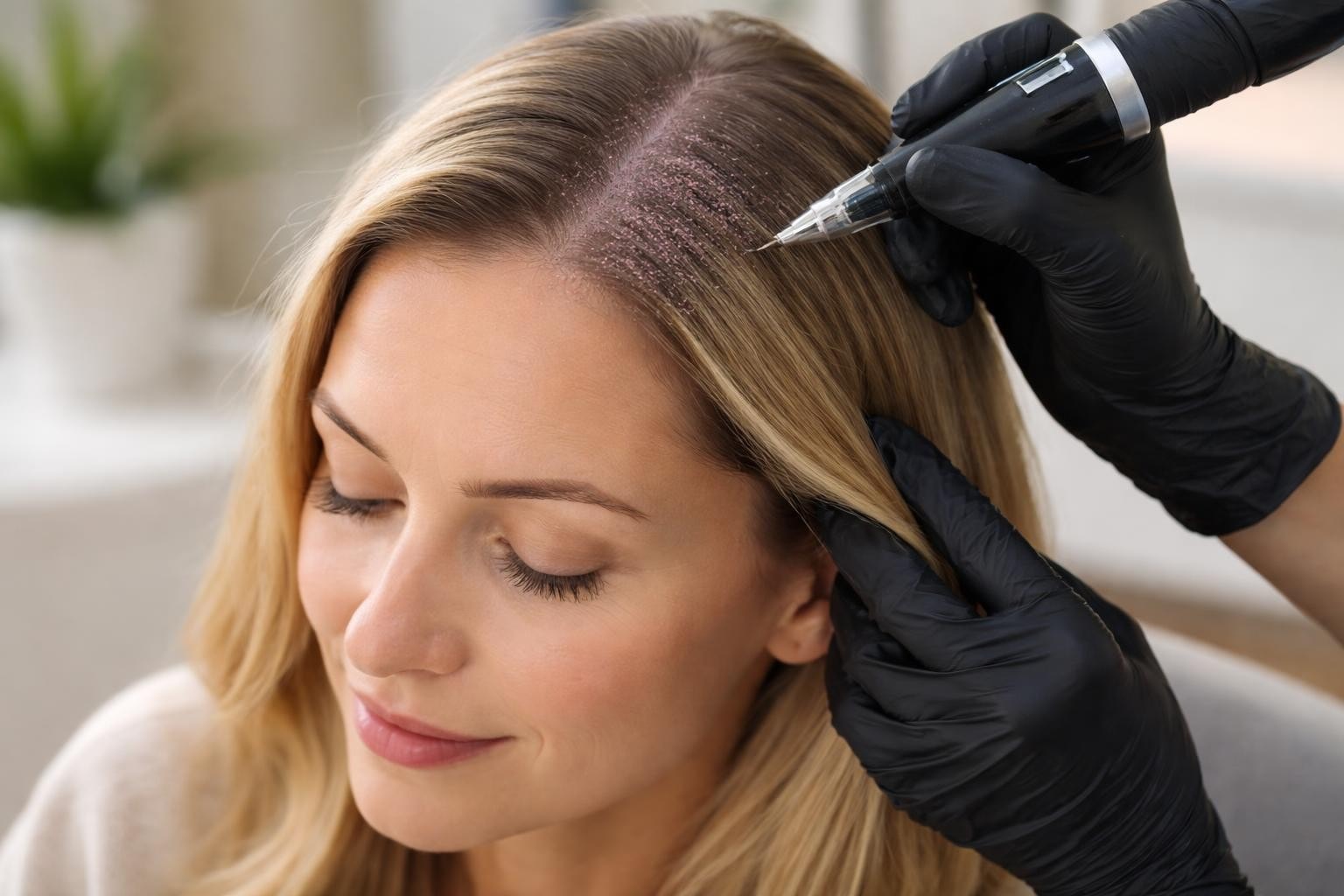
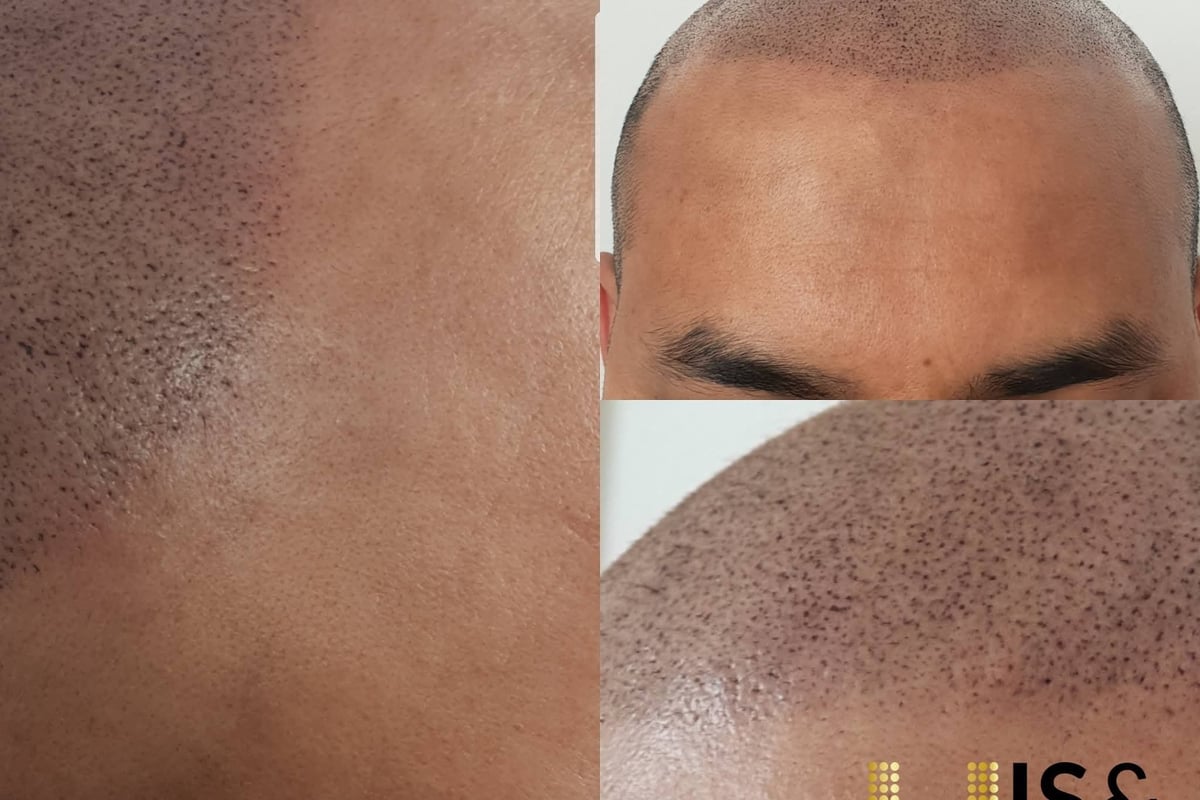
The scalp tattoo women procedure differs substantially from traditional body tattooing in both technique and objective. Rather than creating visible designs, practitioners deposit thousands of tiny pigment dots into the upper dermal layer of the scalp, replicating the appearance of natural hair follicles at their base.
How the Procedure Works
Specialized micropigmentation equipment uses fine needles to implant medical-grade pigments that match each client's natural hair color and skin tone. The practitioner strategically places these micro-deposits to create shadow and depth, mimicking the appearance of hair density where the scalp shows through thinning areas.
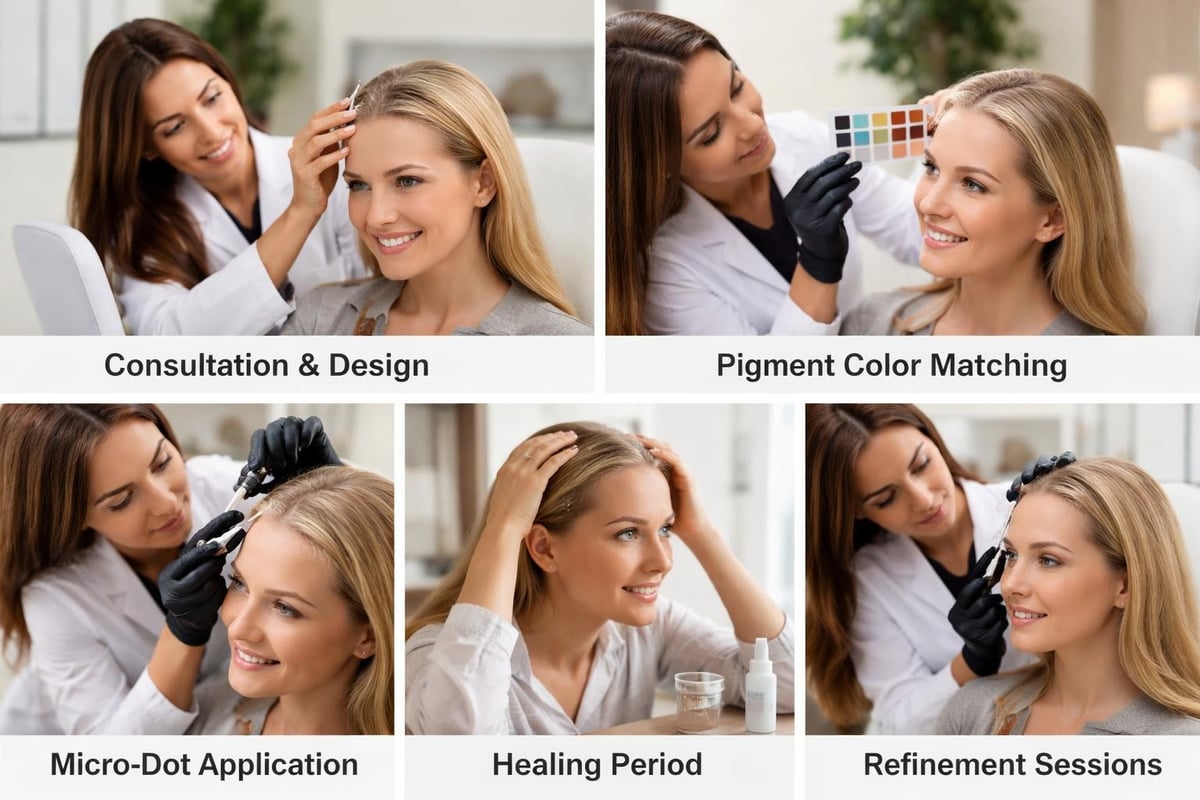
Women typically undergo two to three sessions spaced several weeks apart. This staged approach allows for:
- Gradual density building that appears natural rather than sudden
- Color matching refinement between sessions as healing reveals true pigment tone
- Pattern adjustment based on client feedback and desired coverage level
- Healing assessment to ensure optimal pigment retention and skin response
The entire process considers hair growth patterns, existing hair distribution, and individual aesthetic goals. Research has shown scalp micropigmentation to be a useful treatment for hair loss, offering a reliable solution for women seeking non-invasive hair restoration options.
Common Hair Loss Patterns in Women
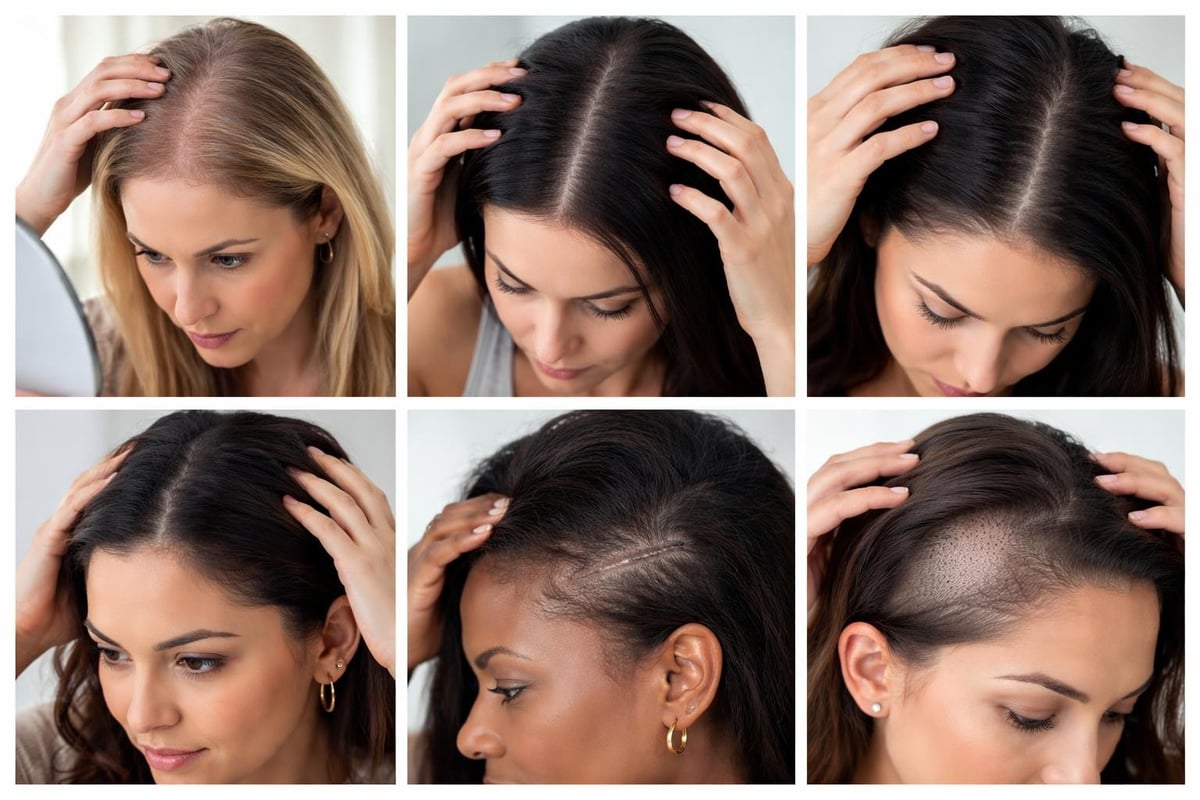
Scalp tattoo women treatments address several distinct hair loss presentations that affect female clients differently than male counterparts. Understanding these patterns helps practitioners customize treatment approaches for optimal aesthetic outcomes.
Female Pattern Hair Loss
Women experiencing androgenetic alopecia typically show diffuse thinning across the crown and top of the scalp while maintaining their frontal hairline. This creates widening parts and visible scalp that becomes increasingly noticeable under certain lighting conditions.
| Hair Loss Type | Characteristics | Micropigmentation Approach |
|---|---|---|
| Diffuse Thinning | Overall density reduction across crown | Strategic dot placement to fill gaps between existing hair |
| Widening Part | Increasingly visible scalp along hair part | Dense pigmentation along parting line to create shadow |
| Alopecia Areata | Patchy circular bald spots | Complete coverage of affected patches mimicking hair stubble |
| Traction Alopecia | Hairline recession from tight hairstyles | Hairline restoration and temple fill-in |
Scarring and Medical Hair Loss
Women who have undergone medical procedures, experienced trauma, or developed scarring alopecia face unique challenges. Studies examining scalp micropigmentation as a concealer for hair and scalp deformities demonstrate its effectiveness in camouflaging scars from surgeries, accidents, or previous hair transplant procedures.
Burn scars, surgical scars, and areas affected by conditions like frontal fibrosing alopecia respond particularly well to micropigmentation. The pigment successfully conceals discolored scar tissue and creates the illusion of hair follicles where growth is no longer possible.
Treatment Techniques for Female Clients
The scalp tattoo women approach requires different technical considerations compared to procedures designed for male clients. Women typically maintain longer hair, necessitating techniques that work harmoniously with existing hair rather than creating a completely shaved appearance.
Density Enhancement Method
For women with thinning hair rather than complete baldness, practitioners use a density enhancement technique. This involves:
- Mapping existing hair distribution to identify areas requiring coverage
- Selecting pigment shades that complement natural hair color and skin undertone
- Applying micro-dots between existing follicles to reduce scalp visibility
- Creating graduated density that transitions naturally from fuller to thinner areas
- Adjusting coverage levels based on hairstyling preferences and part positioning
This method allows women to maintain their current hairstyles while significantly improving the appearance of fullness and coverage. The pigmentation sits beneath existing hair, creating shadow that makes the scalp less visible through the hair shafts.
Hairline Definition and Temple Restoration
Many women experience recession at the temples or desire enhanced hairline definition. The scalp tattoo women procedure can recreate natural-looking hairlines by carefully considering:
- Face shape and proportions to determine aesthetically pleasing placement
- Age-appropriate positioning that avoids an artificially low or juvenile appearance
- Texture variation using different dot sizes and spacing for realistic irregularity
- Gradual density progression from the hairline backward into fuller coverage areas
For women seeking treatment for hair restoration, micropigmentation offers a useful method that delivers consistent, predictable results without the recovery time or expense associated with surgical interventions. The procedure provided by experienced practitioners creates results that remain undetectable, allowing clients to wear their hair in various styles without revealing the treatment.
Pre-Treatment Considerations
Women considering scalp tattoo women procedures should evaluate several factors before committing to treatment. Proper preparation and realistic expectations significantly influence satisfaction with final results.
Consultation and Design Process
A comprehensive consultation addresses individual concerns, examines hair loss patterns, and establishes treatment goals. During this critical phase, practitioners should:
Assess current hair condition including density, color, and distribution patterns. This evaluation determines coverage requirements and technique selection.
Discuss medical history to identify contraindications such as autoimmune conditions, keloid scarring tendencies, or medications that affect healing. Certain health conditions may require medical clearance before proceeding.
Create customized treatment plans that specify session numbers, pigment selection, and coverage areas. Detailed planning ensures alignment between client expectations and achievable outcomes.
Cost and Time Investment
Scalp tattoo women treatments represent a significant financial and time commitment. Most women require two to three initial sessions, with each appointment lasting two to four hours depending on coverage area.
- Session pricing varies based on practitioner experience, geographic location, and treatment complexity
- Touch-up appointments may be necessary every three to five years as pigment gradually fades
- Total investment typically proves more economical than ongoing hair loss treatments or surgical options over time
Women should budget not only for the procedure itself but also for post-treatment care products and potential time off work if scheduling sessions requires travel or extended appointments.
Aftercare and Healing Process
Proper aftercare directly impacts pigment retention and final results quality. The scalp tattoo women healing process differs slightly from other cosmetic tattooing due to the presence of existing hair and scalp-specific considerations.
Immediate Post-Treatment Care
The first week following each session requires vigilant care to protect the treated area and optimize pigment settling. Clients must:
- Keep the scalp dry for the first four to five days, avoiding washing, swimming, or excessive sweating
- Apply recommended ointments to prevent scabbing and maintain moisture balance
- Avoid direct sun exposure which can cause premature fading and uneven healing
- Refrain from scratching despite itching sensations that commonly occur during healing
- Sleep with head elevated using clean pillowcases to minimize contact and transfer
Long-Term Maintenance
While micropigmentation is considered permanent makeup, the pigment does gradually fade over time. Studies examining the clinicopathologic correlation of scalp micropigmentation provide insights into how pigment interacts with scalp tissue over extended periods.
| Timeframe | Expected Changes | Maintenance Actions |
|---|---|---|
| 0-2 weeks | Pigment appears darker, mild redness | Follow strict aftercare protocol |
| 2-4 weeks | Color lightens 20-30%, skin fully heals | Assess need for refinement |
| 1-3 years | Gradual fading begins, especially with sun exposure | Use SPF protection, avoid harsh chemicals |
| 3-5 years | Noticeable lightening may occur | Consider touch-up session to refresh color |
Sun protection becomes particularly important for women with lighter skin tones or those who part their hair in ways that expose treated areas. Quality sunscreens designed for scalp application help preserve pigment vibrancy and prevent premature fading.
Styling Options After Micropigmentation
One significant advantage of scalp tattoo women procedures is the styling flexibility they provide. Unlike some hair loss treatments that dictate specific hairstyles or limit options, micropigmentation enhances appearance across various styling choices.
Hair Length and Parting
Women can maintain any hair length after micropigmentation, though different lengths showcase results differently:
Shorter styles reveal more of the micropigmentation work, making it particularly effective for women with very thin hair who keep length cropped close to the scalp.
Medium lengths benefit from the density illusion micropigmentation creates, allowing for fuller-appearing ponytails and updos without visible scalp showing through.
Longer hair can be parted in various ways, with the micropigmentation providing coverage along the part line and preventing the widening, visible scalp appearance that characterizes advanced thinning.
Color Treatments and Chemical Processing
Women often wonder whether they can continue coloring their hair after scalp tattoo women treatments. Hair dye does not affect the implanted pigment, as it sits beneath the skin surface rather than on hair shafts.
However, certain precautions apply:
- Wait four weeks after each micropigmentation session before applying chemical hair treatments
- Avoid bleach contact with the treated scalp area, as harsh chemicals can affect pigment tone
- Use sulfate-free products that are gentler on both the scalp and pigment longevity
- Inform hair colorists about the micropigmentation so they can take appropriate care during application
Comparing Treatment Options
Women facing hair loss have several treatment paths available, each with distinct advantages, limitations, and suitability factors. Research comparing hair transplantation and scalp micropigmentation in treating female pattern hair loss helps inform treatment selection decisions.
Micropigmentation vs. Hair Transplantation
| Factor | Scalp Micropigmentation | Hair Transplantation |
|---|---|---|
| Invasiveness | Non-surgical, minimal discomfort | Surgical procedure with incisions |
| Recovery Time | Return to normal activities within days | Several weeks of healing required |
| Results Timeline | Immediate visual improvement | 6-12 months for full growth |
| Cost Range | Moderate initial investment | Significantly higher upfront cost |
| Maintenance | Touch-ups every 3-5 years | May require additional sessions for coverage |
| Suitability | All hair loss types and severities | Requires sufficient donor hair availability |
Alternative Hair Loss Treatments
Topical medications, oral supplements, laser therapy, and platelet-rich plasma treatments offer different approaches to managing female hair loss. Unlike these options that aim to stimulate or preserve existing hair growth, scalp tattoo women procedures create immediate cosmetic improvement regardless of whether natural hair continues thinning.
Many women combine micropigmentation with hair growth treatments, using the cosmetic procedure for immediate confidence restoration while pursuing medical interventions for long-term hair preservation. This comprehensive approach addresses both the psychological impact of visible hair loss and the underlying condition causing it.

Client Experiences and Realistic Expectations
Understanding what to expect from scalp tattoo women procedures helps potential clients make informed decisions and maintain realistic expectations about outcomes. Survey-based studies exploring perceptions and experiences of dermatology outpatients with hair loss regarding scalp micropigmentation provide valuable insights into patient satisfaction and concerns.
Immediate Results vs. Final Outcome
The appearance immediately following treatment differs from the final healed result. Newly applied pigment appears darker and more pronounced, causing some clients initial concern about naturalness. Within two to three weeks, as the scalp heals and excess pigment is shed, the color lightens approximately 30 percent to its true, permanent shade.
This fading is expected and accounted for in the treatment plan. Practitioners typically apply pigment slightly darker than the target outcome, knowing it will settle to the desired tone during healing. Second and third sessions refine density and color after observing how the client's skin retains pigment.
Psychological Impact and Confidence
The emotional benefits of scalp tattoo women treatments often exceed the purely aesthetic improvements. Women dealing with hair loss frequently experience:
- Social anxiety related to visible scalp and concerns about others noticing thinning
- Styling limitations that restrict hairstyle choices and create daily frustration
- Self-consciousness in situations involving wind, water, or bright overhead lighting
- Age perception concerns as hair loss often creates an older appearance
Micropigmentation addresses these psychological factors by providing consistent coverage that remains unaffected by environmental conditions. Women report renewed confidence in social situations, professional settings, and intimate relationships after achieving natural-looking density restoration.
Selecting a Qualified Practitioner
The skill and experience of the practitioner performing scalp tattoo women procedures directly influences both safety and aesthetic outcomes. As micropigmentation gains popularity, the market includes varying quality levels of training and expertise.
Essential Qualifications to Verify
Prospective clients should thoroughly research practitioners before committing to treatment:
Portfolio review showing before and after photos specifically of female clients with similar hair loss patterns provides the best indication of expected results. Ask to see healed results rather than only immediate post-treatment images.
Training credentials from recognized micropigmentation institutions demonstrate proper technique education. Practitioners should willingly discuss their training background and continuing education in the field.
Hygiene and safety protocols must meet medical-grade standards, including single-use needles, sterile equipment handling, and appropriate licensing for cosmetic tattooing in their jurisdiction.
Client testimonials offering detailed experiences help gauge satisfaction levels, professionalism, and communication quality throughout the treatment process.
Red Flags to Avoid
Certain warning signs indicate practitioners who may not deliver quality results:
- Prices significantly below market rates often reflect inexperience or cutting corners on pigment and equipment quality
- Pressure tactics rushing decisions without allowing adequate consultation time suggest business practices prioritizing volume over outcomes
- Unwillingness to show healed results or only displaying immediate post-treatment photos may indicate poor long-term results
- Lack of specialized equipment designed specifically for micropigmentation rather than traditional tattooing
- No patch testing for clients with sensitive skin or allergy concerns demonstrates insufficient safety protocols
Technical Innovations and Future Developments
The scalp tattoo women field continues evolving with technological advances improving precision, pigment quality, and outcome consistency. Understanding current innovations helps clients make informed decisions about when and where to pursue treatment.
Equipment Advancements
Modern micropigmentation machines offer superior control compared to earlier generation equipment. Digital devices allow practitioners to adjust needle depth with extreme precision, ensuring consistent pigment placement in the optimal dermal layer for longevity and natural appearance.
Needle configurations specifically designed for scalp work create dot patterns that more accurately replicate hair follicle appearance. These specialized tips produce the fine detail necessary for undetectable results, particularly important for women maintaining longer hair where close inspection is more likely.
Pigment Formulation Improvements
Contemporary pigments developed specifically for scalp micropigmentation address issues that plagued earlier formulations:
- Color stability prevents the blue or green tones that sometimes developed as older pigments aged
- Fade-resistant compounds extend the time between necessary touch-up sessions
- Biocompatible ingredients reduce allergic reactions and skin sensitivity issues
- Shade variety allows precise matching across diverse skin tones and natural hair colors
These improvements particularly benefit women, whose longer hair and varied parting styles mean the micropigmentation may be viewed from multiple angles and under different lighting conditions.
Medical and Professional Perspectives
Healthcare professionals increasingly recognize micropigmentation as a legitimate option in the hair loss treatment spectrum. Dermatologists, hair restoration specialists, and mental health professionals acknowledge the procedure's value for appropriate candidates.
Dermatological Considerations
Information about everything you need to know about scalp micropigmentation helps women understand how the procedure fits within broader hair loss management strategies. Dermatologists may recommend micropigmentation for patients who:
Cannot use medical hair loss treatments due to health conditions, pregnancy, or medication interactions that contraindicate minoxidil or hormone-based therapies.
Have exhausted other options without achieving desired results or experienced side effects that made continued use problematic.
Require scar concealment following medical procedures or injuries where hair regrowth is impossible due to follicle destruction.
Complementary Treatment Approaches
Forward-thinking practitioners view scalp tattoo women procedures as one component of comprehensive hair loss management rather than an either-or choice. Combining micropigmentation with other treatments creates synergistic benefits:
| Treatment Combination | Benefits | Ideal Candidates |
|---|---|---|
| Micropigmentation + Minoxidil | Immediate coverage plus potential regrowth | Women with recent-onset thinning |
| Micropigmentation + Hair Transplant | Enhanced density in transplanted areas | Those with sufficient donor hair for grafts |
| Micropigmentation + PRP Therapy | Cosmetic improvement plus follicle stimulation | Early-stage pattern hair loss |
| Micropigmentation + Hormone Therapy | Coverage during treatment waiting period | Post-menopausal women with hormone-related loss |
This integrated approach addresses both the visible symptoms and underlying causes of hair loss, maximizing both cosmetic outcomes and potential for natural hair preservation.
Industry Standards and Safety Protocols
As the scalp tattoo women industry matures, professional organizations have established standards ensuring client safety and treatment quality. Women considering micropigmentation benefit from understanding these protocols and verifying their practitioner adheres to them.
Infection Prevention and Hygiene
Medical-grade hygiene practices protect clients from infection risks associated with any procedure that penetrates the skin barrier:
- Autoclave sterilization of reusable equipment between clients
- Single-use needles discarded immediately after each session
- Disposable gloves changed frequently throughout the procedure
- Surface disinfection of all contact areas before and after treatment
- Proper waste disposal following biohazard protocols for contaminated materials
Reputable clinics should welcome questions about their hygiene protocols and allow prospective clients to observe the treatment environment before committing to procedures.
Informed Consent and Documentation
Ethical practitioners provide comprehensive information allowing clients to make truly informed decisions. This includes:
Detailed consent forms explaining the procedure, potential risks, expected outcomes, and maintenance requirements ensure clients understand what they're agreeing to undergo.
Photo documentation at multiple stages creates records useful for tracking progress, planning subsequent sessions, and protecting both practitioner and client should disputes arise.
Medical history review identifies contraindications or factors requiring special consideration during treatment planning and execution.
Special Considerations for Different Hair Types
Women's diverse hair textures, colors, and growth patterns require customized approaches to scalp tattoo women procedures. What works beautifully for straight, fine blonde hair may not suit curly, coarse dark hair, necessitating technique adjustments.
Texture and Curl Pattern Impact
Women with curly or textured hair present unique opportunities and challenges for micropigmentation:
Curly hair naturally creates more volume and lift from the scalp, meaning less dense pigmentation may achieve the desired coverage compared to straight hair that lies flat against the scalp.
Tight curl patterns can make it more difficult to access the scalp during treatment, requiring careful sectioning and potentially longer session times to ensure thorough coverage.
Natural texture variation means pigment placement must account for how the hair naturally parts and falls, which may differ significantly from straight hair patterns.
Color Matching Complexity
Achieving perfect color matches proves more challenging for some hair colors than others:
- Gray or white hair requires extremely light pigments and skilled application to avoid creating too much contrast
- Red or auburn tones need specialized pigments since standard browns may appear too cool-toned against warm hair
- Multi-tonal hair with highlights or natural color variation benefits from using multiple pigment shades to create realistic depth
- Very dark hair against light skin requires careful saturation control to prevent an obviously tattooed appearance
Experienced practitioners maintain extensive pigment libraries allowing precise custom blending to match each client's unique coloring.
Scalp tattoo women procedures offer a transformative solution for addressing hair loss, thinning, and confidence challenges through advanced micropigmentation techniques tailored specifically to female hair patterns and aesthetic goals. The treatment provides immediate, lasting results that work harmoniously with existing hair while requiring minimal maintenance over the long term. Whether you're experiencing diffuse thinning, pattern hair loss, or scarring from medical procedures, HIS&HERS Micropigmentation Clinic delivers expert scalp micropigmentation and permanent makeup treatments designed to restore your confidence and create natural-looking density that remains undetectable across all hairstyles and situations.
Leave a Reply