Medical Micro Pigmentation: Techniques & Applications
Medical micro pigmentation represents a specialized branch of cosmetic tattooing that addresses various dermatological conditions, reconstructive needs, and therapeutic concerns. Unlike traditional aesthetic micropigmentation, medical applications focus on restoring normalcy and confidence to individuals affected by medical conditions, surgical procedures, or traumatic injuries. This advanced technique involves implanting pigment into the dermal layer of skin to create the appearance of natural features, camouflage scars, or simulate hair follicles in areas affected by hair loss.
Understanding Medical Applications of Micropigmentation
Medical micro pigmentation serves multiple therapeutic purposes beyond cosmetic enhancement. The procedure utilizes specialized equipment and pigments designed specifically for medical-grade applications, ensuring both safety and effectiveness in clinical settings.
Healthcare professionals and trained technicians apply this technique to address conditions including alopecia areata, burn scars, vitiligo, cleft lip scars, and post-surgical reconstruction needs. The American Academy of Micropigmentation provides comprehensive resources covering industry standards, safety protocols, and application techniques essential for medical practitioners.
Paramedical Tattooing Applications
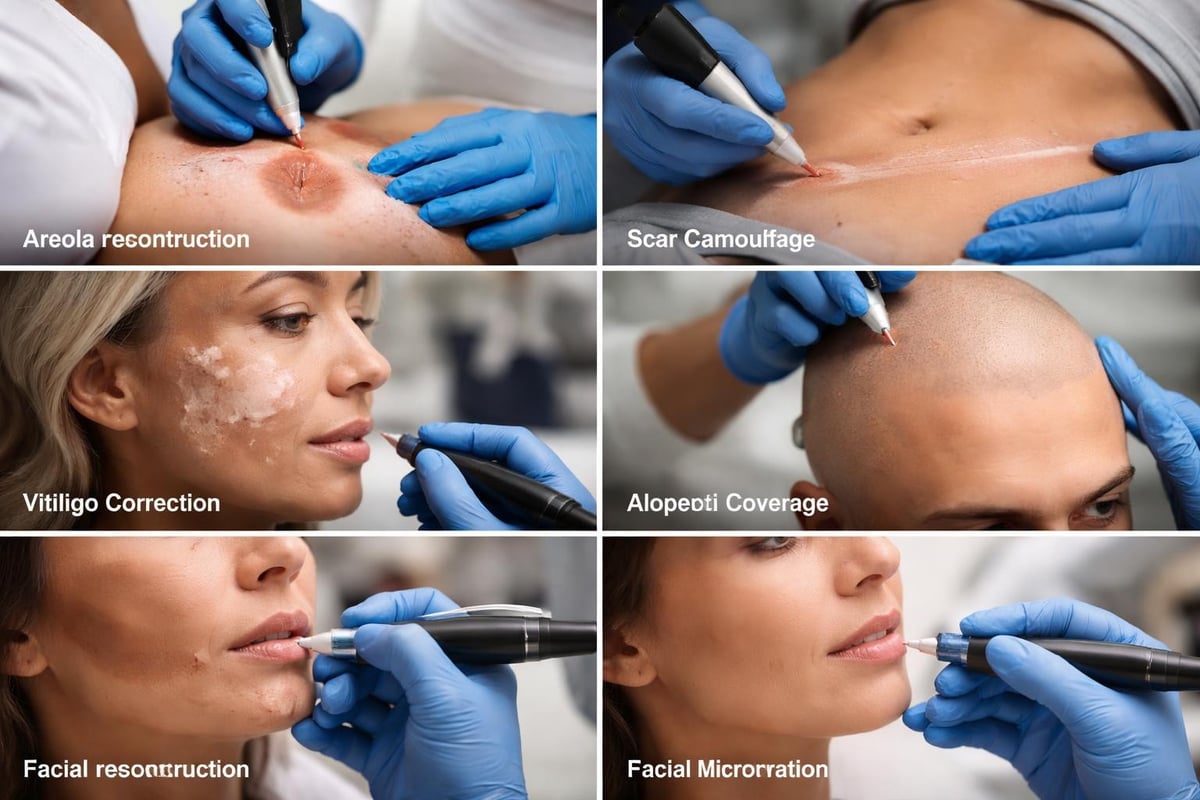
Paramedical tattooing encompasses several critical medical micro pigmentation procedures:
- Areola reconstruction following mastectomy or breast surgery
- Scar camouflage for burn victims and surgical patients
- Skin tone correction for vitiligo and hypopigmentation disorders
- Hair simulation for alopecia and pattern baldness sufferers
- Cleft lip and facial reconstruction enhancement
Each application requires specialized training, understanding of skin anatomy, and knowledge of appropriate pigment selection for lasting, natural-looking results.
Scalp Micropigmentation for Hair Loss Treatment
Scalp micropigmentation stands as one of the most transformative medical micro pigmentation applications. This non-surgical procedure creates the appearance of natural hair follicles on the scalp, providing solutions for individuals experiencing various forms of hair loss.
The treatment works by depositing thousands of tiny pigment dots into the scalp's epidermal layer, replicating the appearance of closely shaved hair follicles. Research published on scalp micropigmentation demonstrates its effectiveness as a permanent cosmetic treatment for pattern baldness, alopecia, and thinning hair.
Treatment Process and Technique
| Treatment Stage | Duration | Purpose | Results |
|---|---|---|---|
| Initial Session | 2-4 hours | Hairline design and baseline coverage | Foundation layer established |
| Second Session | 2-3 hours | Density building and refinement | Enhanced coverage and definition |
| Third Session | 1-2 hours | Final detailing and blending | Complete, natural appearance |
| Touch-up | 1 hour | Annual maintenance | Color refreshment and longevity |
The procedure requires meticulous attention to detail, considering factors such as skin tone, existing hair color, and desired density. For individuals experiencing hair loss, scalp pigmentation offers a discreet, natural-looking solution that restores confidence without invasive surgery or ongoing medication.
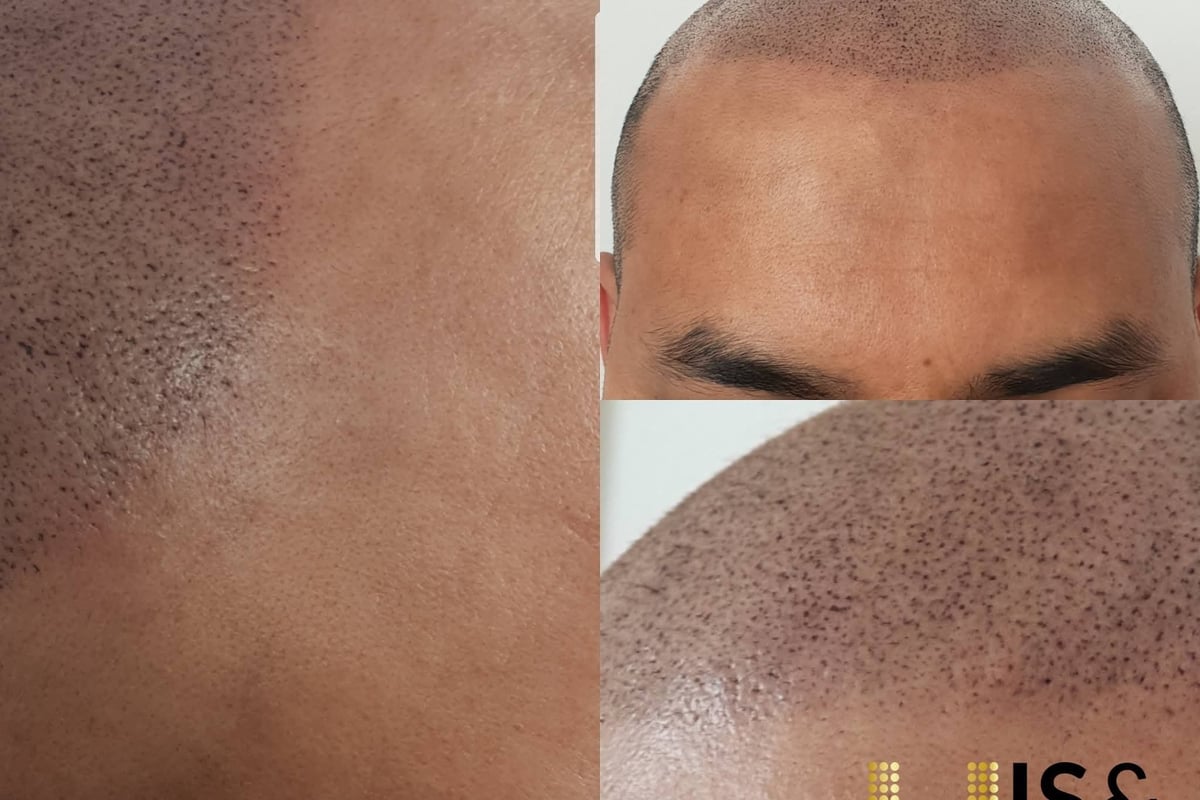
Practitioners must account for various hair loss patterns, including male pattern baldness, female pattern hair loss, alopecia areata, and scarring from previous hair transplant procedures. Each case demands customized approach and artistic skill to achieve seamless integration with existing hair.
Areola Restoration and Breast Reconstruction
Areola reconstruction through medical micro pigmentation provides crucial psychological healing for breast cancer survivors and individuals who have undergone mastectomy procedures. This delicate application restores the natural appearance of the areola and nipple complex, completing the breast reconstruction process.
Technical Considerations for Areola Tattooing
The procedure involves creating realistic three-dimensional appearance through strategic pigment placement and color blending. Technicians must understand:
- Color matching to complement natural skin tones and existing areola
- Shading techniques to create dimensional depth and texture
- Feathering methods for natural edge transitions
- Symmetry principles ensuring balanced appearance between breasts
Successful areola restoration requires extensive knowledge of breast anatomy, healing patterns on reconstructed tissue, and appropriate pigment selection for long-term color retention. The comprehensive review of micropigmentation techniques highlights the importance of specialized training for medical applications.
Scar Camouflage Techniques
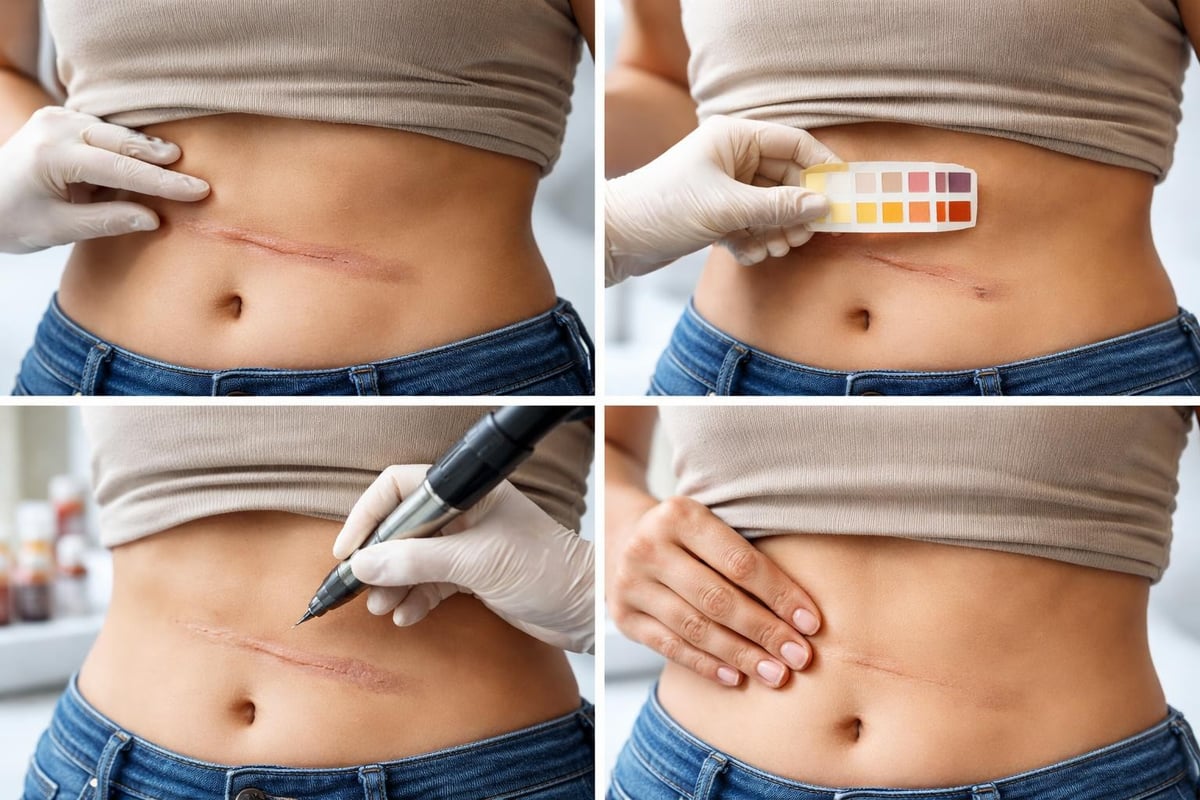
Medical micro pigmentation offers remarkable solutions for camouflaging various types of scars, including surgical scars, burn scars, traumatic injury scars, and stretch marks. The technique involves matching pigment to surrounding skin tones, effectively minimizing the visual impact of scarring.
Practitioners evaluate several factors before proceeding:
- Scar maturity – ensuring tissue has fully healed (minimum 12-18 months post-injury)
- Skin type and tone – determining appropriate pigment formulations
- Scar texture – assessing whether tissue will accept and retain pigment
- Location and size – planning treatment sessions and expected outcomes
- Client expectations – establishing realistic results and maintenance requirements
The process typically requires multiple sessions to build color gradually and achieve optimal camouflage. Technicians layer pigment strategically, allowing healing between sessions to assess color retention and make necessary adjustments.
Color Theory in Scar Treatment
Understanding color theory proves essential for successful scar camouflage. Scars may appear lighter, darker, or have different undertones compared to surrounding skin. Practitioners must consider:
| Scar Type | Color Characteristic | Pigment Strategy |
|---|---|---|
| Hypertrophic | Raised, red or purple | Cool-toned neutralization |
| Hypopigmented | Lighter than skin | Warm base with layering |
| Keloid | Dark, raised | Contraindicated without medical clearance |
| Atrophic | Depressed, lighter | Multi-tonal blending approach |
Vitiligo and Skin Condition Treatment
Medical micro pigmentation addresses vitiligo and other hypopigmentation disorders by restoring skin color to affected areas. This application requires exceptional skill in color matching and understanding of how pigments interact with different skin tones over time.
The treatment proves particularly effective for stable vitiligo cases where depigmented patches have remained unchanged for extended periods. Practitioners must assess disease activity before proceeding, as active vitiligo may cause pigment rejection or further depigmentation around treated areas.
Treatment Planning and Execution
Successful vitiligo treatment involves comprehensive consultation and realistic expectation setting. The medical micro pigmentation process for vitiligo includes:
- Patch testing to ensure pigment acceptance and color stability
- Gradual color building through multiple sessions
- Regular monitoring for disease progression or regression
- Maintenance protocols to preserve color longevity
Oklahoma’s medical micropigmentation guidelines emphasize the importance of understanding skin physiology and disease processes when treating medical conditions.
Safety Protocols and Regulatory Compliance
Medical micro pigmentation demands strict adherence to safety standards and infection control protocols. Practitioners must maintain sterile environments, use single-use needles, and follow comprehensive sanitation procedures to protect client health.
Essential safety measures include:
Equipment Sterilization
- Autoclave sterilization of reusable instruments
- Single-use, disposable needle cartridges
- Barrier protection for all equipment surfaces
Infection Control
- Bloodborne pathogen training and certification
- Proper waste disposal following medical standards
- Hand hygiene and glove protocols
Client Screening
- Medical history review for contraindications
- Allergy testing when appropriate
- Informed consent documentation
Professional training programs cover these critical safety elements alongside technical skills. The evolving field of medical micro pigmentation continues advancing through research and clinical application.
Training and Certification Requirements
Aspiring medical micro pigmentation practitioners require comprehensive education covering skin anatomy, color theory, disease recognition, and advanced application techniques. Quality training programs combine theoretical knowledge with supervised hands-on practice on live models.
Core Curriculum Components
- Skin anatomy and physiology – understanding dermal layers and healing processes
- Pathology and contraindications – recognizing medical conditions affecting treatment
- Color theory and pigment science – mastering color mixing and selection
- Equipment operation – proper machine usage and needle configurations
- Medical ethics and client care – professional standards and communication
Permanent makeup and micropigmentation overview provides historical context and evolution of the industry, demonstrating how medical applications have expanded from purely cosmetic origins.
The intersection of medical needs and aesthetic expertise creates unique opportunities for trained professionals. Resources at HIS&HERS Micropigmentation Clinic demonstrate how specialized practitioners serve clients with both cosmetic and medical concerns.
Client Consultation and Assessment
Thorough consultation forms the foundation of successful medical micro pigmentation outcomes. Practitioners must evaluate multiple factors during initial assessments to determine treatment suitability and develop customized plans.
The consultation process addresses:
- Medical history review including medications, allergies, and existing conditions
- Treatment goal clarification ensuring realistic expectations
- Skin assessment evaluating texture, tone, and suitability for pigment retention
- Photographic documentation capturing pre-treatment appearance for comparison
- Aftercare education preparing clients for healing and maintenance requirements
Detailed consultations build trust and establish clear communication between practitioner and client. This relationship proves especially important in medical applications where emotional healing often accompanies physical restoration.
Managing Client Expectations
Realistic expectation management prevents disappointment and ensures client satisfaction. Practitioners should discuss:
| Expectation Area | Key Points to Address |
|---|---|
| Results timeline | Multiple sessions required, gradual improvement |
| Color longevity | Fading over 3-5 years, touch-ups needed |
| Pain level | Mild to moderate discomfort, numbing available |
| Healing process | Initial darkening, flaking, color settling |
| Maintenance needs | Annual touch-ups for optimal appearance |
Pigment Selection and Color Matching
Selecting appropriate pigments represents one of the most critical aspects of medical micro pigmentation. Medical-grade pigments must meet safety standards, demonstrate stability in skin tissue, and provide predictable color retention over time.
Factors influencing pigment selection include:
- Client skin undertones (warm, cool, or neutral)
- Desired final appearance and coverage goals
- Treatment area characteristics and healing capacity
- Long-term color stability and fading patterns
Experienced practitioners maintain extensive pigment inventories, allowing custom color mixing to achieve perfect matches for individual clients. The science of color theory combines with artistic skill to create natural, harmonious results.
Pigment Chemistry and Safety
Modern micropigmentation pigments undergo rigorous testing to ensure biocompatibility and safety. Quality pigments feature:
- Iron oxide base providing stable, non-reactive colorants
- Minimal heavy metals eliminating toxic exposure risks
- Appropriate particle size ensuring proper dermal retention
- pH neutral formulation minimizing skin irritation
Understanding pigment chemistry helps practitioners select appropriate products for medical applications where safety concerns heighten due to compromised skin or underlying health conditions.
Aftercare Protocols and Healing Management
Proper aftercare proves essential for optimal results in medical micro pigmentation. The healing process typically spans 4-6 weeks, during which pigment settles and true color emerges. Clients must follow specific guidelines to prevent infection, promote healing, and preserve pigment retention.
Standard aftercare instructions include:
- Keep area clean and dry for first 24-48 hours
- Apply prescribed ointment to prevent scabbing and promote healing
- Avoid sun exposure to prevent premature fading
- No swimming or soaking until fully healed
- Avoid picking or scratching to prevent pigment loss and scarring
Practitioners should provide written aftercare instructions and remain available for questions during the healing period. Regular follow-up ensures any concerns receive prompt attention.
Common Healing Complications
While medical micro pigmentation generally heals without issues, practitioners must educate clients about potential complications:
- Excessive swelling – normal initially but requires monitoring
- Infection signs – redness, warmth, discharge requiring immediate attention
- Allergic reactions – rare but possible with certain pigment ingredients
- Uneven fading – may necessitate color correction in subsequent sessions
Early intervention addresses most complications successfully, emphasizing the importance of clear communication between practitioner and client throughout the healing process.
Long-Term Maintenance and Touch-Ups
Medical micro pigmentation results typically last 3-5 years before requiring significant touch-ups, though annual maintenance sessions help preserve optimal appearance. Longevity varies based on multiple factors including skin type, lifestyle, sun exposure, and treatment area.
Maintenance planning should consider:
Fading Patterns
- Lighter skin tones retain pigment longer
- Oil-rich skin areas fade faster
- Sun exposure accelerates color degradation
Touch-Up Timing
- Annual color refreshment for high-visibility areas
- Major refresh every 3-5 years for full coverage restoration
- As-needed corrections for uneven fading
Understanding scalp micropigmentation maintenance provides insights into long-term results and client satisfaction with medical micropigmentation procedures.
Advanced Techniques and Technology Integration
The field of medical micro pigmentation continues evolving with technological advances improving precision, comfort, and results. Modern equipment offers superior control, allowing practitioners to deliver consistent, high-quality outcomes across various applications.
Digital Machine Advantages
Contemporary digital micropigmentation machines provide several benefits over traditional methods:
- Adjustable needle depth ensuring consistent pigment placement
- Controlled speed settings allowing customization for different treatment areas
- Reduced trauma minimizing discomfort and accelerating healing
- Improved precision enabling detailed work on delicate areas
These technological improvements expand treatment possibilities and enhance client experiences. The integration of digital tools with refined techniques produces superior results across all medical micro pigmentation applications.
Innovation continues driving the industry forward, with ongoing research exploring new pigment formulations, application methods, and treatment protocols. Practitioners committed to continuing education stay current with advances, ensuring clients benefit from the latest developments in medical micropigmentation.
Medical micro pigmentation offers transformative solutions for individuals facing various dermatological conditions, hair loss concerns, and reconstructive needs. The specialized techniques and applications discussed represent the breadth of possibilities within this growing field. Whether you're seeking scar camouflage, areola restoration, or hair loss treatment, working with experienced practitioners ensures safe, effective results that restore both appearance and confidence. HIS&HERS Micropigmentation Clinic combines medical expertise with artistic skill to deliver personalized micropigmentation solutions tailored to your unique needs.
Leave a Reply