
Scalp Micropigmentation Long Hair: Complete Guide 2026
Many people assume scalp micropigmentation is exclusively for those with shaved heads or complete baldness, but this innovative cosmetic treatment offers remarkable benefits for individuals maintaining longer hair. Whether you're experiencing thinning hair, a receding hairline, or patchy areas that diminish your confidence, scalp micropigmentation long hair treatments provide a discrete solution that enhances density and creates the illusion of fuller, thicker hair without requiring you to sacrifice your existing length.
Understanding Scalp Micropigmentation for Long Hair
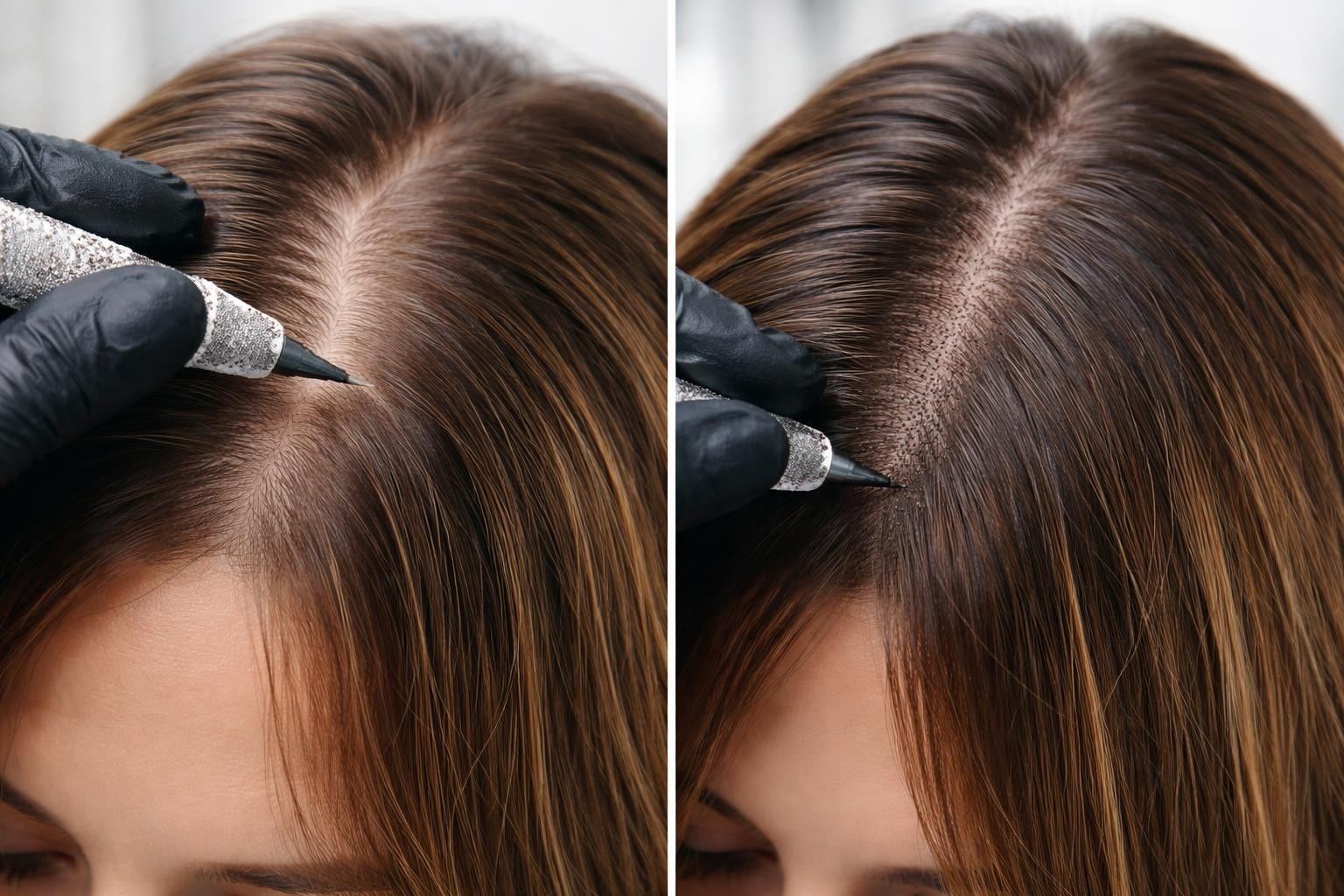
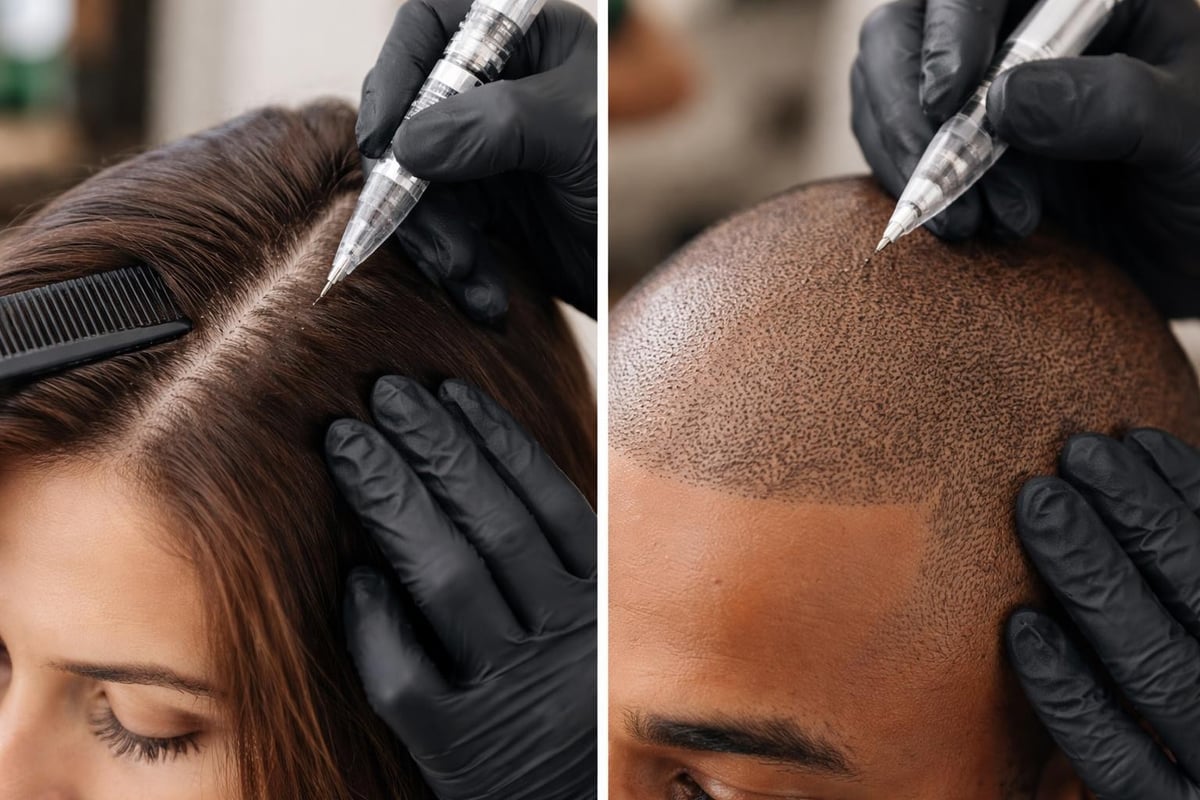
Scalp micropigmentation long hair applications differ significantly from traditional SMP procedures designed for completely shaved scalps. The technique involves depositing specialized pigments into the scalp's dermal layer to create the appearance of hair follicles beneath and between existing hair strands.
This approach focuses on adding visual density rather than replicating a closely-cropped hairstyle. Practitioners must carefully match pigment shades to your natural hair color and scalp tone, ensuring seamless integration with your existing hair.
Key Differences in Technique
When performing scalp micropigmentation long hair treatments, technicians employ modified approaches:
- Pigment depth: Slightly different needle penetration depths to account for hair coverage
- Dot pattern: Strategic placement between existing hair follicles rather than uniform coverage
- Color matching: More complex color blending to accommodate visible hair shafts
- Sectioning: Careful parting and isolation of hair during the procedure
The results remain virtually undetectable when executed properly. Your hairstylist can cut and style your hair normally without revealing the treatment.
Ideal Candidates for Long Hair SMP
Not everyone experiencing hair concerns needs to shave their head for effective scalp micropigmentation. Understanding whether you're a suitable candidate helps set realistic expectations and ensures optimal outcomes.
Common Conditions Addressed
| Hair Concern | SMP Effectiveness | Expected Results |
|---|---|---|
| Diffuse thinning | Excellent | 40-60% perceived density increase |
| Receding hairline | Very good | Natural-looking hairline restoration |
| Crown thinning | Excellent | Reduced scalp visibility |
| Scars or gaps | Good to excellent | Camouflaged irregularities |
| Widening part | Very good | Narrower, fuller-looking part |
Women particularly benefit from scalp micropigmentation long hair treatments since they typically prefer maintaining length. The procedure addresses female pattern hair loss without the need for dramatic hairstyle changes.
Evaluating Your Hair Density
Your existing hair density determines treatment feasibility. A qualified practitioner assesses several factors:
- Hair thickness: Thicker individual strands provide better coverage over pigmented areas
- Hair count: Minimum density requirements ensure natural blending
- Scalp contrast: The difference between your scalp and hair color affects visibility
- Hair texture: Curly or wavy hair often conceals treatment areas more effectively than straight hair
Clients with extremely fine or very sparse hair may achieve better results combining SMP with complementary treatments. The professionals at HIS&HERS Micropigmentation Clinic evaluate each case individually to recommend the most effective approach for your specific situation.
The Treatment Process Explained
Understanding what happens during scalp micropigmentation long hair sessions helps you prepare mentally and physically for the procedure. Most clients complete their treatment across two to four sessions spaced several weeks apart.
Session Breakdown
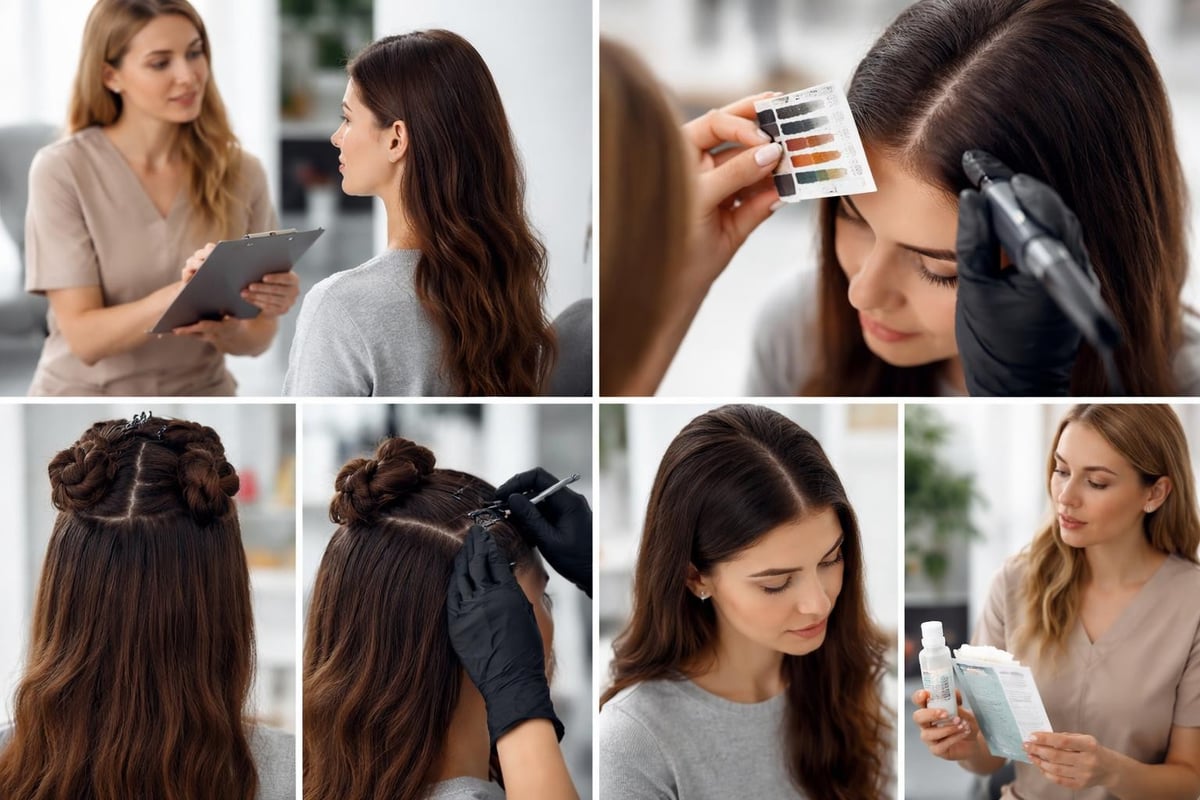
Initial Consultation: Your practitioner examines your scalp, discusses desired outcomes, and creates a customized treatment plan. Color matching occurs during this appointment, with multiple pigment shades tested against your natural hair.
First Session: The foundation layer gets established. Technicians create a base pattern of micro-dots throughout treatment areas. This session typically lasts two to four hours depending on the coverage area.
Expect minimal discomfort during application. Most clients describe the sensation as similar to eyebrow threading or light scratching.
Subsequent Sessions: Building upon the initial layer, additional density and refinement occur. Understanding SMP permanence helps you recognize why multiple sessions create the most natural, long-lasting results.
Preparation Requirements
Unlike shaved-head SMP, scalp micropigmentation long hair treatments require specific preparation:
- Wash hair the morning of your appointment
- Arrive with dry, product-free hair
- Avoid blood-thinning medications or supplements for 48 hours prior
- Plan for hair to remain unwashed for 4-5 days post-treatment
- Arrange time off if your scalp tends toward visible redness
The practitioner sections and clips hair away from treatment zones, working systematically through targeted areas while maintaining your comfort throughout the process.
Maintenance and Longevity Considerations
One crucial question clients ask involves how long their scalp micropigmentation long hair results will last. SMP longevity factors include sun exposure, skincare routines, and individual skin characteristics.
Most treatments maintain optimal appearance for three to five years before requiring touch-ups. However, several variables influence this timeline.
Factors Affecting Duration
Sun Exposure: UV radiation breaks down pigments faster than any other factor. Your scalp receives direct sunlight when hair parts, especially if you style your hair pulled back or have thinning crown areas.
Protect treated areas by:
- Applying SPF 30+ sunscreen to your scalp during outdoor activities
- Wearing hats when spending extended time in direct sunlight
- Avoiding tanning beds entirely
- Using UV-protective hair products
Skin Type and Tone: Oily skin may metabolize pigments faster than dry skin. Additionally, very light or very dark skin tones sometimes require more frequent touch-ups to maintain ideal color saturation.
Lifestyle Factors: Swimming in chlorinated pools, using harsh shampoos, or receiving certain skincare treatments accelerates fading. Maintaining SMP results requires adapting some daily habits.
Touch-Up Schedule
| Timeframe | Typical Maintenance Needed |
|---|---|
| 0-12 months | None (optimal appearance) |
| 1-3 years | Minor touch-ups possible |
| 3-5 years | Moderate refresh recommended |
| 5+ years | Comprehensive touch-up needed |
Regular assessments help you stay ahead of noticeable fading. Annual check-ups allow your technician to monitor pigment retention and recommend touch-ups before results diminish significantly.
Styling Options After Treatment
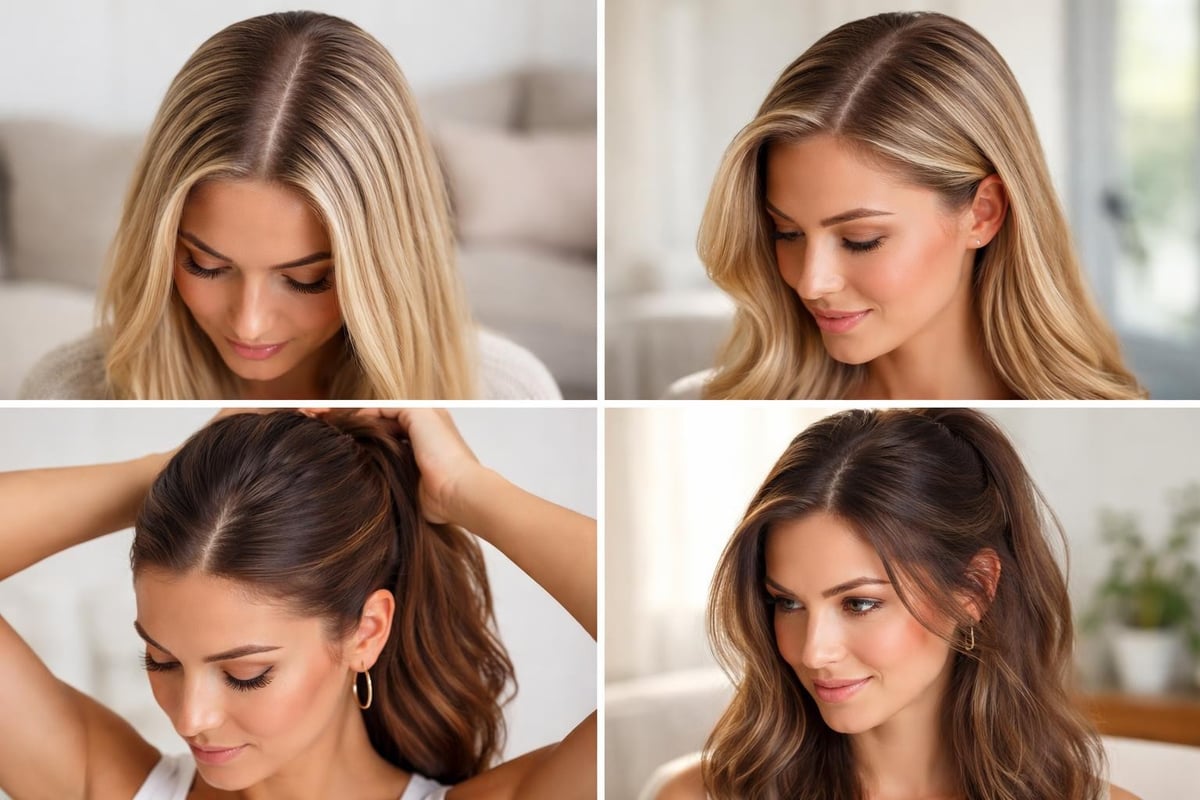
One major advantage of scalp micropigmentation long hair procedures is the maintained styling flexibility. Unlike hair systems or transplants requiring special handling, SMP integrates seamlessly with your natural hair care routine.
Compatible Hairstyles
You can confidently wear numerous styles post-treatment:
- Loose, flowing styles that shift throughout the day
- Updos and ponytails (once fully healed)
- Half-up styles exposing treated hairline areas
- Side parts, middle parts, or varied parting patterns
- Braids, twists, or textured styling
The pigmented areas move naturally with your hair, maintaining consistent coverage regardless of styling choices.
Hair Care Product Compatibility
Most commercial hair products work perfectly with scalp micropigmentation long hair. However, certain ingredients warrant caution:
Avoid initially: Products containing glycolic acid, salicylic acid, or retinol directly on the scalp during the first month post-treatment.
Safe to use: Sulfate-free shampoos, moisturizing conditioners, heat protectants, and styling products applied primarily to hair strands rather than directly massaged into the scalp.
Beneficial additions: Color-safe formulas designed for color-treated hair help maintain both your natural hair color and SMP pigmentation.
Your natural hair growth, cuts, and color treatments proceed normally. Inform your hairstylist about your SMP so they exercise appropriate care when working near treated areas.
Combining SMP with Other Hair Loss Treatments
Scalp micropigmentation long hair treatments complement numerous hair restoration approaches. Many clients achieve optimal results through combination strategies rather than relying on a single solution.
Synergistic Approaches
Medical Treatments: Minoxidil and finasteride work to slow or reverse hair loss while SMP immediately improves appearance. This combination provides both short-term cosmetic benefits and long-term therapeutic results.
Hair Transplants: SMP enhances transplant outcomes by adding density between grafted follicles. Some patients undergo SMP before transplants to improve candidate suitability, while others add it afterward for maximum fullness.
Platelet-Rich Plasma (PRP): This regenerative treatment stimulates hair growth while SMP addresses existing thinning. The treatments don't interfere with each other when properly timed.
Treatment Timing Considerations
- Complete any surgical hair restoration procedures first
- Allow full healing (typically 6-12 months) before scheduling SMP
- Coordinate medical treatments with your SMP provider
- Space out treatments affecting scalp integrity by at least 4-6 weeks
Professional guidance ensures treatments enhance rather than compromise each other. Comprehensive treatment plans address hair loss from multiple angles, providing robust, lasting results.
Addressing Common Concerns and Misconceptions
Despite growing awareness, several myths about scalp micropigmentation long hair persist. Clearing up these misconceptions helps you make informed decisions about whether this treatment suits your needs.
Myth vs. Reality
Myth: "SMP looks like a tattoo and appears unnatural under long hair."
Reality: Professional scalp micropigmentation uses specialized pigments, needles, and techniques completely different from traditional tattooing. Properly executed SMP remains virtually undetectable, even when examining your scalp closely.
Myth: "You must shave your head for SMP treatments."
Reality: While shorter hair simplifies the process, skilled technicians successfully treat clients maintaining various lengths. Techniques adapt to accommodate your preferred style.
Myth: "SMP prevents future hair growth."
Reality: The pigmentation sits in the dermal layer without affecting hair follicles. Existing follicles continue their normal growth cycles, and dormant follicles may potentially reactivate through medical treatments.
Managing Expectations
Realistic expectations contribute significantly to satisfaction. Scalp micropigmentation long hair treatments create the illusion of density, not actual hair growth.
You'll notice:
- Reduced scalp visibility through hair
- Fuller appearance in photographs
- Increased confidence in various lighting conditions
- Easier styling of problematic areas
You won't experience:
- Actual hair growth or texture changes
- Complete elimination of thinning if loss is severe
- Permanent results without any future maintenance
- Identical results to someone with naturally thick hair
Cost Considerations and Value Assessment
Investment in scalp micropigmentation long hair varies based on treatment extent, geographic location, and provider expertise. Understanding cost factors helps you budget appropriately and recognize value indicators.
Pricing Factors
| Factor | Impact on Cost |
|---|---|
| Treatment area size | Larger areas require more time and pigment |
| Session number | Most clients need 2-4 sessions |
| Provider experience | Highly skilled technicians often charge premium rates |
| Geographic location | Urban clinics typically cost more than rural facilities |
| Touch-up frequency | Annual maintenance adds to long-term investment |
Typical scalp micropigmentation long hair treatments range from $1,500 to $4,000 for initial sessions. Touch-ups generally cost 20-40% of original treatment pricing.
Comparing Long-Term Value
When evaluating cost-effectiveness, consider alternatives:
Hair systems: Require replacement every 6-12 months at $300-$2,000 per unit, plus ongoing maintenance
Transplants: Single procedures cost $4,000-$15,000 with potential need for multiple surgeries
Topical treatments: Monthly expenses of $50-$200 indefinitely with varying effectiveness
SMP provides a one-time investment with minimal ongoing costs, making it economically attractive over extended periods. Professional SMP providers often offer financing options to make treatments more accessible.
Selecting the Right Provider
Your results depend heavily on practitioner skill and experience. Choosing a qualified provider specifically experienced with scalp micropigmentation long hair ensures optimal outcomes and minimizes complication risks.
Essential Qualifications
Look for practitioners demonstrating:
- Extensive portfolio showing long-hair SMP cases specifically
- Formal training from recognized institutions
- Multiple years of active practice
- Proper licensing and insurance coverage
- Clean, professional clinic environment
- Detailed consultation process
Request before-and-after photos of clients with similar hair color, texture, and density to yours. This provides realistic expectations for your potential results.
Red Flags to Avoid
Certain warning signs indicate potentially problematic providers:
- Unwillingness to show extensive portfolio examples
- Pressure to commit during initial consultation
- Significantly lower pricing than market averages
- Vague or dismissive responses to technical questions
- Poor online reviews or complaint patterns
- Lack of proper sterilization protocols
Your scalp and appearance deserve professional care. Investing time in thorough research prevents disappointing results and potential complications requiring corrective procedures.
Aftercare Requirements for Optimal Results
Proper post-treatment care significantly impacts both immediate healing and long-term results. Scalp micropigmentation long hair requires specific aftercare protocols differing slightly from shaved-head treatments.
Immediate Post-Treatment Care (Days 1-5)
Do:
- Keep the treated area completely dry for 4-5 days
- Sleep on clean pillowcases, changing them daily
- Allow any scabbing to fall off naturally
- Wear loose-fitting hats if sun exposure is unavoidable
- Take recommended pain relievers if experiencing discomfort
Don't:
- Wash your hair or wet the treated areas
- Exercise strenuously or engage in activities causing sweating
- Touch, scratch, or pick at treated areas
- Apply any products to the scalp
- Expose treated areas to direct sunlight
Extended Healing Period (Days 6-30)
Once cleared to wash your hair, use gentle, fragrance-free products. Pat your scalp dry rather than rubbing vigorously. Long-term SMP maintenance begins immediately after treatment completion.
Gradually reintroduce normal activities:
- Resume gentle exercise after one week
- Return to regular hair washing routine after five days
- Wait two weeks before swimming
- Avoid direct sun exposure for one month
- Schedule your next session according to practitioner recommendations
Moisturizing becomes important once initial healing completes. Keep your scalp hydrated with recommended products to maintain skin health and pigment vibrancy.
Real Client Experiences and Outcomes
Understanding actual client experiences provides valuable perspective beyond technical details. Women and men maintaining longer hair report specific benefits and challenges with scalp micropigmentation long hair treatments.
Common Success Stories
Clients frequently describe transformative experiences:
Improved confidence: Many report feeling comfortable wearing their hair in styles previously avoided due to visible scalp show-through.
Simplified routines: Reduction or elimination of concealing products, powders, or sprays that previously required daily application.
Photography comfort: Increased willingness to appear in photos and videos without anxiety about lighting exposing thinning areas.
Professional advantages: Enhanced confidence in workplace settings where appearance impacts professional interactions.
Adjustment Period Realities
Most clients experience a brief adjustment as they acclimate to their new appearance:
- Initial redness typically resolves within a few days
- Pigment may appear darker immediately after treatment, then lighten slightly during healing
- Full results become apparent 6-8 weeks after final session
- Some clients need a session or two to achieve their ideal density
Patience during the multi-session process proves essential. Each appointment builds upon previous work, gradually creating natural-looking density.
Integration with Daily Life
One compelling advantage of scalp micropigmentation long hair treatments involves minimal lifestyle disruption. Unlike surgical procedures requiring extended recovery or maintenance systems demanding daily attention, SMP integrates seamlessly into normal routines.
Work and Social Considerations
Professional settings: Most clients return to work within 1-2 days, as any redness typically resolves quickly. If your work involves physical labor or exposure to elements, you might schedule treatments before planned time off.
Social events: Plan treatments around major events. While healing is relatively quick, you'll want to look your absolute best for weddings, reunions, or important celebrations.
Athletic activities: Serious athletes should coordinate treatments with training schedules, allowing proper healing before resuming intense workouts that cause significant sweating.
Travel and Climate Factors
Different environments affect both the treatment process and long-term maintenance:
- Humid climates: May slightly accelerate pigment fading but generally don't significantly impact results
- Dry climates: Require more diligent moisturizing to maintain scalp health
- High altitudes: Increased UV exposure necessitates vigilant sun protection
- Beach destinations: Plan treatments to avoid swimming during initial healing periods
Your lifestyle should inform treatment timing rather than dictating whether scalp micropigmentation long hair suits your needs.
Scalp micropigmentation offers a transformative solution for individuals experiencing hair thinning while maintaining longer hair lengths, providing immediate visual density improvements without sacrificing styling flexibility or requiring invasive procedures. The treatment's versatility, combined with minimal maintenance requirements and natural-looking results, makes it an increasingly popular choice for both women and men seeking to address hair loss concerns discreetly. If you're ready to explore how scalp micropigmentation can restore your confidence and create the appearance of fuller, thicker hair, the experienced practitioners at HIS&HERS Micropigmentation Clinic provide personalized consultations to develop customized treatment plans tailored to your unique needs and aesthetic goals.
Leave a Reply