Hair on the Scalp: Anatomy, Growth, and Health
Understanding the intricate biology and function of hair on the scalp requires examining its complex anatomical structure, growth patterns, and the various factors that influence its health. The scalp serves as the foundation for approximately 100,000 hair follicles, each functioning as a sophisticated biological system that produces, maintains, and eventually sheds hair strands in continuous cycles. This remarkable process involves multiple layers of tissue, specialized cells, and precise hormonal regulation that determines everything from hair density to texture and color.
The Anatomical Foundation of Scalp Hair
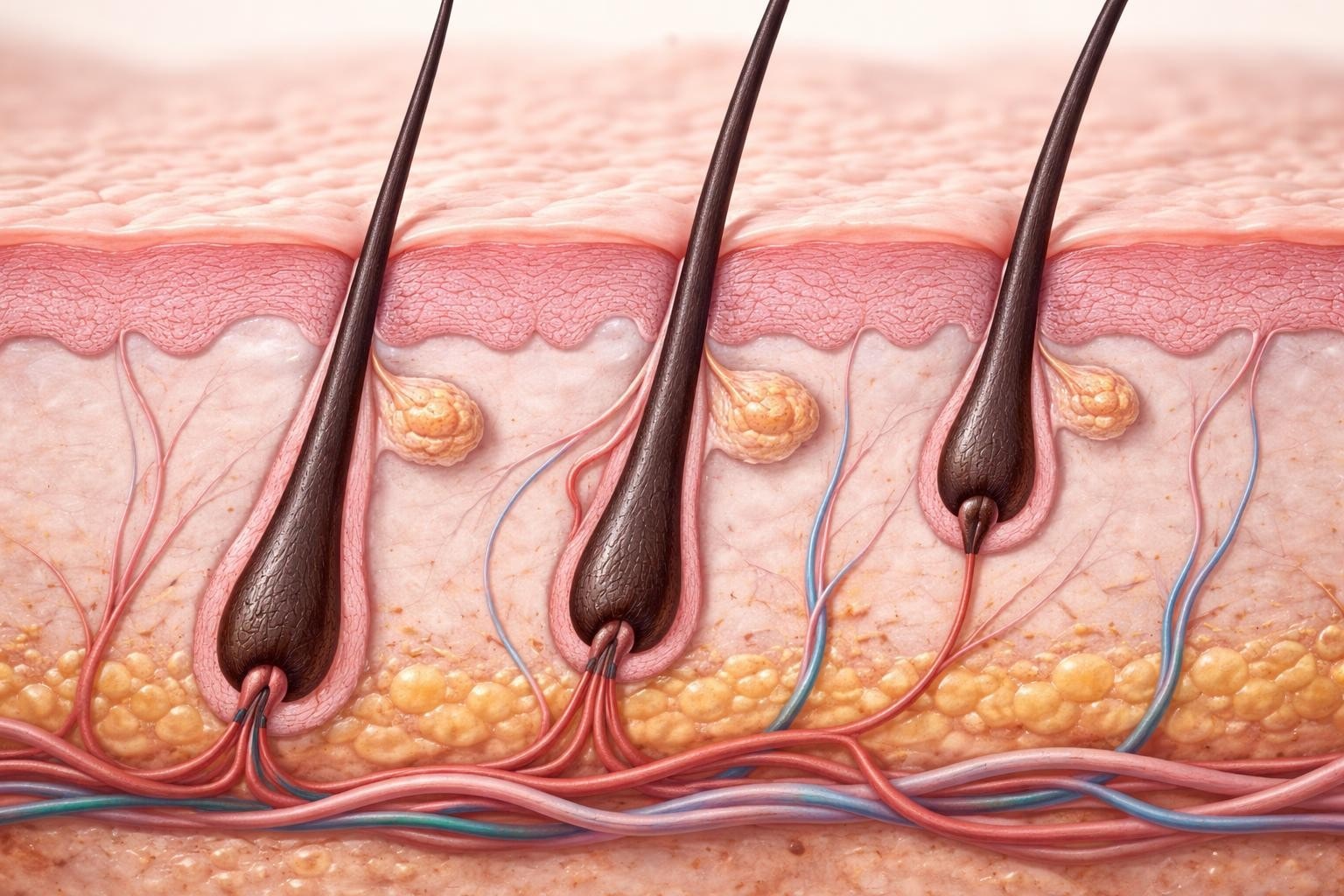
The scalp itself consists of five distinct layers, each playing a crucial role in supporting hair growth and maintenance. The scalp’s anatomical structure includes the skin, connective tissue, aponeurosis, loose areolar tissue, and pericranium, with hair follicles extending through multiple layers to anchor deeply within the dermis.
Follicle Structure and Components
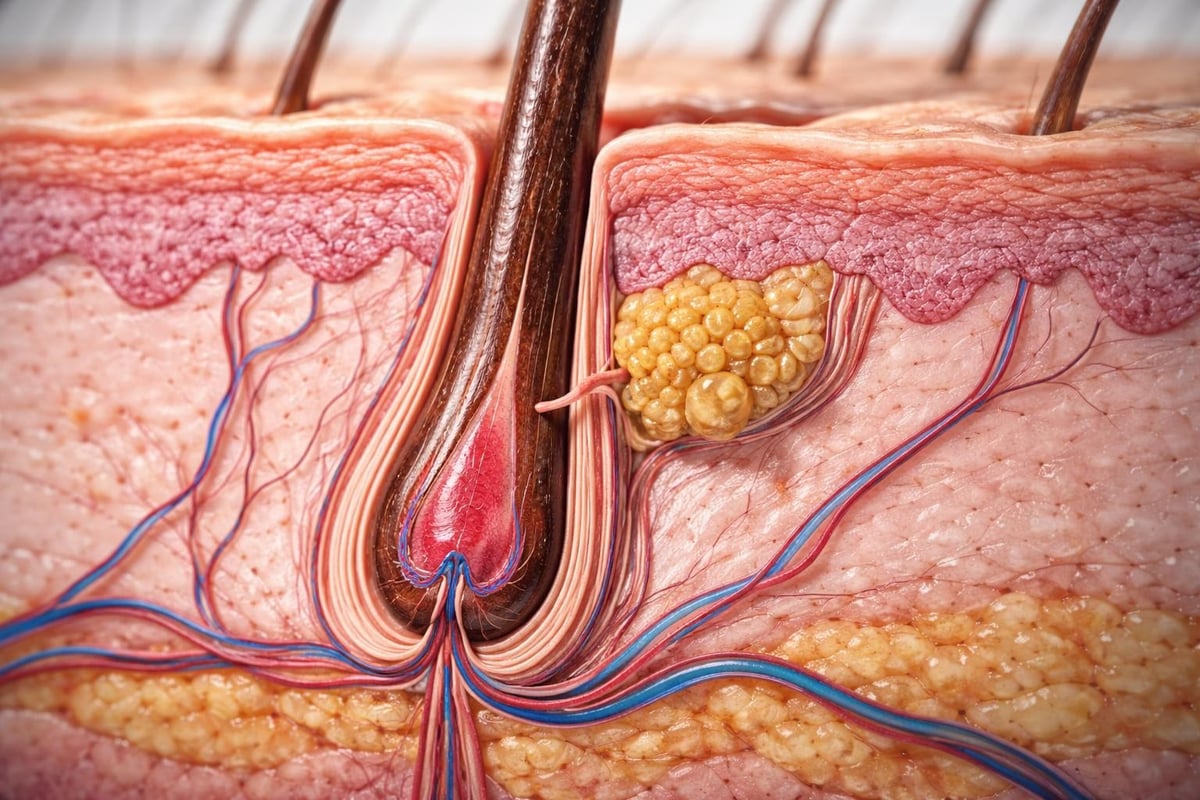
Each hair follicle represents a complex miniature organ system. The hair bulb sits at the base of the follicle, where actively dividing cells produce the hair shaft. The dermal papilla, a specialized structure rich in blood vessels and nerves, provides essential nutrients and regulatory signals that control hair growth.
Key follicle components include:
- The outer root sheath, which connects the follicle to the epidermis
- The inner root sheath, which guides and shapes the growing hair shaft
- The hair matrix, containing rapidly dividing cells that produce hair
- The sebaceous gland, which secretes oils to lubricate hair on the scalp
- The arrector pili muscle, responsible for creating "goosebumps"
The histological features of the scalp and hair reveal intricate cellular arrangements that facilitate the continuous production of hair fibers. These microscopic structures work in concert to create the visible hair strands that emerge from the scalp surface.
Hair Growth Cycles and Phases
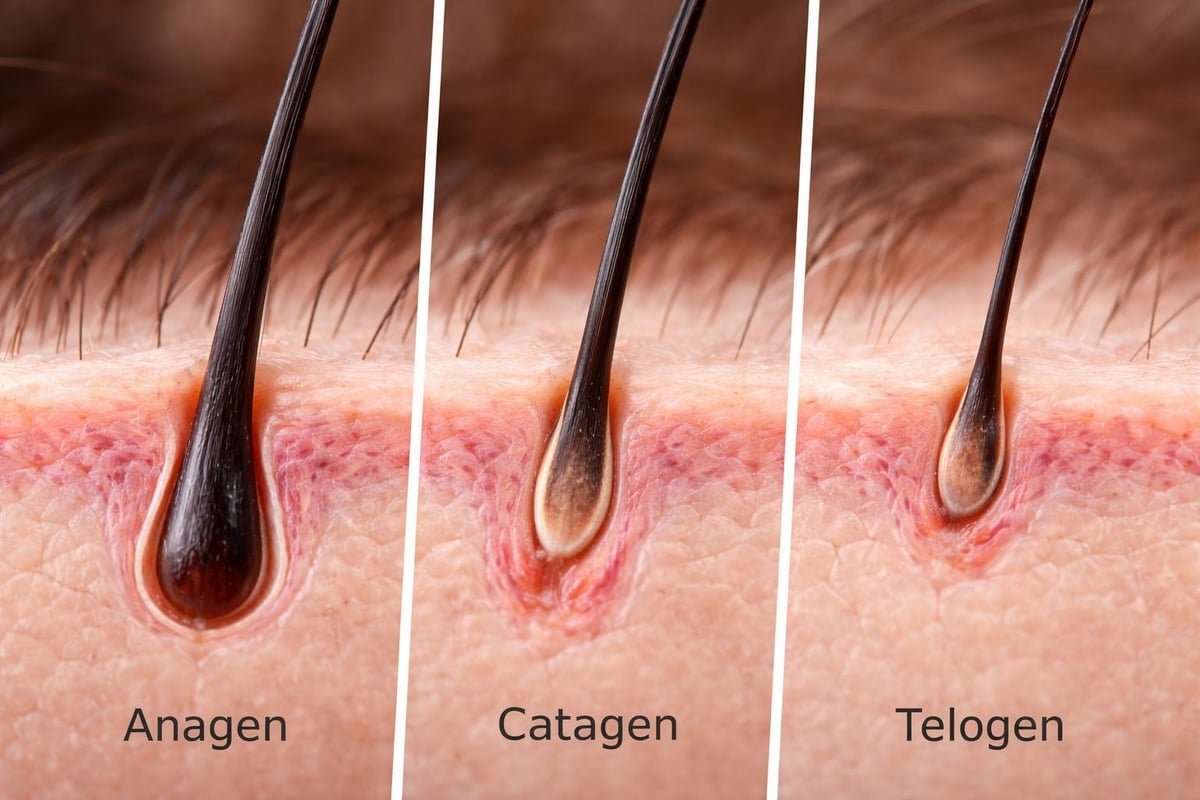
Hair on the scalp follows a predictable growth pattern divided into three distinct phases. Understanding these cycles provides crucial insight into normal hair shedding, growth rates, and how various conditions affect hair health.
Anagen: The Active Growth Phase
The anagen phase represents the period of active hair production, typically lasting between three to seven years. During this phase, cells in the hair matrix divide rapidly, creating the hair shaft that pushes upward through the follicle. Approximately 85-90% of scalp hair exists in this phase at any given time.
Growth rate during anagen averages about half an inch per month, though this varies based on genetics, age, and overall health. The length of the anagen phase largely determines the maximum achievable hair length for each individual.
Catagen: The Transition Phase
This brief transitional period lasts only two to three weeks. Hair on the scalp stops growing as the hair follicle shrinks and detaches from the dermal papilla. The hair shaft becomes what's called a "club hair" – a fully formed strand that's no longer actively growing but remains anchored in the follicle.
Telogen: The Resting Phase
The telogen phase spans approximately three months, during which the hair remains in the follicle but doesn't grow. At the end of this phase, the hair naturally sheds to make way for new growth. It's completely normal to lose 50-100 hairs daily through this natural shedding process.
| Growth Phase | Duration | Percentage of Scalp Hair | Activity Level |
|---|---|---|---|
| Anagen | 3-7 years | 85-90% | Active growth |
| Catagen | 2-3 weeks | 1-2% | Transition |
| Telogen | 3 months | 8-14% | Resting/shedding |
Common Disorders Affecting Hair on the Scalp
Multiple conditions can disrupt the normal growth and maintenance of hair on the scalp. These disorders range from temporary, reversible conditions to permanent hair loss requiring specialized intervention.
Androgenetic Alopecia
The most common form of hair loss, androgenetic alopecia affects both men and women, though it manifests differently in each gender. This hereditary condition involves the gradual miniaturization of hair follicles in response to androgens, particularly dihydrotestosterone (DHT).
In men, this typically presents as a receding hairline and crown thinning. Women experience diffuse thinning across the central scalp while maintaining the frontal hairline. Various forms of alopecia demonstrate different pathophysiological mechanisms that affect hair follicle function.
Telogen Effluvium
Significant physical or emotional stress can push large numbers of hair follicles into the telogen phase prematurely. This results in noticeable shedding two to three months after the triggering event. Common triggers include:
- Major surgery or severe illness
- Significant weight loss or nutritional deficiency
- Childbirth and postpartum hormonal changes
- High fever or infection
- Psychological stress or trauma
Alopecia Areata
This autoimmune condition causes the immune system to attack hair follicles, resulting in patchy hair loss. Hair on the scalp may fall out in coin-sized patches, though some individuals experience more extensive loss. The condition can be unpredictable, with hair sometimes regrowing spontaneously.
Factors Influencing Scalp Hair Health
Numerous variables affect the quality, density, and growth of hair on the scalp. These factors range from controllable lifestyle choices to genetic predispositions beyond individual control.
Nutritional Requirements
Hair follicles require specific nutrients to maintain optimal function. Protein forms the structural foundation of hair, while vitamins and minerals support growth processes.
Essential nutrients for healthy hair include:
- Protein: Provides building blocks for keratin synthesis
- Iron: Supports oxygen delivery to follicles
- Biotin: Facilitates keratin production and follicle health
- Vitamin D: Regulates hair follicle cycling
- Zinc: Maintains follicle structure and prevents shedding
- Omega-3 fatty acids: Reduce inflammation and support scalp health
Deficiencies in these nutrients can compromise hair growth and lead to increased shedding or poor hair quality. Understanding anatomy at the cellular level helps explain why proper nutrition matters for maintaining healthy hair follicles.
Hormonal Influences
Hormones exert powerful effects on hair follicle behavior. Thyroid hormones regulate metabolism and growth rate, while sex hormones influence follicle sensitivity and growth patterns. Hormonal fluctuations during pregnancy, menopause, or due to endocrine disorders can significantly impact hair on the scalp.
Androgen sensitivity determines susceptibility to pattern hair loss. Even normal androgen levels can cause follicle miniaturization in genetically predisposed individuals, leading to progressively finer, shorter hairs.
Scalp Care and Maintenance Strategies
Maintaining healthy hair on the scalp requires attention to both internal health factors and external care practices. A comprehensive approach addresses multiple aspects of hair and scalp wellness.
Cleansing and Hygiene
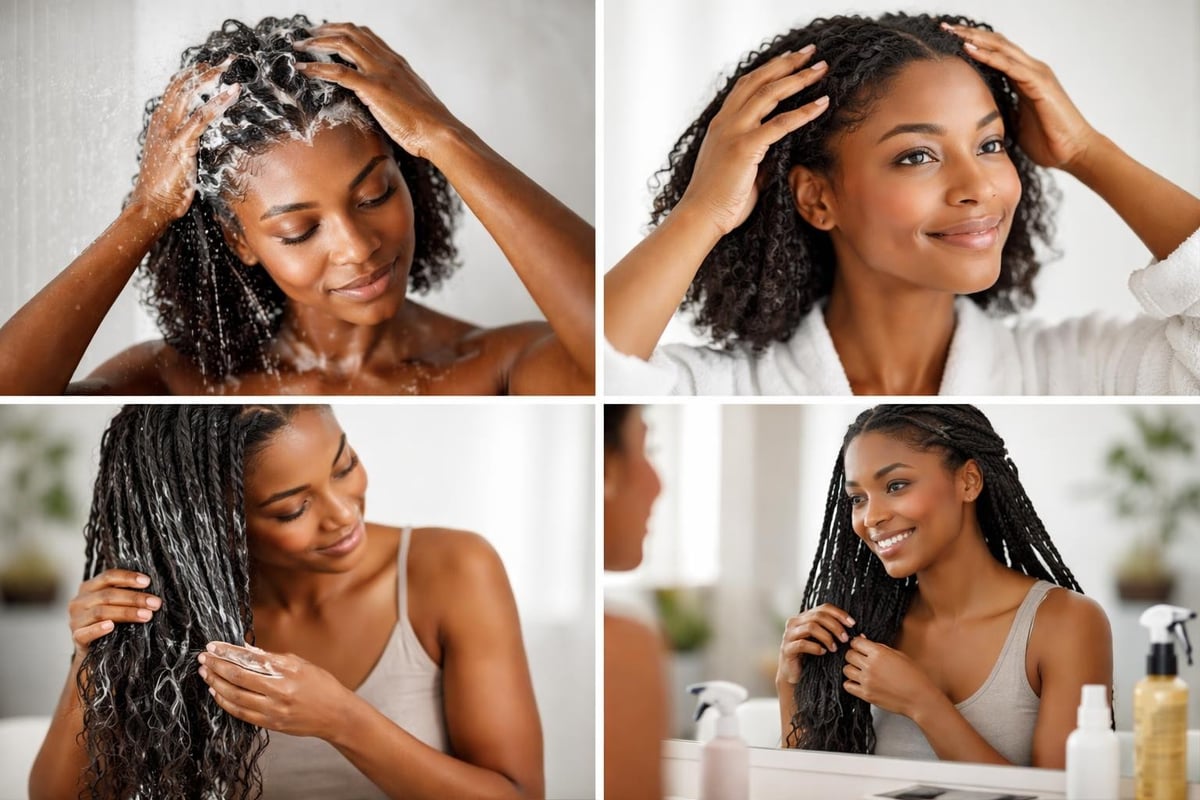
Regular cleansing removes excess sebum, dead skin cells, and environmental pollutants that accumulate on the scalp. However, over-washing can strip natural oils and irritate the scalp. Most individuals benefit from washing hair two to three times weekly, though this varies based on hair type and lifestyle.
Effective cleansing practices:
- Use lukewarm water to prevent scalp irritation
- Massage gently to stimulate circulation without causing trauma
- Focus shampoo on the scalp, allowing it to cleanse hair lengths as it rinses
- Apply conditioner to hair ends, avoiding the scalp to prevent buildup
- Rinse thoroughly to remove all product residue
Minimizing Damage
Physical and chemical stressors can compromise hair integrity. Tight hairstyles create tension on follicles, potentially leading to traction alopecia. Heat styling tools can damage the hair cuticle, making strands brittle and prone to breakage.
Chemical treatments like bleaching, perming, and relaxing alter hair structure, sometimes causing significant damage. When these treatments are necessary, spacing them adequately and using protective products helps minimize harm to hair on the scalp.
Medical and Cosmetic Interventions
When natural approaches prove insufficient, various medical and cosmetic options can address hair loss and enhance appearance.
Pharmaceutical Treatments
FDA-approved medications for hair loss include topical minoxidil and oral finasteride. Minoxidil extends the anagen phase and increases blood flow to follicles, while finasteride blocks the conversion of testosterone to DHT. Both require ongoing use to maintain benefits.
Common hair loss disorders often respond to medical management when diagnosed and treated early, before extensive follicle miniaturization occurs.
Cosmetic Solutions
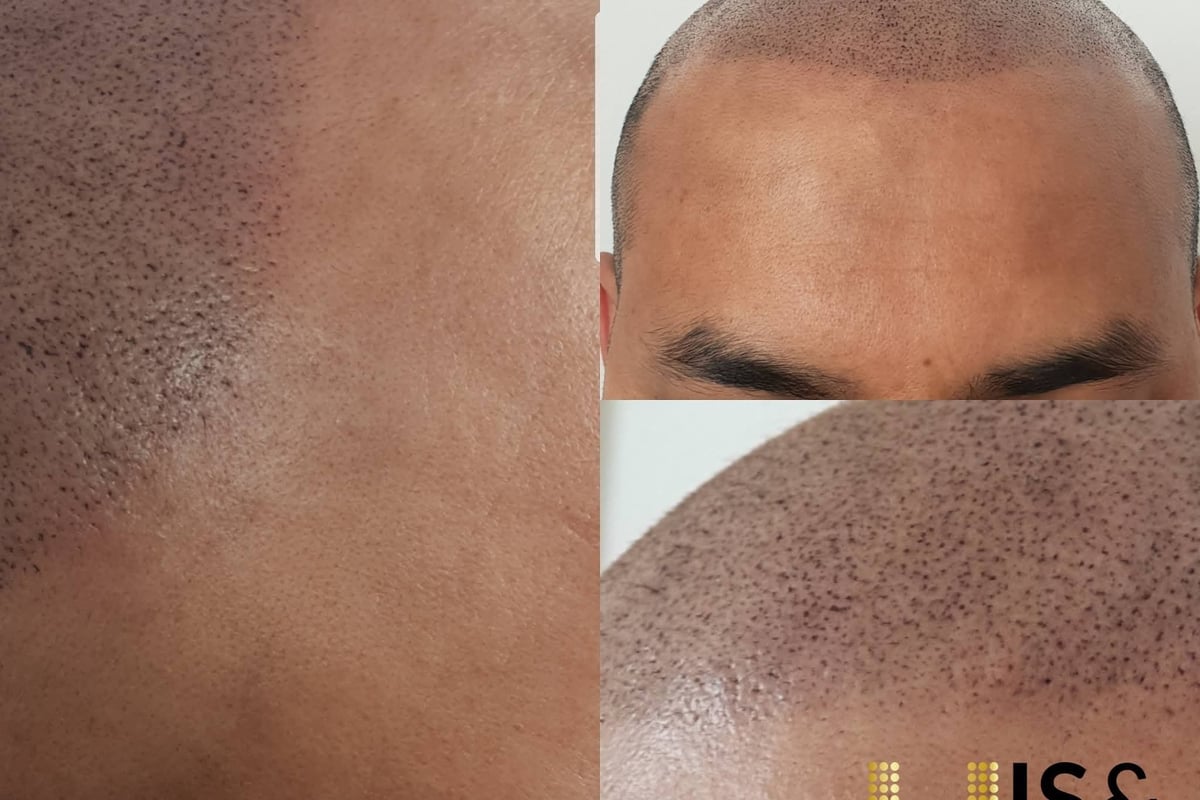
For individuals seeking immediate visual improvement, cosmetic options provide effective solutions. Scalp micropigmentation creates the appearance of fuller hair by depositing pigment into the scalp, mimicking the look of hair follicles.
This innovative procedure helps individuals regain confidence by addressing the cosmetic concerns associated with thinning hair or baldness. The technique involves applying thousands of tiny pigment deposits to problematic areas, creating results that appear completely natural and undetectable.
Environmental and Lifestyle Factors
External conditions and personal habits significantly influence the health and appearance of hair on the scalp. Recognizing these factors enables proactive protection and maintenance.
Sun Exposure and Protection
Ultraviolet radiation damages both the scalp skin and hair shafts. Prolonged sun exposure can lead to protein degradation, color fading, and increased brittleness. The scalp itself can suffer sunburn, potentially damaging hair follicles.
Protective measures include wearing hats, using UV-protective hair products, and limiting direct sun exposure during peak hours. These simple strategies preserve hair quality and maintain scalp health.
Stress Management
Chronic psychological stress affects hair growth through multiple mechanisms. Elevated cortisol levels can push follicles into premature telogen phase, while stress-induced inflammation may compromise follicle function.
Stress management techniques that benefit hair health include regular exercise, adequate sleep, meditation, and maintaining social connections. Different types of hair loss demonstrate varying relationships with stress, from telogen effluvium to trichotillomania.
Age-Related Changes in Scalp Hair
Hair on the scalp undergoes predictable changes throughout the lifespan. Understanding these natural progressions helps distinguish normal aging from pathological conditions requiring intervention.
Childhood Through Adolescence
Hair density peaks during childhood, with follicles at their maximum number. Hormonal changes during puberty alter hair texture and growth patterns, often increasing sebum production and changing hair from fine to coarser textures.
Adult Years
During prime adult years, hair maintains relatively stable characteristics. However, gradual changes begin, including slight decreases in growth rate and subtle diameter reduction. Some individuals notice their first gray hairs as melanocytes in follicles begin declining in function.
Mature and Senior Years
Age brings more pronounced changes to hair on the scalp. Growth rate slows, hair diameter decreases, and many follicles produce progressively finer hairs. Gray hair becomes predominant as melanin production ceases.
| Age Range | Typical Changes | Growth Rate | Density |
|---|---|---|---|
| 0-12 years | Maximum density, fine texture | Rapid | Highest |
| 13-25 years | Texture changes, stabilization | Peak | High |
| 26-50 years | Gradual thinning begins, graying starts | Normal | Moderate decline |
| 51+ years | Significant graying, diameter reduction | Slower | Notable decline |
The hair bulb’s anatomical structure changes with age, affecting its capacity to produce robust hair shafts and maintain optimal growth cycles.
Diagnostic Approaches to Hair Problems
Proper evaluation of hair and scalp conditions requires systematic assessment. Healthcare providers use various diagnostic tools to identify underlying causes of hair disorders.
Clinical Examination
Visual inspection provides initial clues about hair loss patterns, scalp health, and hair quality. Pull tests determine whether excessive shedding is occurring, while dermoscopy reveals microscopic details of the scalp and hair follicles.
Laboratory Testing
Blood work can identify systemic conditions affecting hair growth. Common tests include:
- Complete blood count (checking for anemia)
- Thyroid function tests
- Hormone levels (testosterone, DHEA, prolactin)
- Nutritional markers (ferritin, vitamin D, B12)
- Autoimmune markers (for suspected alopecia areata)
Scalp Biopsy
When diagnosis remains unclear, scalp biopsy provides definitive information about follicle structure and any pathological changes. This procedure involves removing a small tissue sample for microscopic examination, revealing conditions like scarring alopecia or other inflammatory disorders.
Emerging Research and Future Directions
Scientific understanding of hair biology continues advancing, opening new possibilities for treating hair loss and enhancing growth of hair on the scalp.
Regenerative Medicine
Stem cell research explores ways to regenerate damaged or dormant follicles. Platelet-rich plasma (PRP) therapy uses concentrated growth factors from the patient's own blood to stimulate follicle activity, showing promising results in some studies.
Genetic Therapies
Understanding the genetic basis of hair disorders may enable targeted interventions. Researchers investigate ways to modify gene expression in follicles, potentially reversing miniaturization or preventing immune attacks in alopecia areata.
Advanced Topical Formulations
New delivery systems improve how active ingredients penetrate the scalp and reach follicles. Nanotechnology enables more efficient delivery of growth-promoting compounds, while time-release formulations maintain consistent therapeutic levels.
The expanding knowledge base about conditions affecting the hair growth phase informs development of more sophisticated treatment approaches.
Professional Assessment and Treatment
Seeking professional evaluation ensures accurate diagnosis and appropriate treatment for hair concerns. Dermatologists and trichologists specialize in hair and scalp disorders, offering expertise in both medical and cosmetic management.
Early intervention often yields better outcomes, particularly for progressive conditions like androgenetic alopecia. Professional guidance helps individuals navigate treatment options, set realistic expectations, and develop comprehensive care plans tailored to their specific needs.
Maintaining healthy hair on the scalp requires understanding its complex biology, recognizing factors that influence growth, and implementing appropriate care strategies. Whether addressing medical conditions, cosmetic concerns, or simply optimizing hair health, professional guidance ensures the best possible outcomes. HIS&HERS Micropigmentation Clinic offers specialized solutions for individuals experiencing hair loss, combining advanced techniques with personalized care to help clients restore their confidence and achieve natural-looking results.

Leave a Reply