
Hair Loss Clinic Near Me: Expert Guide to Local Treatment
Searching for a "hair loss clinic near me" represents more than just a Google query. It marks the beginning of a journey to restore confidence and address a concern affecting millions of Americans. Whether you're experiencing gradual thinning, pattern baldness, or sudden hair loss, finding the right local clinic requires understanding what modern treatments offer, how to evaluate providers, and what realistic outcomes look like. This guide explores everything you need to know about selecting and working with a professional hair loss clinic in your area.
Understanding Modern Hair Loss Treatment Options
Hair loss clinics in 2026 offer significantly more advanced solutions than even a few years ago. The landscape has evolved beyond simple medication prescriptions to encompass cutting-edge technologies and innovative cosmetic procedures.
Medical Treatments Available at Local Clinics
When you visit a hair loss clinic near me, you'll typically encounter several evidence-based medical approaches. Prescription treatments and medications remain foundational options, with specialists customizing protocols based on your specific condition.
Common medical interventions include:
- Topical minoxidil applications for stimulating follicle activity
- Oral finasteride for addressing hormonal factors
- Platelet-rich plasma (PRP) injections to promote regeneration
- Low-level laser therapy devices for cellular stimulation
- Prescription-strength DHT blockers tailored to individual needs
The effectiveness of these treatments varies considerably between individuals. A qualified clinic will conduct thorough diagnostic testing before recommending any particular approach, ensuring the treatment matches your hair loss pattern and underlying causes.

Surgical and Procedural Solutions
Beyond medications, many clinics specialize in surgical interventions that deliver permanent results. Follicular unit extraction (FUE) and follicular unit transplantation (FUT) have become increasingly refined, with minimal scarring and natural-looking hairlines. These procedures require significant expertise, making clinic selection critically important.
Non-surgical alternatives have also advanced considerably. Low-level laser therapy caps and helmets can be used at home following clinical protocols, while scalp pigmentation offers an innovative cosmetic solution for those seeking immediate visual improvement without ongoing medical treatment.
What Makes a Quality Hair Loss Clinic
Not all facilities offering hair loss services meet the same standards. When searching for a hair loss clinic near me, specific credentials and characteristics separate exceptional providers from mediocre ones.
Professional Qualifications and Certifications
Board-certified dermatologists, licensed trichologists, and specialized cosmetic practitioners should staff your chosen clinic. Verify that practitioners hold current licenses and have completed specialized training in hair restoration techniques. Many top clinics proudly display their credentials and education backgrounds on their websites and in their facilities.
| Credential Type | What It Indicates | Why It Matters |
|---|---|---|
| Board Certification | Advanced medical training | Ensures diagnostic accuracy |
| Trichology Certification | Specialized hair/scalp knowledge | Provides targeted expertise |
| Cosmetic Procedure Training | Technical skill development | Guarantees quality outcomes |
| Continuing Education | Current knowledge | Access to latest methods |
The best clinics invest heavily in ongoing education, ensuring their teams remain current with emerging research and techniques. Ask potential providers about their training frequency and attendance at industry conferences.
Technology and Equipment Standards
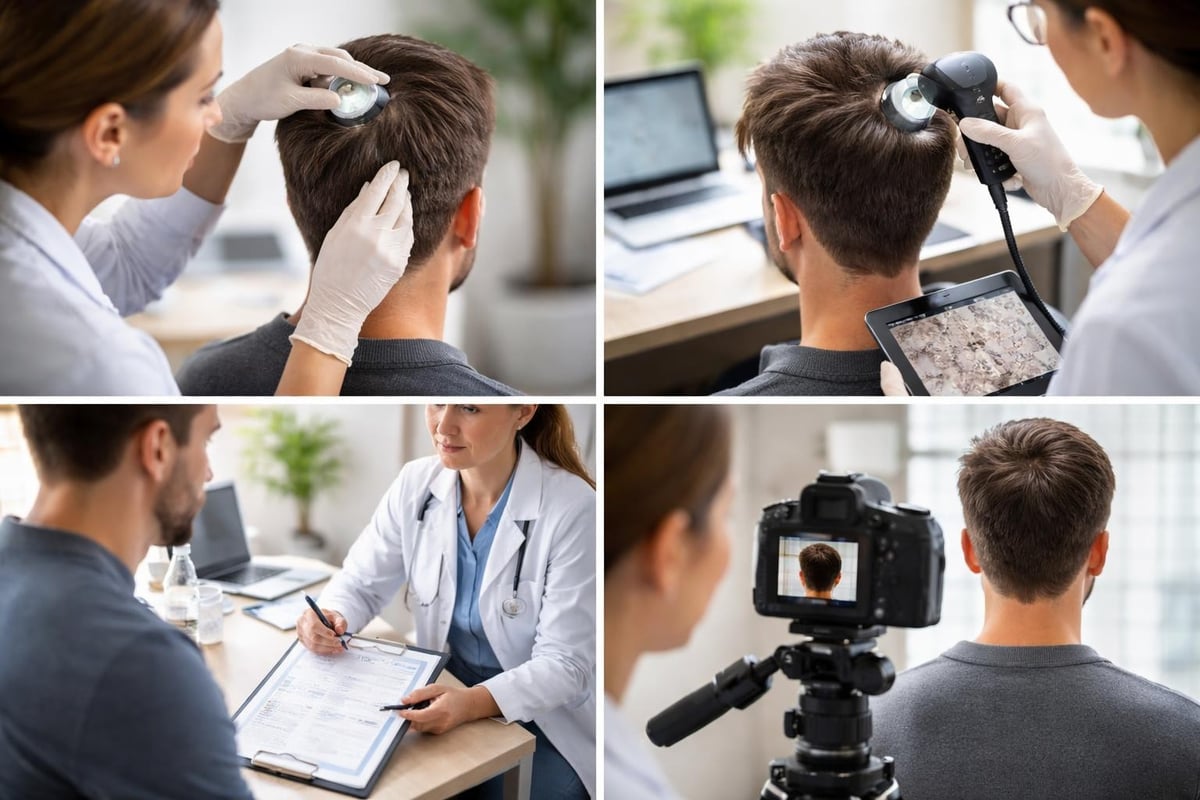
Modern hair loss treatment demands sophisticated technology. Quality clinics invest in diagnostic tools like digital microscopy for scalp analysis, precise surgical instruments for transplant procedures, and advanced laser systems for therapeutic applications.
During your initial consultation, observe the equipment being used. Outdated technology may indicate a clinic that hasn't kept pace with industry advancement. State-of-the-art facilities should feature:
- High-resolution scalp imaging systems
- Sterile surgical suites meeting medical standards
- FDA-approved laser therapy devices
- Comfortable treatment rooms with proper lighting
- Digital patient record systems for tracking progress
Evaluating Treatment Costs and Value
Price considerations play a significant role when selecting a hair loss clinic near me, but cost alone shouldn't drive your decision. Understanding what you're paying for helps identify genuine value versus inflated pricing.
Typical Price Ranges for Common Treatments
Treatment costs vary widely based on geographic location, clinic reputation, and treatment complexity. Medical consultations typically range from $100 to $300, while ongoing medication costs depend on prescription requirements and insurance coverage.
Surgical procedures represent larger investments, with FUE transplants averaging $4,000 to $15,000 depending on graft numbers. PRP therapy sessions cost between $500 and $1,500 per treatment, usually requiring multiple sessions for optimal results.
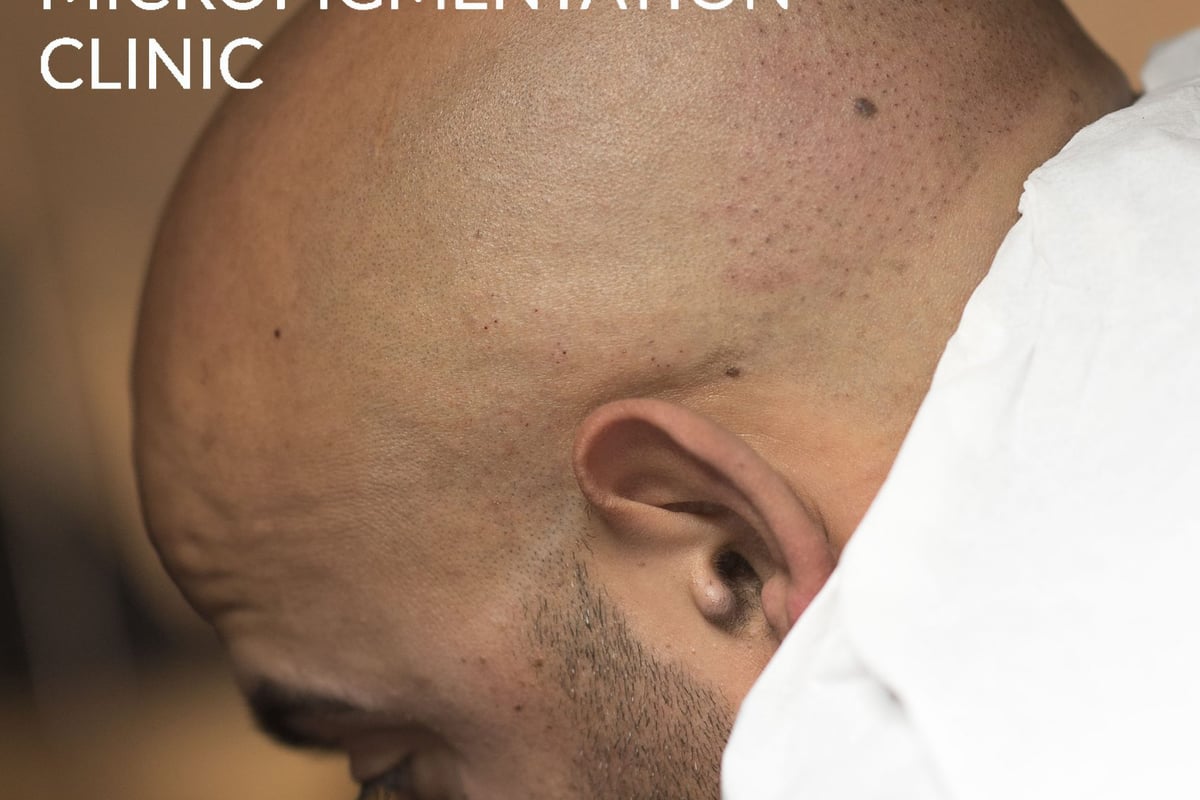
Scalp micropigmentation has emerged as a cost-effective alternative for those seeking cosmetic improvement without surgery or ongoing medication. This procedure creates the appearance of natural hair follicles through specialized pigmentation techniques, delivering immediate visual results that require minimal maintenance.
Insurance Coverage and Financing Options
Most cosmetic hair loss treatments aren't covered by standard health insurance, as insurers typically classify them as elective procedures. However, when hair loss stems from medical conditions like alopecia areata, some diagnostic services and treatments may qualify for partial coverage.
Reputable clinics offer transparent pricing structures and multiple payment options:
- Upfront payment discounts for full treatment packages
- Monthly financing plans through medical credit providers
- Membership programs spreading costs over extended periods
- Package deals combining multiple treatment modalities
- Seasonal promotions for specific procedures
Always request detailed written quotes before committing to treatment. Hidden fees and unexpected charges signal potential problems with clinic integrity.
The Initial Consultation Process
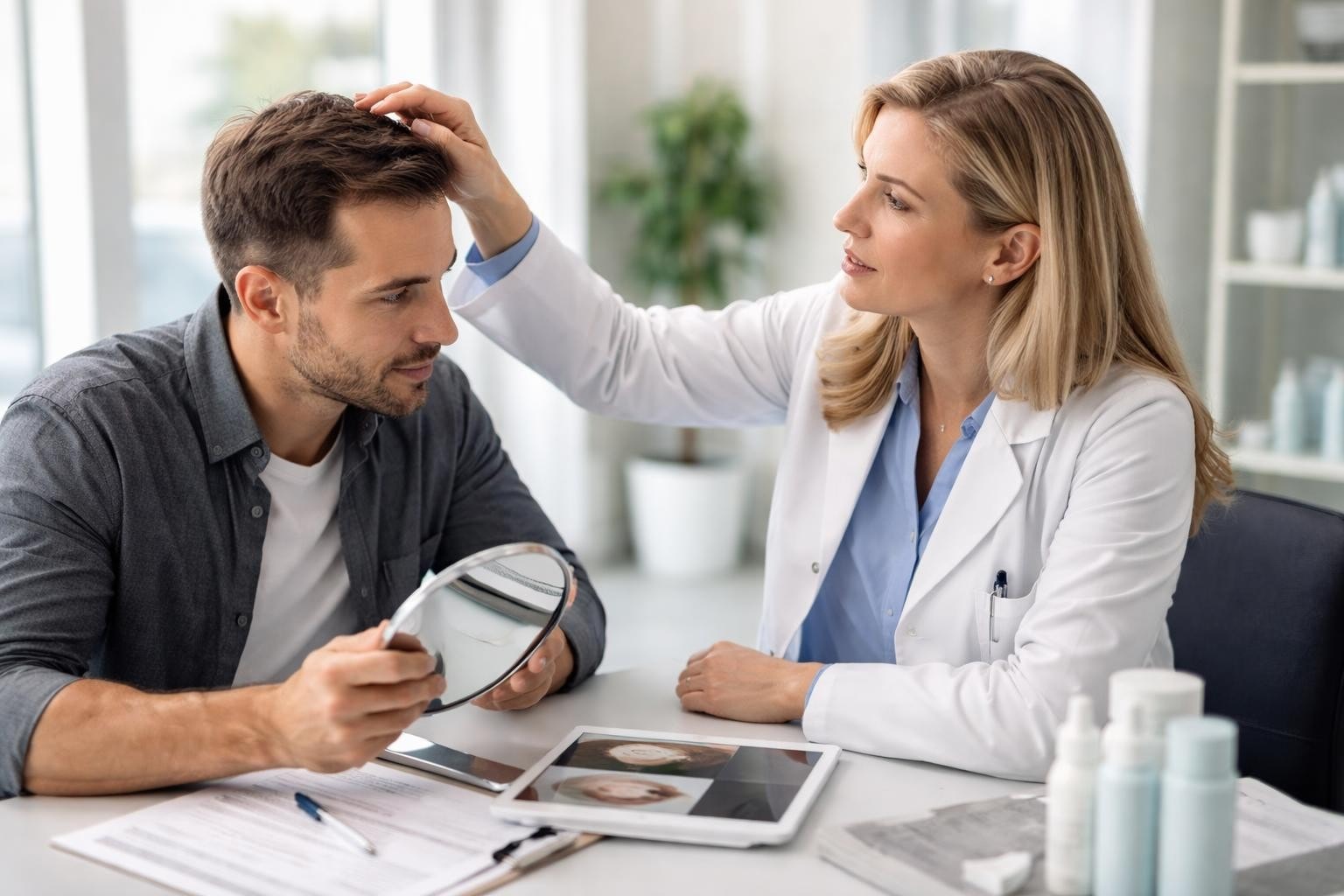
Your first visit to a hair loss clinic near me sets the foundation for your entire treatment journey. Understanding what to expect helps you prepare effectively and evaluate whether the clinic meets your needs.
What to Bring and How to Prepare
Successful consultations require preparation on your part. Compile a comprehensive medical history including current medications, previous hair loss treatments, and family history of baldness or thinning. Bring photos showing your hair at different life stages to help practitioners understand your progression pattern.
Essential items for your consultation:
- Current medication list with dosages
- Previous medical records related to hair loss
- Photos documenting hair loss timeline
- Questions about specific treatments you've researched
- Insurance information if applicable
Many clinics request that you arrive with clean, dry hair free from styling products. This allows for accurate scalp examination and photography for baseline documentation.
Questions to Ask Your Provider
A thorough consultation involves bidirectional communication. While the practitioner gathers information about your condition, you should assess their expertise and approach through targeted questions.
Ask about their experience treating cases similar to yours, success rates for recommended treatments, and realistic timelines for visible results. Inquire about potential side effects, maintenance requirements, and what happens if initial treatments don't produce desired outcomes.
Quality providers welcome questions and provide detailed, understandable answers. Evasive responses or pressure to commit immediately raise red flags about clinic credibility.
Treatment Timelines and Realistic Expectations
Understanding what different treatments can realistically achieve prevents disappointment and helps you commit to appropriate timelines. Hair loss clinic near me searches often stem from urgency, but effective solutions require patience and realistic goal-setting.
How Long Different Treatments Take to Show Results
Medical treatments like minoxidil and finasteride require consistent use for months before producing noticeable improvements. Most patients see initial changes after three to six months, with optimal results emerging around the one-year mark.
| Treatment Type | Initial Results | Optimal Results | Maintenance Required |
|---|---|---|---|
| Topical Minoxidil | 3-4 months | 12-18 months | Daily application |
| Oral Finasteride | 4-6 months | 12-24 months | Daily medication |
| PRP Therapy | 2-3 months | 6-12 months | Quarterly sessions |
| Hair Transplant | 6-9 months | 12-18 months | Minimal ongoing |
| Scalp Pigmentation | Immediate | 2-4 weeks | Touch-ups every 3-5 years |
Surgical transplants show the slowest visible progress, as transplanted follicles must establish blood supply and enter growth phases. The waiting period tests patience, but results typically prove worth the investment.
Managing Expectations Throughout Treatment
Honest clinics set realistic expectations from the outset. No treatment restores juvenile hair density or completely reverses advanced baldness. However, appropriate interventions can significantly improve appearance and slow future loss.
Your practitioner should explain expected improvement percentages, potential limitations based on your specific pattern, and factors that might influence outcomes. Age, overall health, genetic factors, and treatment compliance all impact results.
Regular progress assessments help track improvement and adjust protocols as needed. Quality clinics schedule follow-up appointments at strategic intervals, documenting changes through photography and scalp analysis.
Location and Convenience Factors
When searching for a hair loss clinic near me, proximity matters more than you might initially consider. Treatment success often depends on consistent appointments and long-term commitment, making location a practical consideration.
Balancing Quality and Accessibility
The nearest clinic isn't always the best choice, but excessive travel distance can undermine treatment adherence. Evaluate the trade-offs between driving to a top-rated facility versus choosing a closer option with adequate credentials.
Consider appointment frequency when assessing location viability. Monthly PRP sessions or regular medication monitoring require different commitment levels than one-time surgical procedures followed by infrequent check-ups.
Location factors to evaluate:
- Driving time during typical appointment hours
- Parking availability and costs
- Public transportation access if needed
- Clinic hours matching your schedule
- Ability to accommodate urgent consultations
Some patients choose to travel further for initial consultations and major procedures while finding local providers for routine follow-up care. This hybrid approach balances expertise access with convenience.
Virtual Consultations and Telemedicine Options
Telehealth has expanded access to specialist care, with many reputable clinics now offering virtual initial consultations. These remote appointments work well for discussing treatment options, reviewing medical history, and determining if in-person evaluation makes sense.
However, certain diagnostic procedures require physical presence. Scalp examinations, follicle density measurements, and surgical procedures necessitate clinic visits. The most effective approach often combines virtual convenience for planning and education with in-person appointments for hands-on treatment.
Reading Reviews and Checking Credentials
Digital research proves invaluable when identifying a quality hair loss clinic near me. Patient testimonials and professional credentials offer insights that marketing materials rarely provide.
Where to Find Reliable Patient Feedback
Google reviews, Yelp ratings, and specialized medical review platforms host thousands of patient experiences. Look for patterns in feedback rather than focusing on individual extreme reviews. Consistent mentions of specific strengths or weaknesses reveal more than isolated comments.
Pay attention to how clinics respond to negative reviews. Professional, constructive responses to criticism demonstrate commitment to patient satisfaction and continuous improvement. Defensive or dismissive replies suggest problematic customer service cultures.
Before-and-after photo galleries provide visual evidence of clinic capabilities. Examine whether results look natural and whether the clinic shows diverse patient cases rather than only their best outcomes. Treatment success varies significantly based on individual factors, so realistic portfolios showcase multiple scenarios.
Verifying Professional Credentials
State medical boards maintain public databases of licensed practitioners, including disciplinary actions and credential verification. Cross-reference claims made by clinics against official records to ensure accuracy.
Professional organization memberships indicate commitment to industry standards. Organizations like the American Board of Hair Restoration Surgery and the International Society of Hair Restoration Surgery maintain strict membership requirements and ethical guidelines.
Request specific information about practitioner training in techniques they'll use for your treatment. Specialized certifications in scalp micropigmentation, hair transplantation, or trichology demonstrate focused expertise beyond general medical training.
Specialized Treatments for Different Hair Loss Types
Hair loss clinic near me searches stem from various underlying conditions, each requiring tailored approaches. Understanding which treatments address specific causes helps you identify clinics with relevant expertise.
Pattern Baldness Solutions
Androgenetic alopecia, the most common form affecting both men and women, responds well to DHT-blocking medications and surgical transplantation. Clinics specializing in pattern baldness typically offer comprehensive medication protocols alongside transplant services.
Women's pattern hair loss presents unique challenges, often requiring different approaches than male counterparts. Specialized clinics understand these distinctions and customize treatment accordingly, considering hormonal factors and diffuse thinning patterns.
Autoimmune and Medical Condition-Related Loss
Alopecia areata and similar conditions require immunological expertise beyond cosmetic hair restoration. Clinics treating these conditions should include dermatologists or physicians experienced in autoimmune disorders.
Treatment may involve corticosteroid injections, immunotherapy protocols, or systemic medications targeting immune responses. Cosmetic solutions like scalp pigmentation can complement medical treatments, providing visual improvement while addressing underlying causes.
Combining Multiple Treatment Approaches
Modern hair loss management increasingly relies on multimodal strategies. The most effective clinics don't push single solutions but instead develop comprehensive plans integrating complementary treatments.
Synergistic Treatment Protocols
Combining medication with procedural interventions often produces superior results compared to single-method approaches. For example, patients might use finasteride to slow future loss while undergoing transplantation to restore already-thinned areas.
Advanced clinics develop protocols based on your specific situation:
- Initial medical treatment to stabilize hair loss
- Nutritional optimization supporting follicle health
- Procedural interventions for targeted restoration
- Ongoing maintenance preventing future progression
- Cosmetic enhancement for immediate confidence boost
Each element addresses different aspects of hair loss, creating comprehensive solutions that maximize outcomes.
Monitoring and Adjusting Treatment Plans
Hair loss treatment isn't static. Your response to initial interventions guides ongoing adjustments, with practitioners modifying approaches based on measurable results. Quality clinics schedule regular assessments tracking progress through standardized measurements and photography.
If initial treatments underperform, having multiple options available within the same clinic streamlines transitions to alternative approaches. This continuity of care proves more effective than starting over with new providers when first attempts disappoint.
Red Flags to Avoid
Not every facility advertising hair loss solutions operates with integrity or competence. Recognizing warning signs protects you from wasted money and potentially harmful treatments.
Unrealistic Promises and Guarantees
Legitimate practitioners acknowledge that hair loss treatment involves variables and individual responses. Clinics promising 100% success rates, complete restoration, or guaranteed outcomes regardless of individual factors likely prioritize sales over science.
Be wary of facilities pushing proprietary "miracle" treatments unsupported by peer-reviewed research. While innovation drives progress, legitimate advances undergo rigorous testing before clinical application. Secret formulas and exclusive techniques often mask ineffective or dangerous approaches.
Pressure Tactics and Limited-Time Offers
High-pressure sales environments prioritize profits over patient welfare. Quality clinics allow time for research, second opinions, and careful decision-making. Artificial urgency through expiring discounts or limited appointment availability manipulates rather than informs.
Warning signs of problematic clinics:
- Required same-day treatment decisions for promotional pricing
- Reluctance to provide detailed written treatment plans
- Dismissal of questions or concerns about risks
- Inability to provide verifiable credentials
- Absence of clear pricing information
- Unwillingness to discuss alternative approaches
Trust your instincts. If something feels wrong during consultations, continue your search for a hair loss clinic near me that prioritizes your wellbeing over their bottom line.
Aftercare and Long-Term Support
Treatment completion doesn't end your relationship with a quality hair loss clinic. Ongoing support, maintenance protocols, and access to follow-up care distinguish exceptional providers from transactional facilities.
Post-Treatment Care Requirements
Different procedures demand varying aftercare levels. Surgical transplants require careful scalp care during healing phases, with specific instructions about washing, sleeping positions, and activity restrictions. Medical treatments need consistent adherence to dosing schedules and monitoring for side effects.
Your clinic should provide detailed written aftercare instructions, emergency contact information, and scheduled follow-up appointments. Access to practitioners for questions during recovery periods prevents complications and ensures optimal healing.
Maintenance and Touch-Up Protocols
Many treatments require ongoing maintenance to preserve results. Medication-based approaches demand continued use indefinitely, as discontinuation often leads to resumed hair loss. Surgical results prove permanent for transplanted follicles, but surrounding areas may continue thinning without preventive measures.
Scalp pigmentation treatments maintain their appearance for years but eventually benefit from touch-up sessions as pigment gradually fades. Quality clinics include maintenance planning in initial consultations, helping you understand long-term commitment levels and costs.
Making Your Final Decision
After researching options, attending consultations, and evaluating credentials, you'll face the decision of which hair loss clinic near me deserves your trust and investment.
Creating Your Evaluation Checklist
Systematically compare clinics using consistent criteria. Rate each facility on practitioner credentials, technology quality, pricing transparency, patient reviews, location convenience, and consultation experience. This structured approach prevents emotional decisions based on aggressive marketing or single factors.
Weight criteria according to your priorities. Someone prioritizing surgical excellence might emphasize practitioner experience and facility capabilities, while another person seeking medication management might prioritize ongoing support and monitoring protocols.
Trusting Your Instincts
Data and credentials matter enormously, but subjective comfort with your chosen provider shouldn't be dismissed. You'll work with this clinic potentially for months or years. Feeling respected, heard, and valued during consultations indicates how you'll be treated throughout your journey.
If a highly-rated clinic left you feeling uncomfortable or rushed, that experience provides valuable information. Continue searching until you find the combination of expertise and interpersonal connection supporting successful treatment outcomes.
Finding the right hair loss clinic near me requires balancing medical expertise, technological capability, and personal comfort. The treatment landscape in 2026 offers more effective solutions than ever before, from advanced medications to innovative cosmetic procedures. Whether you're exploring medical interventions, considering surgical options, or seeking immediate cosmetic improvement through techniques like scalp pigmentation, HIS&HERS Micropigmentation Clinic provides expert care tailored to your individual needs. Schedule a consultation today to discuss how specialized treatments can help you regain confidence and achieve your aesthetic goals.

Leave a Reply